Dimmer On LED Lights: Compliance, What Lighting Contractors Need to Know
As the demand for energy-efficient lighting solutions continues to grow, LED technology has become a go-to choice for both residential and commercial applications. However, the integration of dimmer switches with LED lights presents unique challenges and considerations for lighting contractors. Understanding compliance regulations, compatibility issues, and installation best practices is essential for ensuring a successful project. This article delves into the key aspects of using dimmers with LED lights, providing valuable insights for lighting contractors.
Understanding LED Technology and Dimming
The Basics of LED Lighting
Light Emitting Diodes (LEDs) operate differently than traditional incandescent or fluorescent bulbs. They produce light through the movement of electrons in a semiconductor material, which results in higher energy efficiency and longer lifespan. However, this technology also requires specific considerations when it comes to dimming capabilities.
LEDs are inherently different in their electrical characteristics, which can lead to compatibility issues with standard dimmer switches. While incandescent bulbs can be dimmed easily by reducing voltage, LEDs require a different approach to achieve smooth dimming without flickering or buzzing. This is largely due to the fact that LEDs have a much lower thermal inertia, meaning they respond to changes in voltage and current almost instantaneously, which can create challenges in achieving a gradual dimming effect.
Moreover, the lifespan of LEDs is significantly longer than that of traditional bulbs, often lasting up to 25,000 hours or more. This longevity not only contributes to reduced maintenance costs but also minimizes the environmental impact associated with frequent bulb replacements. As a result, the adoption of LED technology has surged in both residential and commercial applications, as users seek sustainable and cost-effective lighting solutions.
Dimming Methods for LEDs
There are several methods to dim LED lights, including phase-cut dimming, 0-10V dimming, and digital dimming. Phase-cut dimming is the most common method, which can be further divided into leading-edge and trailing-edge dimming. Leading-edge dimmers are typically used for incandescent bulbs, while trailing-edge dimmers are better suited for LEDs due to their ability to handle lower loads more effectively. This distinction is crucial, as using the wrong type of dimmer can lead to poor performance, including flickering and a reduced lifespan for the bulbs.
0-10V dimming is another popular option, especially in commercial settings. This method involves using a low-voltage control signal to adjust the brightness of the lights. It is particularly favored in applications where precise lighting control is necessary, such as in conference rooms or art galleries, where the quality and intensity of light can greatly influence the ambiance and visual experience. Digital dimming, often found in smart lighting systems, allows for more advanced control options, such as remote operation and integration with building management systems. This technology not only enhances convenience but also supports energy management strategies, enabling users to optimize their lighting based on occupancy and time of day.
Compliance Standards and Regulations
Understanding Compliance Requirements
Lighting contractors must be aware of the various compliance standards that govern the installation of LED lighting and dimming systems. These regulations are essential for ensuring safety, energy efficiency, and overall performance. The National Electrical Code (NEC) and the American National Standards Institute (ANSI) provide guidelines that contractors should follow when working with LED dimmers. These standards cover a wide range of topics, including wiring methods, circuit protection, and the compatibility of dimming systems with LED fixtures, ensuring that installations are not only functional but also safe for end users.
Compliance with these standards not only ensures the safety of the installation but also helps contractors avoid costly rework and potential legal issues. Familiarizing oneself with local codes and regulations is crucial, as they may vary significantly from one jurisdiction to another. In some areas, additional certifications or inspections may be required, which can impact project timelines and budgets. Therefore, staying updated on changes to these regulations is vital for contractors who wish to maintain a competitive edge and uphold their reputations in the industry.
Energy Efficiency Standards
In addition to safety regulations, lighting contractors should also consider energy efficiency standards. Many regions have adopted energy codes that require a certain level of efficiency for lighting installations. The Energy Star program, for instance, sets guidelines for energy-efficient products, including LED lights and compatible dimmers. These standards not only promote the use of advanced technology but also encourage manufacturers to innovate and improve the performance of their products, leading to a wider selection of high-quality options for contractors and consumers alike.
Contractors should ensure that the products they select for their projects meet these energy efficiency standards. This not only benefits the environment but also provides clients with long-term savings on their energy bills. Furthermore, many utility companies offer rebates and incentives for installations that comply with these energy efficiency standards, which can significantly reduce upfront costs for clients. By integrating energy-efficient solutions into their projects, contractors not only enhance the value of their services but also contribute to a more sustainable future, aligning their business practices with the growing demand for environmentally responsible solutions.
Choosing the Right Dimmer for LED Lights
Compatibility Considerations
One of the most critical aspects of installing LED lights with dimmers is ensuring compatibility between the two. Not all dimmers are designed to work with LED technology, and using an incompatible dimmer can lead to poor performance, including flickering, buzzing, or even complete failure of the lighting system.
When selecting a dimmer, contractors should look for products specifically labeled as “LED compatible.” These dimmers are designed to handle the unique electrical characteristics of LED lights, ensuring smooth operation and optimal performance.
Load Ratings and Performance
Another important factor to consider is the load rating of the dimmer. LED lights typically consume less power than traditional bulbs, which means that the dimmer must be able to handle the lower wattage. Contractors should ensure that the total wattage of the LED lights does not exceed the dimmer’s load rating, as this can lead to overheating and potential failure.
Additionally, it is essential to test the dimmer with the specific LED lights being installed. Different LED products can have varying performance characteristics, and a dimmer that works well with one type of LED may not perform adequately with another.
Installation Best Practices
Wiring and Connections
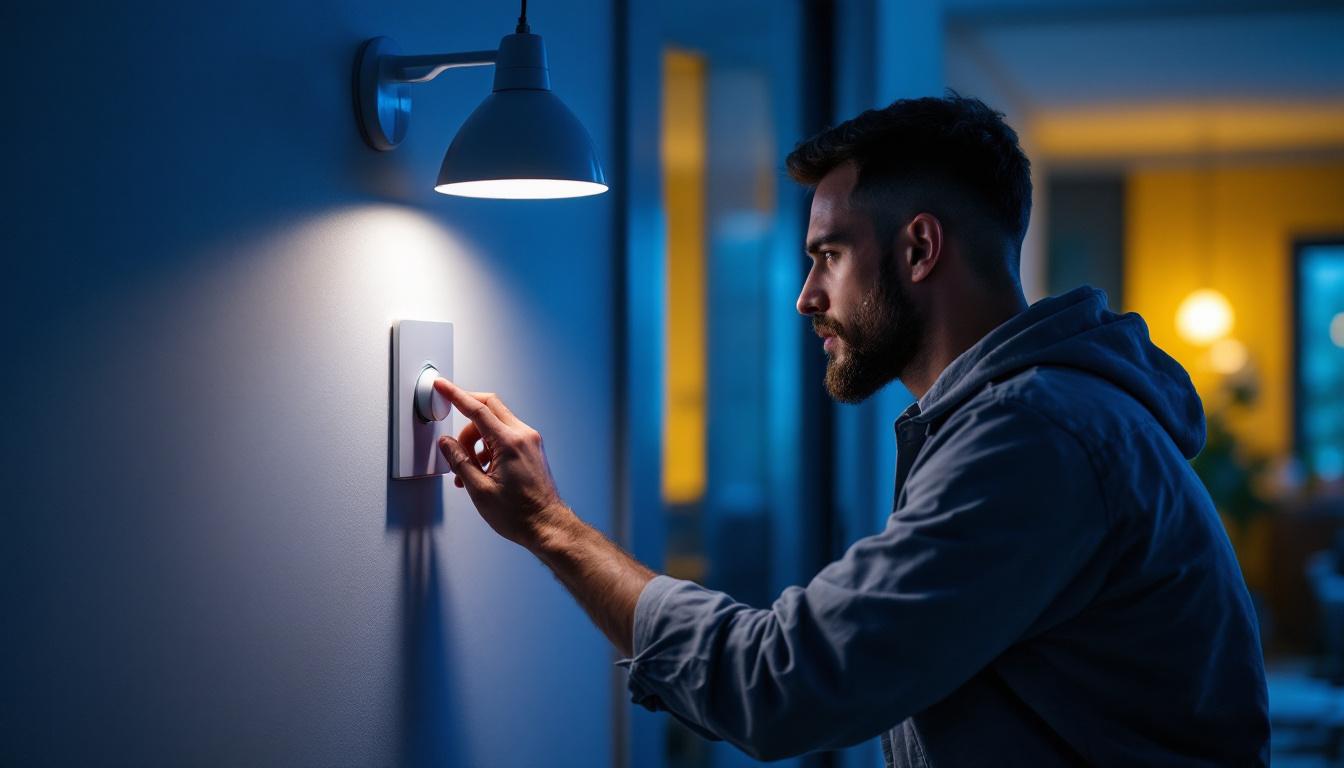
Proper wiring and connections are crucial for the successful installation of LED lights with dimmers. Contractors should follow the manufacturer’s instructions for wiring the dimmer, ensuring that all connections are secure and properly insulated. Loose connections can lead to flickering lights or even electrical hazards.
It’s also advisable to use high-quality wiring that can handle the electrical load of the LED lights. This not only ensures safety but also enhances the overall performance of the lighting system.
Testing and Troubleshooting
After installation, thorough testing is essential to ensure that the dimmer and LED lights function correctly together. Contractors should check for any flickering, buzzing, or other performance issues. If problems arise, troubleshooting steps may include checking the compatibility of the dimmer, verifying load ratings, and inspecting wiring connections.
Documenting the testing process can also be beneficial for future reference and for addressing any potential concerns from clients. Providing clients with a clear understanding of how to operate their new dimming system can enhance their overall satisfaction with the installation.
Client Education and Communication
Explaining Dimming Options
Effective communication with clients is vital for ensuring they understand the benefits and limitations of dimming LED lights. Contractors should take the time to explain the different dimming methods available and how they can enhance the overall lighting experience.
Clients may have specific preferences or requirements for their lighting systems, and understanding these can help contractors provide tailored solutions. Educating clients about the importance of using compatible dimmers and the potential issues with incompatible products can also foster trust and confidence in the contractor’s expertise.
Providing Maintenance Tips
Once the installation is complete, providing clients with maintenance tips can help prolong the life of their lighting system. This may include recommendations for cleaning the dimmer and LED lights, as well as guidance on how to troubleshoot common issues.
Encouraging clients to report any performance issues promptly can prevent more significant problems down the line. Establishing a good line of communication can lead to repeat business and referrals, further enhancing the contractor’s reputation.
Future Trends in LED Dimming Technology
Smart Dimming Solutions
The future of LED dimming technology is leaning towards smart solutions that integrate with home automation systems. Smart dimmers allow users to control their lighting remotely through mobile apps or voice commands, offering convenience and customization options.
As the demand for smart home technology continues to rise, lighting contractors should consider expanding their knowledge and expertise in this area. Understanding how to install and configure smart dimming systems can set contractors apart from their competitors and attract a broader client base.
Advancements in Energy Efficiency
With ongoing advancements in LED technology, energy efficiency is expected to improve even further. Newer LED products are being developed that offer better dimming capabilities while consuming less power. Contractors should stay informed about these advancements to provide clients with the most efficient and effective lighting solutions.
By keeping up with industry trends and innovations, lighting contractors can position themselves as knowledgeable professionals who deliver high-quality installations that meet current and future demands.
Conclusion
Integrating dimmer switches with LED lights presents both challenges and opportunities for lighting contractors. By understanding the unique characteristics of LED technology, compliance regulations, and the importance of selecting compatible dimmers, contractors can ensure successful installations that meet client expectations.
Furthermore, effective communication with clients and staying informed about industry trends will enhance a contractor’s reputation and lead to long-term success. As the lighting industry continues to evolve, embracing new technologies and methods will be key to remaining competitive and providing exceptional service.
In conclusion, the journey of mastering LED dimming is ongoing, and lighting contractors who invest in their knowledge and skills will be well-equipped to navigate the complexities of this dynamic field.
Illuminate Your Projects with LumenWholesale
Ready to elevate your lighting installations with the latest LED dimming technology? At LumenWholesale, we provide lighting contractors with the highest quality, spec-grade lighting products at prices that can’t be beaten. Say goodbye to unnecessary markups and hello to a vast selection of reliable, high-performance lighting that meets the most stringent industry standards. With the added convenience of free shipping on bulk orders, LumenWholesale is your go-to source for premium lighting solutions that blend quality, affordability, and convenience seamlessly. Don’t compromise on your lighting projects—choose Wholesale Lighting at the Best Value and make the smart choice for your business today.