LED Canless Lights: Everything Lighting Contractors Should Know
As the demand for energy-efficient lighting solutions continues to rise, LED canless lights have emerged as a popular choice among both homeowners and lighting contractors. These innovative fixtures provide a sleek, modern aesthetic while offering significant energy savings. Understanding the features, benefits, and installation techniques associated with LED canless lights is essential for lighting contractors looking to stay competitive in the market.
What Are LED Canless Lights?
LED canless lights, also known as recessed lights or downlights, are designed to be installed directly into ceilings without the need for traditional housing or canisters. This unique design allows for a more streamlined appearance, making them an attractive option for modern interiors. Unlike conventional recessed lighting, canless lights are typically installed using a junction box, which simplifies the installation process and reduces the amount of space required in the ceiling.
Design and Aesthetics
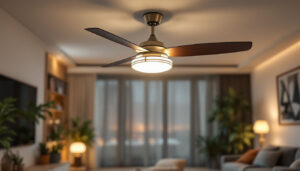
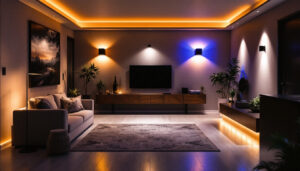
One of the primary advantages of LED canless lights is their minimalist design. These fixtures can be flush-mounted into the ceiling, providing a clean and unobtrusive look. This is particularly appealing in residential settings where homeowners seek to create a seamless integration of lighting with their interior design. The absence of bulky housings allows for more flexible placement options, enabling contractors to create unique lighting layouts that enhance the overall aesthetic of a space. Furthermore, many canless lights come in various color temperatures, ranging from warm white to cool daylight, allowing homeowners to tailor the ambiance of each room. This versatility ensures that the lighting complements not just the decor but also the mood and functionality of the space, whether it be a cozy living room or a bright kitchen.
Energy Efficiency and Longevity
LED technology is inherently energy-efficient, consuming significantly less power compared to traditional incandescent or halogen bulbs. Canless lights typically use around 80% less energy, translating to lower electricity bills for homeowners. Additionally, LED canless lights have a longer lifespan, often lasting up to 25,000 hours or more. This longevity reduces the frequency of replacements, making them a cost-effective choice for both contractors and clients. Beyond just energy savings, LED canless lights also contribute to a reduced carbon footprint, as they produce less heat and require less energy production, making them an environmentally friendly option. Many models are also designed to be dimmable, offering even greater control over energy usage and allowing users to adjust the brightness to suit different occasions, further enhancing their practicality in everyday life.
Benefits of Using LED Canless Lights
For lighting contractors, understanding the benefits of LED canless lights is crucial for recommending them to clients. The advantages extend beyond aesthetics and energy savings, impacting installation processes and overall customer satisfaction.
Ease of Installation
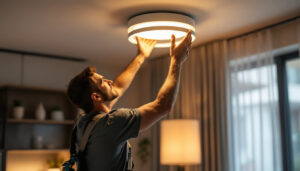
One of the standout features of LED canless lights is their straightforward installation process. Unlike traditional recessed lights that require extensive framing and housing, canless lights can be installed in minutes. Most models come with a simple clip or bracket system that allows them to be secured directly to the ceiling. This not only saves time during installation but also reduces labor costs, making it an attractive option for contractors. Additionally, the lightweight design of these fixtures means that they can be installed in a variety of ceiling types, including drywall and plaster, without the need for additional support structures. This flexibility opens up new possibilities for lighting design in both new constructions and renovation projects.
Versatility and Application
LED canless lights are versatile and can be used in various applications, from residential to commercial settings. They are suitable for kitchens, living rooms, hallways, and even outdoor areas when designed for damp or wet locations. Their ability to provide even illumination without the need for bulky fixtures makes them ideal for spaces with low ceilings or where aesthetics are a priority. Moreover, the sleek and unobtrusive design of canless lights allows them to blend seamlessly into any decor, making them a popular choice for modern interior designs. Whether it’s a cozy home environment or a bustling office space, these lights can enhance the overall ambiance while providing functional lighting solutions.
Enhanced Control Options
Many LED canless lights are compatible with smart home technology, allowing for enhanced control over lighting conditions. Features such as dimming capabilities, color temperature adjustments, and integration with home automation systems can be appealing to tech-savvy clients. By offering these options, contractors can provide tailored lighting solutions that meet the specific needs and preferences of homeowners. Furthermore, the ability to control lighting remotely through smartphones or voice-activated devices adds an extra layer of convenience and energy management. This not only helps in creating the perfect atmosphere for different occasions but also encourages energy efficiency by allowing users to turn off lights when they are not needed, contributing to lower electricity bills and a reduced carbon footprint.
Considerations for Installation
While LED canless lights offer numerous benefits, there are several considerations that lighting contractors should keep in mind during installation. Proper planning and execution are crucial to ensure optimal performance and customer satisfaction.
Ceiling Space and Insulation
Before installation, it’s essential to assess the ceiling space and any insulation present. Canless lights require a certain amount of clearance to function effectively, and insulation should be kept away from the fixture to prevent overheating. Contractors should familiarize themselves with the specific requirements of the chosen model and ensure compliance with local building codes.
Wiring and Electrical Considerations
Proper wiring is critical for the safe operation of LED canless lights. Contractors should ensure that the electrical connections are secure and that the circuit can handle the load of the new fixtures. It’s also advisable to use LED-compatible dimmers to avoid flickering or compatibility issues. Understanding the electrical requirements will help prevent future problems and ensure a smooth installation process.
Choosing the Right LED Canless Lights
With a growing number of LED canless lights available on the market, selecting the right products for specific projects can be challenging. Contractors should consider several factors to make informed decisions that align with client needs and project requirements.
Brightness and Lumen Output
When selecting LED canless lights, it’s essential to evaluate the brightness and lumen output. Different spaces may require varying levels of illumination, and understanding the specific needs of each project will help in choosing the appropriate fixtures. For instance, kitchens may require brighter lights for cooking tasks, while living rooms may benefit from softer, ambient lighting.
Color Temperature
Color temperature is another critical factor to consider. LED canless lights are available in various color temperatures, typically measured in Kelvin (K). Warmer tones (2700K-3000K) create a cozy atmosphere, making them ideal for living spaces, while cooler tones (4000K-5000K) are often preferred for work areas. Contractors should discuss color preferences with clients to ensure satisfaction with the final result.
Quality and Certifications
Quality should never be compromised when selecting LED canless lights. Contractors should look for products that have been tested and certified by recognized organizations, such as the Underwriters Laboratories (UL) or the Energy Star program. These certifications ensure that the fixtures meet specific safety and efficiency standards, providing peace of mind for both contractors and clients.
Common Challenges and Solutions
While LED canless lights offer numerous advantages, contractors may encounter challenges during installation or in the post-installation phase. Being prepared for these challenges can help ensure a smooth process and enhance customer satisfaction.
Flickering Issues
Flickering can be a common issue with LED lighting, often caused by incompatible dimmers or poor electrical connections. To mitigate this problem, contractors should recommend LED-compatible dimmers and ensure that all wiring is secure. If flickering persists, it may be necessary to consult the manufacturer for troubleshooting advice.
Overheating Concerns
Although LED canless lights are designed to be energy-efficient, improper installation can lead to overheating. Ensuring that insulation is kept away from the fixture and that there is adequate ventilation is crucial. Contractors should educate clients on the importance of following installation guidelines to prevent overheating and potential damage.
Future Trends in LED Canless Lighting
The lighting industry is constantly evolving, and staying informed about future trends is essential for contractors looking to remain competitive. LED canless lights are no exception, with several exciting developments on the horizon.
Smart Lighting Integration
As smart home technology continues to gain popularity, the integration of LED canless lights with smart systems is expected to become more prevalent. Features such as voice control, scheduling, and remote access will enhance user experience and convenience. Contractors should stay updated on the latest smart lighting solutions to offer clients cutting-edge options.
Improved Energy Efficiency
Advancements in LED technology are likely to result in even greater energy efficiency. Manufacturers are continually working to improve lumens per watt, which means brighter lights with lower energy consumption. Contractors should keep an eye on emerging technologies and be prepared to offer the latest energy-efficient solutions to clients.
Conclusion
LED canless lights represent a significant advancement in lighting technology, offering numerous benefits for both contractors and homeowners. Their sleek design, energy efficiency, and ease of installation make them an attractive option for various applications. By understanding the features, benefits, and considerations associated with LED canless lights, lighting contractors can provide informed recommendations and deliver exceptional service to their clients.
As the lighting industry continues to evolve, staying abreast of trends and innovations will be key to maintaining a competitive edge. Embracing the potential of LED canless lights not only enhances project outcomes but also contributes to a more sustainable future in lighting.
Get Your Premium LED Canless Lights at LumenWholesale
Ready to elevate your lighting projects with the sleek design and energy efficiency of LED canless lights? Look no further than LumenWholesale for all your lighting needs. We provide contractors with high-quality, spec-grade lighting products at unbeatable wholesale prices, ensuring you get the best value for your investment. Our extensive selection of LED canless lights meets the highest industry standards, so you can deliver reliable, high-performance lighting to your clients. With the convenience of free shipping on bulk orders, LumenWholesale is your go-to source for superior lighting without the inflated markups or hidden fees. Wholesale Lighting at the Best Value is just a click away—experience the LumenWholesale difference today!