In the realm of hospitality, lighting plays a pivotal role in shaping the guest experience. The right lighting can transform a mundane space into an inviting atmosphere, enhancing both comfort and aesthetic appeal. For lighting contractors, understanding the nuances of hotel lighting installations is essential to delivering exceptional results that meet the unique needs of each property.
The Importance of Lighting in Hotels
Lighting in hotels is not merely functional; it serves multiple purposes that contribute to the overall ambiance and operational efficiency. From the lobby to guest rooms, effective lighting can create a welcoming environment, guide guests, and even influence their mood and behavior.
Creating Atmosphere
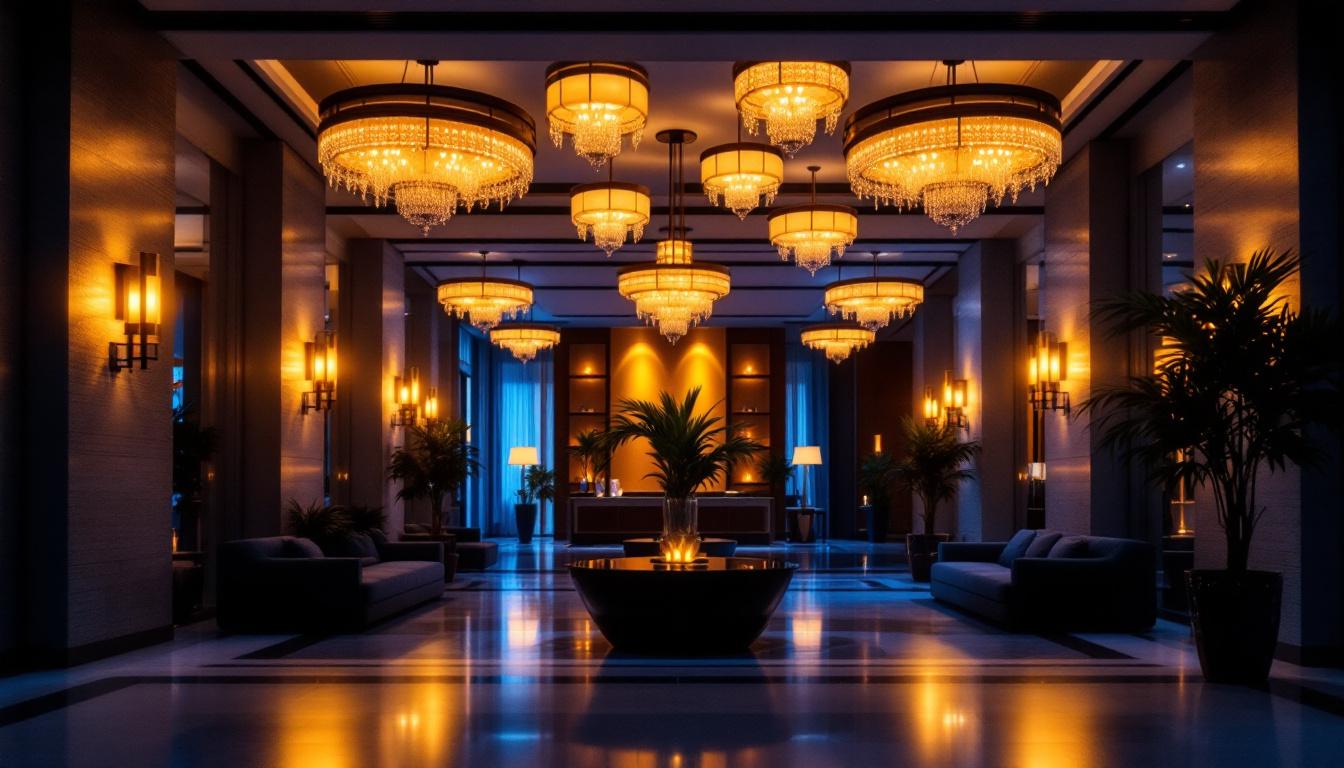
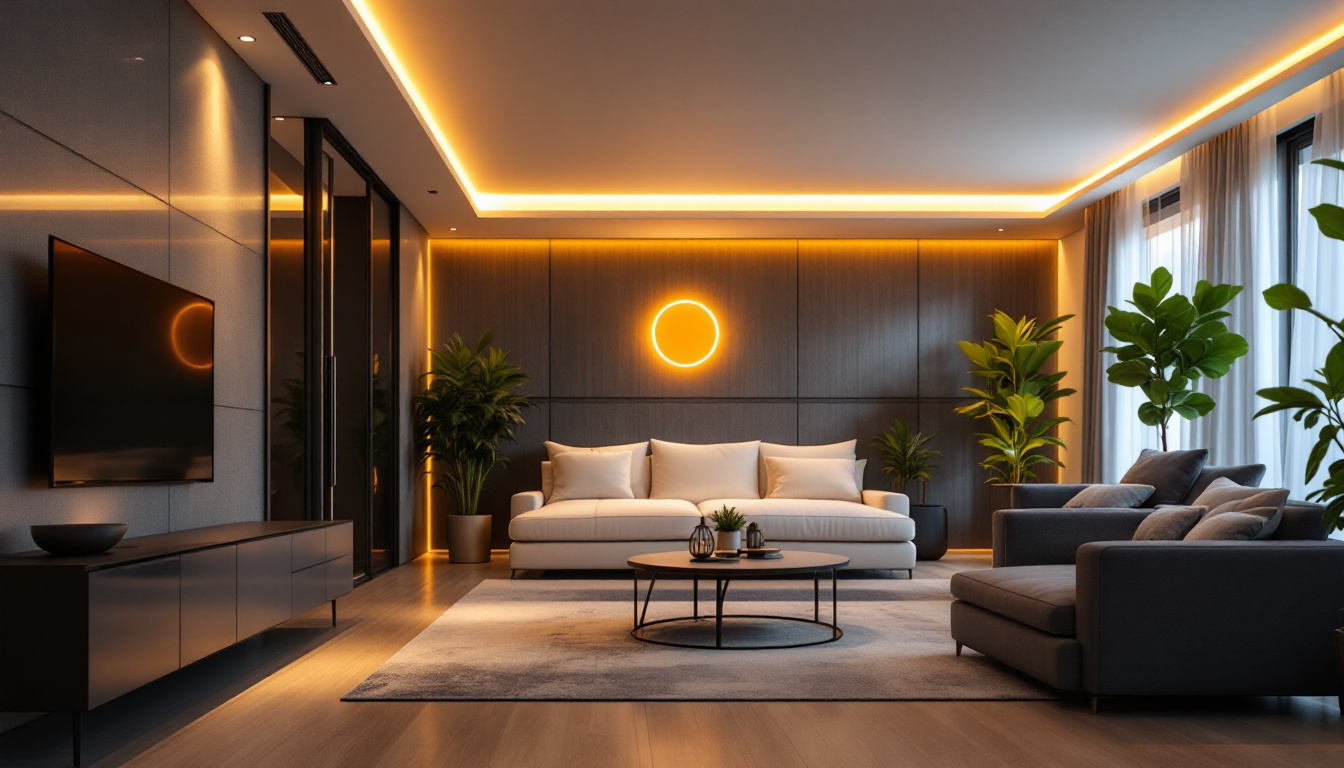
The atmosphere of a hotel is often the first impression guests receive. Thoughtful lighting choices can evoke feelings of warmth and luxury or create a sense of tranquility and relaxation. For instance, soft, warm lights in the lobby can make guests feel at home, while brighter, cooler tones in meeting rooms can enhance focus and productivity.
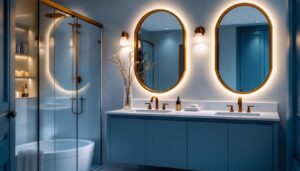
Additionally, the use of accent lighting can highlight architectural features or artwork, adding character and depth to the space. This attention to detail not only enhances the visual appeal but also reinforces the hotel’s brand identity. For example, a boutique hotel might use unique, artistic light fixtures that reflect its theme, creating a memorable experience that guests will associate with their stay. Furthermore, lighting can be adjusted throughout the day to reflect different moods; for instance, dimming the lights during the evening can create a cozy atmosphere for guests to unwind after a long day of travel.
Functional Considerations
Beyond aesthetics, lighting must also serve practical functions. In areas such as hallways, stairwells, and bathrooms, adequate illumination is crucial for safety and navigation. Poorly lit spaces can lead to accidents and discomfort, detracting from the overall guest experience.
Moreover, energy efficiency is a growing concern in the hospitality industry. Implementing smart lighting solutions, such as motion sensors and LED fixtures, can significantly reduce energy consumption while maintaining optimal lighting levels. This not only lowers operational costs but also aligns with sustainability goals, which are increasingly important to modern travelers. Hotels are now exploring innovative technologies like tunable white lighting, which allows for the adjustment of color temperature throughout the day, mimicking natural light patterns and promoting well-being. Additionally, incorporating natural light through large windows or skylights can enhance the guest experience, making spaces feel more open and inviting, while also reducing the reliance on artificial lighting during daylight hours.
Types of Lighting Used in Hotels
Hotels utilize various types of lighting to achieve their desired effects. Understanding these types can help lighting contractors make informed decisions during installations.
Ambient Lighting
Ambient lighting provides the general illumination needed to light a space uniformly. This type of lighting is essential in areas such as lobbies, restaurants, and corridors, where a welcoming and comfortable environment is paramount. Recessed lighting, chandeliers, and pendant lights are common choices for ambient lighting in hotels.
When designing ambient lighting, it is crucial to consider the color temperature and intensity. Warmer tones often create a more inviting atmosphere, while cooler tones can promote alertness and activity, making them suitable for different hotel areas. Additionally, the use of dimmable fixtures allows for flexibility in mood setting, enabling hotels to adjust the lighting based on the time of day or specific events, such as romantic dinners or lively gatherings.
Task Lighting
Task lighting is designed to facilitate specific activities, such as reading, working, or dining. In hotel rooms, bedside lamps and desk lamps are typical examples of task lighting. In restaurants, pendant lights over tables provide focused illumination for diners.
Effective task lighting should be adjustable and positioned to minimize glare while providing sufficient light for the intended activity. This ensures that guests can comfortably engage in their chosen tasks without straining their eyes. Furthermore, incorporating smart lighting solutions can enhance the functionality of task lighting, allowing guests to control brightness and color temperature through mobile apps or voice commands, thereby personalizing their experience.
Accent Lighting
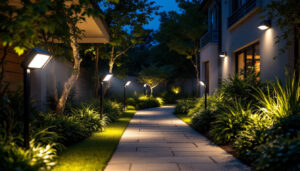
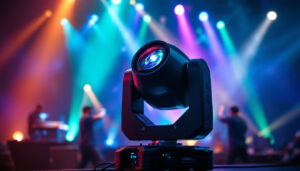
Accent lighting is used to draw attention to particular features or areas within a hotel. This could include highlighting artwork, architectural details, or landscaping. By using spotlights, wall sconces, or LED strips, contractors can create visual interest and enhance the overall design of the space.
Accent lighting not only adds depth to the environment but also contributes to the storytelling aspect of a hotel’s design. It can evoke emotions and create memorable experiences for guests, making them more likely to return. For instance, strategically placed accent lights can illuminate a stunning mural in the lobby or highlight a unique sculpture in the garden, transforming these elements into focal points that captivate visitors. Additionally, the use of colored accent lighting can set a specific mood or theme, further enriching the guest experience and aligning with seasonal decorations or events.
Challenges in Hotel Lighting Installations
While lighting installations in hotels can be rewarding, they also come with their own set of challenges. Understanding these challenges can help contractors navigate the complexities of hotel projects.
Balancing Aesthetics and Functionality
One of the primary challenges in hotel lighting installations is balancing aesthetics with functionality. While it is essential to create visually appealing spaces, the lighting must also serve practical purposes. This requires a careful selection of fixtures and placement to ensure that both goals are met.
For example, a beautifully designed chandelier may not provide adequate light for a dining area. In such cases, integrating additional sources of light, such as wall sconces or table lamps, can enhance both the aesthetic and functional aspects of the space.
Adapting to Different Spaces
Hotels encompass a wide range of spaces, each with its own unique lighting needs. From guest rooms to conference halls, the requirements can vary significantly. Lighting contractors must be adaptable and knowledgeable about different lighting techniques to cater to these diverse environments.
Moreover, understanding the specific activities that will take place in each space is crucial. For instance, a meeting room may require adjustable lighting for presentations, while a spa area may benefit from soft, calming lights to enhance relaxation.
Innovations in Hotel Lighting
As technology continues to evolve, so too does the landscape of hotel lighting. Innovations in this field are paving the way for more efficient, customizable, and immersive lighting experiences.
Smart Lighting Solutions
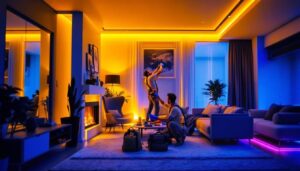
Smart lighting systems are revolutionizing the way hotels manage their lighting. These systems allow for remote control and automation, enabling hotel staff to adjust lighting levels based on occupancy or time of day. For instance, dimming lights in common areas during off-peak hours can save energy while maintaining a pleasant atmosphere.
Additionally, smart lighting can enhance guest experiences. For example, guests may have the option to control their room lighting through a mobile app, allowing them to set the mood according to their preferences. This level of personalization can significantly enhance guest satisfaction.
Energy-Efficient Lighting
With sustainability becoming a key focus in the hospitality industry, energy-efficient lighting solutions are more important than ever. LED lighting has emerged as a popular choice due to its long lifespan and low energy consumption. Hotels can reduce their carbon footprint and operational costs by transitioning to LED fixtures.
Furthermore, integrating natural light into hotel designs can also enhance energy efficiency. Large windows, skylights, and open layouts can maximize daylight, reducing the need for artificial lighting during the day. This not only conserves energy but also creates a more inviting atmosphere for guests.
Best Practices for Hotel Lighting Installations
To achieve successful lighting installations in hotels, contractors should adhere to best practices that ensure both quality and efficiency.
Conducting Thorough Assessments
Before beginning any lighting installation, it is crucial to conduct a thorough assessment of the space. This includes evaluating the existing lighting conditions, understanding the purpose of each area, and identifying any specific requirements or challenges. Engaging with hotel management and staff can provide valuable insights into their preferences and expectations.
By gathering this information upfront, contractors can develop a tailored lighting plan that meets the unique needs of the hotel while also aligning with its overall design aesthetic.
Collaborating with Designers and Architects
Collaboration is key in hotel lighting installations. Working closely with designers and architects can help ensure that the lighting complements the overall design vision. This collaborative approach allows for a more cohesive and harmonious integration of lighting elements into the space.
Additionally, involving designers early in the process can lead to innovative lighting solutions that enhance the hotel’s unique character. This teamwork can ultimately result in a more successful project that exceeds client expectations.
Staying Updated on Trends and Technologies
The lighting industry is constantly evolving, with new trends and technologies emerging regularly. Lighting contractors should stay informed about the latest developments to provide clients with the best possible solutions. This includes understanding advancements in energy-efficient lighting, smart technology, and design trends that can enhance the guest experience.
Attending industry conferences, participating in training sessions, and engaging with professional organizations can help contractors stay current and competitive in the ever-changing landscape of hotel lighting.
Conclusion
In conclusion, hotel lighting is a critical component of lighting installations that significantly impacts guest experiences and operational efficiency. By understanding the importance of various lighting types, addressing challenges, and embracing innovations, lighting contractors can create spaces that are not only functional but also visually captivating.
Implementing best practices, such as thorough assessments and collaboration with designers, ensures that lighting installations meet the unique needs of each hotel. As the hospitality industry continues to evolve, staying informed about trends and technologies will be essential for contractors looking to excel in this field.
Ultimately, effective hotel lighting is about striking the right balance between aesthetics and functionality, creating environments that leave a lasting impression on guests while enhancing the overall efficiency of hotel operations.
Illuminate Your Projects with LumenWholesale
Ready to elevate your hotel lighting installations with the perfect balance of aesthetics and functionality? Look no further than LumenWholesale for all your lighting needs. Our extensive selection of spec-grade lighting products ensures you have access to the highest quality options at wholesale prices that can’t be beaten. Say goodbye to inflated markups and hello to hassle-free bulk buying with free shipping. Don’t compromise on quality or value—choose LumenWholesale for reliable, high-performance lighting that enhances every guest experience. Wholesale Lighting at the Best Value is just a click away. Transform your lighting projects today!