Lighting contractors play a crucial role in ensuring that residential and commercial spaces are well-illuminated and aesthetically pleasing. One often overlooked aspect of this task is the selection and installation of cover plates for light fixtures. These seemingly minor components can significantly affect the overall look and functionality of lighting installations. Understanding how to master the use of cover plates can elevate a contractor’s work and enhance client satisfaction.
The Importance of Cover Plates
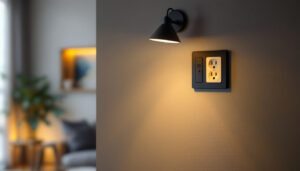
Cover plates serve as a protective barrier for electrical connections, ensuring safety and compliance with building codes. They also contribute to the overall aesthetic of light fixtures, providing a finished look that can either blend into the background or serve as a decorative element. For lighting contractors, choosing the right cover plate is essential for both functionality and design.
Safety and Compliance
One of the primary functions of cover plates is to ensure that electrical components are safely encased. This is vital for preventing accidental contact with live wires, which could lead to electrical shocks or short circuits. Additionally, many building codes require specific types of cover plates to be used in certain applications, making it imperative for contractors to stay informed about local regulations. The use of tamper-resistant cover plates is particularly important in residential settings, where children may be present. These specialized plates can help mitigate risks by preventing unauthorized access to electrical outlets, thereby promoting a safer environment for families.
Aesthetic Appeal
Cover plates come in a variety of styles, colors, and materials, allowing contractors to match them with existing decor or create a striking contrast. A well-chosen cover plate can enhance the overall design of a room, making it feel more cohesive and thoughtfully designed. Contractors should consider the aesthetic implications of their choices, as clients often appreciate the attention to detail. Furthermore, innovative designs such as customizable cover plates allow homeowners to express their personal style, turning a functional item into a unique piece of art. From sleek metal finishes to vibrant colors and textures, the options available today can transform ordinary electrical fixtures into statement pieces that elevate the entire space.
Durability and Maintenance
In addition to safety and aesthetics, the durability of cover plates is a crucial factor that should not be overlooked. High-quality materials, such as stainless steel or reinforced plastics, can withstand wear and tear, ensuring that the cover plates remain functional and visually appealing over time. This is especially important in high-traffic areas or commercial settings where equipment is frequently used. Regular maintenance, such as cleaning and inspecting for damage, can prolong the life of cover plates and maintain their appearance. By investing in durable options, contractors can provide their clients with peace of mind, knowing that their installations will stand the test of time while continuing to meet safety standards.
Types of Cover Plates
Understanding the different types of cover plates available is essential for lighting contractors. Each type serves a unique purpose and is suited for specific applications. By familiarizing themselves with these options, contractors can make informed decisions that best meet their clients’ needs.
Standard Cover Plates
Standard cover plates are the most common type found in residential and commercial settings. Typically made from plastic or metal, they provide a simple and effective way to cover electrical boxes. Contractors should ensure that the size and shape of the cover plate match the electrical box to ensure a secure fit. Additionally, standard cover plates come in various colors and finishes, allowing contractors to choose options that blend seamlessly with the surrounding decor. This attention to detail not only enhances the aesthetic appeal but also ensures compliance with safety regulations.
Decorative Cover Plates
For clients looking to add a touch of elegance to their lighting fixtures, decorative cover plates are an excellent option. These plates often feature intricate designs, textures, or finishes that can elevate the overall look of the installation. When selecting decorative cover plates, contractors should consider the style of the room and the preferences of the client. For instance, a vintage-style home may benefit from ornate brass plates, while a modern space might call for sleek, minimalist designs. Furthermore, decorative cover plates can also serve as a statement piece, drawing attention to the lighting itself and enhancing the overall ambiance of the room.
Specialty Cover Plates
In some cases, specialty cover plates are necessary for unique applications. These may include plates designed for dimmer switches, multiple gang boxes, or even custom sizes for specific fixtures. Contractors should be prepared to source these specialty items, as they can significantly enhance the functionality and appearance of the lighting installation. Moreover, specialty cover plates can also include features such as built-in USB ports or integrated smart technology, catering to the growing demand for modern conveniences in home and office environments. As technology continues to evolve, staying informed about the latest innovations in cover plate options can provide contractors with a competitive edge in the market.
Choosing the Right Material
The material of a cover plate can impact both its durability and aesthetic appeal. Contractors must consider the environment in which the cover plate will be installed, as well as the preferences of the client. Here are some common materials used for cover plates:
Plastic
Plastic cover plates are lightweight, affordable, and easy to install. They are available in various colors and finishes, making them versatile for different applications. However, plastic may not be as durable as other materials, particularly in high-traffic areas or environments with extreme temperatures.
Metal
Metal cover plates, such as those made from stainless steel or aluminum, offer a more robust option. These plates are often used in commercial settings where durability is a priority. Metal cover plates can also provide a modern aesthetic, appealing to clients looking for a sleek and contemporary look.
Wood
For a warm and natural aesthetic, wood cover plates can be an excellent choice. They can be stained or painted to match existing decor, providing a seamless transition between fixtures and the surrounding environment. However, wood may not be suitable for all applications, particularly in areas prone to moisture.
Installation Tips for Lighting Contractors
Proper installation of cover plates is essential for both safety and aesthetics. Here are some tips for lighting contractors to ensure a successful installation:
Preparation is Key
Before installing cover plates, contractors should ensure that the electrical box is properly secured and that all wiring is correctly connected. This preparation will help prevent any issues during installation and ensure a clean finish. Additionally, reviewing the manufacturer’s instructions for the specific cover plate can provide valuable insights.
Use the Right Tools
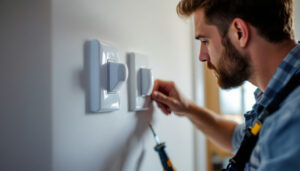
Having the right tools on hand can make the installation process smoother and more efficient. Essential tools may include a screwdriver, level, and possibly a drill for securing the cover plate. Using the appropriate tools will help achieve a professional finish and reduce the risk of damaging the cover plate or electrical box.
Check for Level and Alignment
After securing the cover plate, contractors should take a moment to check that it is level and properly aligned. An uneven cover plate can detract from the overall appearance of the installation and may lead to client dissatisfaction. A simple level can help ensure that the cover plate is installed correctly.
Common Mistakes to Avoid
Even experienced lighting contractors can make mistakes when it comes to cover plates. Being aware of common pitfalls can help ensure a successful installation every time.
Neglecting Safety Precautions
Safety should always be the top priority when working with electrical components. Contractors must ensure that power is turned off before beginning any installation work. Failing to do so can lead to serious accidents and injuries. Always double-check that the power is off before proceeding.
Choosing the Wrong Size
One of the most common mistakes is selecting a cover plate that does not fit the electrical box properly. A cover plate that is too small will leave gaps, while one that is too large may not sit flush against the wall. Contractors should measure the electrical box carefully and choose a cover plate that matches the dimensions.
Ignoring Client Preferences
While contractors may have their own design preferences, it is essential to consider the client’s tastes and requirements. Ignoring client preferences can lead to dissatisfaction and may harm the contractor’s reputation. Taking the time to discuss options with clients and incorporating their feedback can lead to a more successful outcome.
Trends in Cover Plates
As design trends evolve, so do the options available for cover plates. Staying informed about current trends can help lighting contractors offer modern solutions that appeal to clients.
Minimalist Designs
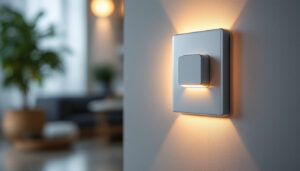
Minimalism continues to be a popular trend in interior design, and cover plates are no exception. Simple, clean lines and unobtrusive designs are favored, allowing the lighting fixtures themselves to take center stage. Contractors should consider offering minimalist options to clients looking for a contemporary aesthetic.
Smart Home Integration
With the rise of smart home technology, cover plates that accommodate smart switches and dimmers are becoming increasingly important. Contractors should familiarize themselves with the various smart home products available and ensure that they can provide compatible cover plates for these installations.
Eco-Friendly Materials
As sustainability becomes a priority for many homeowners, eco-friendly materials are gaining popularity in cover plate options. Contractors should explore options made from recycled or sustainably sourced materials to appeal to environmentally conscious clients.
Conclusion
Mastering the use of cover plates for light fixtures is an essential skill for lighting contractors. By understanding the importance of cover plates, the various types available, and the best practices for installation, contractors can enhance their work and provide clients with beautiful, safe, and functional lighting solutions. Staying informed about trends and client preferences will further elevate a contractor’s offerings, ensuring satisfaction and repeat business.
In the competitive field of lighting installation, attention to detail can set a contractor apart. By focusing on the often-overlooked aspect of cover plates, lighting contractors can demonstrate their expertise and commitment to quality, ultimately leading to greater success in their projects.
Get Premium Cover Plates at Wholesale Prices
Ready to elevate your lighting projects with the finest cover plates on the market? Look no further than LumenWholesale, where we offer an extensive selection of spec-grade lighting products, including a variety of cover plates to match any design preference. Our commitment to quality and affordability ensures that you can provide your clients with top-notch, safe, and stylish lighting solutions without breaking the bank. Say goodbye to inflated markups and hello to hassle-free bulk buying with free shipping. Don’t compromise on quality or value—Wholesale Lighting at the Best Value is just a click away. Enhance your professional lighting installations today with LumenWholesale.