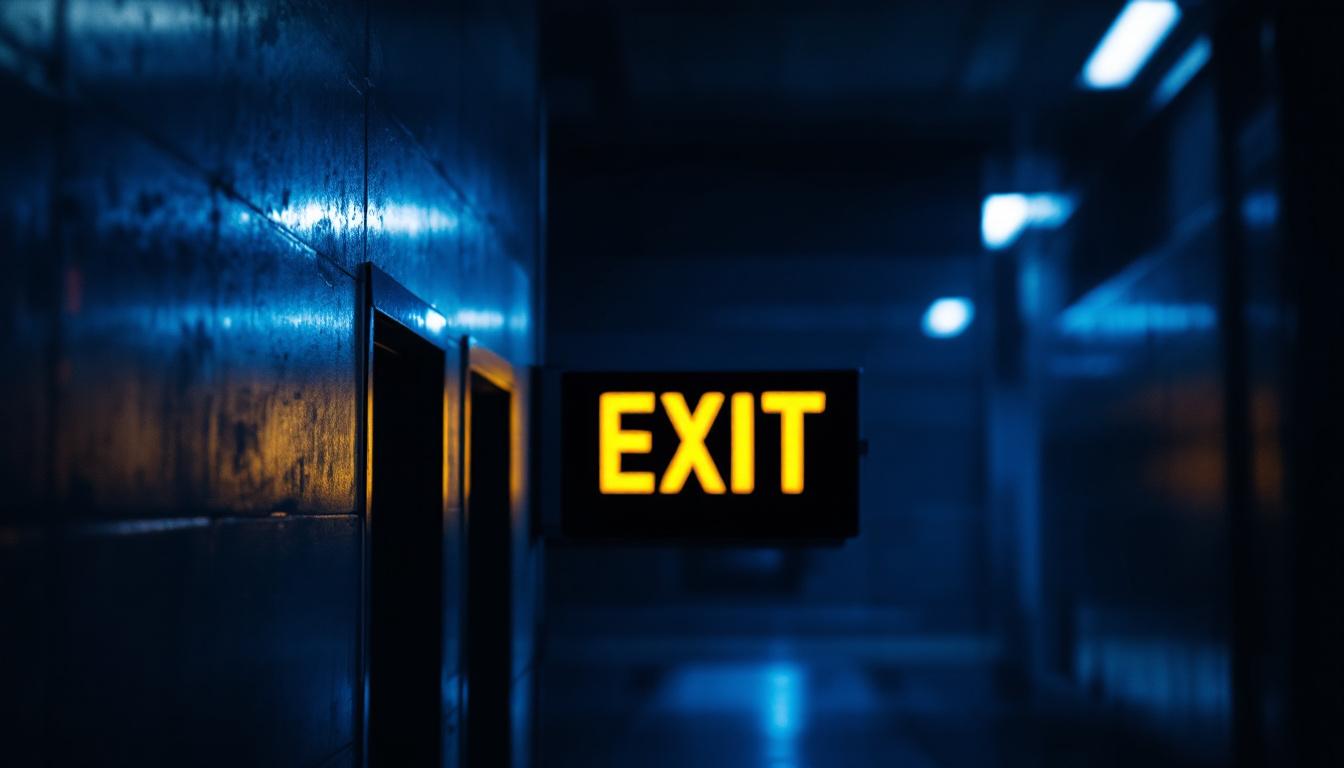
As the demand for safety and compliance in building design continues to grow, emergency lighting code requirements have become a crucial aspect of the lighting industry. For lighting contractors, understanding these codes is not just about adhering to regulations; it’s about ensuring the safety of occupants and enhancing the overall functionality of spaces. This article delves into the latest trends in emergency lighting code requirements that every lighting contractor should be aware of, helping to navigate the complexities of compliance while providing optimal solutions for clients.
Understanding Emergency Lighting Codes
Emergency lighting codes are designed to ensure that buildings are equipped with adequate lighting in case of an emergency, such as a power failure or evacuation situation. These codes are enforced by various regulatory bodies and can vary significantly depending on the location and type of building. Familiarity with these codes is essential for lighting contractors, as it not only affects project design but also impacts liability and insurance considerations. The importance of these codes cannot be overstated; they are fundamental in guiding the safety protocols that protect occupants during critical situations, ultimately saving lives and minimizing injuries.
The Role of the National Fire Protection Association (NFPA)
The National Fire Protection Association (NFPA) plays a pivotal role in establishing emergency lighting standards. One of the most significant documents produced by the NFPA is NFPA 101, also known as the Life Safety Code. This code outlines the minimum requirements for emergency lighting systems, including placement, duration, and performance criteria. Compliance with NFPA 101 ensures that emergency lighting is not only effective but also reliable, as it mandates regular testing and maintenance to confirm that systems are operational when needed most.
Lighting contractors must stay updated on any revisions to NFPA codes, as these changes can influence project specifications and installation practices. Compliance with NFPA standards not only ensures safety but also enhances the credibility of contractors in the eyes of clients and regulatory bodies. Furthermore, understanding these codes can provide contractors with a competitive edge, as they can offer informed recommendations to clients on how to best meet safety standards while also considering energy efficiency and sustainability in their lighting choices.
Local Codes and Regulations
In addition to national standards, local building codes and regulations can impose specific requirements for emergency lighting. These codes may dictate the type of fixtures to be used, the required illumination levels, and even the testing and maintenance protocols for emergency lighting systems. Local codes often reflect the unique environmental and architectural characteristics of a region, which means that contractors must be well-versed in local nuances to ensure full compliance.
Contractors should be proactive in researching and understanding local codes, as failing to comply can lead to costly rework and potential legal ramifications. Engaging with local building officials and attending community meetings can provide valuable insights into specific requirements that may not be widely known. Additionally, contractors may benefit from networking with other professionals in the industry, as sharing experiences and knowledge can lead to a deeper understanding of local regulations and best practices. This collaborative approach not only fosters a sense of community but also enhances the overall quality of emergency lighting installations across various projects.
Current Trends in Emergency Lighting
The landscape of emergency lighting is evolving, driven by advancements in technology and a growing emphasis on sustainability. Lighting contractors must be aware of these trends to remain competitive and provide clients with the best possible solutions.
Smart Emergency Lighting Systems
Smart technology is increasingly being integrated into emergency lighting systems. These systems can be monitored and controlled remotely, allowing for real-time diagnostics and performance tracking. This capability not only enhances safety but also simplifies maintenance and compliance with testing requirements.
For contractors, incorporating smart emergency lighting solutions can differentiate their services. Offering clients the ability to manage their lighting systems through a centralized platform can lead to increased efficiency and reduced operational costs. Furthermore, the integration of IoT (Internet of Things) technology allows for predictive maintenance, where potential issues can be identified before they become critical, ensuring that emergency lighting is always operational when needed.
Additionally, smart emergency lighting systems can be programmed to adapt to various scenarios, such as power outages or emergency evacuations, automatically adjusting to provide optimal illumination. This adaptability not only enhances safety but also contributes to a more streamlined emergency response, as first responders can rely on consistent and effective lighting during critical situations.
LED Technology in Emergency Lighting
LED technology has revolutionized emergency lighting, providing energy-efficient solutions that offer longer lifespans and lower maintenance costs. Many building codes now encourage or mandate the use of LED fixtures for emergency lighting applications due to their reliability and performance.
Contractors should familiarize themselves with the latest LED products designed specifically for emergency lighting. Understanding the benefits of these fixtures, such as their brightness, energy consumption, and battery life, will enable contractors to make informed recommendations to clients. Moreover, the versatility of LED technology allows for a range of design options, from sleek, modern fixtures to more traditional styles, ensuring that aesthetic considerations can be met without compromising safety.
In addition to their practical advantages, LED emergency lights often come with advanced features such as adjustable brightness levels and color temperature settings, which can be tailored to the specific needs of a space. This customization not only enhances the functionality of the lighting but also contributes to the overall ambiance of the environment, making it more inviting while still adhering to safety standards. As sustainability continues to be a priority, the long-term energy savings and reduced environmental impact of LED technology further solidify its role as a cornerstone of modern emergency lighting solutions.
Key Compliance Considerations
Compliance with emergency lighting codes involves more than just installation; it encompasses ongoing maintenance and testing. Lighting contractors must ensure that systems are not only compliant upon installation but remain functional throughout their lifespan.
Routine Testing and Maintenance
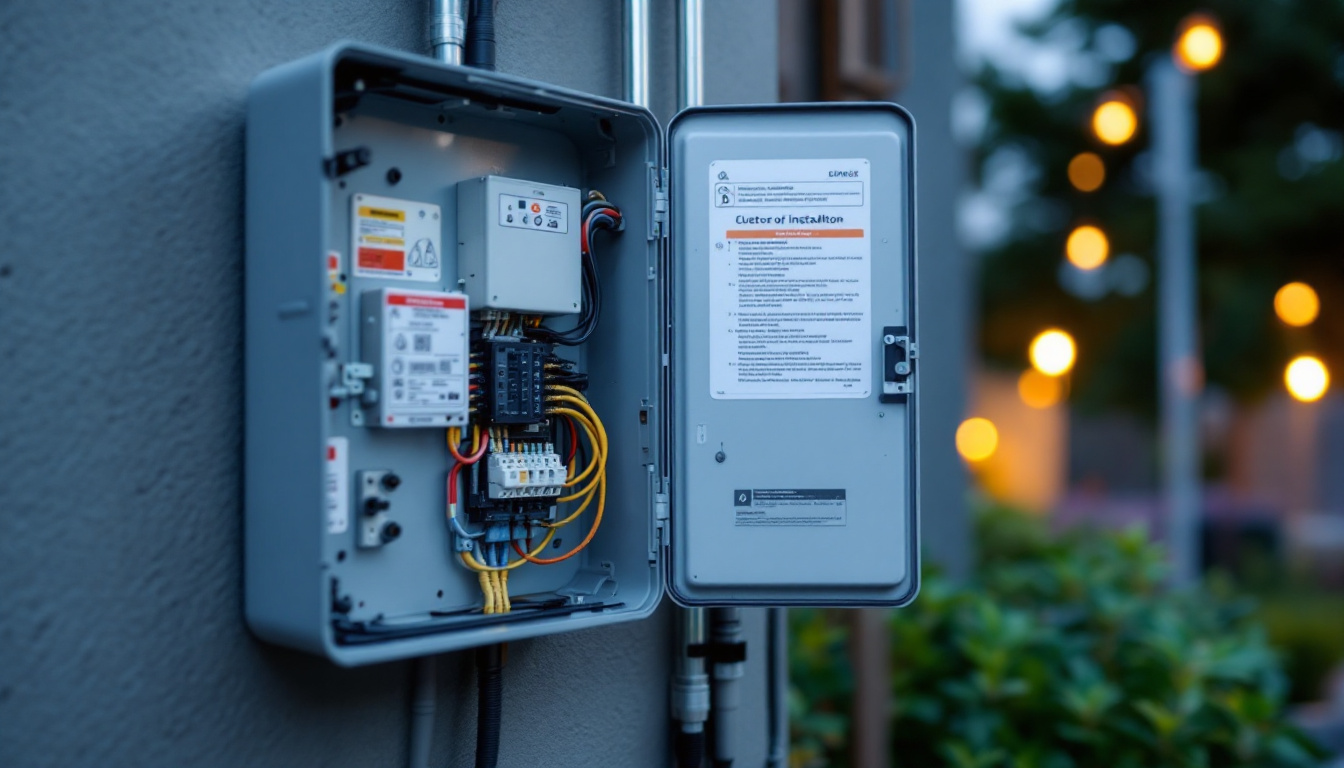
Most codes require regular testing of emergency lighting systems to ensure they function correctly during an emergency. This includes monthly functional tests and annual full-duration tests. Contractors should establish a maintenance schedule that aligns with these requirements, providing clients with documentation of compliance.
Educating clients about the importance of routine maintenance can also foster long-term relationships. By positioning themselves as knowledgeable partners, contractors can help clients navigate the complexities of compliance and enhance the safety of their facilities.
Documentation and Record Keeping
Proper documentation is critical for demonstrating compliance with emergency lighting codes. Contractors should maintain detailed records of installations, testing, and maintenance activities. This documentation can be invaluable during inspections and audits, providing evidence that systems are in good working order.
Implementing a systematic approach to record keeping can streamline this process. Utilizing digital tools for tracking and documenting compliance activities can save time and reduce the risk of errors.
Impact of Sustainability on Emergency Lighting
As sustainability becomes a priority for many organizations, the demand for environmentally friendly emergency lighting solutions is on the rise. Lighting contractors should be prepared to address these concerns by offering sustainable options that align with both regulatory requirements and client values.
Energy-Efficient Solutions
Energy-efficient emergency lighting systems not only help reduce operational costs but also contribute to a building’s overall sustainability goals. Many codes now incentivize or require the use of energy-efficient technologies, such as LED fixtures and solar-powered emergency lights.
Contractors should stay informed about the latest energy-efficient products and how they can be integrated into emergency lighting systems. This knowledge will enable them to provide clients with solutions that meet both safety and sustainability objectives.
Green Building Certifications
Many clients are pursuing green building certifications, such as LEED or BREEAM, which often include specific requirements for emergency lighting. Understanding how these certifications impact emergency lighting design and installation can position contractors as valuable resources for clients seeking to achieve their sustainability goals.
Contractors should familiarize themselves with the criteria associated with these certifications and be prepared to offer solutions that align with green building practices. This may include selecting materials and products that meet stringent environmental standards.
Future Directions in Emergency Lighting
The future of emergency lighting is likely to be shaped by ongoing technological advancements and evolving regulatory frameworks. Lighting contractors must remain agile and adaptable to these changes to ensure continued compliance and client satisfaction.
Integration with Building Management Systems
As buildings become smarter, the integration of emergency lighting systems with overall building management systems (BMS) is becoming more prevalent. This integration allows for centralized control and monitoring, enhancing the efficiency and effectiveness of emergency lighting solutions.
Contractors should explore how emergency lighting can be seamlessly integrated into existing BMS frameworks. Understanding the technical requirements for integration will enable contractors to offer comprehensive solutions that enhance overall building safety and performance.
Focus on User-Centric Design
In the future, there will be a greater emphasis on user-centric design in emergency lighting systems. This approach considers the needs and behaviors of building occupants, ensuring that emergency lighting is intuitive and effective in guiding individuals to safety.
Contractors can play a key role in advocating for user-centric designs by collaborating with architects and building owners. By understanding how occupants interact with spaces during emergencies, contractors can help create lighting solutions that enhance safety and minimize confusion.
Conclusion
Emergency lighting code requirements are an essential aspect of building safety and compliance that lighting contractors must navigate with expertise. By staying informed about current trends, compliance considerations, and future directions, contractors can position themselves as leaders in the field.
Understanding the evolving landscape of emergency lighting not only enhances the safety of buildings but also contributes to the overall success of lighting contractors in a competitive market. By embracing new technologies, sustainability practices, and user-centric designs, contractors can provide clients with innovative solutions that meet their needs and exceed regulatory requirements.
In this dynamic environment, continuous education and proactive engagement with industry standards will be key to thriving as a lighting contractor. The commitment to safety, compliance, and innovation will ultimately lead to better outcomes for both contractors and the communities they serve.
Get Your Emergency Lighting Supplies at LumenWholesale
Ready to elevate your emergency lighting projects with the latest trends and code-compliant solutions? Look no further than LumenWholesale. We provide lighting contractors with an extensive selection of top-quality, spec-grade lighting products at unbeatable wholesale prices. With LumenWholesale, you can trust that you’re getting reliable, high-performance lighting that meets the highest industry standards, all while enjoying the convenience of bulk buying with free shipping. Don’t let inflated markups affect your bottom line. Choose the smart way to shop for your lighting needs and experience the perfect blend of quality, affordability, and convenience. Visit LumenWholesale today and secure the best value in wholesale lighting for your next project.