The world of lighting design and installation is undergoing a significant transformation, driven by technological advancements and evolving consumer preferences. At the heart of this evolution lies the lighting driver, a crucial component that is reshaping how lighting systems are designed, installed, and managed. This article explores the role of lighting drivers in modern lighting solutions, their benefits, and the future they promise for lighting contractors.
Understanding Lighting Drivers
Lighting drivers are devices that regulate the power supplied to LED lighting fixtures. They convert the electrical energy from the power source into a form that LEDs can use, ensuring optimal performance and longevity. The functionality of lighting drivers is essential for maintaining the efficiency and effectiveness of lighting systems. Without the proper driver, LED lights may flicker, dim, or fail prematurely, leading to increased maintenance costs and decreased satisfaction with the lighting solution.
Types of Lighting Drivers
There are two primary types of lighting drivers: constant current and constant voltage. Each type serves different applications and has unique characteristics. Understanding the differences between these drivers is crucial for selecting the right one for specific lighting projects.
Constant current drivers provide a steady flow of current to the LED, ensuring consistent brightness regardless of fluctuations in voltage. This is particularly beneficial for applications where uniformity is critical, such as in architectural lighting. By maintaining a constant current, these drivers help prevent color shifting and ensure that all LEDs in a series perform uniformly, which is vital in high-end installations where aesthetics are paramount.
On the other hand, constant voltage drivers supply a fixed voltage to the LED, allowing for flexibility in the number of fixtures that can be connected. This type is often used in residential applications where multiple lights are installed on the same circuit. With constant voltage drivers, homeowners can easily expand their lighting systems by adding more fixtures without worrying about the current draw exceeding the driver’s capacity, making them a popular choice for DIY enthusiasts looking to customize their lighting setups.
Key Features of Modern Lighting Drivers
Modern lighting drivers come equipped with advanced features that enhance their functionality. Dimming capabilities, for instance, allow for greater control over lighting levels, enabling users to create the desired ambiance in various settings. This feature is particularly appealing in commercial spaces, where lighting needs can change throughout the day. For instance, a restaurant may want bright lighting during dinner service but softer, more intimate lighting during late-night hours, and dimmable drivers make this transition seamless.
Moreover, many drivers now support smart technology integration, which allows for remote control and automation. This capability not only improves user convenience but also contributes to energy efficiency, as lighting can be adjusted based on occupancy or time of day. Smart lighting systems can be programmed to turn off when a room is unoccupied or to adjust brightness levels in response to natural light, significantly reducing energy consumption. Additionally, some modern drivers come with built-in sensors that detect ambient light levels, further optimizing energy use and enhancing the overall lighting experience.
The Importance of Energy Efficiency
As energy costs continue to rise and environmental concerns become more pressing, energy efficiency in lighting design is paramount. Lighting drivers play a pivotal role in achieving energy-efficient solutions.
Reducing Energy Consumption
By regulating the power supplied to LED fixtures, lighting drivers help minimize energy consumption. Efficient drivers can significantly reduce the amount of electricity used, leading to lower utility bills for both residential and commercial users.
In many cases, the use of high-quality drivers can also extend the lifespan of LEDs, further contributing to energy savings. When LEDs operate under optimal conditions, they not only consume less power but also require fewer replacements, reducing waste and the overall carbon footprint.
Meeting Regulatory Standards
Many regions have implemented stringent energy efficiency regulations for lighting products. Lighting drivers that comply with these standards are essential for contractors aiming to deliver compliant installations. Understanding the regulatory landscape can help contractors choose the right drivers for their projects, ensuring adherence to local codes and standards.
Moreover, energy-efficient lighting solutions often qualify for rebates and incentives, providing additional financial benefits for both contractors and clients. This makes the selection of appropriate lighting drivers not just a technical decision but also a strategic one.
Enhancing Design Flexibility
Lighting design is as much about aesthetics as it is about functionality. The flexibility offered by modern lighting drivers allows designers to explore innovative solutions that were previously unattainable.
Customizable Lighting Solutions
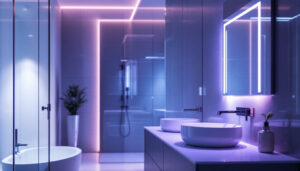
With the ability to control brightness and color temperature, lighting drivers enable the creation of customizable lighting solutions. This is particularly beneficial in environments such as retail spaces, where lighting can be tailored to highlight products and enhance customer experiences.
Furthermore, the integration of smart technology allows for dynamic lighting scenarios that can adapt to different events or times of day. For example, a restaurant might use warmer tones during dinner service and brighter, cooler tones during brunch, all controlled seamlessly through the lighting driver.
Architectural Integration
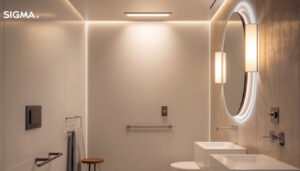
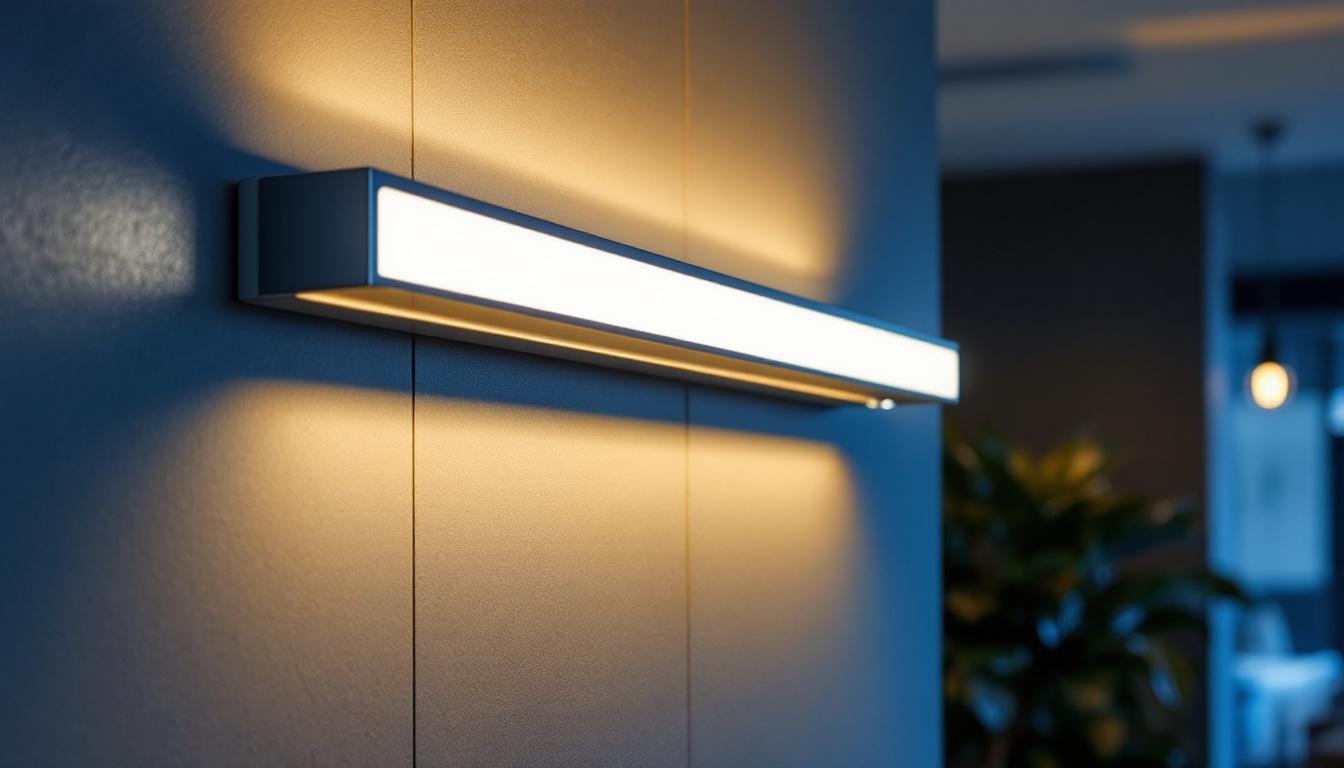
Lighting drivers also facilitate the integration of lighting systems into architectural designs. By allowing for low-profile installations and the use of various fixture types, they enable designers to create visually stunning environments without compromising on performance.
Incorporating lighting into architectural elements can enhance the overall aesthetic of a space, drawing attention to key features while providing functional illumination. The versatility of lighting drivers supports these creative applications, making them indispensable tools for modern lighting contractors.
The Role of Smart Technology
The rise of smart technology has revolutionized many industries, and lighting is no exception. Lighting drivers are increasingly being designed to work seamlessly with smart home systems and building management solutions.
Integration with Smart Home Systems
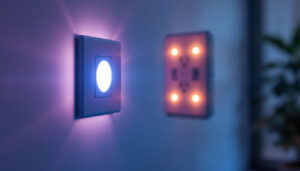
Smart home technology allows users to control their lighting remotely, set schedules, and even adjust lighting based on their preferences. Lighting drivers that support these features can enhance user experience and convenience.
For contractors, offering smart lighting solutions can be a significant selling point. Clients are often looking for ways to enhance their living spaces with modern technology, and the integration of smart lighting can provide them with a sense of control and customization.
Building Management Systems
In commercial settings, lighting drivers that connect to building management systems can optimize energy use across multiple spaces. These systems can monitor occupancy, adjust lighting levels accordingly, and even provide data analytics on energy consumption.
By leveraging these capabilities, contractors can help businesses reduce operational costs and improve sustainability efforts. This not only meets client demands but also positions contractors as forward-thinking professionals in the industry.
Challenges and Considerations
While the benefits of lighting drivers are substantial, there are challenges and considerations that contractors must keep in mind when selecting and installing these devices.
Compatibility Issues
One of the primary challenges contractors face is ensuring compatibility between lighting drivers and LED fixtures. Not all drivers work with every type of LED, and mismatched components can lead to performance issues or even damage.
Contractors must be diligent in researching and selecting drivers that are compatible with the specific fixtures being used. This requires a thorough understanding of both the technical specifications and the intended application of the lighting system.
Cost vs. Value
Another consideration is the balance between cost and value. While high-quality lighting drivers may come with a higher upfront cost, their benefits in terms of energy savings, longevity, and performance can far outweigh the initial investment.
Contractors should educate clients on the long-term advantages of investing in quality components. This can help justify the costs and position the contractor as a knowledgeable resource in the decision-making process.
The Future of Lighting Design and Installation
The future of lighting design and installation is bright, with lighting drivers at the forefront of this evolution. As technology continues to advance, the capabilities of lighting drivers will expand, offering even more possibilities for innovative designs and efficient installations.
Emerging Technologies
New technologies, such as IoT (Internet of Things) and AI (Artificial Intelligence), are poised to further enhance the functionality of lighting drivers. These advancements could lead to more intuitive lighting systems that learn user preferences and adjust automatically.
For contractors, staying informed about these emerging technologies will be crucial. Embracing innovation can provide a competitive edge and position contractors as leaders in the industry.
Sustainability and Environmental Impact
As sustainability becomes a focal point for many consumers and businesses, lighting drivers that support eco-friendly practices will be in high demand. Solutions that reduce energy consumption and minimize waste will not only meet regulatory requirements but also align with the values of environmentally conscious clients.
Contractors who prioritize sustainable practices and offer energy-efficient solutions will likely find a growing market for their services. This shift towards sustainability is not just a trend; it represents a fundamental change in how lighting is approached in design and installation.
Conclusion
Lighting drivers are more than just technical components; they are integral to the future of lighting design and installation. By understanding their functionality, benefits, and the challenges they present, lighting contractors can leverage these devices to create innovative, efficient, and sustainable lighting solutions.
As the industry continues to evolve, embracing the advancements in lighting driver technology will be essential for contractors looking to stay ahead of the curve. With a focus on energy efficiency, design flexibility, and smart technology integration, the future of lighting is not only bright but also full of exciting possibilities.
Discover Unmatched Value with LumenWholesale
Ready to elevate your lighting projects with the latest driver technology and smart lighting solutions? Look no further than LumenWholesale, where we offer an exceptional range of high-quality, spec-grade lighting products at wholesale prices that simply can’t be beaten. Say goodbye to inflated markups and hello to superior performance and reliability for every installation. Plus, with free shipping on bulk orders, you can enjoy the ultimate convenience and cost savings. Don’t settle for less—choose LumenWholesale for the perfect blend of quality, affordability, and service. Wholesale Lighting at the Best Value is just a click away.