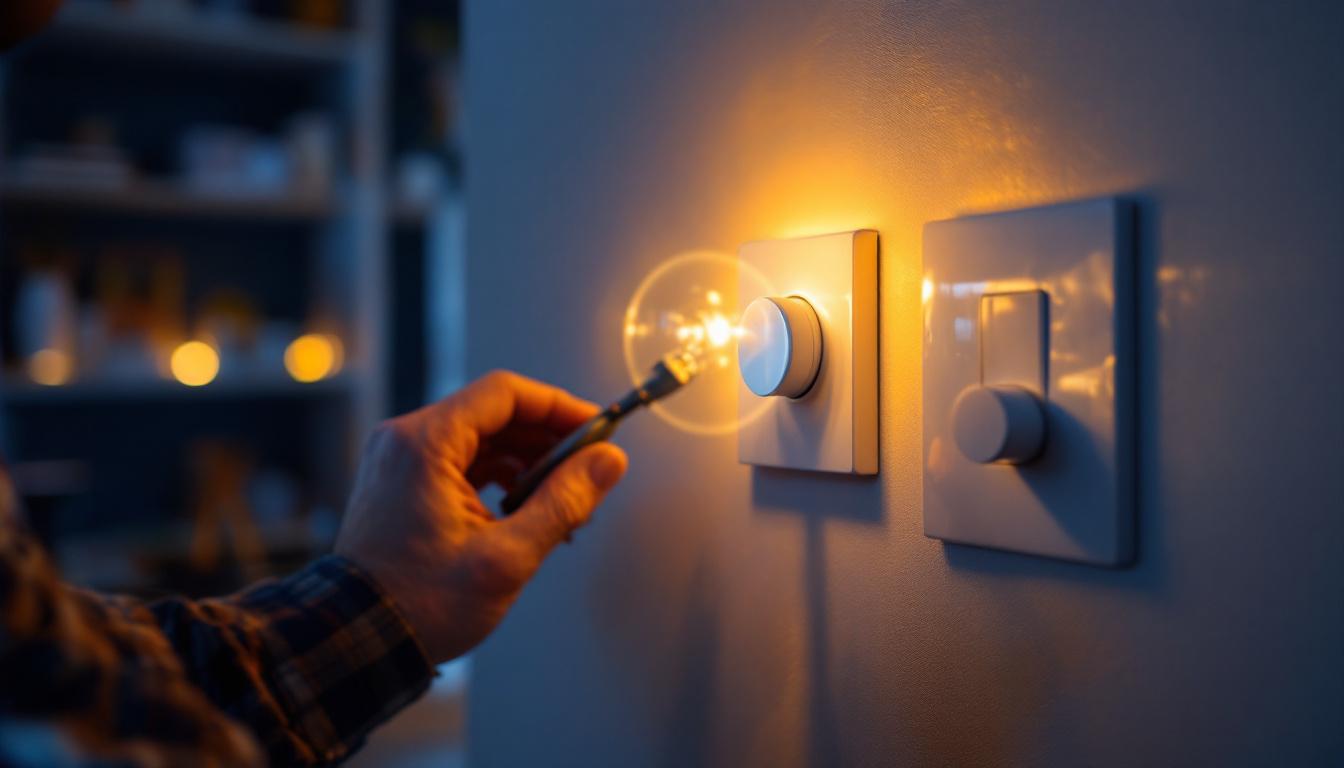
In the world of lighting design and installation, dimmer switches play a crucial role in enhancing both functionality and ambiance. For lighting contractors, understanding the mechanics of dimmer switches is essential for providing clients with optimal lighting solutions. This article dives into the workings of dimmer switches, their types, installation processes, and troubleshooting tips, ensuring that contractors are well-equipped to handle any dimming project.
The Basics of Dimmer Switches
Dimmer switches are devices that allow users to adjust the brightness of lighting fixtures. Unlike standard switches that simply turn lights on or off, dimmers provide a range of light levels, enabling users to create the desired atmosphere in a space. This flexibility not only enhances comfort but also contributes to energy savings. By dimming lights when full brightness is unnecessary, users can significantly reduce their energy consumption, leading to lower electricity bills and a smaller carbon footprint.
How Dimmer Switches Function
At their core, dimmer switches control the amount of electrical current flowing to a light fixture. Traditional dimmers operate using a variable resistor, which adjusts the resistance in the circuit, thereby controlling the voltage and current supplied to the light. However, modern dimmers often utilize more sophisticated technology, such as solid-state devices, to achieve more precise control over light levels. These advancements have made dimmers more reliable and compatible with a wider range of lighting types.
When a dimmer is turned down, it reduces the voltage supplied to the light bulb, resulting in a lower brightness. Conversely, turning the dimmer up increases the voltage, brightening the light. This simple yet effective mechanism allows for a wide range of lighting options, from soft, ambient lighting to bright task lighting. Additionally, many dimmers now feature smooth fading capabilities, which can create a more gradual transition between light levels, enhancing the overall aesthetic of a space.
Types of Dimmer Switches
Lighting contractors should be familiar with various types of dimmer switches available on the market. Each type has its own unique features and applications, catering to different lighting needs. Understanding these options can help in selecting the right dimmer for a specific lighting project, ensuring optimal performance and user satisfaction.
- Incandescent and Halogen Dimmers: These are the most common types of dimmers, designed specifically for incandescent and halogen bulbs. They typically use a simple resistive dimming mechanism, which is effective but may waste some energy as heat.
- LED and CFL Dimmers: As energy-efficient lighting options become more popular, specialized dimmers for LED and CFL bulbs have emerged. These dimmers work by using electronic circuits to manage the lower wattage of these bulbs. It’s important to pair the correct dimmer with compatible bulbs to avoid flickering or buzzing.
- Smart Dimmers: With the rise of smart home technology, smart dimmers have gained popularity. These devices can be controlled via smartphone apps or voice commands, allowing for remote operation and enhanced customization. Many smart dimmers also integrate with home automation systems, enabling users to set schedules or adjust lighting based on their routines.
In addition to these types, there are also multi-location dimmers that allow control from multiple switches, perfect for larger rooms or hallways. Furthermore, some dimmers come with features like scene setting, where users can save specific lighting configurations for different activities, such as movie nights or dinner parties. This level of customization not only enhances convenience but also elevates the overall experience of a space, making it more functional and inviting.
Installation of Dimmer Switches
Installing dimmer switches can be a straightforward process for experienced lighting contractors. However, it is essential to follow best practices to ensure safety and functionality.
Preparation and Safety Precautions
Before beginning the installation, contractors should take necessary safety precautions. This includes turning off the power at the circuit breaker and using a voltage tester to confirm that the power is off. Wearing safety goggles and gloves can also help protect against potential hazards.
Additionally, it is crucial to review the manufacturer’s instructions for the specific dimmer being installed. Different models may have unique requirements or wiring configurations that must be adhered to for optimal performance. It is also beneficial to familiarize oneself with the local electrical codes, as these regulations can dictate specific installation practices that ensure compliance and safety.
Moreover, gathering all necessary tools beforehand—such as wire strippers, screwdrivers, and a drill—can streamline the installation process. Having a clear workspace and ensuring that all materials are within reach can minimize distractions and enhance focus during the installation.
Wiring the Dimmer Switch
The wiring process for a dimmer switch typically involves three wires: the line wire, load wire, and ground wire. The line wire carries power from the circuit breaker, the load wire connects to the light fixture, and the ground wire ensures safety by preventing electrical shocks.
To install the dimmer, the line wire is connected to the appropriate terminal on the dimmer switch, followed by the load wire. Finally, the ground wire is attached to the grounding terminal. After securing all connections, the dimmer switch can be mounted into the electrical box, and the faceplate can be installed. It is important to ensure that the wires are stripped to the correct length, as this can prevent poor connections that could lead to malfunction or even fire hazards.
Additionally, when selecting a dimmer switch, contractors should consider the type of bulbs being used. Some dimmers are designed specifically for LED, incandescent, or fluorescent lights, and using the wrong type can lead to performance issues. For instance, LED bulbs may require a compatible dimmer to function correctly, as traditional dimmers can cause flickering or buzzing sounds.
Testing the Installation
Once the dimmer switch is installed, it is vital to test its functionality. This involves turning the power back on at the circuit breaker and checking whether the dimmer operates smoothly across its entire range. Any flickering or inconsistent brightness may indicate a wiring issue or an incompatible bulb type.
If problems arise, revisiting the wiring connections and ensuring compatibility with the installed light fixtures can often resolve the issue. A thorough testing process ensures that clients receive a reliable and effective dimming solution. Furthermore, it is advisable to educate clients on the proper use of their new dimmer switch, including how to adjust settings for different moods or activities, which can enhance their overall experience with the lighting system.
Finally, documenting the installation process and any configurations made can be beneficial for future reference. This record can assist in troubleshooting potential issues down the line and provide valuable insights for similar projects. By taking these extra steps, contractors can ensure a high-quality installation that meets both safety standards and client satisfaction.
Common Issues and Troubleshooting
Even with proper installation, dimmer switches may encounter issues over time. Understanding these common problems and their solutions can save contractors time and enhance client satisfaction.
Flickering Lights
Flickering lights can be a frustrating issue for clients. This problem often arises from incompatible bulbs, especially when using LED or CFL bulbs with older dimmer models. To address this, contractors should recommend bulbs specifically designed for dimming and ensure that the dimmer is compatible with the bulb type.
Additionally, loose wiring connections can also cause flickering. Inspecting the wiring and ensuring all connections are secure can often resolve this issue.
Buzzing or Humming Sounds
Another common issue is the buzzing or humming noise that some dimmers produce, particularly when used with certain LED bulbs. This noise can be caused by the electronic components within the dimmer or the bulb itself. To mitigate this, contractors can recommend high-quality dimmable LED bulbs that are specifically designed to minimize noise.
If the problem persists, replacing the dimmer with a model that has a higher quality circuit design may be necessary. Clients should be informed about the potential for noise and the options available to minimize it.
Energy Efficiency and Benefits of Dimmer Switches
Dimmer switches not only enhance the aesthetic appeal of a space but also contribute to energy efficiency. By allowing users to adjust light levels according to their needs, dimmers can significantly reduce energy consumption.
Reducing Energy Consumption
When lights are dimmed, less electricity is used, leading to lower energy bills. This is particularly beneficial in spaces where lighting is frequently adjusted, such as living rooms, dining areas, or home theaters. By promoting energy-efficient practices, contractors can help clients save money while also reducing their carbon footprint.
Moreover, dimming lights can extend the lifespan of bulbs. By operating at lower wattages, bulbs experience less wear and tear, resulting in fewer replacements and reduced waste.
Enhancing Ambiance and Comfort
Beyond energy savings, dimmer switches allow for greater control over the ambiance of a space. Whether creating a cozy atmosphere for a dinner party or brightening a workspace for productivity, the ability to adjust lighting levels enhances comfort and usability.
Contractors should emphasize the versatility of dimmer switches to clients, showcasing how they can transform a space to meet various needs and preferences. This added value can be a significant selling point when discussing lighting solutions.
Conclusion
For lighting contractors, understanding how dimmer switches work is essential for providing clients with effective and efficient lighting solutions. From installation to troubleshooting, this knowledge equips contractors to tackle a variety of projects with confidence.
By staying informed about the latest dimming technologies and best practices, lighting contractors can enhance their services and deliver exceptional results. As the demand for customizable lighting solutions continues to grow, expertise in dimmer switches will remain a valuable asset in the lighting industry.
Ultimately, dimmer switches not only improve the functionality of lighting systems but also contribute to energy efficiency and user satisfaction. By mastering the intricacies of dimmer technology, lighting contractors can ensure that they meet the evolving needs of their clients in a dynamic market.
Get Your Dimmer Switches at LumenWholesale
Ready to elevate your lighting projects with the best dimmer switches on the market? Look no further than LumenWholesale, where we offer an extensive selection of high-quality, spec-grade lighting products at unbeatable wholesale prices. Say goodbye to inflated markups and hello to superior lighting solutions that meet the highest industry standards. With free shipping on bulk orders, you can stock up on reliable, high-performance dimmers and more, ensuring every project shines without breaking the bank. Discover the perfect blend of quality, affordability, and convenience. Visit LumenWholesale for Wholesale Lighting at the Best Value today and take the first step towards a brighter future for your clients.