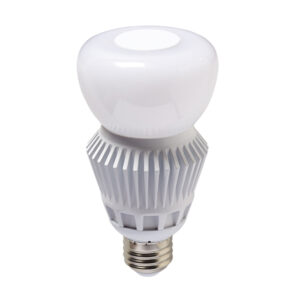
Lighting is an essential aspect of any space, whether residential or commercial. A flickering lamp can be more than just an annoyance; it often signifies underlying issues that need to be addressed. For lighting contractors, understanding the reasons behind flickering lamps is crucial for providing effective solutions to clients. This article explores the top challenges faced by lighting contractors when dealing with flickering lamps and offers insights into how to tackle these issues.
Understanding the Causes of Flickering Lamps
Flickering lamps can be a symptom of various problems, ranging from minor issues to significant electrical faults. Identifying the root cause is essential for effective troubleshooting. Some common reasons include loose connections, faulty bulbs, or issues with the electrical system itself.
Loose Connections
One of the most frequent causes of flickering lights is loose connections. Over time, wires can become disconnected, leading to intermittent power supply. This can occur at the light fixture, within the switch, or even in the circuit breaker panel. For lighting contractors, it is vital to inspect all connections thoroughly to ensure they are secure. A simple tightening of screws or re-terminating wires can often resolve the issue. Additionally, it is important to consider that environmental factors, such as temperature fluctuations or vibrations from nearby appliances, can exacerbate these loose connections, making regular maintenance checks even more crucial.
Faulty Bulbs
Another common culprit is the bulb itself. Incandescent bulbs may flicker as they near the end of their lifespan, while LED bulbs can sometimes exhibit flickering if they are incompatible with the existing dimmer switches. Contractors should educate clients on the importance of using compatible bulbs and recommend high-quality options to minimize flickering. Furthermore, it is worth noting that some LED bulbs are designed with built-in technology to prevent flickering, and investing in these options can provide a more stable lighting experience. Clients should also be informed about the benefits of energy-efficient bulbs, which not only reduce flickering but also lower energy costs over time.
Electrical System Issues
In some cases, flickering lights may indicate more serious electrical system issues. Problems such as overloaded circuits or voltage fluctuations can lead to inconsistent power supply. Lighting contractors should be prepared to conduct a thorough assessment of the electrical system to identify and rectify these issues. This may involve upgrading circuits or addressing load distribution to ensure a stable power supply. Additionally, it is essential to consider the age of the electrical system; older homes may have outdated wiring that is not equipped to handle modern electrical loads. In such cases, a comprehensive electrical upgrade may be necessary to ensure safety and reliability, providing peace of mind for homeowners.
Client Communication and Education
Effective communication with clients is crucial for lighting contractors dealing with flickering lamps. Many clients may not understand the technical aspects of lighting systems, leading to frustration when issues arise. Educating clients about potential causes and solutions can foster trust and enhance the contractor-client relationship. By taking the time to explain the intricacies of electrical circuits and the role of different components, contractors can demystify the process and empower clients with knowledge. This not only alleviates anxiety but also encourages clients to be proactive in their approach to lighting maintenance.
Setting Realistic Expectations
When addressing flickering lamps, it is essential to set realistic expectations with clients. Some issues may be resolved quickly, while others may require more extensive work. By clearly communicating the potential timeframes and costs involved, contractors can help clients feel more informed and less anxious about the process. Additionally, discussing the possibility of unforeseen complications can prepare clients for any unexpected developments, ensuring that they remain engaged and understanding throughout the service. This transparency not only builds confidence but also reinforces the contractor’s commitment to quality service.
Providing Maintenance Tips
In addition to addressing immediate concerns, contractors should provide clients with maintenance tips to prevent future flickering. Simple actions, such as regularly checking light fixtures and replacing bulbs promptly, can go a long way in maintaining a stable lighting environment. Offering ongoing support and advice can position contractors as trusted experts in their field. Furthermore, contractors might consider creating informative materials, such as brochures or digital guides, that outline best practices for lighting care. These resources can serve as valuable references for clients, ensuring they have the tools and knowledge necessary to maintain their lighting systems effectively. By fostering an ongoing dialogue about lighting maintenance, contractors can encourage clients to reach out with questions or concerns, further solidifying the relationship built on trust and expertise.
Technical Challenges in Diagnosis
Diagnosing the cause of flickering lamps can be challenging, especially in complex electrical systems. Lighting contractors must be equipped with the right tools and knowledge to effectively troubleshoot these issues. This section explores some of the technical challenges contractors may face.
Identifying Intermittent Issues
Intermittent flickering can be particularly difficult to diagnose, as it may not occur consistently. Contractors may need to conduct multiple inspections or monitor the system over time to identify patterns. Utilizing technology, such as voltage meters or oscilloscopes, can aid in pinpointing the source of the problem. Additionally, the use of data logging devices can provide valuable insights into the electrical performance over extended periods, allowing contractors to correlate flickering with specific times of day or operational loads. This method can significantly enhance the troubleshooting process, enabling contractors to identify not just the symptoms but also the underlying causes of the flickering.
Understanding Compatibility Issues
With the rise of energy-efficient lighting options, compatibility issues have become more prevalent. For instance, LED bulbs may not work well with older dimmer switches, leading to flickering. Contractors must stay informed about the latest products and technologies to provide clients with the best solutions. This may involve recommending specific products or upgrading existing fixtures to ensure compatibility. Furthermore, contractors should also consider the electrical load and circuit design, as mismatches in wattage or voltage can exacerbate flickering issues. Educating clients about the importance of using compatible components not only helps in resolving flickering but also enhances the overall efficiency and longevity of the lighting system. Understanding these nuances can set a contractor apart in a competitive market, as they can offer tailored solutions that address both immediate concerns and long-term performance.
Safety Considerations
Safety is paramount in the electrical industry, and flickering lamps can pose risks if not addressed promptly. Lighting contractors must prioritize safety in their work to protect both themselves and their clients. This section discusses key safety considerations when dealing with flickering lamps.
Electrical Hazards
Flickering lights may indicate underlying electrical hazards, such as short circuits or overloaded circuits. Contractors should always prioritize safety by turning off power to the affected area before conducting any inspections or repairs. Additionally, using proper personal protective equipment (PPE) is essential to minimize risks while working with electrical systems.
Educating Clients on Safety
Contractors should also take the opportunity to educate clients about safety considerations related to flickering lamps. Clients should be informed about the importance of addressing flickering promptly, as it may indicate potential fire hazards or electrical failures. Providing clients with safety tips can empower them to take action when issues arise.
Environmental Factors Affecting Lighting
Environmental factors can also play a significant role in the performance of lighting systems. Understanding these factors can help lighting contractors diagnose and address flickering issues more effectively.
Temperature Fluctuations
Extreme temperature fluctuations can impact the performance of lighting fixtures. For instance, cold temperatures can cause certain types of bulbs to flicker or dim. Lighting contractors should consider the environmental conditions when assessing flickering lamps and recommend suitable lighting solutions for specific environments.
Moisture and Humidity
Moisture and humidity can also affect lighting performance, particularly in outdoor or high-humidity environments. Contractors should ensure that fixtures are rated for the specific conditions in which they are installed. Proper sealing and weatherproofing can help prevent flickering caused by moisture ingress.
Advanced Solutions for Persistent Issues
In some cases, flickering lamps may persist despite troubleshooting efforts. For lighting contractors, this can be frustrating, but there are advanced solutions available to address persistent issues.
Upgrading Electrical Systems
When flickering is caused by outdated electrical systems, upgrading may be the best solution. This could involve replacing old wiring, circuit breakers, or even the entire electrical panel. While this may require a significant investment, it can lead to improved performance and safety in the long run.
Implementing Smart Lighting Solutions
Smart lighting technology offers an innovative approach to addressing flickering issues. By integrating smart lighting systems, contractors can provide clients with greater control over their lighting environments. These systems can help manage power usage, reduce flickering, and enhance overall efficiency. Educating clients about the benefits of smart lighting can also position contractors as forward-thinking professionals in the industry.
Conclusion
Flickering lamps can present a range of challenges for lighting contractors, from diagnosing the root cause to addressing safety concerns. By understanding the various factors that contribute to flickering and effectively communicating with clients, contractors can provide valuable solutions that enhance the overall lighting experience. Whether through simple repairs, advanced upgrades, or the implementation of smart technology, lighting contractors play a crucial role in ensuring that clients enjoy consistent and reliable lighting in their spaces.
Illuminate Your Projects with LumenWholesale
Don’t let flickering lamps compromise your projects. At LumenWholesale, we provide lighting contractors with the high-quality, spec-grade lighting products you need to tackle any challenge. Our wholesale prices mean you get the best value without the middleman markups, and our commitment to quality ensures your lighting solutions are reliable and efficient. With free shipping on bulk orders, you can stock up on superior lighting products and pass the savings onto your clients. Ready to enhance your lighting game? Visit LumenWholesale for Wholesale Lighting at the Best Value and make flickering lamps a thing of the past.