Lighting contractors face a myriad of challenges when working on outdoor electrical installations. One of the most significant concerns is ensuring that outdoor electrical socket covers are properly installed and maintained. These covers play a crucial role in protecting electrical outlets from the elements, but they also present a range of challenges that contractors must navigate. This article delves into the top challenges faced by lighting contractors regarding outdoor electrical socket covers, providing insights and solutions to enhance their work efficiency.
Understanding the Importance of Outdoor Electrical Socket Covers
Outdoor electrical socket covers serve as a barrier against moisture, dirt, and debris, which can compromise the safety and functionality of electrical outlets. Without proper protection, outlets can become hazardous, leading to electrical failures or even accidents. For lighting contractors, understanding the significance of these covers is the first step in addressing the challenges they encounter.
Moreover, these covers are essential for compliance with electrical codes and regulations. Many jurisdictions require specific types of covers for outdoor outlets to ensure safety and reliability. Familiarity with these regulations is vital for contractors to avoid penalties and ensure that their installations are up to standard. Additionally, adhering to these codes not only protects the contractor from legal repercussions but also fosters trust with clients, who rely on professionals to ensure their homes and businesses are safe and up to code.
Types of Outdoor Electrical Socket Covers
There are various types of outdoor electrical socket covers designed to meet different needs. Some are equipped with weatherproof features, while others may have locking mechanisms to prevent unauthorized access. Understanding the differences between these types is crucial for selecting the right cover for specific installations.
Weatherproof covers, for instance, are designed to withstand harsh environmental conditions, including rain, snow, and extreme temperatures. Meanwhile, locking covers provide an added layer of security, making them ideal for public spaces or areas prone to vandalism. Lighting contractors must assess the environment and intended use of the outlet to choose the most appropriate cover. Furthermore, some covers come with built-in GFCI (Ground Fault Circuit Interrupter) protection, which is especially beneficial in areas where water exposure is a concern, as they can help prevent electrical shock hazards.
Common Installation Challenges
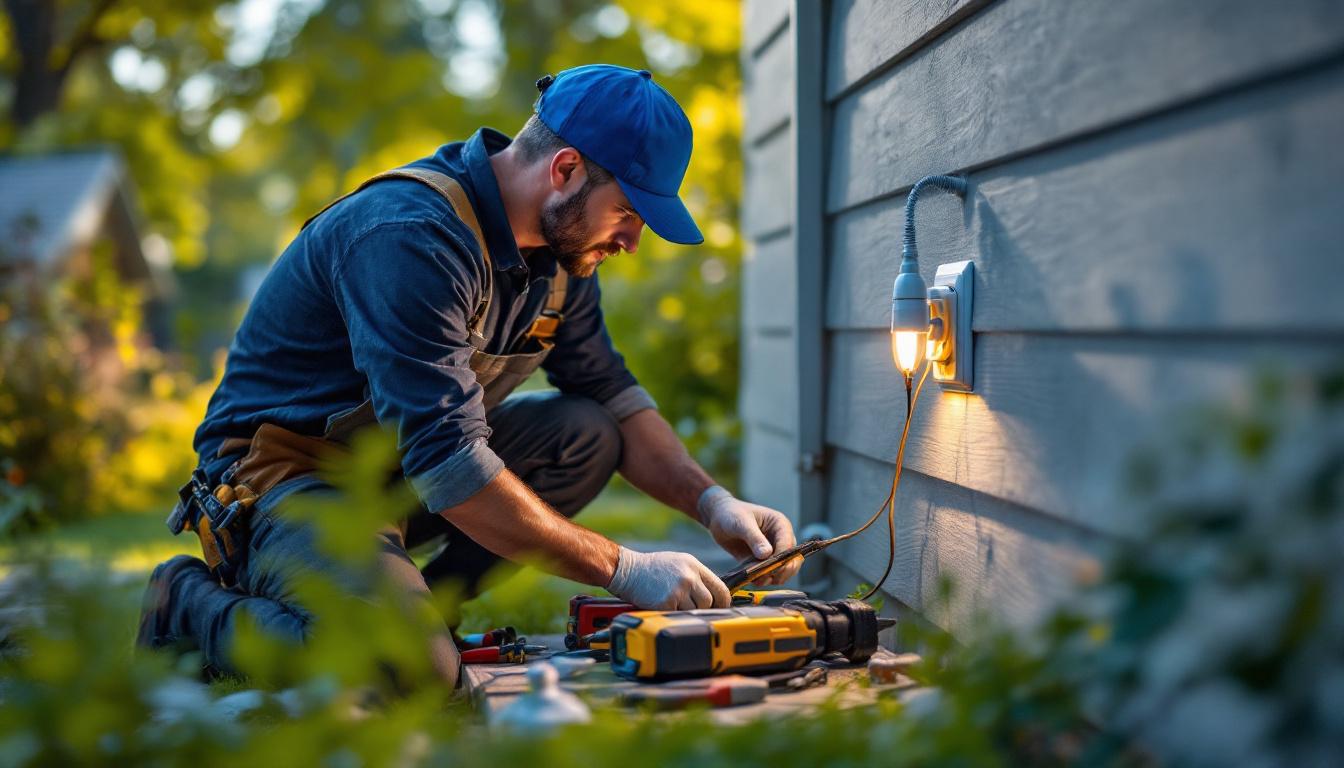
Installation of outdoor electrical socket covers can be fraught with challenges. One common issue is ensuring a watertight seal. If the cover is not installed correctly, moisture can seep in, leading to corrosion and electrical failures. Contractors must be meticulous in their installation process, using appropriate sealing materials and techniques to prevent leaks.
Another challenge is the compatibility of the cover with existing outlets. In some cases, older outlets may not accommodate newer cover designs, requiring additional modifications or replacements. This can add time and costs to a project, which contractors must factor into their planning and budgeting. Additionally, the positioning of the outlet can complicate installation; for example, outlets placed in hard-to-reach areas may require specialized tools or techniques to ensure a secure fit. Contractors should also consider the potential for future maintenance, as ease of access can significantly impact the longevity and reliability of the installation.
Weather Conditions and Their Impact
Weather conditions can significantly affect the performance and longevity of outdoor electrical socket covers. Lighting contractors must consider local climate factors when selecting and installing these covers. For instance, areas with high humidity may require more robust covers to prevent moisture-related issues. In regions prone to heavy rainfall or snow, the design of the socket covers should also incorporate drainage features to prevent water accumulation, which can lead to corrosion and electrical failures over time.
Additionally, extreme temperatures can impact the materials used in socket covers. Plastic covers may become brittle in cold weather, while heat can cause them to warp. Understanding these material properties is essential for contractors to ensure that the covers will perform well throughout their lifespan. Moreover, ultraviolet (UV) exposure can degrade certain materials, leading to discoloration and loss of structural integrity. Therefore, selecting covers that are UV-resistant can prolong their usability in sunny climates, ensuring they remain functional and aesthetically pleasing.
Material Selection for Durability
Choosing the right materials for outdoor electrical socket covers is critical for durability and performance. Common materials include plastic, metal, and rubber, each with its advantages and disadvantages. Plastic covers are lightweight and resistant to corrosion, but they may not withstand extreme temperatures as well as metal options. Furthermore, some plastics can be treated with additives to enhance their resistance to UV rays, making them suitable for prolonged outdoor use.
Metal covers, on the other hand, offer greater strength and durability but can be prone to rust if not properly coated. Stainless steel and aluminum are popular choices due to their inherent resistance to corrosion, especially in coastal areas where salt exposure is a concern. Rubber covers provide excellent weather resistance but may not be as secure as other materials. They are often used in environments where flexibility and shock absorption are necessary, such as in areas subject to heavy foot traffic. Lighting contractors must weigh these factors carefully to select the best material for each specific application, considering not just the immediate environment but also the long-term implications of material degradation.
Compliance with Electrical Codes
Compliance with electrical codes is a non-negotiable aspect of any electrical installation. Outdoor electrical socket covers must meet specific standards to ensure safety and reliability. Failure to comply can result in fines, project delays, and even legal liabilities. In addition to adhering to local codes, contractors should also be aware of industry best practices that may go beyond minimum requirements, enhancing the overall safety and performance of installations.
Contractors should stay informed about local and national electrical codes regarding outdoor installations. This includes understanding the specifications for cover types, installation methods, and grounding requirements. Regular training and updates on code changes can help contractors remain compliant and avoid potential pitfalls. Engaging with professional organizations and attending workshops can also provide valuable insights into emerging technologies and materials that align with evolving standards, ensuring that contractors are not only compliant but also at the forefront of industry advancements.
Security Concerns for Outdoor Outlets
Outdoor electrical outlets can be vulnerable to tampering and unauthorized use. For lighting contractors, ensuring the security of these outlets is a significant concern. Unsecured outlets can lead to safety hazards and increased liability for contractors.
To mitigate these risks, contractors can opt for covers with locking mechanisms or tamper-resistant features. These options provide an additional layer of security, particularly in public or high-traffic areas. Educating clients about the importance of securing outdoor outlets can also help in promoting safer practices.
Educating Clients on Proper Use
Client education is an essential aspect of ensuring the longevity and safety of outdoor electrical installations. Lighting contractors should take the time to explain the importance of using outdoor electrical socket covers correctly. This includes demonstrating how to open and close the covers properly and emphasizing the need for regular inspections.
Providing clients with maintenance tips can also enhance the lifespan of the covers and the outlets themselves. Simple advice, such as keeping the area around the outlet clear of debris and inspecting for wear and tear, can go a long way in preventing future issues.
Addressing Vandalism and Theft
Vandalism and theft are unfortunate realities for outdoor electrical installations, particularly in public spaces. Lighting contractors must consider how to protect outdoor outlets from these risks. In addition to using secure covers, contractors can also recommend installing surveillance cameras or motion-activated lights to deter potential vandals.
Furthermore, selecting covers that are resistant to tampering can help minimize the risk of theft. Educating clients about the importance of security measures can foster a proactive approach to protecting their installations.
Maintenance Challenges for Outdoor Electrical Socket Covers
Even with proper installation, outdoor electrical socket covers require regular maintenance to ensure their effectiveness. Lighting contractors must be prepared to address maintenance challenges to keep outdoor outlets in optimal condition.
One common maintenance issue is the buildup of dirt and debris, which can hinder the functionality of the covers. Regular cleaning is essential to prevent blockages and ensure that the covers open and close smoothly. Contractors should advise clients on the best cleaning methods and schedules to maintain their outdoor outlets effectively.
Seasonal Maintenance Considerations
Seasonal changes can impact the maintenance needs of outdoor electrical socket covers. For instance, in areas with heavy snowfall, contractors may need to recommend additional measures to protect outlets from ice and snow accumulation. Conversely, in warmer climates, dust and sand can pose challenges that require regular cleaning.
Contractors should create seasonal maintenance checklists for clients, outlining specific tasks to perform throughout the year. This proactive approach can help prevent larger issues from developing and extend the lifespan of the electrical installations.
Identifying Wear and Tear
Over time, outdoor electrical socket covers may experience wear and tear due to exposure to the elements. Lighting contractors must be vigilant in identifying signs of damage, such as cracks, discoloration, or difficulty in opening and closing the covers. Regular inspections can help catch these issues early, preventing more extensive repairs down the line.
Educating clients on what to look for can empower them to take an active role in maintaining their outdoor electrical installations. Providing clear guidelines on when to call for professional assistance can also enhance safety and functionality.
Conclusion: Navigating Challenges for Success
Outdoor electrical socket covers are a critical component of safe and effective outdoor electrical installations. For lighting contractors, understanding the challenges associated with these covers is essential for delivering high-quality work. From installation and compliance to maintenance and security, each aspect presents unique challenges that require careful consideration.
By staying informed about the latest materials, codes, and best practices, lighting contractors can navigate these challenges successfully. Educating clients and promoting proactive maintenance can further enhance the longevity and safety of outdoor electrical installations. Ultimately, addressing these challenges head-on not only improves project outcomes but also fosters trust and satisfaction among clients.
Get Your Premium Lighting Supplies at LumenWholesale
Ready to overcome the challenges of outdoor electrical socket covers and elevate your lighting projects? Look no further than LumenWholesale for a comprehensive range of spec-grade lighting products that promise quality, affordability, and convenience. Our direct-to-contractor approach ensures you receive the best value without the extra markups. Plus, with free shipping on bulk orders, you can stock up on all the durable and reliable lighting supplies you need. Take advantage of our exceptional selection and wholesale prices today by visiting Wholesale Lighting at the Best Value and make your next lighting project a shining success.