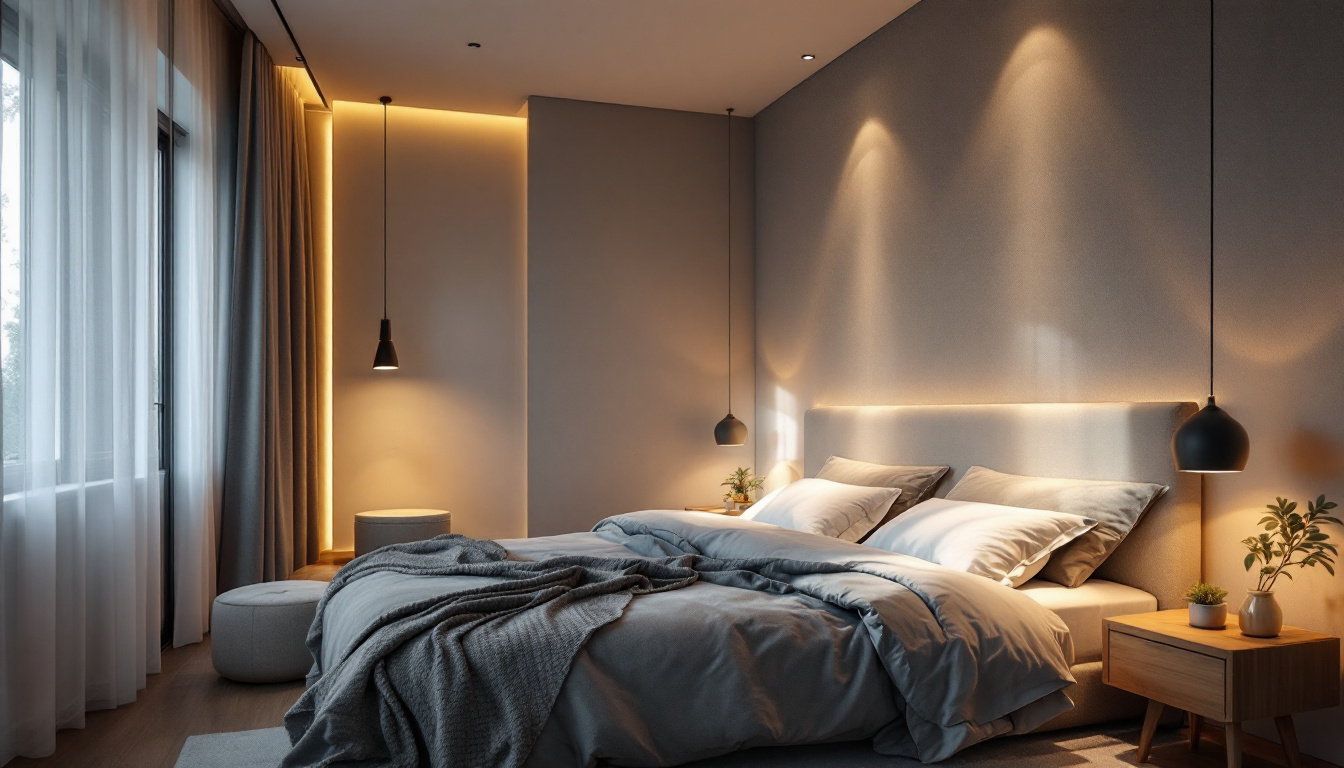
Lighting plays a crucial role in enhancing the aesthetics and functionality of any space. For lighting contractors, understanding the nuances of color lighting is essential to deliver exceptional results to clients. This article explores key tips that can help contractors navigate the complexities of color lighting, ensuring they create vibrant and harmonious environments.
Understanding Color Theory
At the heart of effective color lighting lies a solid understanding of color theory. This foundational knowledge helps contractors make informed decisions when selecting lighting options that will complement the intended design of a space. With the right color choices, lighting can transform an ordinary room into an extraordinary environment, enhancing both aesthetics and functionality.
The Color Wheel
The color wheel is a vital tool in understanding how colors interact with one another. It consists of primary, secondary, and tertiary colors, which can be used to create various color schemes. Familiarity with the color wheel allows contractors to choose lighting that enhances or contrasts with existing colors in a room. Understanding these relationships is not just about aesthetics; it also involves psychological implications, as colors can evoke specific emotions and responses from individuals.
For instance, complementary colors—those opposite each other on the wheel—can create a vibrant look when used together. In contrast, analogous colors—those next to each other—tend to produce a more harmonious and soothing effect. By leveraging these relationships, contractors can enhance the visual appeal of any space. Additionally, the use of accent lighting can further emphasize these color schemes, drawing attention to particular features or artwork, thereby enriching the overall experience of the environment.
Color Temperature and Its Impact
Color temperature, measured in Kelvin (K), significantly influences the mood and functionality of a space. Warm light (below 3000K) creates a cozy and inviting atmosphere, ideal for residential settings. In contrast, cool light (above 4000K) is often preferred in commercial spaces, promoting alertness and productivity. The choice of color temperature can also affect how colors appear in a room; for example, warm light can make colors seem richer and more vibrant, while cool light may wash out certain hues, making them appear duller.
Contractors should consider the purpose of the space when selecting color temperature. For example, a restaurant may benefit from warm lighting to create an intimate dining experience, while a modern office might require cooler tones to enhance focus and efficiency. Moreover, the integration of adjustable lighting systems allows for flexibility in color temperature, enabling spaces to transition from day to night seamlessly. This adaptability can be particularly beneficial in multi-functional spaces, where the lighting needs may change throughout the day, enhancing both comfort and usability for occupants.
Choosing the Right Fixtures
The selection of lighting fixtures is critical in achieving the desired color effects. The type of fixture can influence how colors are perceived in a space, making it essential for contractors to choose wisely.
LED vs. Incandescent
LED lights have gained popularity due to their energy efficiency and longevity. They come in various color temperatures and can be dimmed to create different effects. However, the quality of light can vary significantly between brands, so contractors should opt for high-quality LED products that offer accurate color rendering.
On the other hand, incandescent bulbs provide a warm glow that many find appealing. They are often favored in residential settings for their ability to render colors beautifully. However, their energy consumption and shorter lifespan compared to LEDs are factors to consider.
Color Filters and Gels
Using color filters and gels can dramatically alter the appearance of light. These accessories can be applied to fixtures to create specific moods or effects. For instance, a soft pink gel can warm up a space, while a blue filter can create a calming atmosphere.
Contractors should experiment with different gels to see how they interact with various surfaces and colors in a room. This experimentation can lead to innovative lighting solutions that exceed client expectations.
Layering Light for Depth
Layering light is a technique that involves combining different types of lighting—ambient, task, and accent—to create a well-rounded illumination scheme. This approach not only enhances functionality but also adds depth and dimension to a space.
Ambient Lighting
Ambient lighting serves as the foundation of a lighting design. It provides general illumination and ensures that a space is adequately lit. Contractors can achieve ambient lighting through ceiling fixtures, wall sconces, or recessed lighting. The key is to ensure that the ambient light is evenly distributed, minimizing harsh shadows.
Task and Accent Lighting
Task lighting focuses on specific areas where activities occur, such as reading or cooking. This type of lighting should be brighter than ambient light to facilitate these tasks. Examples include under-cabinet lighting in kitchens or desk lamps in home offices.
Accent lighting, on the other hand, is used to highlight architectural features, artwork, or decorative elements. Spotlights and track lighting are popular choices for this purpose. By strategically layering these different types of lighting, contractors can create a dynamic and inviting environment.
Utilizing Smart Lighting Technology
Smart lighting technology has revolutionized the way spaces are illuminated. For lighting contractors, integrating smart systems into their designs can offer clients enhanced control and customization over their lighting environments.
Benefits of Smart Lighting
Smart lighting systems allow users to adjust brightness, color temperature, and even color itself through apps or voice commands. This flexibility can be particularly appealing in residential settings, where homeowners may want to change the ambiance based on the time of day or occasion.
Moreover, smart lighting can improve energy efficiency by allowing users to schedule lighting to turn off when not in use. This not only saves on electricity bills but also extends the lifespan of the fixtures.
Integration with Home Automation Systems
Many homeowners are increasingly adopting home automation systems that integrate various smart devices. Lighting contractors should consider how their lighting designs can seamlessly integrate with these systems. Compatibility with platforms like Google Home or Amazon Alexa can enhance the appeal of a lighting project.
Contractors can also explore options for creating scenes or presets that allow clients to switch between different lighting configurations with ease. This level of customization can significantly enhance the user experience and set a project apart from competitors.
Color Rendering Index (CRI) and Its Importance
The Color Rendering Index (CRI) is a critical factor in lighting design that measures how accurately a light source renders colors compared to natural light. A higher CRI indicates better color accuracy, which is essential in settings where color perception is crucial, such as art galleries or retail spaces.
Choosing Lights with High CRI
When selecting lighting fixtures, contractors should aim for products with a CRI of 90 or above for spaces where color accuracy is paramount. This ensures that colors appear true to life, enhancing the overall aesthetic appeal of the environment.
In contrast, lower CRI ratings may be acceptable in utilitarian spaces, such as warehouses or garages, where color accuracy is less critical. Understanding the specific needs of each project will guide contractors in making the right choices.
Testing and Adjusting Lighting
Before finalizing a lighting design, it is advisable to test the selected fixtures in the actual space. This allows contractors to see how colors interact with the lighting and make necessary adjustments. Factors such as wall color, furniture, and flooring can all influence how light is perceived.
Adjusting the positioning of fixtures or experimenting with different color temperatures can lead to improvements in the overall lighting scheme. Taking the time to test and refine the design can result in a more polished and professional outcome.
Client Education and Communication
Effective communication with clients is essential for lighting contractors. Educating clients about the various aspects of color lighting can help them make informed decisions and set realistic expectations.
Discussing Options and Preferences
During initial consultations, contractors should discuss the client’s vision and preferences regarding color lighting. Understanding their goals will enable contractors to tailor their recommendations accordingly. Providing samples or visual aids can help clients visualize the potential outcomes.
Additionally, discussing the benefits of different lighting technologies, such as smart lighting or energy-efficient options, can empower clients to make choices that align with their values and lifestyle.
Setting Realistic Expectations
It is crucial to set realistic expectations regarding the outcomes of a lighting project. Contractors should explain the limitations of certain fixtures or technologies and provide a clear timeline for the project. This transparency builds trust and ensures that clients are satisfied with the final results.
By fostering open communication and providing thorough education, contractors can enhance the overall client experience and establish long-lasting relationships.
Staying Updated with Trends and Innovations
The lighting industry is constantly evolving, with new trends and innovations emerging regularly. For lighting contractors, staying updated with these changes is essential to remain competitive and offer clients the best solutions.
Researching New Products
Contractors should dedicate time to researching new lighting products and technologies. Attending trade shows, webinars, and industry conferences can provide valuable insights into the latest advancements in color lighting.
Additionally, subscribing to industry publications and following relevant online forums can keep contractors informed about emerging trends and best practices. This knowledge can be leveraged to enhance project proposals and demonstrate expertise to clients.
Embracing Sustainability
Sustainability is becoming a significant focus in the lighting industry. Contractors should explore eco-friendly lighting options, such as energy-efficient LEDs and sustainable materials for fixtures. By incorporating sustainability into their designs, contractors can appeal to environmentally conscious clients and contribute to a greener future.
Moreover, promoting energy-saving practices and educating clients about the long-term benefits of sustainable lighting can position contractors as responsible and forward-thinking professionals.
Conclusion
Color lighting is a multifaceted aspect of lighting design that requires careful consideration and expertise. By understanding color theory, selecting the right fixtures, layering light effectively, and embracing technology, lighting contractors can create stunning environments that meet their clients’ needs.
Moreover, effective communication, continuous education, and staying abreast of industry trends will further enhance a contractor’s ability to deliver exceptional results. By applying these key tips, lighting contractors can elevate their projects and establish themselves as leaders in the field.
Illuminate Your Projects with LumenWholesale
Ready to bring your color lighting designs to life with exceptional quality and value? At LumenWholesale, we provide lighting contractors with spec-grade lighting products that elevate any project. Enjoy unbeatable wholesale prices, free shipping on bulk orders, and a vast selection that meets rigorous industry standards. Don’t let inflated markups dim your creative vision. Choose LumenWholesale for the perfect harmony of quality, affordability, and convenience. Wholesale Lighting at the Best Value is just a click away.