In the realm of electrical installations, particularly in residential and commercial lighting, the 120V receptacle plays a crucial role. For lighting contractors, understanding the nuances of these receptacles can mean the difference between a successful project and costly rework. This article delves into common issues that arise with 120V receptacles and offers practical strategies for avoiding them.
Understanding the Basics of 120V Receptacles
Before diving into potential issues, it’s essential to grasp the fundamentals of 120V receptacles. These outlets are designed to provide a standard voltage supply for various lighting fixtures and appliances, making them a staple in both residential and commercial settings. Their widespread use underscores the importance of understanding their functionality and safety features, which can significantly impact the efficiency of electrical systems.
Types of 120V Receptacles
There are several types of 120V receptacles, each serving different purposes. The most common types include standard duplex outlets, GFCI (Ground Fault Circuit Interrupter) outlets, and AFCI (Arc Fault Circuit Interrupter) outlets. Each type has unique features that cater to specific needs, such as safety and convenience. Understanding these differences is crucial for selecting the right outlet for any given situation.
Standard duplex outlets are ubiquitous and are suitable for most lighting applications. GFCI outlets are essential in areas prone to moisture, such as kitchens and bathrooms, as they help prevent electrical shocks. Meanwhile, AFCI outlets are designed to reduce the risk of electrical fires by detecting arc faults. These specialized outlets are particularly important in older homes where wiring may not meet current safety standards, providing an added layer of protection to occupants.
Common Applications
Lighting contractors often encounter 120V receptacles in various applications. These include residential homes, offices, retail spaces, and outdoor settings. Understanding the specific requirements of each application can help contractors select the appropriate receptacle type and installation method. For instance, in outdoor settings, it’s crucial to use weather-resistant receptacles to ensure durability and safety. In contrast, indoor applications might prioritize aesthetics and ease of access.
Additionally, the placement of 120V receptacles can vary significantly based on the intended use. In a home office, for example, receptacles may be strategically located to accommodate multiple devices such as computers, printers, and chargers, ensuring that everything is easily accessible and reducing the need for extension cords. In retail spaces, receptacles might be installed at varying heights to facilitate the use of display lighting and point-of-sale systems, enhancing both functionality and customer experience. Furthermore, understanding local electrical codes and regulations is essential for ensuring compliance and safety in all installations.
Common Issues with 120V Receptacles
Despite their widespread use, 120V receptacles can present several challenges during installation and operation. Awareness of these issues can help lighting contractors proactively address them, ensuring a smoother project flow.
Improper Wiring
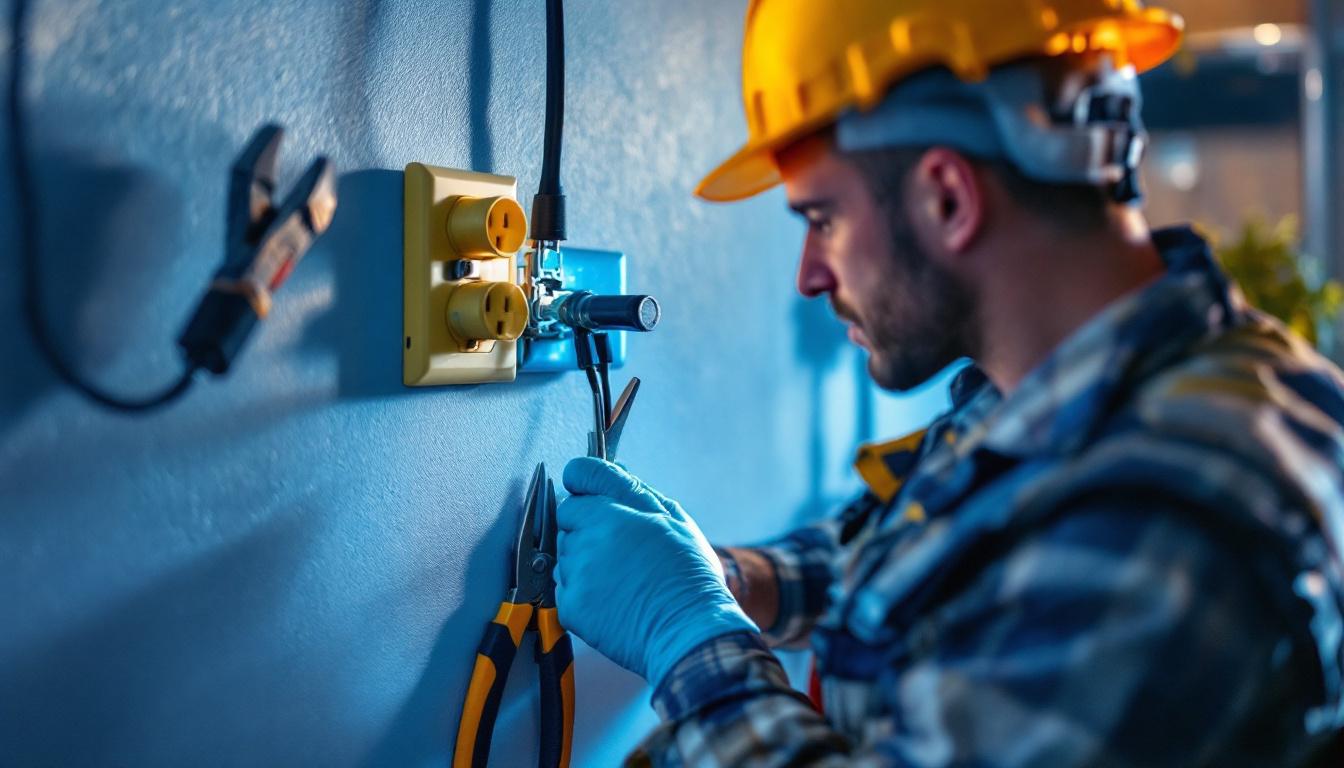
One of the most prevalent issues with 120V receptacles is improper wiring. This can lead to a host of problems, including malfunctioning lights, tripped breakers, and even electrical fires. Common mistakes include reversed polarity, loose connections, and incorrect wire gauge.
To avoid these pitfalls, contractors should always adhere to the National Electrical Code (NEC) guidelines during installation. Double-checking connections and ensuring that wires are securely fastened can significantly reduce the risk of wiring issues. Additionally, utilizing color-coded wires can help in identifying connections quickly and accurately, minimizing the chance of errors during installation.
Overloading Circuits
Another concern is circuit overload. When too many devices are plugged into a single receptacle, it can lead to overheating and potential fire hazards. Lighting contractors must assess the total load on each circuit and ensure it does not exceed the recommended limits.
To mitigate this risk, it’s advisable to distribute the load across multiple circuits. Additionally, installing receptacles with built-in overload protection can provide an extra layer of safety. Furthermore, educating clients about the importance of not daisy-chaining multiple power strips can help prevent accidental overloads, ensuring that they understand the risks associated with excessive power draw.
Inadequate Grounding
Grounding is a critical aspect of electrical safety. Inadequate grounding can lead to electrical shocks and equipment damage. Contractors must ensure that all 120V receptacles are properly grounded according to local codes and standards.
Using GFCI outlets in areas where grounding may be questionable can also enhance safety. These outlets provide an additional safety mechanism by cutting off power when a ground fault is detected. Moreover, regular testing of GFCI outlets is essential to ensure their functionality; contractors should recommend that clients test these outlets monthly to confirm they are operating correctly. This proactive approach not only protects users but also reinforces the contractor’s commitment to safety and quality workmanship.
Best Practices for Installation
To minimize issues associated with 120V receptacles, lighting contractors should adopt best practices during installation. These practices not only enhance safety but also improve the overall quality of the electrical system.
Conducting Thorough Site Assessments
Before installation begins, conducting a thorough site assessment is essential. This involves evaluating the existing electrical system, identifying potential hazards, and determining the best locations for receptacles.
Understanding the layout of the space and the intended use of lighting fixtures can guide the selection of receptacle types and placements. For example, in a commercial setting with high foot traffic, receptacles should be placed strategically to avoid damage and ensure accessibility. Additionally, considering the future needs of the space can lead to more flexible and functional installations. For instance, in areas that may require temporary lighting for events or exhibitions, installing receptacles in easily accessible locations can save time and effort down the line.
Utilizing Quality Materials
The quality of materials used in electrical installations can significantly impact performance and longevity. Lighting contractors should opt for high-quality receptacles and wiring components that meet or exceed industry standards.
Investing in reliable materials not only reduces the likelihood of future issues but also enhances the overall reputation of the contractor. Clients are more likely to trust contractors who prioritize quality in their work. Furthermore, using premium materials can lead to energy efficiency, as high-grade wiring and receptacles often have better conductivity, reducing energy loss and lowering utility costs for clients. This aspect can be a strong selling point for contractors looking to differentiate themselves in a competitive market.
Regular Training and Education
Staying updated on the latest electrical codes, technologies, and best practices is vital for lighting contractors. Regular training and education can help contractors avoid common pitfalls and improve their skills.
Participating in workshops, webinars, and industry conferences can provide valuable insights into emerging trends and technologies. This knowledge can be applied directly to projects, ensuring that installations are efficient and compliant. Moreover, fostering a culture of continuous learning within a contracting team can lead to improved teamwork and innovation. By encouraging team members to share new insights and techniques, contractors can create a dynamic environment that not only enhances individual skills but also elevates the overall quality of their work. Additionally, being well-informed about new products and techniques can help contractors offer better solutions to their clients, ultimately leading to higher satisfaction and repeat business.
Testing and Maintenance
Once installations are complete, ongoing testing and maintenance are crucial to ensure the continued safety and functionality of 120V receptacles. Regular checks can help identify potential issues before they escalate.
Implementing Routine Inspections
Routine inspections of electrical systems can uncover hidden problems, such as loose connections or signs of wear. Lighting contractors should develop a maintenance schedule that includes periodic checks of all receptacles and associated wiring.
During inspections, contractors should look for any signs of damage, corrosion, or overheating. Addressing these issues promptly can prevent more significant problems down the line.
Educating Clients on Usage
Educating clients about the proper use of 120V receptacles is another essential aspect of maintenance. Many issues arise from misuse, such as overloading circuits or using inappropriate devices.
Addressing Client Concerns
Client concerns regarding 120V receptacles can arise during and after installation. Lighting contractors should be prepared to address these concerns effectively to maintain trust and satisfaction.
Communicating Clearly
Clear communication is key to managing client expectations. Lighting contractors should take the time to explain the installation process, the types of receptacles used, and any potential issues that may arise.
Providing clients with detailed information about the benefits and limitations of different receptacle types can help them make informed decisions. Transparency fosters trust and can lead to repeat business and referrals.
Offering Warranty and Support
Offering a warranty on installations can provide clients with peace of mind. A warranty demonstrates confidence in the quality of work and materials used. Additionally, providing ongoing support for any questions or concerns can enhance client satisfaction.
Contractors should establish a clear process for clients to report issues or seek assistance. Prompt responses to inquiries can help resolve problems quickly and maintain a positive relationship.
Conclusion
In conclusion, understanding the intricacies of 120V receptacles is vital for lighting contractors aiming to deliver high-quality installations. By recognizing common issues, adopting best practices, and maintaining open communication with clients, contractors can minimize risks and enhance the overall success of their projects.
Ultimately, a proactive approach to installation, testing, and maintenance will not only ensure safety and functionality but also build a solid reputation in the competitive lighting industry. By focusing on quality and client satisfaction, lighting contractors can position themselves as trusted professionals in their field.
Get Your Premium Lighting Supplies at LumenWholesale
Ready to take your lighting projects to the next level? At LumenWholesale, we provide lighting contractors with the highest quality, spec-grade lighting products at prices that can’t be beaten. Say goodbye to local distributor markups and hello to our extensive selection that meets rigorous industry standards. With free shipping on bulk orders, you can stock up on reliable, high-performance lighting without any hidden fees. Elevate your installations with the confidence that comes from using top-tier materials. For wholesale lighting that combines quality, affordability, and convenience, discover the best value at LumenWholesale.