As the demand for sustainable energy solutions continues to grow, outdoor solar light panels have become a popular choice for both residential and commercial properties. For lighting contractors, understanding the intricacies of solar lighting systems is essential to delivering quality installations that meet client expectations. However, several common mistakes can undermine the effectiveness of these systems. This guide aims to highlight these pitfalls and provide insights on how to avoid them.
Understanding Solar Panel Basics
Before diving into common mistakes, it’s crucial to grasp the fundamental principles of solar light panels. These systems convert sunlight into electricity, which powers LED lights. The efficiency of this conversion is influenced by several factors, including panel quality, installation location, and maintenance. Additionally, the angle and orientation of the panels can significantly affect their energy absorption, making it essential to consider geographical location and seasonal variations when planning an installation.
Moreover, the advancements in solar technology have led to the development of smart solar systems that can adjust their operation based on environmental conditions. These systems can optimize energy usage, extend battery life, and even provide real-time data on energy production and consumption, making them an attractive option for both residential and commercial applications.
Types of Solar Panels
There are primarily three types of solar panels: monocrystalline, polycrystalline, and thin-film. Each type has its advantages and disadvantages. Monocrystalline panels are known for their high efficiency and longevity, making them a popular choice for outdoor lighting. Polycrystalline panels are generally less expensive but may not perform as well in low-light conditions. Thin-film panels are lightweight and flexible but often have lower efficiency rates. In recent years, bifacial solar panels have also gained popularity; these panels can capture sunlight from both sides, increasing energy production, especially in reflective environments.
When selecting the type of solar panel, it’s essential to consider not just the upfront cost but also the long-term benefits and energy output. Monocrystalline panels, while more expensive, often provide better performance in limited space, making them ideal for urban settings where roof space is at a premium. Conversely, polycrystalline panels might be more suitable for larger installations where budget constraints are a priority.
Components of a Solar Lighting System
A typical solar lighting system consists of a solar panel, a battery, an LED light fixture, and a controller. The solar panel collects sunlight and converts it into electricity, which is stored in the battery for nighttime use. The controller manages the power flow to the LED fixture, ensuring optimal performance. Understanding these components is vital for proper installation and troubleshooting. Additionally, many modern systems incorporate motion sensors and timers, which can enhance energy efficiency by ensuring lights are only activated when needed.
Furthermore, the choice of LED fixtures can also impact the overall effectiveness of a solar lighting system. LED lights come in various color temperatures and brightness levels, allowing users to customize their lighting solutions based on specific needs and preferences. For instance, warmer light temperatures are often preferred for residential areas to create a cozy atmosphere, while cooler temperatures may be more suitable for security lighting in commercial settings. By carefully selecting the components of a solar lighting system, users can maximize both functionality and aesthetic appeal.
Common Mistakes in Solar Light Panel Installation
Even experienced lighting contractors can fall prey to common installation mistakes that can compromise the performance of solar light panels. Awareness of these pitfalls is the first step toward successful installations.
Improper Placement of Solar Panels
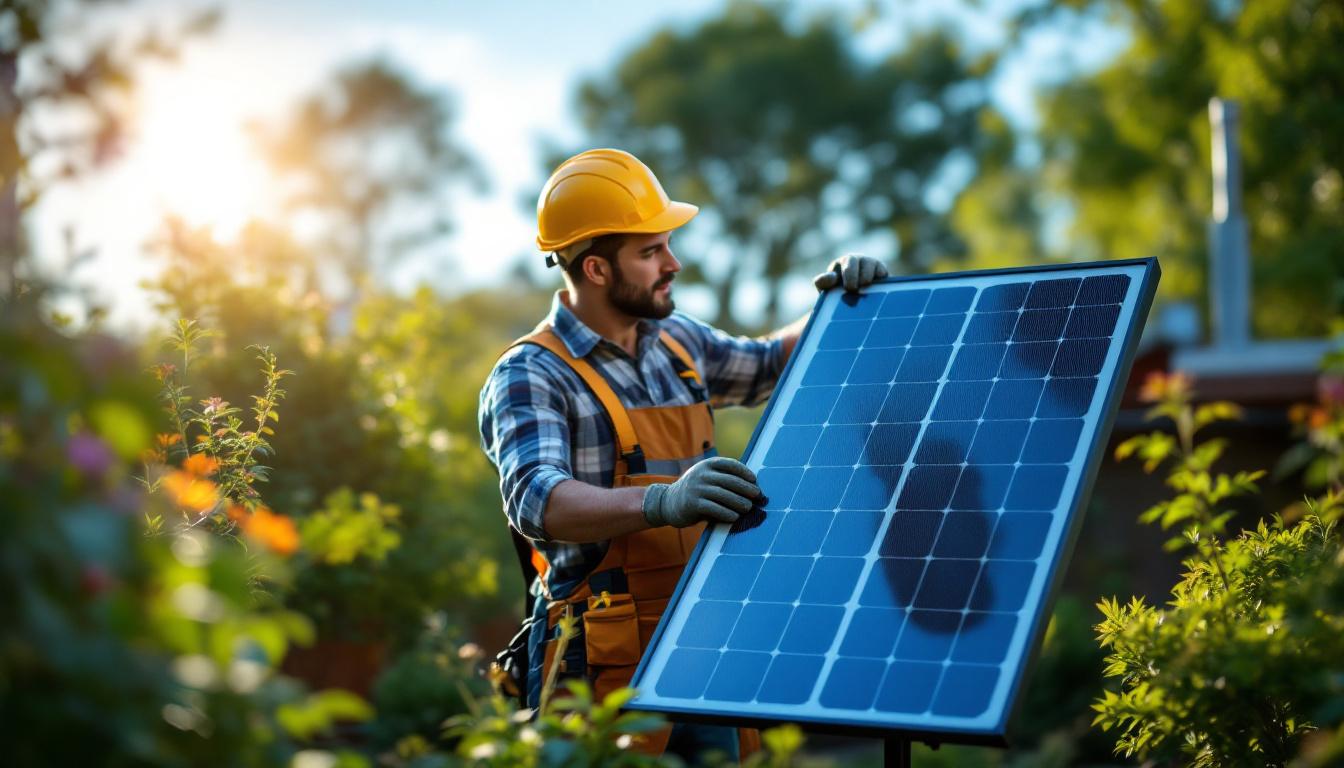
One of the most significant mistakes is failing to position solar panels correctly. Panels should be installed in locations that receive maximum sunlight exposure throughout the day. Obstructions such as trees, buildings, or other structures can cast shadows, significantly reducing the amount of solar energy collected. Before installation, conducting a site assessment to identify optimal panel placement is essential.
Neglecting Battery Capacity
Another common error is underestimating the battery capacity required for the lighting system. The battery must store enough energy to power the lights during the night and cloudy days. If the battery is too small, it may not provide adequate lighting, leading to customer dissatisfaction. It’s crucial to calculate the energy needs based on the wattage of the LED fixtures and the expected hours of operation.
Ignoring Local Regulations and Codes
Every region has specific regulations and codes governing solar installations. Failing to adhere to these guidelines can result in fines or the necessity to redo the installation. Contractors should familiarize themselves with local laws and ensure that all installations comply with safety and zoning requirements.
Choosing the Right Equipment
The quality of the components used in a solar lighting system can significantly impact its performance and longevity. Selecting the right equipment is crucial for successful installations.
Opting for Low-Quality Solar Panels
While it may be tempting to choose cheaper solar panels to reduce costs, this can lead to long-term issues. Low-quality panels may have lower efficiency rates and shorter lifespans, resulting in frequent replacements and increased maintenance costs. Investing in high-quality panels will ensure better performance and customer satisfaction.
Inadequate LED Selection
Choosing the wrong type or wattage of LED lights can also affect the overall system performance. LEDs come in various brightness levels and color temperatures, which can impact the ambiance of the outdoor space. Contractors should assess the specific lighting needs of the area and select LEDs that provide adequate illumination while complementing the environment.
Overlooking Controller Features
The controller plays a vital role in managing the power flow within the solar lighting system. Selecting a controller with advanced features, such as dimming options or motion sensors, can enhance the system’s efficiency and functionality. Contractors should evaluate the available options and choose controllers that align with the project requirements.
Maintenance and Upkeep
Even the best-installed solar lighting systems require regular maintenance to ensure optimal performance. Neglecting maintenance tasks can lead to decreased efficiency and premature system failure.
Failing to Clean Solar Panels
Over time, dirt, debris, and bird droppings can accumulate on solar panels, obstructing sunlight and reducing energy production. Regular cleaning is necessary to maintain efficiency. Contractors should advise clients on the importance of keeping panels clean and provide guidelines on how to do so safely.
Ignoring Battery Maintenance
Batteries also require maintenance to ensure longevity. Regular checks on battery connections and performance can prevent issues before they escalate. Contractors should educate clients about the signs of battery wear and the importance of timely replacements.
Design Considerations for Solar Lighting Systems
Designing an effective solar lighting system goes beyond mere installation; it involves thoughtful planning and consideration of various factors that can influence the system’s performance and aesthetics.
Inadequate Lighting Design
A common mistake is failing to create a comprehensive lighting design that considers the specific needs of the area. Factors such as the intended use of the space, desired ambiance, and safety requirements should all be taken into account. A well-planned lighting design will enhance the functionality and visual appeal of the outdoor area.
Overlooking Aesthetic Integration
Solar lights should not only be functional but also aesthetically pleasing. Choosing fixtures that complement the architectural style of the property can enhance the overall look of the outdoor space. Contractors should consider the design elements of the surrounding environment when selecting solar lighting fixtures.
Educating Clients on Solar Lighting Systems
Client education is a crucial aspect of ensuring successful solar lighting installations. Many customers may not fully understand how solar lighting works or the benefits it provides.
Providing Clear Information
Contractors should take the time to explain how solar lighting systems operate, including the benefits of energy savings and environmental impact. Providing clear and concise information can help clients make informed decisions and appreciate the value of their investment.
Setting Realistic Expectations
It’s essential to set realistic expectations regarding the performance of solar lighting systems. Factors such as geographic location, weather conditions, and seasonal changes can all affect the efficiency of solar panels. Contractors should communicate these variables to clients to prevent misunderstandings and dissatisfaction.
Future Trends in Solar Lighting
The solar lighting industry is continuously evolving, with new technologies and trends emerging regularly. Staying informed about these developments can help contractors remain competitive and offer the best solutions to their clients.
Smart Solar Lighting Solutions
Smart technology is making its way into solar lighting systems, allowing for enhanced control and automation. Features such as remote monitoring, smartphone integration, and adaptive lighting are becoming more common. Contractors should explore these advancements and consider incorporating them into their offerings.
Increased Focus on Aesthetics and Design
As solar lighting becomes more mainstream, there is a growing emphasis on aesthetics and design. Manufacturers are developing stylish fixtures that blend seamlessly into various environments. Contractors should keep an eye on design trends to provide clients with options that not only perform well but also enhance the beauty of their outdoor spaces.
Conclusion
Outdoor solar light panels offer a sustainable and cost-effective lighting solution for various applications. However, avoiding common mistakes in installation, equipment selection, and maintenance is essential for ensuring optimal performance and customer satisfaction. By understanding the intricacies of solar lighting systems and staying informed about industry trends, lighting contractors can enhance their expertise and provide exceptional service to their clients.
Ultimately, the success of solar lighting installations hinges on careful planning, quality equipment, and ongoing education for both contractors and clients. By prioritizing these elements, lighting contractors can navigate the complexities of solar lighting and contribute to a greener, more sustainable future.
Get Your Premium Solar Lighting Supplies at LumenWholesale
Ready to elevate your solar lighting installations with the highest quality products? Look no further than LumenWholesale, where we provide lighting contractors with spec-grade lighting essentials at unbeatable wholesale prices. Our commitment to cutting out the middleman means you get the superior lighting products your projects deserve, without the inflated markups. With our extensive selection that meets rigorous industry standards, you can trust in the reliability and performance of our lighting solutions. Plus, enjoy the convenience of free shipping on bulk orders, ensuring you get the best value without any hidden fees. Make the smart choice for your solar lighting needs and experience the best in wholesale lighting at the best value today.