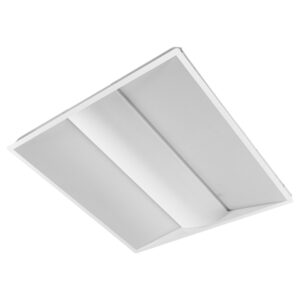
In the realm of interior design and architecture, lighting plays an essential role in enhancing the ambiance and functionality of a space. For lighting contractors, understanding the intricacies of interior lighting walls is crucial for delivering optimal solutions to clients. This article delves into the science behind interior lighting walls, exploring their significance, types, and practical applications.
The Importance of Interior Lighting Walls
Interior lighting walls are not merely functional; they are integral to the aesthetic and emotional experience of a space. The way light interacts with walls can dramatically influence the perception of size, color, and mood within a room.
Creating Atmosphere
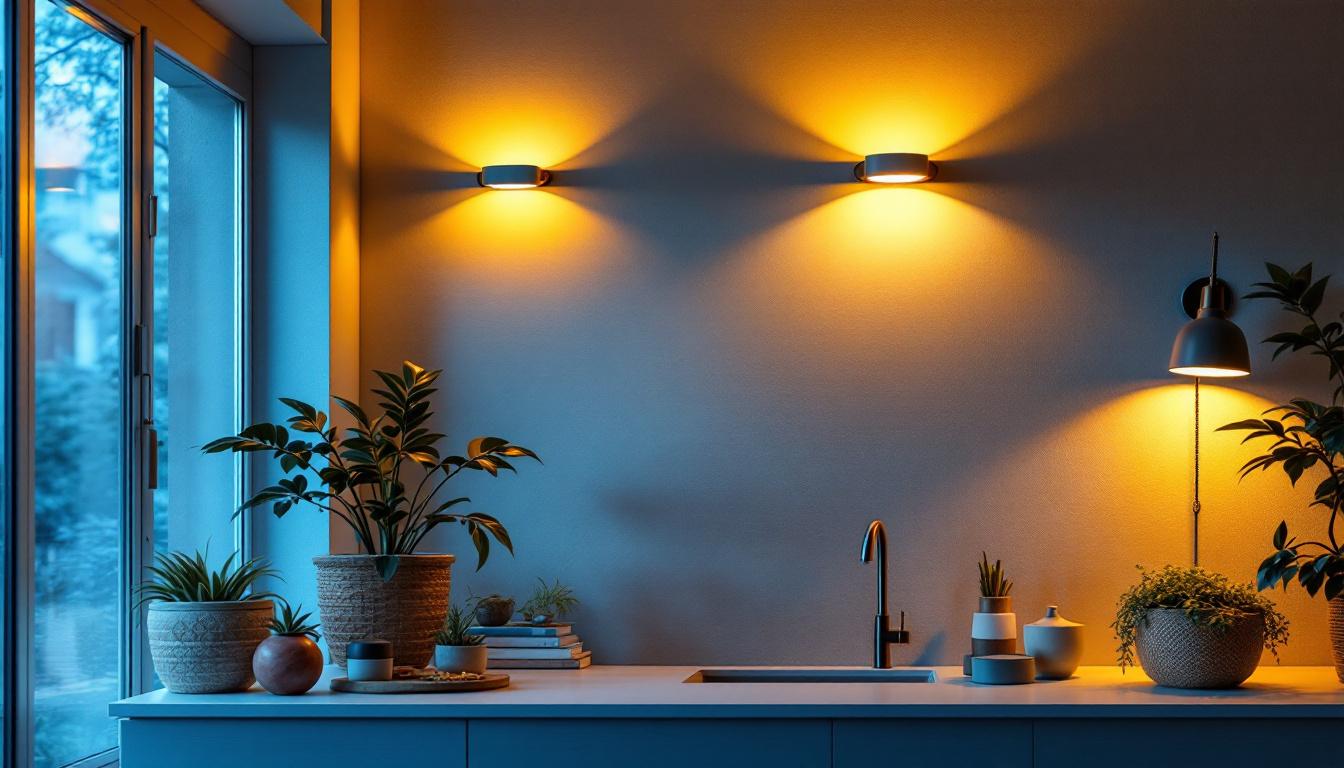
Lighting walls can create various atmospheres, from cozy and intimate to bright and energizing. The type of lighting used, its intensity, and the color temperature all contribute to this effect. For instance, warm white lights can evoke a sense of comfort, while cooler tones may promote alertness and focus. Additionally, the placement of light sources plays a crucial role; wall sconces can cast soft shadows that enhance the contours of a room, while recessed lighting can provide a clean, modern look that emphasizes minimalism. Layering different types of lighting, such as ambient, task, and accent, can further enrich the atmosphere, allowing for versatility in how a space is used throughout the day.
Highlighting Architectural Features
Lighting can also serve to highlight architectural features, such as textured walls, artwork, or unique design elements. By strategically placing lighting fixtures, contractors can create visual interest and draw attention to specific areas, enhancing the overall design of the space. For example, uplighting can be used to illuminate a textured wall, accentuating its depth and character, while spotlighting can focus on a piece of artwork, making it a focal point in the room. Moreover, the use of colored lighting can transform ordinary features into extraordinary highlights, allowing homeowners to express their personal style and creativity. This thoughtful approach to lighting not only enhances the beauty of a space but also contributes to a more immersive experience for anyone who enters.
Types of Interior Lighting Walls
Understanding the different types of interior lighting walls is essential for lighting contractors. Each type serves a unique purpose and can be used in various applications.
Accent Lighting
Accent lighting is designed to highlight specific objects or areas within a room. This type of lighting is typically more focused and intense than general lighting. It can be achieved through the use of wall-mounted fixtures, track lighting, or recessed lights. Accent lighting is particularly effective in galleries, living rooms, and dining areas where artwork or architectural details need to be showcased. By strategically placing accent lights, contractors can create dramatic effects that draw the eye to focal points, enhancing the overall aesthetic of the space. Additionally, colored LED lights can be used to add a unique flair, allowing homeowners to change the mood of a room with just a flick of a switch.
Ambient Lighting
Ambient lighting provides overall illumination to a space. It is usually softer and more diffused, creating a comfortable level of brightness without harsh shadows. Common sources of ambient lighting include ceiling-mounted fixtures, chandeliers, and wall sconces. For contractors, achieving the right balance of ambient lighting is vital to ensure that spaces feel welcoming and functional. This type of lighting can also be layered with other forms of lighting to create depth and dimension in a room. For instance, using dimmable fixtures allows homeowners to adjust the brightness according to the time of day or activity, making the space versatile for both relaxation and entertainment.
Task Lighting
Task lighting is focused on specific areas where activities such as reading, cooking, or working take place. It is essential for enhancing visibility and reducing eye strain. Wall-mounted task lights, under-cabinet lighting, and adjustable fixtures are popular choices. Understanding the placement and intensity of task lighting is crucial for contractors to meet the practical needs of their clients. In kitchens, for example, task lighting can be installed above countertops to provide adequate illumination for food preparation, while in home offices, adjustable desk lamps can help minimize glare on computer screens. Moreover, incorporating energy-efficient LED options not only enhances functionality but also contributes to long-term cost savings for homeowners.
Understanding Light Properties
The science of lighting involves understanding various properties of light, including intensity, color temperature, and color rendering. These properties influence how light interacts with surfaces and affects the overall perception of a space.
Intensity and Brightness
Light intensity is a critical factor in determining how a space feels. Measured in lumens, the brightness of a light source can significantly impact the functionality and mood of a room. Lighting contractors must consider the purpose of the space when selecting the intensity of the lighting. For example, a workspace may require brighter lighting for productivity, while a bedroom may benefit from softer, dimmer lighting for relaxation.
Color Temperature
Color temperature, measured in Kelvin (K), describes the warmth or coolness of light. Warm light (2700K-3000K) creates a cozy atmosphere, while cool light (4000K-5000K) is more energizing. Understanding the desired ambiance of a space allows contractors to choose the appropriate color temperature, enhancing the overall experience for occupants.
Color Rendering Index (CRI)
The Color Rendering Index (CRI) measures a light source’s ability to accurately reproduce colors in comparison to natural light. A higher CRI indicates better color accuracy, which is particularly important in spaces where color perception is critical, such as art studios or retail environments. Lighting contractors should prioritize fixtures with a high CRI to ensure that colors appear true to life.
Lighting Design Principles
Effective lighting design involves applying fundamental principles that guide the arrangement and selection of lighting fixtures. These principles help create a balanced and visually appealing environment.
Layering Light
Layering light involves combining different types of lighting—ambient, task, and accent—to create a well-rounded illumination scheme. This approach adds depth and dimension to a space, allowing for versatility in mood and functionality. Contractors should consider how each layer interacts with the others to achieve a harmonious balance.
Focal Points and Visual Hierarchy
Establishing focal points is essential in lighting design. By directing light toward specific areas, contractors can create a visual hierarchy that guides the viewer’s attention. This technique is particularly effective in spaces with multiple design elements, ensuring that key features stand out while maintaining a cohesive look.
Consideration of Space and Scale
The size and scale of a room play a significant role in lighting design. Larger spaces may require more powerful fixtures or multiple light sources to achieve adequate illumination, while smaller rooms may benefit from more intimate lighting solutions. Understanding the spatial dynamics allows contractors to tailor their lighting designs to meet the unique needs of each project.
Technological Advances in Lighting
As technology continues to evolve, so do the options available to lighting contractors. Innovations in lighting technology have expanded the possibilities for interior lighting walls, allowing for greater flexibility and efficiency.
LED Lighting
LED lighting has revolutionized the industry, offering energy-efficient solutions with a long lifespan. LEDs are available in various color temperatures and intensities, making them suitable for a wide range of applications. Their low heat output and versatility in design make them an ideal choice for modern interior lighting walls.
Smart Lighting Systems
Smart lighting systems enable contractors to create customizable lighting experiences for their clients. These systems allow for remote control, scheduling, and integration with home automation systems. By incorporating smart technology, contractors can enhance the functionality and convenience of interior lighting walls, providing clients with greater control over their environments.
Lighting Control Systems
Advanced lighting control systems offer the ability to adjust brightness and color temperature based on the time of day or specific activities. These systems can be programmed to create different lighting scenes, enhancing the versatility of a space. Understanding these systems allows contractors to offer tailored solutions that meet the diverse needs of their clients.
Challenges in Interior Lighting Design
While the science of lighting offers numerous opportunities, it also presents challenges that lighting contractors must navigate. Understanding these challenges is key to delivering successful projects.
Balancing Aesthetics and Functionality
One of the primary challenges in interior lighting design is balancing aesthetics with functionality. While it is essential to create visually appealing spaces, the lighting must also serve the practical needs of the occupants. Contractors must carefully consider how to achieve this balance, ensuring that the lighting enhances both the design and usability of the space.
Dealing with Limitations
Physical limitations, such as the placement of electrical outlets or existing architectural features, can pose challenges in lighting design. Contractors must be resourceful in finding solutions that work within these constraints while still achieving the desired lighting effects. This may involve creative fixture placement or the use of alternative lighting solutions.
Client Expectations and Communication
Managing client expectations is crucial in any project. Effective communication about the possibilities and limitations of lighting design can help prevent misunderstandings. Contractors should take the time to educate clients about the science behind lighting choices, ensuring that they feel informed and confident in the decisions being made.
Conclusion
Interior lighting walls are a vital component of creating functional and aesthetically pleasing spaces. For lighting contractors, understanding the science behind lighting design is essential for delivering tailored solutions that meet the diverse needs of clients. By exploring the importance of lighting walls, types of lighting, properties of light, design principles, technological advances, and the challenges faced, contractors can enhance their expertise and elevate their projects.
As the industry continues to evolve, staying informed about emerging trends and technologies will empower lighting contractors to provide innovative solutions that not only illuminate spaces but also enhance the overall experience for occupants. Embracing the science of lighting is not just about illuminating walls; it’s about transforming spaces and creating environments that resonate with people.
Illuminate Your Projects with LumenWholesale
Ready to elevate your lighting projects with the science of design and the best products on the market? Look no further than LumenWholesale for all your lighting needs. Our extensive selection of spec-grade lighting products at wholesale prices ensures you have access to high-quality, reliable options for every interior lighting wall challenge. Say goodbye to inflated markups and hello to hassle-free bulk buying with free shipping. Don’t compromise on quality or value; discover wholesale lighting at the best value today and make your lighting visions a reality.