As the demand for sustainable solutions grows, solar powered outdoor lights have emerged as an essential component in modern lighting design. These lights not only reduce energy costs but also contribute to environmental conservation. For lighting contractors, understanding the nuances of solar powered lighting is crucial, not just for installation but also for training teams effectively. This article will explore the best practices in training your team on solar powered outdoor lights, ensuring they are well-equipped to meet client needs while promoting energy efficiency.
Understanding Solar Powered Outdoor Lights
Before diving into training techniques, it’s essential to grasp the fundamentals of solar powered outdoor lights. These lights harness solar energy through photovoltaic cells, converting sunlight into electricity. This process allows them to operate independently of the electrical grid, making them a popular choice for various outdoor applications. The environmental benefits of solar lights are significant, as they reduce reliance on fossil fuels and lower electricity bills, making them an attractive option for eco-conscious consumers.
Types of Solar Powered Lights
There are several types of solar powered outdoor lights, each designed for specific applications. Common types include pathway lights, floodlights, spotlights, and decorative string lights. Understanding the distinctions between these types is vital for contractors, as it allows them to recommend the most suitable options to clients based on their needs. Each type serves a unique purpose, catering to different lighting requirements and aesthetic preferences.
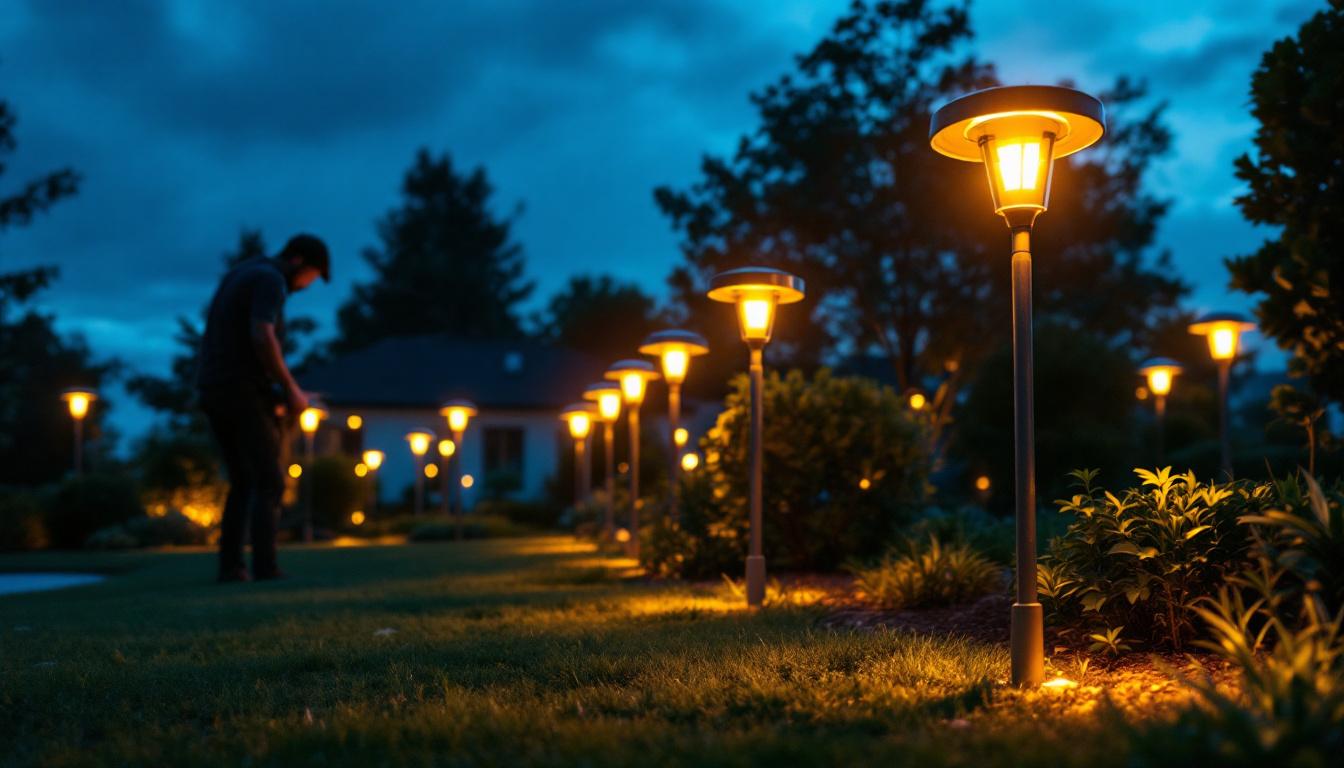
Pathway lights are typically low to the ground and designed to illuminate walkways, enhancing safety and aesthetics. They come in various styles, from modern to rustic, allowing homeowners to choose options that complement their landscape design. Floodlights, on the other hand, provide broader illumination and are ideal for larger areas, such as gardens or parking lots. These lights are often equipped with motion sensors for added security, automatically turning on when movement is detected. Spotlights can be used to highlight specific features, such as trees or sculptures, creating focal points in outdoor spaces. Meanwhile, decorative string lights add ambiance to outdoor areas, perfect for gatherings or festive occasions, and can be draped over patios or gardens for a warm, inviting glow.
Key Components of Solar Lights
Each solar light consists of several key components, including solar panels, batteries, LED bulbs, and a control system. Solar panels capture sunlight and convert it into electrical energy, which is stored in batteries. The LED bulbs then use this stored energy to provide illumination during the night. The efficiency of these components can vary, with some solar lights featuring advanced technology that maximizes energy conversion and storage, ensuring longer-lasting performance even on cloudy days.
Understanding these components is essential for contractors, as it enables them to troubleshoot issues and educate clients on the maintenance of their solar lighting systems. For instance, if a light is not functioning properly, it may be due to a dirty solar panel or a depleted battery, both of which are easily rectified. Additionally, educating clients about the importance of proper placement can significantly enhance the performance of solar lights. For optimal results, solar lights should be installed in areas that receive direct sunlight for most of the day, avoiding shaded spots that can hinder energy absorption. Regular maintenance, such as cleaning the solar panels and checking battery health, can also extend the lifespan of these lights, ensuring they continue to provide reliable illumination for years to come.
Training Your Team: Best Practices
Training your team on solar powered outdoor lights requires a structured approach. A well-informed team can significantly enhance customer satisfaction and project outcomes. Here are some best practices for effective training.
Hands-On Training
One of the most effective ways to train your team is through hands-on experience. Allow team members to interact with various types of solar lights, disassembling and reassembling them to understand their components. This practical approach fosters a deeper understanding of how these lights work and how to install them correctly.
Consider organizing field trips to installations where solar lights are in use. Observing real-world applications can provide invaluable insights into the challenges and benefits of solar lighting. Encourage team members to ask questions and engage in discussions during these visits to enhance their learning experience. Additionally, you could set up mock installations in a controlled environment, allowing your team to practice troubleshooting common issues they might encounter in the field. This not only builds confidence but also ensures they are well-prepared for actual installations.
Educational Workshops and Seminars
Hosting workshops and seminars can be an effective way to disseminate knowledge about solar powered outdoor lights. Invite industry experts to share their insights on the latest technologies, trends, and best practices in solar lighting. This not only keeps your team updated but also inspires them to innovate in their work.
Incorporate interactive elements into these sessions, such as Q&A segments and group discussions. This encourages participation and allows team members to voice their concerns or share their experiences, creating a collaborative learning environment. Furthermore, consider integrating case studies that highlight successful solar lighting projects. Analyzing these examples can provide your team with practical applications of theoretical knowledge, illustrating how innovative solutions can overcome specific challenges. By fostering a culture of continuous learning, you empower your team to stay ahead in the rapidly evolving field of solar technology.
Key Training Topics to Cover
When training your team, certain key topics should be prioritized to ensure comprehensive knowledge of solar powered outdoor lights. These topics will equip your team with the necessary skills to excel in their roles.
Installation Techniques
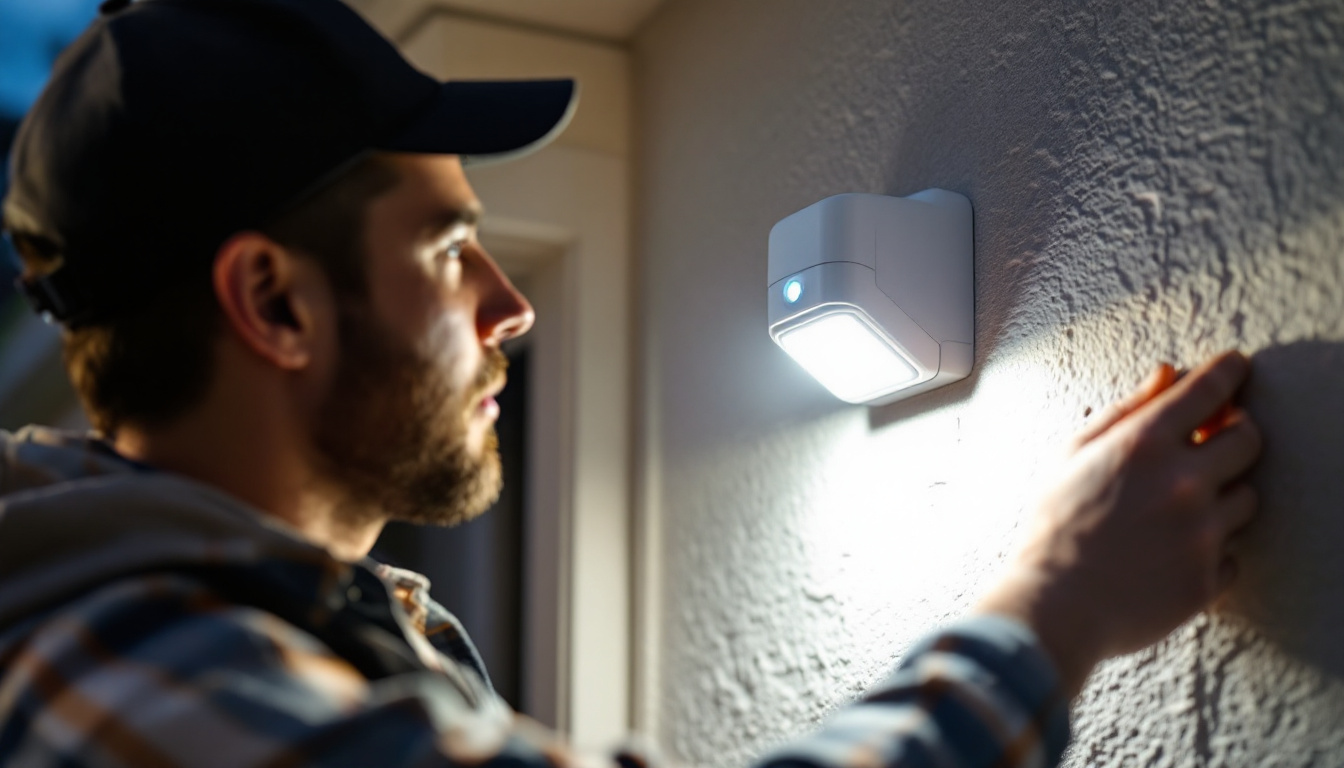
Proper installation is crucial for the optimal performance of solar powered outdoor lights. Train your team on the best practices for installation, including site assessment, positioning of solar panels, and securing fixtures. Emphasize the importance of ensuring that solar panels receive adequate sunlight throughout the day, as this directly impacts their efficiency.
Additionally, cover the importance of following local regulations and guidelines during installation. Understanding these regulations can help avoid potential legal issues and ensure compliance with safety standards. Highlight the significance of using high-quality materials and tools during installation to enhance durability and performance. Discuss how different environmental factors, such as weather conditions and geographical location, can influence the choice of installation techniques and materials, ensuring that your team is prepared for a variety of scenarios.
Maintenance and Troubleshooting
Regular maintenance is essential for the longevity of solar powered outdoor lights. Train your team on routine checks, such as cleaning solar panels, inspecting batteries, and replacing bulbs as needed. Providing a maintenance schedule can help clients keep their systems in optimal condition.
Moreover, equip your team with troubleshooting skills. Familiarize them with common issues that may arise, such as dim lighting or complete failure, and guide them on how to diagnose and resolve these problems effectively. Encourage your team to document any issues they encounter and their solutions, creating a knowledge base that can be referenced for future maintenance tasks. This practice not only enhances their troubleshooting skills but also fosters a culture of continuous learning and improvement within the team.
Client Education and Support
Educating clients on the benefits and operation of solar powered outdoor lights is a critical aspect of the contractor-client relationship. Train your team to communicate effectively with clients, explaining how solar lights work, their advantages, and any maintenance requirements.
Encourage your team to provide clients with written materials or guides that summarize key information about their solar lighting systems. This not only reinforces their understanding but also serves as a helpful reference for clients in the future. Additionally, consider developing interactive workshops or demonstrations that allow clients to see the technology in action, fostering a deeper appreciation for the benefits of solar lighting. Engaging clients in discussions about their specific needs and preferences can also lead to tailored solutions, enhancing customer satisfaction and loyalty.
Staying Updated with Industry Trends
The solar lighting industry is continually evolving, with new technologies and innovations emerging regularly. To maintain a competitive edge, it’s essential for contractors to stay informed about the latest trends and advancements in solar powered outdoor lights.
Research and Development
Encourage your team to engage in ongoing research and development. This can involve reading industry publications, attending trade shows, and participating in online forums. Staying informed about new products and technologies can help your team offer cutting-edge solutions to clients.
Consider allocating time for team members to share their findings during team meetings. This collaborative approach fosters a culture of learning and encourages team members to stay proactive in their professional development.
Networking Opportunities
Networking with other professionals in the solar lighting industry can provide valuable insights and opportunities for collaboration. Encourage your team to join industry associations and participate in local events or conferences. These networking opportunities can lead to partnerships, referrals, and enhanced knowledge sharing.
Building relationships with suppliers and manufacturers can also be beneficial. Establishing a rapport with these entities can provide access to the latest products and technologies, ensuring your team is always equipped with the best tools for their work.
Conclusion
Training your team in solar powered outdoor lights is a multifaceted process that requires a combination of hands-on experience, educational workshops, and ongoing professional development. By equipping your team with the knowledge and skills necessary to install, maintain, and educate clients about solar lighting, contractors can enhance their service offerings and contribute to a more sustainable future.
As the demand for solar powered solutions continues to rise, staying ahead of industry trends and fostering a culture of continuous learning will position contractors for success. Investing in your team’s training not only improves their performance but also enhances client satisfaction, ultimately leading to a thriving business in the solar lighting sector.
Illuminate Your Projects with LumenWholesale
Ready to elevate your lighting projects with the best solar powered outdoor lights? At LumenWholesale, we provide contractors like you with the highest quality, spec-grade lighting products at unbeatable wholesale prices. Say goodbye to local distributor markups and hello to a vast selection of reliable, high-performance lighting that meets the highest industry standards. Plus, with free shipping on bulk orders, you can enjoy premium lighting at the best value — all without hidden fees or compromises. Don’t miss out on the perfect blend of quality, affordability, and convenience. Explore our collection and start saving with LumenWholesale today!