In recent years, the agricultural landscape has undergone a significant transformation, particularly in the realm of indoor farming. Hydrofarms, which utilize hydroponic and aquaponic systems, have emerged as a revolutionary approach to cultivation. One of the critical components that contribute to the success of these systems is modern lighting solutions. This article delves into the essential role that lighting plays in hydrofarms, exploring the technologies, benefits, and future trends that lighting contractors should consider.
The Importance of Lighting in Hydrofarms
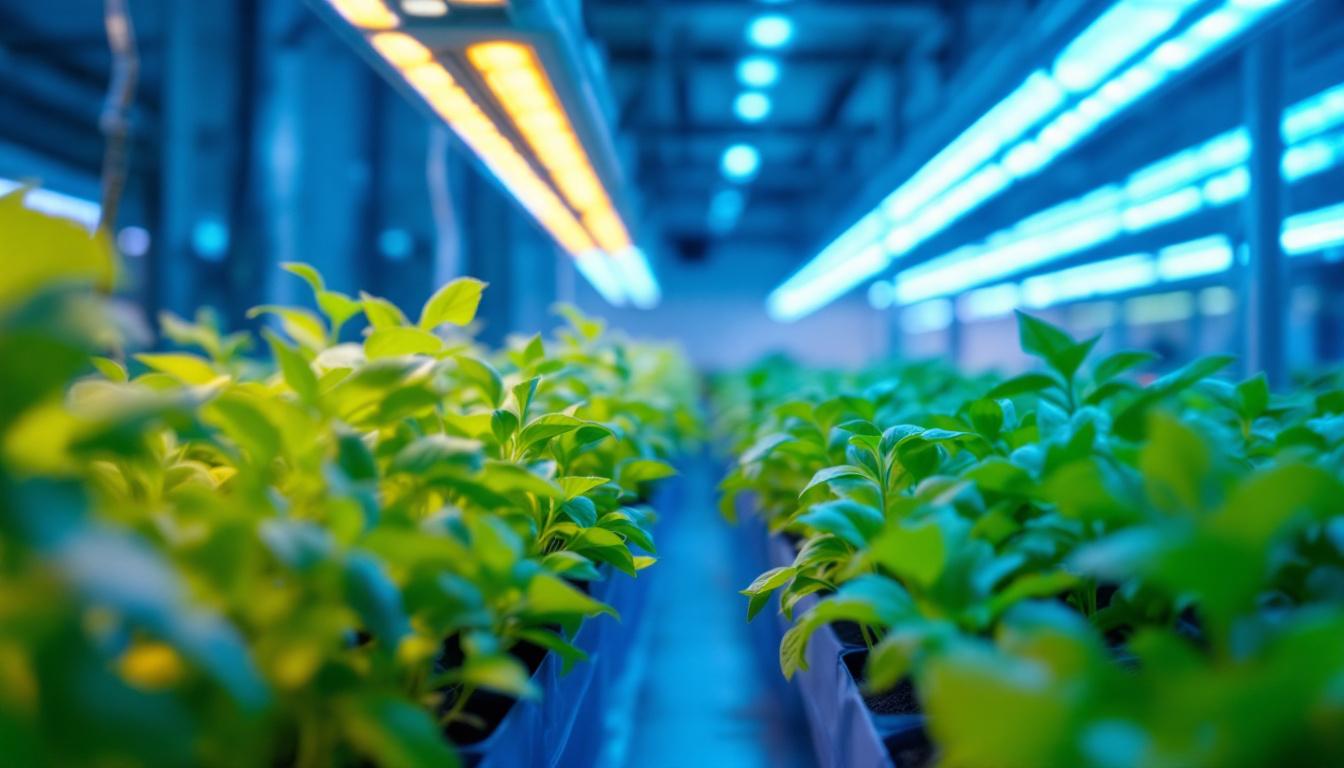
Lighting is not merely an accessory in hydrofarms; it is a fundamental element that directly influences plant growth, yield, and overall health. In environments where natural sunlight is limited or absent, artificial lighting becomes essential for photosynthesis and plant development.
Photosynthesis and Plant Growth
Photosynthesis is the process through which plants convert light energy into chemical energy. In hydrofarms, the right spectrum of light is crucial for optimizing this process. Different wavelengths of light affect various stages of plant growth, from germination to flowering. For instance, blue light promotes vegetative growth, while red light encourages flowering and fruiting. Understanding these dynamics allows lighting contractors to design systems that cater to specific crop needs.
Moreover, the intensity and duration of light exposure play a pivotal role. Hydrofarms can simulate natural daylight cycles, which can enhance plant growth rates and improve crop quality. By utilizing programmable lighting systems, contractors can create tailored schedules that mimic seasonal changes, thereby maximizing productivity. In addition to this, the use of supplemental lighting during low-light seasons can help maintain consistent growth, ensuring that crops are ready for market regardless of external weather conditions.
Energy Efficiency and Sustainability
As the world increasingly shifts towards sustainable practices, energy efficiency has become a focal point in hydrofarm operations. Traditional lighting solutions, such as incandescent and fluorescent bulbs, consume significant amounts of energy and generate excess heat. In contrast, modern LED lighting solutions have revolutionized the industry by offering high energy efficiency and lower heat output.
LEDs not only reduce energy consumption but also have a longer lifespan compared to traditional bulbs, resulting in lower replacement costs and reduced waste. This is particularly beneficial for hydrofarms, where consistent lighting is essential for continuous growth cycles. By investing in energy-efficient lighting solutions, hydrofarms can significantly lower their operational costs while contributing to a more sustainable agricultural model. Additionally, the integration of smart technology allows for real-time monitoring and adjustment of lighting conditions, further enhancing energy efficiency and ensuring that plants receive optimal light exposure without unnecessary energy expenditure. This innovative approach not only supports healthy plant growth but also aligns with the global push for greener farming practices, making hydrofarms a key player in the future of sustainable agriculture.
Types of Lighting Solutions for Hydrofarms
Various lighting technologies are available for hydrofarms, each with its unique advantages and applications. Understanding these options can help lighting contractors recommend the most suitable solutions for their clients.
LED Lighting
LED lighting has become the gold standard in hydrofarms due to its versatility and efficiency. These lights can be tailored to emit specific wavelengths, allowing for customized lighting solutions that meet the unique needs of different crops. Additionally, LEDs produce minimal heat, which helps maintain optimal growing conditions without the need for extensive cooling systems.
Another significant advantage of LED lighting is its ability to be integrated with smart technologies. Contractors can implement systems that allow for remote monitoring and control, enabling farmers to adjust light settings based on real-time data. This adaptability can lead to improved crop yields and reduced energy costs.
High-Intensity Discharge (HID) Lighting
High-Intensity Discharge (HID) lighting has been a popular choice in hydrofarms for many years. These systems, which include Metal Halide (MH) and High-Pressure Sodium (HPS) bulbs, provide intense light output and are effective for large-scale operations. HID lights are particularly beneficial during the flowering stage, as they emit a spectrum that encourages robust growth and fruit production.
However, HID lighting does have some drawbacks, including higher energy consumption and heat production. Proper ventilation and cooling systems are essential to mitigate these issues. While HID lights can be effective, contractors must weigh the benefits against the operational costs and environmental impact.
Fluorescent Lighting
Fluorescent lighting is another option for hydrofarms, particularly for seedlings and young plants. These lights are generally less expensive and consume less energy than HID systems. They also emit less heat, making them suitable for smaller setups or areas where temperature control is a concern.
However, fluorescent lights may not provide the same intensity or spectrum as LED or HID options, which can limit their effectiveness during later growth stages. For this reason, many hydrofarm operators use fluorescent lighting in conjunction with other systems, creating a hybrid approach that maximizes plant health and productivity.
Innovations in Hydrofarm Lighting Technology
The field of hydrofarm lighting is continually evolving, with innovations that enhance efficiency and effectiveness. Staying informed about these advancements is crucial for lighting contractors looking to provide the best solutions to their clients.
Smart Lighting Systems
Smart lighting systems are revolutionizing the way hydrofarms operate. These systems utilize sensors and automation to monitor environmental conditions and adjust lighting accordingly. For example, smart systems can detect changes in temperature, humidity, and plant growth stages, allowing for real-time adjustments to light intensity and duration.
This level of automation not only improves plant health but also optimizes energy use, leading to cost savings for operators. Lighting contractors can play a vital role in implementing these smart systems, ensuring that clients benefit from the latest technology.
Dynamic Spectrum Control
Dynamic spectrum control is an exciting development in hydrofarm lighting. This technology allows for the adjustment of light wavelengths in real-time, enabling operators to tailor the light spectrum to the specific needs of their crops at different growth stages. For instance, a hydrofarm can shift from a blue-dominant spectrum during the vegetative stage to a red-dominant spectrum during flowering.
By providing the optimal light spectrum, dynamic control can lead to enhanced growth rates, improved nutrient uptake, and higher yields. Lighting contractors should consider integrating this technology into their offerings to provide clients with cutting-edge solutions.
Integration with Renewable Energy Sources
As sustainability becomes a priority in agriculture, integrating hydrofarm lighting systems with renewable energy sources is gaining traction. Solar panels, for instance, can be used to power lighting systems, reducing reliance on traditional energy sources and lowering operational costs.
Contractors can assist clients in designing systems that incorporate renewable energy, ensuring that hydrofarms operate efficiently and sustainably. This integration not only benefits the environment but also enhances the marketability of hydrofarm products, appealing to consumers who prioritize sustainability.
Challenges and Considerations for Lighting Contractors
While the advancements in hydrofarm lighting offer numerous benefits, there are challenges and considerations that lighting contractors must navigate. Understanding these challenges can help in providing effective solutions to clients.
Initial Costs and Investment
One of the primary challenges in adopting modern lighting solutions for hydrofarms is the initial investment. High-quality LED systems and smart technologies can require significant upfront costs. However, it is essential to emphasize the long-term savings associated with energy efficiency and reduced maintenance.
Lighting contractors should work closely with clients to develop a comprehensive cost-benefit analysis that highlights the potential return on investment. By demonstrating the long-term advantages, contractors can help clients make informed decisions about their lighting systems.
Technical Expertise and Training
Implementing advanced lighting solutions often requires a certain level of technical expertise. Contractors must be well-versed in the latest technologies and systems to provide effective support and maintenance. This may involve ongoing training and education to stay current with industry trends and innovations.
Moreover, contractors should also consider the training needs of their clients. Providing educational resources and support can empower hydrofarm operators to maximize the benefits of their lighting systems, leading to improved outcomes and satisfaction.
The Future of Hydrofarms and Lighting Solutions
The future of hydrofarms is bright, with lighting solutions playing a pivotal role in shaping this landscape. As technology continues to advance, lighting contractors will have the opportunity to offer increasingly sophisticated and efficient solutions that cater to the evolving needs of the agricultural sector.
Emerging Trends in Hydrofarms
Several emerging trends are likely to influence the future of hydrofarms and their lighting solutions. Vertical farming, for instance, is gaining popularity as urban areas seek to maximize space and reduce transportation costs. This trend will require innovative lighting solutions that can effectively illuminate multi-layered growing systems.
Additionally, the demand for organic and locally sourced produce is on the rise. Hydrofarms equipped with advanced lighting technologies can meet this demand by providing consistent, high-quality crops year-round. Contractors should be prepared to adapt to these trends and offer solutions that align with market demands.
Collaboration and Partnerships
Collaboration among stakeholders in the hydrofarm industry will be crucial for driving innovation and success. Lighting contractors can benefit from partnerships with hydrofarm operators, technology providers, and agricultural experts. By working together, these stakeholders can develop comprehensive solutions that address the challenges and opportunities within the industry.
Furthermore, engaging in industry associations and networks can provide valuable insights and resources. Staying connected with peers and experts can foster collaboration and knowledge-sharing, ultimately benefiting the entire hydrofarm ecosystem.
Conclusion
Hydrofarms represent a transformative approach to agriculture, and lighting solutions are at the heart of their success. By understanding the importance of lighting, exploring various technologies, and staying informed about innovations, lighting contractors can play a vital role in shaping the future of hydrofarms. As the industry continues to evolve, embracing sustainability, efficiency, and collaboration will be key to unlocking the full potential of modern lighting solutions in hydrofarms.
Illuminate Your Hydrofarm with LumenWholesale
Ready to enhance your hydrofarm with the latest in lighting technology? At LumenWholesale, we provide lighting contractors with the highest quality, spec-grade lighting products at unbeatable wholesale prices. Our selection is designed to meet the rigorous demands of modern hydrofarms, ensuring reliability and high performance. Say goodbye to inflated markups and enjoy the convenience of free shipping on bulk orders. Elevate your hydrofarm project with the perfect combination of quality, affordability, and convenience. Discover the best value in wholesale lighting by visiting Wholesale Lighting at the Best Value today.