Introduction to Fan Ceiling Lights
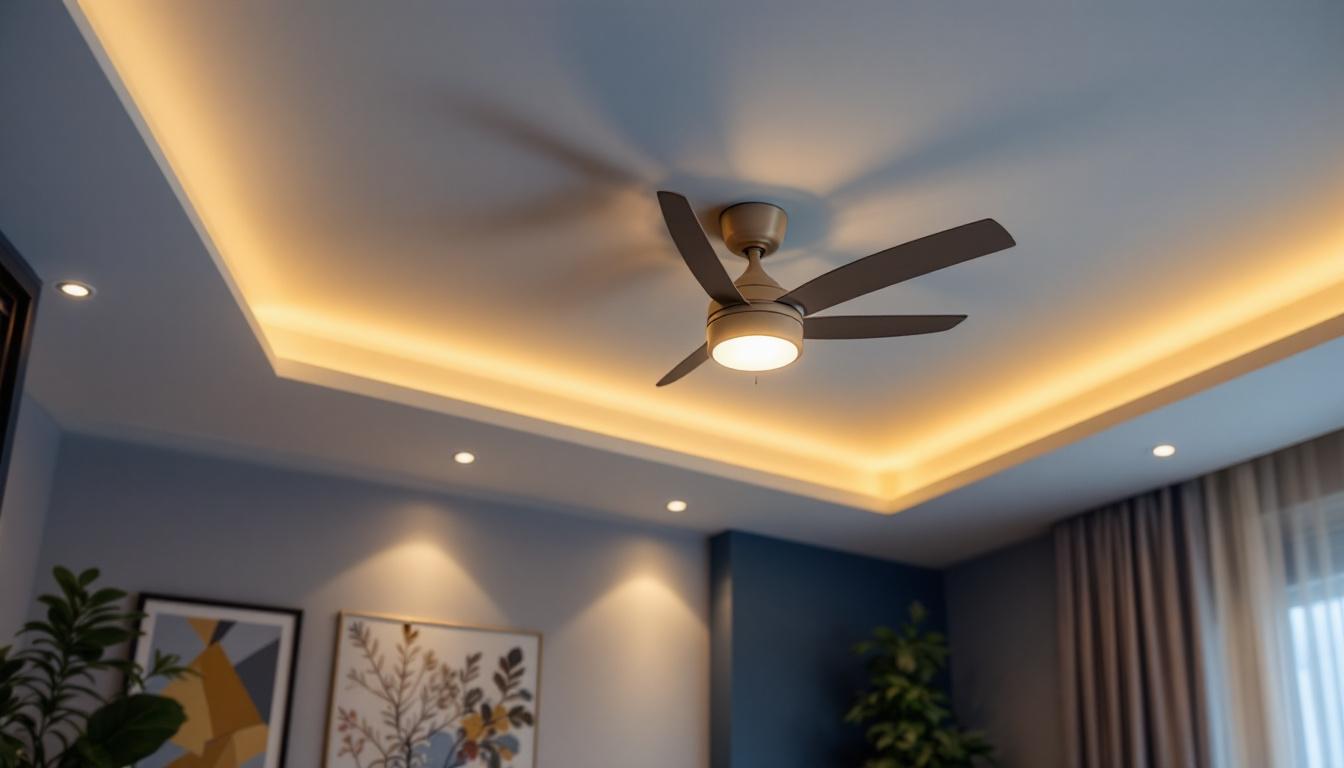
In the realm of lighting installations, fan ceiling lights have emerged as a popular choice for both residential and commercial spaces. These fixtures not only provide illumination but also offer the added benefit of air circulation, making them a dual-purpose solution. For lighting contractors, understanding the intricacies of fan ceiling lights can lead to enhanced profitability and customer satisfaction.
As the demand for energy-efficient and multifunctional lighting solutions continues to rise, fan ceiling lights present an opportunity for contractors to expand their offerings. This article delves into the various aspects of fan ceiling lights, exploring their benefits, installation considerations, and how they can maximize profitability in lighting projects.
One of the key advantages of fan ceiling lights is their versatility in design. Available in a myriad of styles, from sleek modern designs to rustic farmhouse aesthetics, these fixtures can seamlessly blend into any décor. This adaptability not only satisfies a wide range of customer preferences but also allows contractors to cater to diverse market segments, enhancing their portfolio. Furthermore, many fan ceiling lights come equipped with adjustable speeds and integrated lighting options, giving homeowners the ability to customize their environment to suit different moods and occasions.
Additionally, the energy efficiency of fan ceiling lights cannot be overstated. With the growing emphasis on sustainability, many models now feature LED bulbs that consume significantly less energy than traditional incandescent options. This not only reduces electricity bills for homeowners but also contributes to a smaller carbon footprint. For contractors, promoting the energy-saving benefits of these fixtures can be a compelling selling point, allowing them to position themselves as environmentally conscious professionals while appealing to clients who prioritize sustainability in their purchasing decisions.
Benefits of Fan Ceiling Lights
Energy Efficiency
One of the primary advantages of fan ceiling lights is their energy efficiency. Many modern models are designed with LED technology, which consumes significantly less power compared to traditional incandescent bulbs. This not only reduces energy bills for homeowners and businesses but also aligns with the growing trend towards sustainability.
Moreover, the dual functionality of these fixtures means that they can help reduce reliance on air conditioning systems. By circulating air effectively, fan ceiling lights can create a more comfortable indoor environment, leading to lower energy consumption overall. For contractors, promoting these energy-saving features can be a strong selling point. The long lifespan of LED bulbs also means less frequent replacements, further contributing to cost savings and convenience for users.
Versatility in Design
Fan ceiling lights come in a variety of styles, sizes, and finishes, making them suitable for diverse interior designs. Whether it’s a contemporary living room, a rustic kitchen, or a sleek office space, there is a fan ceiling light that can complement the aesthetic. This versatility allows contractors to cater to a broader range of clients, enhancing their marketability.
Additionally, many models offer customizable features, such as adjustable light settings and remote control operation. This level of personalization can attract clients who are looking for modern solutions that fit their lifestyle, further increasing the potential for upselling and add-on services. Some fans even include smart technology, allowing users to control lighting and fan speed through their smartphones or voice-activated devices, which can be a significant draw for tech-savvy customers.
Improved Air Quality
Incorporating fan ceiling lights into a space can significantly improve air quality. By promoting air circulation, these fixtures help to reduce humidity levels and prevent the buildup of allergens. This is particularly beneficial in areas with high moisture, such as kitchens and bathrooms.
For contractors, highlighting the health benefits associated with fan ceiling lights can resonate with clients who prioritize wellness in their living or working environments. This added value can justify higher pricing and enhance customer loyalty. Furthermore, the ability of ceiling fans to help disperse indoor pollutants, such as volatile organic compounds (VOCs) from furniture and paint, can create a healthier atmosphere, making them an essential feature in modern home design. As more individuals become aware of indoor air quality issues, the demand for such fixtures is likely to increase, presenting a lucrative opportunity for contractors to educate and engage their clients.
Installation Considerations
Understanding Electrical Requirements
Installing fan ceiling lights requires a solid understanding of electrical systems. Contractors must ensure that the existing wiring can support the additional load of the fan and light combination. This often involves checking the circuit capacity and making necessary upgrades to accommodate the new fixture.
Additionally, proper installation is crucial for safety and functionality. Contractors should be familiar with local building codes and regulations to avoid any compliance issues. A well-executed installation not only enhances the performance of the fan ceiling light but also builds trust with clients, leading to repeat business. It’s also important to consider the type of switch that will control the fan and light; a dual switch allows for independent operation, providing users with greater flexibility in their lighting and airflow preferences.
Moreover, understanding the nuances of different fan types—such as those with integrated LED lights versus traditional bulb fixtures—can help contractors make informed recommendations to clients. This knowledge allows them to suggest energy-efficient options that not only reduce electricity bills but also contribute to a more sustainable environment.
Choosing the Right Location
Placement is key when it comes to maximizing the effectiveness of fan ceiling lights. Contractors should assess the layout of the room to determine the optimal location for installation. Factors such as ceiling height, room dimensions, and existing furniture should be considered to ensure adequate airflow and light distribution.
Moreover, the height at which the fan is installed can significantly impact its performance. For instance, a fan installed too high may not circulate air effectively, while one placed too low may create an uncomfortable breeze. Educating clients on these considerations can enhance their satisfaction and reinforce the contractor’s expertise. Additionally, the aesthetic aspect of placement should not be overlooked; aligning the fan with architectural features or ensuring it complements the room’s decor can elevate the overall design.
Another factor to consider is the direction of the fan blades. Many fans come with a reversible motor, allowing for seasonal adjustments—counterclockwise for cooling in the summer and clockwise for warmth in the winter. This feature can be a selling point for clients, as it enhances the fan’s versatility and energy efficiency throughout the year.
Maintenance and Support
Regular maintenance is essential for the longevity and efficiency of fan ceiling lights. Contractors should inform clients about the importance of cleaning the blades and checking the electrical connections periodically. Providing maintenance services can also create an additional revenue stream for contractors.
Furthermore, offering support for troubleshooting common issues can enhance customer relationships. By being available to address concerns or provide guidance, contractors can establish themselves as reliable professionals in the eyes of their clients. This proactive approach can include creating easy-to-follow guides for clients, detailing how to identify and resolve minor issues, such as wobbling fans or flickering lights, which can empower homeowners and reduce the need for service calls.
In addition, contractors might consider implementing a follow-up system to remind clients about maintenance checks or to offer seasonal tune-ups. This not only keeps the fan ceiling lights in optimal condition but also reinforces the contractor’s commitment to customer satisfaction and ongoing support, fostering long-term loyalty and referrals.
Maximizing Profitability
Upselling Opportunities
Fan ceiling lights offer numerous upselling opportunities for contractors. When discussing installations, contractors can recommend additional features such as smart home integration, dimmer switches, or enhanced lighting controls. These options not only increase the overall project value but also provide clients with a more customized experience.
Moreover, suggesting complementary products, such as energy-efficient bulbs or decorative light fixtures, can further boost profitability. By positioning themselves as knowledgeable advisors, contractors can create a more compelling sales pitch that resonates with clients.
Leveraging Customer Education
Educating clients about the benefits and features of fan ceiling lights can significantly impact purchasing decisions. Contractors should take the time to explain how these fixtures work, their energy-saving capabilities, and the advantages of proper installation. This approach not only empowers clients but also positions contractors as experts in their field.
Providing informative materials, such as brochures or online resources, can enhance the client experience and encourage referrals. Satisfied customers are more likely to recommend contractors to friends and family, leading to increased business opportunities.
Building Strong Relationships
Establishing and maintaining strong relationships with clients is crucial for long-term profitability. Contractors should prioritize open communication and follow-up after installations to ensure client satisfaction. This proactive approach can lead to repeat business and referrals, which are essential for sustained growth.
Additionally, engaging with clients through social media or newsletters can keep them informed about new products and services. By staying connected, contractors can foster loyalty and position themselves as the go-to source for lighting solutions.
Conclusion
Fan ceiling lights represent a valuable opportunity for lighting contractors to enhance their offerings and maximize profitability. By understanding the benefits, installation considerations, and maintenance requirements associated with these fixtures, contractors can position themselves as trusted experts in the industry.
Moreover, leveraging upselling opportunities, educating clients, and building strong relationships can significantly impact a contractor’s bottom line. As the demand for energy-efficient and multifunctional lighting solutions continues to grow, embracing fan ceiling lights can pave the way for success in the competitive lighting installation market.
Get Your Premium Fan Ceiling Lights at LumenWholesale
Ready to elevate your lighting installations and boost your profitability with fan ceiling lights? Look no further than LumenWholesale for an unbeatable selection of spec-grade lighting products. Our commitment to quality and affordability ensures you get the most reliable and high-performance lighting solutions for your projects. Say goodbye to middleman markups and hello to hassle-free bulk buying with free shipping. Don’t compromise on quality or price. Wholesale Lighting at the Best Value is just a click away. Partner with LumenWholesale today and experience the difference for yourself!