Introduction to LED Grow Lamps
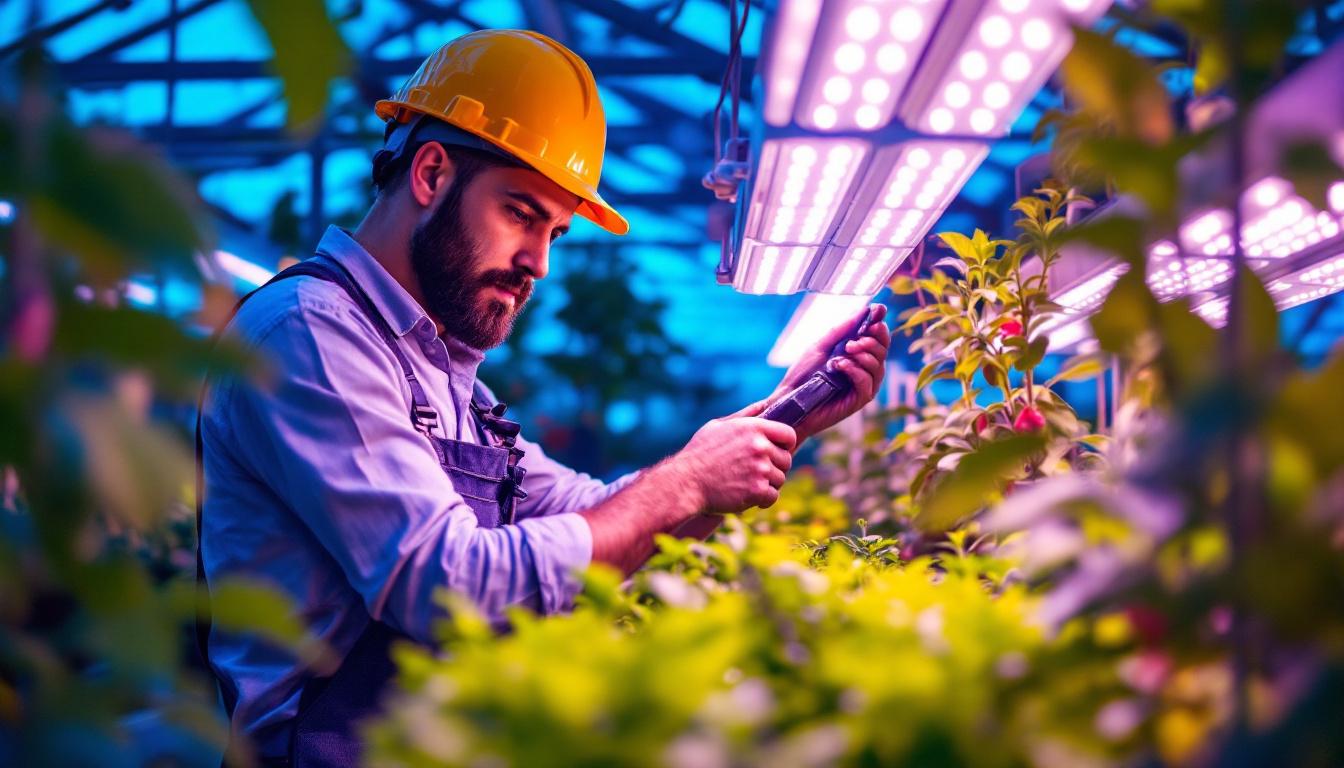
In the evolving landscape of horticultural lighting, LED grow lamps have emerged as a game-changer for lighting contractors. These innovative lighting solutions not only enhance plant growth but also offer energy efficiency and longevity. The spectrum of light emitted by LED grow lamps can be tailored to meet the specific needs of various plants, promoting optimal photosynthesis and growth cycles. However, the transition to LED technology comes with its own set of challenges that contractors must navigate to ensure successful implementation and client satisfaction.
This article delves into the various challenges faced by lighting contractors when working with LED grow lamps and provides practical strategies to overcome these obstacles. One of the primary challenges is the initial cost of LED systems, which, while decreasing over time, can still be a barrier for some clients. Contractors must effectively communicate the long-term savings on energy bills and replacement costs to justify the upfront investment. By understanding the nuances of LED technology and its application in horticulture, contractors can position themselves as experts in the field.
Moreover, the rapid advancement in LED technology means that contractors must stay informed about the latest developments, such as the integration of smart technology and automated systems that optimize light exposure based on plant needs. This not only enhances the efficiency of the grow lamps but also appeals to tech-savvy clients looking for modern solutions. Additionally, understanding the thermal management of LED systems is crucial, as improper heat dissipation can lead to reduced lifespan and performance. By mastering these technical aspects, contractors can provide tailored solutions that meet the unique requirements of their clients’ growing environments, ensuring both productivity and satisfaction.
Understanding the Technology Behind LED Grow Lamps
Before tackling the challenges, it is essential for contractors to grasp the fundamental technology behind LED grow lamps. Unlike traditional lighting solutions, LEDs produce light through electroluminescence, which is more efficient and generates less heat. This technology allows for tailored light spectrums that can significantly influence plant growth. The ability to emit specific wavelengths means that growers can provide plants with the exact light they need during different growth stages, from germination to flowering, thereby maximizing their potential.
Moreover, the compact design of LED grow lamps enables them to be placed closer to plants without the risk of overheating, which is a common issue with high-intensity discharge (HID) lamps. This proximity not only ensures that plants receive adequate light but also saves space in indoor growing environments, making them ideal for urban farming and vertical gardens.
The Benefits of LED Grow Lamps
LED grow lamps offer several advantages over conventional lighting systems. Firstly, they consume less energy, leading to lower electricity bills for clients. Secondly, their longevity means fewer replacements, which can reduce maintenance costs. Lastly, the ability to customize light spectrums allows for optimized growth conditions, which can enhance crop yields. For instance, blue light is crucial during the vegetative stage, while red light is more beneficial during flowering. By adjusting the spectrum according to the plant’s needs, growers can achieve faster growth rates and healthier plants.
Additionally, LED grow lamps are environmentally friendly, as they do not contain harmful substances like mercury, which is often found in traditional bulbs. This makes them a safer option for both growers and the environment. The reduced heat output also means that less energy is required for cooling systems, further contributing to an eco-friendly growing setup. As sustainability becomes increasingly important in agriculture, the adoption of LED technology aligns well with modern eco-conscious practices.
Common Misconceptions
Despite their benefits, there are still misconceptions surrounding LED grow lamps. Some contractors may believe that all LEDs are created equal, while others may underestimate the importance of light spectrum in plant growth. Educating clients about these nuances can help dispel myths and promote informed decision-making. For example, some may think that simply having a bright light is sufficient for plant growth, overlooking the fact that different plants require different light spectrums for optimal health.
Furthermore, there is a misconception that LED grow lamps are prohibitively expensive. While the initial investment may be higher compared to traditional lighting, the long-term savings in energy and replacement costs often outweigh the upfront price. By presenting a clear cost-benefit analysis to clients, contractors can help them see the value in investing in quality LED grow lamps, ultimately leading to healthier plants and increased profitability in their growing operations.
Challenges Faced by Lighting Contractors
While the advantages of LED grow lamps are clear, lighting contractors often encounter specific challenges in their implementation. Understanding these hurdles is the first step toward overcoming them.
Initial Cost and Investment
One of the primary challenges is the initial cost associated with LED technology. Although LEDs save money in the long run, the upfront investment can deter clients. Contractors must be prepared to justify the costs by highlighting the long-term savings and benefits.
To address this challenge, providing a detailed cost-benefit analysis can be effective. This analysis should include energy savings, maintenance costs, and potential increases in crop yield. By presenting a comprehensive financial overview, contractors can help clients see the value in investing in LED grow lamps.
Technical Knowledge and Expertise
Another significant challenge is the technical knowledge required to install and maintain LED grow lamps effectively. The rapid advancements in LED technology mean that contractors must stay updated on the latest products and installation techniques.
To overcome this, ongoing education and training are essential. Participating in workshops, webinars, and industry conferences can enhance knowledge and skills. Additionally, collaborating with manufacturers can provide insights into new technologies and best practices.
Strategies for Successful Implementation
Successfully implementing LED grow lamps requires a strategic approach. By focusing on specific areas, lighting contractors can streamline the process and enhance client satisfaction.
Client Education and Communication
Educating clients about the benefits and functionalities of LED grow lamps is crucial. Clear communication can help manage expectations and build trust. Contractors should take the time to explain how LED technology works, the advantages it offers, and how it can be tailored to meet specific horticultural needs.
Providing visual aids, such as charts and graphs, can also help convey complex information more effectively. Demonstrating the difference in energy consumption and growth rates between LED and traditional lighting can be particularly impactful.
Customized Lighting Solutions
Every horticultural application is unique, and one-size-fits-all solutions rarely yield optimal results. Lighting contractors should focus on providing customized lighting solutions tailored to the specific needs of each client. This includes considering factors such as plant types, growth stages, and environmental conditions.
Utilizing software tools that simulate light conditions can aid in designing the most effective lighting setup. By offering personalized solutions, contractors can enhance the effectiveness of their installations and improve client satisfaction.
Addressing Installation Challenges
Installation is a critical phase in the implementation of LED grow lamps. Several challenges can arise during this process, and addressing them proactively is essential for a successful outcome.
Proper Placement and Configuration
One of the key challenges during installation is ensuring proper placement and configuration of the LED grow lamps. Incorrect positioning can lead to uneven light distribution, which can negatively impact plant growth. Contractors must carefully assess the layout of the growing area and determine the optimal placement for each lamp.
Utilizing tools such as light meters can help measure light intensity at various points in the growing area, ensuring that all plants receive adequate illumination. Additionally, understanding the specific light requirements of different plants can guide placement decisions.
Electrical Considerations
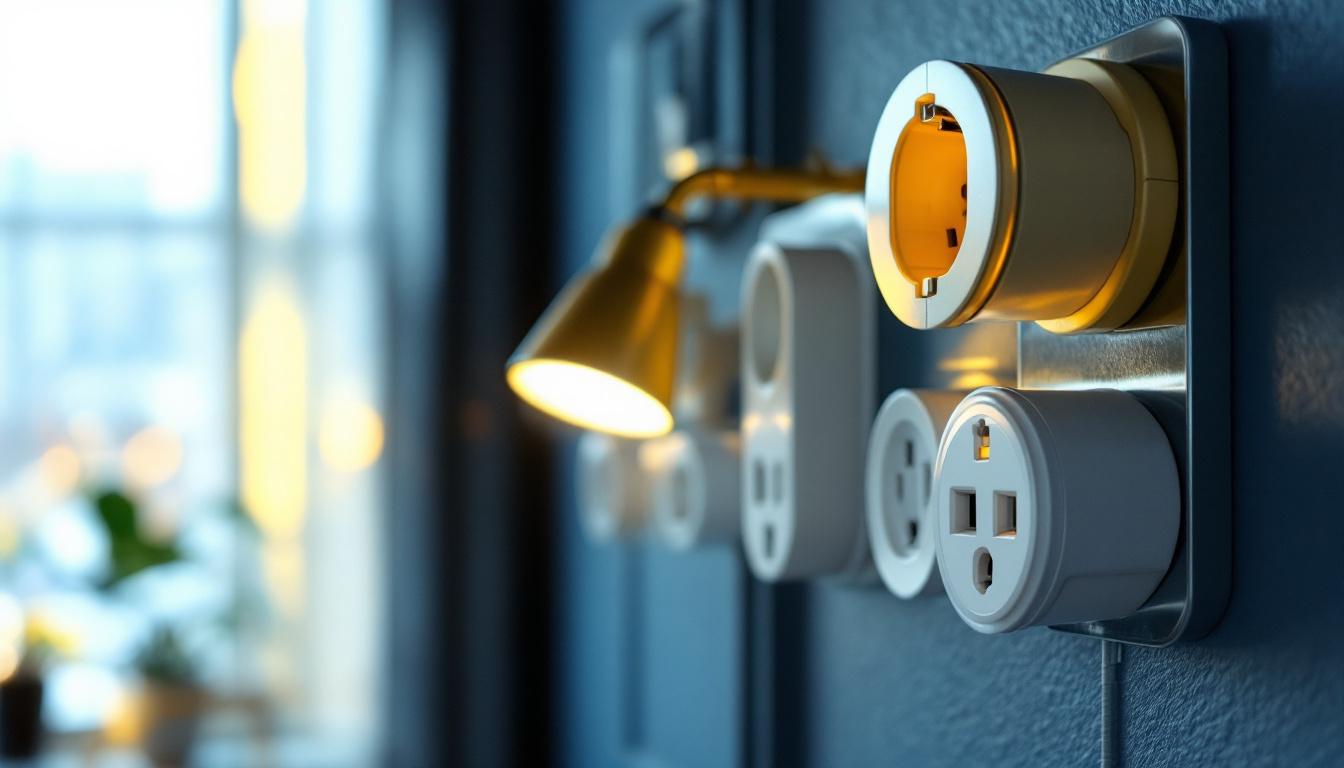
LED grow lamps often require specific electrical configurations to function optimally. Contractors must be aware of the electrical requirements and ensure that the existing infrastructure can support the new lighting system. This may involve upgrading circuits or installing additional outlets.
Working closely with electricians can help mitigate electrical challenges. Establishing clear communication between contractors and electricians ensures that all technical specifications are met, leading to a smoother installation process.
Maintenance and Longevity of LED Grow Lamps
Once installed, the maintenance of LED grow lamps is crucial for their longevity and effectiveness. Lighting contractors must educate clients on proper maintenance practices to ensure optimal performance over time.
Regular Cleaning and Inspection
Dust and debris can accumulate on LED grow lamps, reducing their efficiency and light output. Contractors should advise clients on the importance of regular cleaning and inspection. Establishing a maintenance schedule can help ensure that lamps remain in peak condition.
During inspections, contractors should also check for any signs of wear or malfunction. Early detection of issues can prevent costly repairs or replacements down the line.
Upgrading Technology
As technology evolves, so do the capabilities of LED grow lamps. Contractors should stay informed about advancements in LED technology and be prepared to recommend upgrades when appropriate. This not only enhances the performance of the lighting system but also demonstrates a commitment to providing clients with the best solutions available.
Encouraging clients to consider upgrades as part of their long-term strategy can foster loyalty and repeat business. By positioning themselves as knowledgeable partners, contractors can build lasting relationships with their clients.
Conclusion: Embracing the Future of Horticultural Lighting
LED grow lamps represent a significant advancement in horticultural lighting, offering numerous benefits for both contractors and clients. While challenges exist, they can be effectively managed through education, communication, and strategic planning. By embracing the technology and staying informed about industry trends, lighting contractors can overcome obstacles and thrive in the competitive landscape.
Ultimately, the success of LED grow lamp installations hinges on the contractor’s ability to understand the technology, communicate effectively with clients, and provide tailored solutions. As the demand for energy-efficient and effective lighting solutions continues to grow, contractors who adapt and innovate will be well-positioned for success in the future.
Illuminate Your Projects with LumenWholesale
Ready to elevate your lighting game with the latest LED grow lamps? Look no further than LumenWholesale, where we provide lighting contractors with the highest quality, spec-grade lighting products at unbeatable wholesale prices. Say goodbye to local distributor markups and hello to superior lighting solutions that meet the highest industry standards. With our hassle-free bulk buying and free shipping, you can secure premium lighting at the best value — ensuring your projects shine without hidden fees or compromises. Discover wholesale lighting at the best value today and join the future of horticultural lighting with LumenWholesale.