In the world of dental practices, the importance of effective lighting cannot be overstated. Not only does it enhance the visibility of intricate procedures, but it also plays a pivotal role in creating a welcoming environment for patients. For lighting contractors, understanding the unique requirements of dental offices is essential. This article delves into the various approaches that smart lighting contractors can adopt to optimize dental lighting solutions.
The Importance of Proper Lighting in Dental Practices
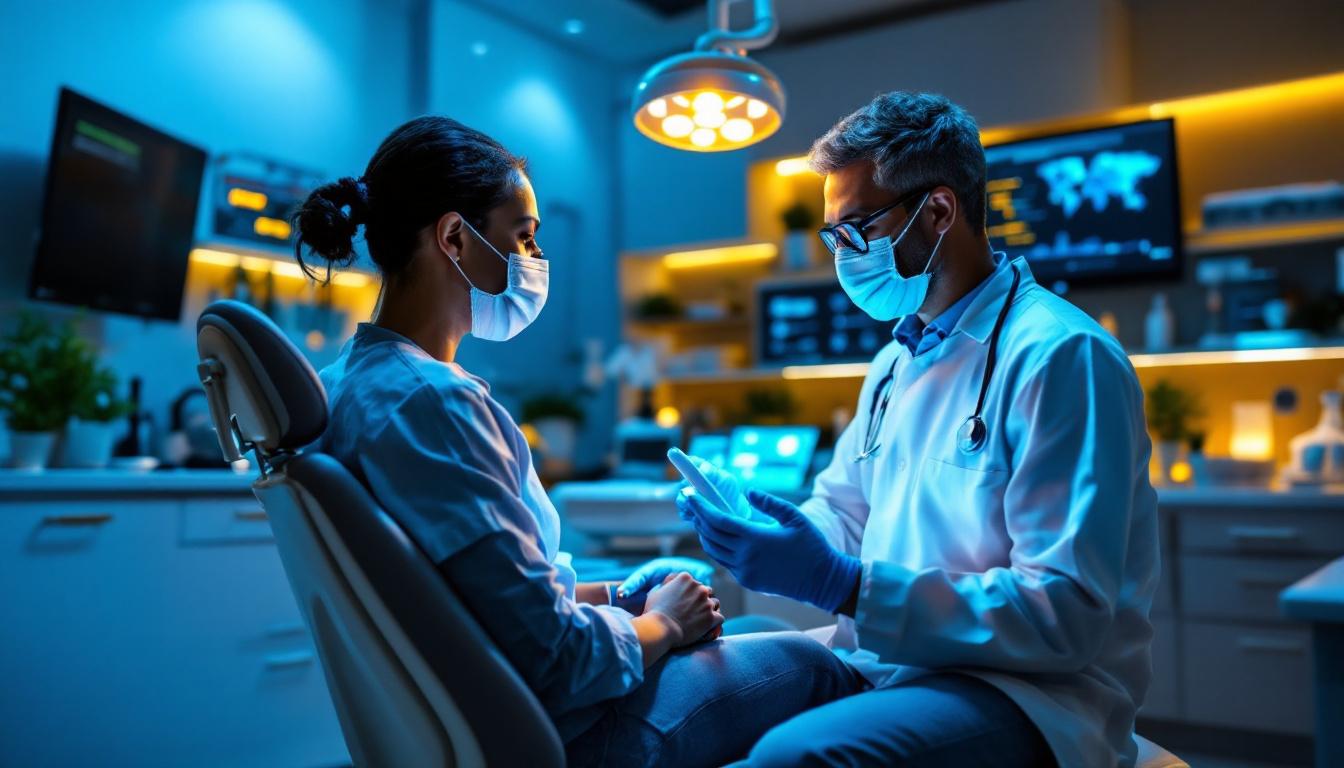
Effective lighting in a dental office goes beyond mere visibility; it significantly impacts the overall patient experience and the efficiency of dental procedures. Proper illumination can reduce eye strain for practitioners and create a calming atmosphere for patients, which can alleviate anxiety often associated with dental visits. The psychological effect of lighting should not be underestimated; studies have shown that well-lit environments can foster a sense of safety and comfort, making patients more likely to return for regular check-ups and necessary treatments.
Moreover, the right lighting can enhance the accuracy of dental work. Procedures such as fillings, crowns, and extractions require precise visibility to ensure optimal outcomes. Therefore, understanding the specific lighting needs of dental practices is crucial for contractors looking to provide tailored solutions. In addition to improving the quality of care, effective lighting can also streamline workflow, allowing dental professionals to perform tasks more efficiently, thereby reducing the time patients spend in the chair.
Types of Dental Lighting
When it comes to dental lighting, there are several types that contractors should be familiar with. Each type serves a distinct purpose and offers unique benefits. The most common types include:
- Overhead Lighting: This is the primary source of illumination in dental offices, typically provided by ceiling-mounted fixtures. It should be bright enough to illuminate the entire room while minimizing shadows. Overhead lighting can also be designed to be adjustable, allowing for variations in brightness depending on the procedure being performed.
- Task Lighting: Focused lights that assist dentists during procedures. These lights are often adjustable and can be directed towards the area of interest, ensuring maximum visibility. Many modern task lights come with features such as color rendering capabilities, which can further aid in the precision of dental work.
- Ambient Lighting: This type of lighting creates a comfortable atmosphere in the waiting area and treatment rooms. It should be soft and inviting, helping to ease patient anxiety. Ambient lighting can also be enhanced with the use of dimmers, allowing for adjustments based on the time of day or the specific needs of the practice.
Color Temperature and Its Impact
The color temperature of lighting is a critical aspect that contractors must consider. Measured in Kelvins (K), color temperature affects how colors appear under different lighting conditions. In dental practices, a color temperature of around 5000K to 6000K is often recommended, as it mimics natural daylight.
This daylight-like illumination not only enhances visibility but also allows dental professionals to accurately assess the color of dental materials and tissues. Using the wrong color temperature can lead to misjudgments in shade matching, which can adversely affect the quality of dental work. Additionally, the psychological effects of color temperature should not be overlooked; warmer tones can create a more inviting space, while cooler tones can enhance focus and alertness, making them suitable for different areas within the practice.
Furthermore, the integration of LED technology in dental lighting has revolutionized the field. LEDs are energy-efficient, long-lasting, and available in a variety of color temperatures, making them an excellent choice for modern dental practices. Their low heat emission also ensures that patients remain comfortable during procedures, as excessive heat from traditional lighting can contribute to discomfort. As dental technology continues to evolve, staying informed about the latest advancements in lighting can provide practices with a competitive edge while ensuring the best possible care for patients.
Innovative Lighting Solutions for Dental Offices
As technology advances, so do the options available for dental lighting. Smart lighting solutions are becoming increasingly popular, offering flexibility and efficiency that traditional lighting cannot match. These innovations can significantly enhance the functionality of dental practices.
LED Lighting Technology
LED lights are rapidly becoming the standard in dental offices due to their energy efficiency and longevity. Unlike traditional incandescent bulbs, LEDs consume less power and have a lifespan that can extend up to 25,000 hours or more.
Additionally, LEDs can be easily integrated into various lighting systems, allowing for customizable lighting solutions. They can be dimmed or brightened as needed, providing dentists with the ability to adjust the lighting based on the specific procedure being performed.
Smart Lighting Controls
Smart lighting controls are revolutionizing how dental practices manage their lighting systems. These controls allow for automated adjustments based on occupancy, time of day, or even specific procedures. For instance, lights can be programmed to brighten automatically when a procedure begins and dim when the room is empty.
Furthermore, smart controls can be integrated with other systems in the dental office, such as HVAC and security, creating a cohesive environment that enhances both functionality and patient comfort.
Design Considerations for Dental Lighting
When designing a lighting plan for a dental office, several factors must be taken into account. These considerations ensure that the lighting not only meets the functional needs of the practice but also contributes to a positive patient experience.
Spatial Layout
The spatial layout of a dental office significantly influences the lighting design. Each area, from the waiting room to the treatment rooms, has unique lighting needs. For example, the waiting area should have softer, ambient lighting to create a calming atmosphere, while treatment rooms require brighter, focused lighting for visibility during procedures.
Contractors should assess the layout and functionality of each space, ensuring that the lighting design complements the workflow of dental professionals while catering to patient comfort.
Fixture Selection
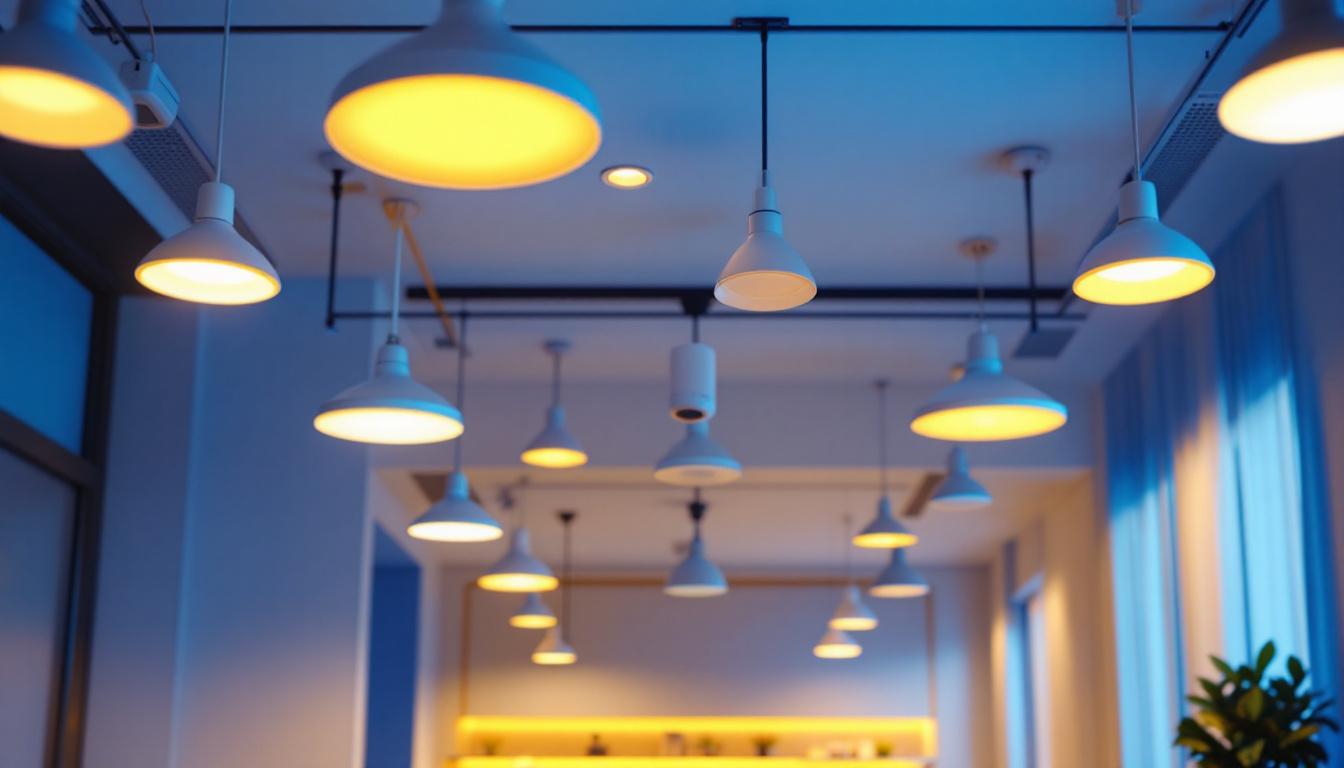
The choice of light fixtures is another critical aspect of dental lighting design. Fixtures should be selected based on their ability to provide adequate illumination while also fitting seamlessly into the aesthetic of the practice. Options range from recessed lighting to pendant fixtures, each offering different advantages.
Moreover, fixtures should be easy to clean and maintain, as dental environments require high standards of hygiene. Selecting materials that resist staining and are easy to sanitize can help maintain a professional appearance.
Challenges in Dental Lighting
While there are numerous advantages to optimizing lighting in dental practices, several challenges can arise. Understanding these challenges allows contractors to develop effective solutions that meet the unique needs of dental professionals.
Glare and Shadows
One of the most significant challenges in dental lighting is managing glare and shadows. Excessive glare can cause discomfort for both the dentist and the patient, while shadows can obscure critical areas during procedures. To mitigate these issues, contractors should consider the placement and angle of light fixtures carefully.
Using diffusers and adjustable fixtures can help soften the light and reduce glare. Additionally, a combination of overhead and task lighting can minimize shadows, providing a more even distribution of light throughout the treatment area.
Energy Efficiency and Sustainability
As dental practices become more conscious of their environmental impact, energy efficiency and sustainability have become pressing concerns. Lighting contractors must stay informed about the latest energy-efficient technologies and practices to provide solutions that align with these values.
Implementing LED lighting and smart controls can significantly reduce energy consumption. Furthermore, educating dental practices about the benefits of energy-efficient lighting can help them make informed decisions that contribute to sustainability.
Future Trends in Dental Lighting
The field of dental lighting is continually evolving, with new trends emerging that promise to enhance the functionality and aesthetics of dental practices. Staying ahead of these trends can provide contractors with a competitive edge.
Integration with Telehealth
As telehealth becomes more prevalent, the need for effective lighting in virtual consultations is growing. Dental practices must ensure that their lighting is suitable for video calls, allowing for clear visibility of the dentist and any dental work being discussed.
Contractors can assist by recommending adjustable lighting solutions that can be tailored for both in-person and virtual consultations, ensuring that dental professionals can maintain high standards of visibility regardless of the medium.
Human-Centric Lighting
Human-centric lighting focuses on the biological effects of light on individuals, aiming to enhance well-being and productivity. This approach is gaining traction in various sectors, including healthcare.
In dental practices, implementing human-centric lighting can help regulate circadian rhythms and improve overall patient comfort. Contractors can explore options that adjust the color temperature and intensity of lighting throughout the day, aligning with natural light patterns to create a more inviting environment.
Conclusion
Effective lighting in dental practices is a multifaceted challenge that requires a deep understanding of the unique needs of dental professionals and their patients. By adopting innovative approaches and staying informed about the latest trends, lighting contractors can provide solutions that enhance both functionality and aesthetics.
From understanding the importance of color temperature to integrating smart controls and considering the spatial layout, every aspect of dental lighting design plays a crucial role in the success of a dental practice. As the industry continues to evolve, embracing new technologies and trends will ensure that lighting contractors remain at the forefront of this essential field.
Illuminate Your Dental Practice with LumenWholesale
Ready to elevate the lighting in your dental office with solutions that blend innovation, functionality, and cost-effectiveness? LumenWholesale is here to light the way. Our extensive selection of spec-grade lighting products is designed to meet the intricate needs of dental professionals, ensuring you can create the perfect environment for both practitioners and patients. With unbeatable wholesale prices and the convenience of free shipping on bulk orders, you can trust LumenWholesale to provide premium lighting without the premium price tag. Enhance your dental practice’s lighting today and discover the best value in wholesale lighting by visiting Wholesale Lighting at the Best Value.