Understanding 100 Ft Lights: Key Features and Applications
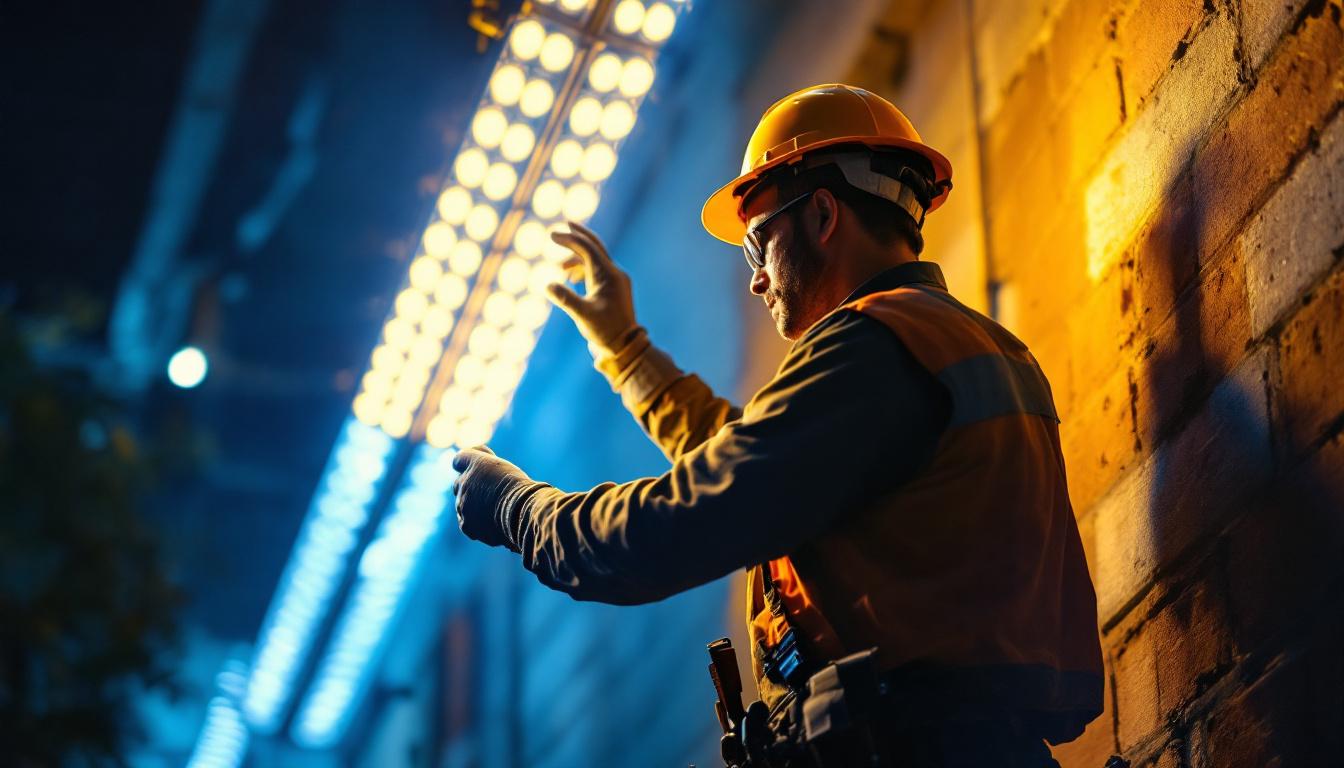
For lighting contractors, selecting the right lighting solutions is paramount to delivering safe, efficient, and visually appealing installations. Among the various options available, 100 ft lights stand out for their versatility in both commercial and industrial settings. These lighting fixtures are designed to illuminate large areas from significant heights, making them ideal for stadiums, parking lots, construction sites, and outdoor event spaces.
One of the defining characteristics of 100 ft lights is their ability to provide broad, uniform illumination over expansive areas. This is achieved through high-intensity lamps combined with specialized optics that direct light precisely where it is needed. The height at which these lights are mounted reduces shadows and glare, enhancing visibility and safety for both workers and the public.
Moreover, 100 ft lighting systems often incorporate advanced technologies such as LED modules, smart controls, and energy-efficient ballasts. These features not only improve performance but also contribute to sustainability goals by lowering energy consumption and maintenance costs. The integration of smart technology allows for remote monitoring and control, enabling contractors to adjust lighting levels based on real-time conditions, further optimizing energy use and enhancing operational efficiency.
Common Uses and Industry Standards
Lighting contractors frequently encounter 100 ft lights in projects involving sports arenas, large-scale warehouses, and transportation hubs. The ability to illuminate vast spaces with minimal fixtures reduces installation complexity and operational expenses. In sports arenas, for instance, these lights are crucial for ensuring that athletes and spectators alike can enjoy a well-lit environment, enhancing the overall experience during events. Additionally, in warehouses, proper lighting is essential for safety and productivity, as it helps workers navigate large areas efficiently while reducing the risk of accidents.
Compliance with industry standards such as the Illuminating Engineering Society (IES) guidelines and local electrical codes is essential. These standards dictate illumination levels, uniformity ratios, and safety requirements to ensure that installations meet both functional and regulatory expectations. Furthermore, understanding the specific lighting needs of different environments can guide contractors in selecting the appropriate fixtures and configurations. For example, in outdoor settings, considerations such as weather resistance and light pollution control become critical to ensure that the lighting not only meets safety standards but also minimizes its impact on surrounding areas. This attention to detail not only enhances the effectiveness of the lighting solution but also fosters community goodwill by demonstrating a commitment to responsible lighting practices.
“`html
Choosing the Right 100 Ft Lighting System: Factors to Consider
Selecting the appropriate 100 ft lighting system requires a thorough understanding of the project’s specific needs and constraints. Several critical factors influence this decision, including light output, energy efficiency, durability, and control options.
Light Output and Distribution
Light output, measured in lumens, determines the brightness of the lighting fixture. For 100 ft installations, high lumen output is necessary to compensate for the distance light must travel. However, brightness alone is not sufficient; the distribution pattern must ensure even coverage without creating hotspots or dark zones.
Optical design plays a crucial role here. Fixtures with adjustable beam angles or specialized lenses can tailor light distribution to the geometry of the space. For example, a rectangular beam might be ideal for elongated parking lots, while a circular pattern suits open fields. Furthermore, utilizing reflectors and diffusers can enhance the quality of light, providing a softer, more uniform illumination that is less harsh on the eyes, which is particularly important in public spaces where comfort and safety are paramount.
Energy Efficiency and Sustainability
Energy consumption is a significant consideration, especially for large-scale lighting projects. LED technology has revolutionized this aspect by offering superior efficiency compared to traditional metal halide or high-pressure sodium lamps. LEDs consume less power, have longer lifespans, and generate less heat, reducing cooling requirements.
Lighting contractors should also evaluate the availability of dimming controls and smart lighting systems. These enable dynamic adjustment of light levels based on occupancy, daylight availability, or time schedules, further optimizing energy use. Additionally, the use of solar-powered LED fixtures can be a sustainable choice for remote areas or locations where extending electrical infrastructure is impractical, providing an eco-friendly solution that harnesses renewable energy and reduces carbon footprints.
Durability and Environmental Resistance
Given their outdoor applications, 100 ft lights must withstand harsh environmental conditions such as wind, rain, dust, and temperature extremes. Fixtures with robust housings, corrosion-resistant materials, and high ingress protection (IP) ratings ensure longevity and reliable performance.
Additionally, vibration resistance is important in areas prone to seismic activity or heavy machinery operation. Selecting fixtures tested and certified for such conditions minimizes maintenance and replacement costs. It’s also beneficial to consider the impact of UV exposure on materials, as prolonged sunlight can degrade certain plastics and coatings, leading to premature failure. Choosing UV-stabilized materials can help maintain the aesthetic and functional integrity of the lighting system over time.
Control Systems and Integration
Modern 100 ft lighting systems often incorporate intelligent controls that allow remote monitoring and management. Integration with building management systems (BMS) or Internet of Things (IoT) platforms can provide real-time data on energy consumption, fixture status, and maintenance needs.
Lighting contractors should consider compatibility with existing infrastructure and the ease of installation and programming. Wireless control options reduce wiring complexity and facilitate retrofits. Moreover, the ability to implement automated scheduling and adaptive lighting solutions can significantly enhance operational efficiency. For example, systems that adjust brightness based on real-time weather conditions or user activity can further reduce energy consumption and improve the overall user experience in public and commercial spaces.
“`
Installation Best Practices for 100 Ft Lights
Installing lighting fixtures at 100 ft height presents unique challenges that require careful planning, specialized equipment, and adherence to safety protocols. Proper installation is critical to ensure optimal performance and longevity of the lighting system.
Site Assessment and Planning
Before installation, a comprehensive site assessment should be conducted. This includes evaluating mounting structures, electrical supply availability, and environmental conditions. Structural engineers may need to verify that poles or towers can support the weight and wind load of the fixtures.
Accurate photometric analysis using lighting design software helps determine the optimal fixture placement and aiming angles. This step prevents costly rework and ensures compliance with illumination standards.
Safety Considerations
Working at heights of 100 ft requires stringent safety measures. Contractors must use certified aerial lifts, scaffolding, or cranes operated by trained personnel. Fall protection equipment such as harnesses and guardrails is mandatory.
Electrical safety is equally important. Lockout/tagout procedures should be followed to prevent accidental energization during installation. Proper grounding and surge protection safeguard both workers and equipment.
Electrical Wiring and Connections
High-quality wiring and connectors rated for outdoor use are essential to prevent failures caused by moisture ingress or mechanical stress. Conduits should be installed to protect cables from physical damage and UV exposure.
Contractors should verify voltage compatibility and ensure all connections meet National Electrical Code (NEC) requirements. Testing for continuity, insulation resistance, and polarity helps identify potential issues before energizing the system.
Commissioning and Testing
After installation, thorough commissioning verifies that all fixtures operate correctly and meet design specifications. This includes checking light levels, beam alignment, and control system functionality.
Documenting test results and providing clients with operation manuals and maintenance schedules enhances customer satisfaction and supports long-term system reliability.
Maintenance and Troubleshooting of 100 Ft Lighting Systems
Effective maintenance strategies extend the lifespan of 100 ft lights and minimize downtime. Lighting contractors play a vital role in establishing preventive maintenance programs and responding promptly to issues.
Routine Inspection and Cleaning
Periodic inspections should assess fixture integrity, mounting hardware, and electrical connections. Accumulated dirt, dust, or insect nests can reduce light output and should be cleaned using appropriate methods that do not damage sensitive components.
Contractors should schedule cleaning during low-usage periods to avoid disrupting operations and ensure worker safety.
Component Replacement and Upgrades
Despite their durability, components such as LED drivers, lenses, or control modules may require replacement over time. Keeping an inventory of compatible parts and maintaining detailed records of installed equipment facilitates efficient repairs.
Upgrading to newer technologies, such as advanced sensors or wireless controls, can improve system performance and reduce operational costs.
Troubleshooting Common Issues
Common problems with 100 ft lights include flickering, dimming, or complete failure. These symptoms may result from electrical faults, thermal stress, or environmental damage.
Systematic troubleshooting involves checking power supply stability, verifying control signals, and inspecting for physical damage. Utilizing diagnostic tools like thermal cameras or multimeters aids in pinpointing issues quickly.
Emerging Trends and Innovations in High-Mast Lighting
The lighting industry is continuously evolving, and contractors must stay informed about emerging trends to offer cutting-edge solutions to clients.
Advancements in LED Technology
Recent developments in LED chip design and thermal management have led to even higher lumen outputs and improved energy efficiency. These advancements enable fewer fixtures to achieve the same or better illumination levels, reducing installation and maintenance costs.
Additionally, tunable white LEDs allow dynamic adjustment of color temperature, enhancing visual comfort and adapting to different activities or times of day.
Smart Lighting and IoT Integration
Integration of sensors, wireless communication, and cloud-based analytics is transforming high-mast lighting into intelligent systems. These smart lights can automatically adjust brightness, detect faults, and provide usage data, enabling proactive maintenance and energy savings.
Lighting contractors equipped with knowledge of these technologies can differentiate their services and deliver added value to clients.
Sustainability and Regulatory Drivers
Increasing emphasis on sustainability and stricter regulations regarding light pollution and energy consumption are shaping lighting design choices. Contractors must consider fixtures with shielding to minimize glare and light trespass, as well as comply with dark sky initiatives.
Incorporating renewable energy sources such as solar-powered high-mast lights is gaining traction, especially in remote or off-grid locations.
Conclusion
For lighting contractors, mastering the selection, installation, and maintenance of 100 ft lights is essential to meeting the demands of large-scale illumination projects. Understanding the technical specifications, safety requirements, and emerging technologies enables contractors to deliver high-quality, efficient, and sustainable lighting solutions.
By staying current with industry standards and innovations, lighting professionals can enhance their expertise, improve client satisfaction, and contribute to safer, better-lit environments across a wide range of applications.
Illuminate Your Projects with LumenWholesale
Ready to elevate your lighting projects with the best in 100 ft lights? Look no further than LumenWholesale, where we provide contractors with exceptional, spec-grade lighting solutions at wholesale prices that can’t be beaten. Our commitment to quality and affordability ensures that you can light up any space without breaking the bank. Plus, with free shipping on bulk orders, you can trust that you’re getting premium value with every purchase. Don’t let middleman markups dim your project’s potential. Choose LumenWholesale for lighting that meets the highest industry standards. Wholesale Lighting at the Best Value is just a click away.