As the demand for sustainable energy solutions continues to rise, solar energy light poles have emerged as a popular choice for illuminating public spaces, streets, and commercial properties. For lighting contractors, understanding the compliance requirements and best practices associated with solar energy light poles is crucial for ensuring successful installations and satisfied clients. This article delves into the essential aspects of solar energy light poles, including compliance considerations, installation best practices, and the benefits they offer.
Understanding Solar Energy Light Poles
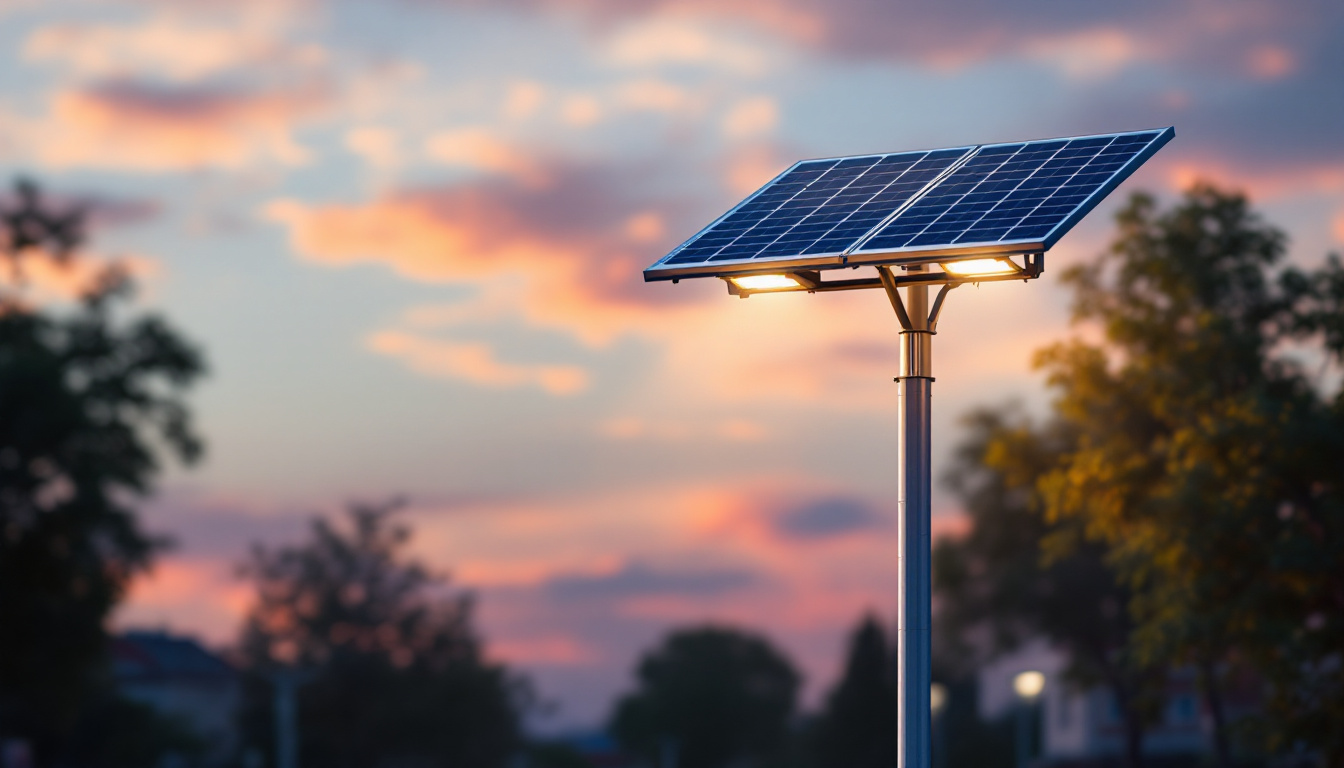
Solar energy light poles are designed to harness sunlight and convert it into electrical energy, which powers LED lights. These poles are equipped with solar panels, batteries, and LED fixtures, providing an eco-friendly alternative to traditional lighting solutions. By utilizing renewable energy, solar light poles contribute to reducing carbon footprints and promoting sustainability in urban and rural environments. Additionally, they can be integrated into smart city initiatives, providing not just illumination but also data collection capabilities that can enhance urban planning and safety.
Components of Solar Energy Light Poles
To fully grasp the functionality of solar energy light poles, it is essential to understand their key components. The primary elements include:
- Solar Panels: These panels capture sunlight and convert it into electricity. The efficiency of the solar panels can significantly impact the performance of the light pole.
- Batteries: The batteries store the energy generated by the solar panels, ensuring that the lights can operate during nighttime or cloudy days.
- LED Fixtures: LED lights are energy-efficient and have a longer lifespan compared to traditional bulbs, making them ideal for solar applications.
Understanding these components helps contractors select the right products for their projects and ensures that installations meet client expectations. Moreover, advancements in technology have led to the development of smart solar light poles that can be equipped with sensors for motion detection, dimming capabilities, and even Wi-Fi hotspots, making them multifunctional assets in public spaces.
Benefits of Solar Energy Light Poles
Solar energy light poles offer numerous advantages that make them an appealing choice for contractors and clients alike. Some of the key benefits include:
- Cost Savings: While the initial investment may be higher than traditional light poles, the long-term savings on electricity bills and maintenance costs can be substantial.
- environmental impact: By utilizing renewable energy, solar light poles reduce reliance on fossil fuels and lower greenhouse gas emissions.
- Easy Installation: Solar light poles are often easier to install than traditional systems since they do not require extensive wiring or access to electrical grids.
In addition to these benefits, solar energy light poles can enhance public safety by providing consistent lighting in parks, streets, and pathways, thereby deterring crime and improving visibility for pedestrians and cyclists. Furthermore, their ability to operate independently of the electrical grid makes them particularly valuable in remote areas or during emergencies, where conventional power sources may be unavailable. This versatility not only supports community safety but also encourages the adoption of renewable energy solutions across various sectors.
Compliance Considerations for Lighting Contractors
Compliance with local, state, and federal regulations is a critical aspect of installing solar energy light poles. Contractors must be aware of the various codes and standards that apply to their projects to avoid legal issues and ensure safety.
Building Codes and Regulations
Each jurisdiction has specific building codes that govern the installation of solar energy systems. These codes may dictate the following:
- Height and Placement: Regulations often specify how high light poles can be and where they can be placed, especially in residential areas.
- Electrical Standards: Compliance with electrical codes is essential, even for solar installations. This includes ensuring that the system is properly grounded and that all components are rated for the intended use.
Contractors should consult local building departments to obtain the necessary permits and ensure compliance with all applicable codes before commencing installation. Additionally, it is advisable for contractors to stay updated on any changes to building codes, as these can evolve with advancements in technology and shifts in public policy regarding renewable energy.
Environmental Regulations
In addition to building codes, contractors must also be aware of environmental regulations that may impact solar energy light pole installations. These regulations can include:
- Site Assessments: Some jurisdictions require environmental assessments to evaluate the potential impact of solar installations on local ecosystems.
- Stormwater Management: Regulations may dictate how stormwater runoff is managed in areas where solar light poles are installed, particularly in urban settings.
Being informed about these regulations can help contractors navigate the permitting process more efficiently and avoid potential fines or project delays. Furthermore, contractors should consider engaging with environmental consultants who can provide expertise in conducting thorough assessments and ensuring compliance with sustainability practices. This proactive approach not only aids in meeting regulatory requirements but also enhances the contractor’s reputation as a responsible and environmentally conscious business.
Safety Standards
Safety is paramount in any construction project, and the installation of solar energy light poles is no exception. Contractors must adhere to safety standards that protect both workers and the public. This includes implementing proper safety protocols during installation, such as using personal protective equipment (PPE) and ensuring that all workers are trained in safe handling practices for electrical components.
- Worksite Safety: Contractors should establish clear safety guidelines for the worksite, including signage and barriers to prevent unauthorized access.
- Emergency Procedures: Having a well-defined emergency response plan is essential in case of accidents or unexpected incidents during the installation process.
By prioritizing safety, contractors not only comply with regulations but also foster a culture of responsibility that can lead to improved project outcomes and client satisfaction. Regular safety audits and training sessions can further reinforce this commitment, ensuring that all team members are equipped to handle the unique challenges of solar installations.
Installation Best Practices
Successful installation of solar energy light poles requires careful planning and execution. By following best practices, contractors can ensure that their installations are efficient, compliant, and long-lasting.
Site Assessment and Planning
Before installation, conducting a thorough site assessment is crucial. This involves evaluating the following:
- Sunlight Exposure: Assess the site to determine how much sunlight the solar panels will receive throughout the day. Areas with significant shading from trees or buildings may require alternative solutions.
- Soil Conditions: The type of soil can impact the stability of the light pole. Contractors should ensure that the soil can support the pole’s weight and withstand environmental conditions.
Proper planning at this stage can prevent issues during installation and ensure optimal performance of the solar light poles.
Installation Techniques
When it comes to the actual installation, contractors should adhere to the following techniques:
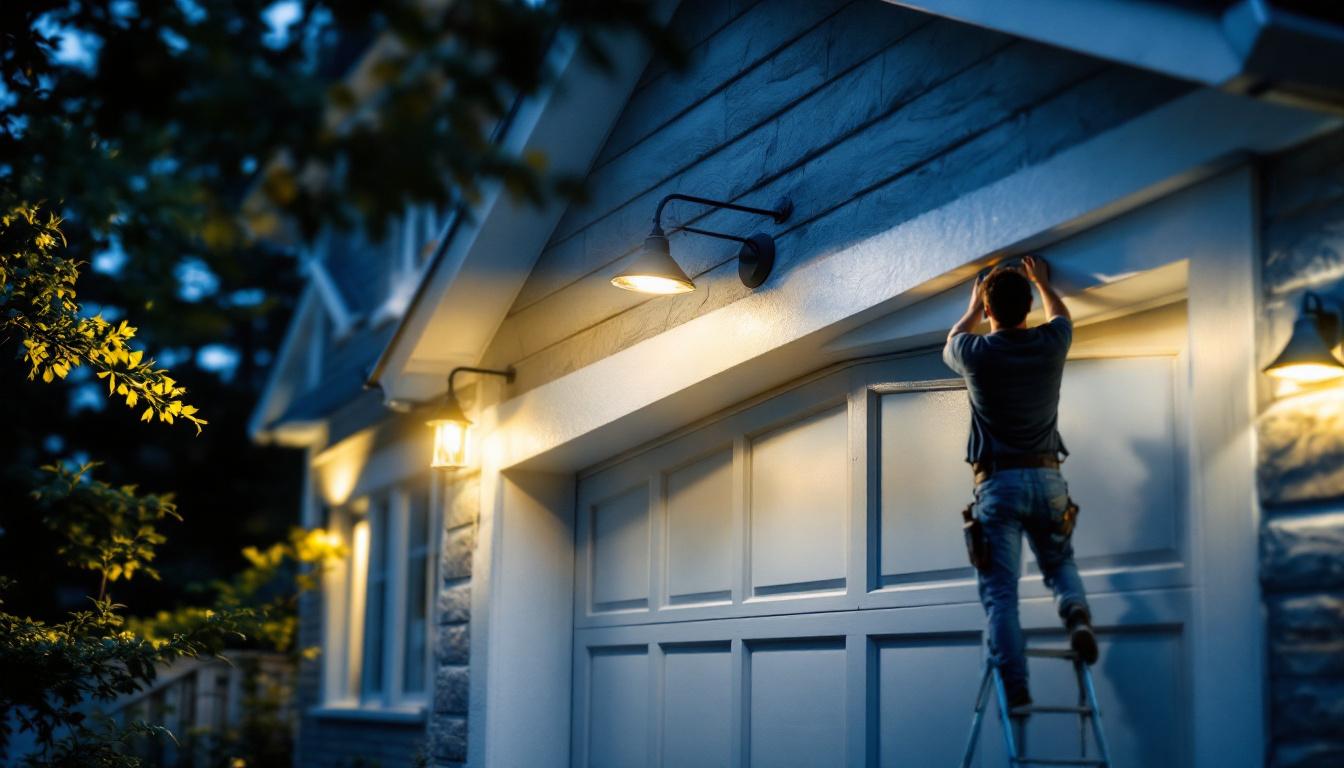
- Follow Manufacturer Guidelines: Each solar light pole will come with specific installation instructions. Adhering to these guidelines is essential for ensuring safety and compliance.
- Secure Mounting: Ensure that the pole is securely mounted and that all components are properly connected. This includes checking the integrity of the solar panels and batteries.
Taking the time to follow these techniques will help ensure a successful installation and reduce the likelihood of future maintenance issues.
Maintenance and Troubleshooting
Regular maintenance is vital for the longevity and efficiency of solar energy light poles. Contractors should inform clients about the importance of upkeep and how to address common issues.
Routine Maintenance Tasks
To keep solar light poles functioning optimally, the following maintenance tasks should be performed regularly:
- Cleaning Solar Panels: Dust, debris, and bird droppings can accumulate on solar panels, reducing their efficiency. Regular cleaning helps ensure maximum sunlight absorption.
- Battery Checks: Monitoring battery health is crucial. Contractors should recommend periodic checks to ensure batteries are holding a charge and functioning correctly.
By establishing a routine maintenance schedule, clients can prolong the life of their solar light poles and maintain their performance.
Troubleshooting Common Issues
Even with proper maintenance, issues may arise. Contractors should be prepared to troubleshoot common problems, such as:
- Dim or Flickering Lights: This may indicate a battery issue or insufficient sunlight exposure. Checking battery connections and ensuring the panels are clean can often resolve the problem.
- Complete System Failure: If the lights do not turn on at all, it may be necessary to inspect the wiring and connections for damage or corrosion.
Being proactive in addressing these issues can prevent larger problems down the line and keep systems running smoothly.
Future Trends in Solar Energy Light Poles
The solar energy industry is continually evolving, and lighting contractors should stay informed about emerging trends that could impact their work. Here are a few trends to watch:
Smart Technology Integration
As technology advances, the integration of smart technology into solar light poles is becoming more common. This includes:
- Remote Monitoring: Systems that allow for remote monitoring of energy production and light performance can help contractors and clients stay informed about system health.
- Adaptive Lighting: Smart solar light poles can adjust brightness based on ambient light levels or pedestrian activity, enhancing energy efficiency.
Contractors who embrace these technologies can offer clients more sophisticated and efficient lighting solutions.
Increased Use of Sustainable Materials
As sustainability becomes a priority across industries, the use of eco-friendly materials in the construction of solar light poles is on the rise. This includes:
- Recycled Materials: Manufacturers are increasingly using recycled materials in the production of solar light poles, reducing environmental impact.
- Durable Coatings: New coatings that enhance durability and resistance to weather conditions are being developed, extending the lifespan of solar light poles.
Contractors should consider these materials when selecting products for their projects, aligning with the growing demand for sustainable solutions.
Conclusion
Solar energy light poles present an exciting opportunity for lighting contractors to contribute to a more sustainable future while meeting the needs of their clients. By understanding compliance requirements, adhering to best practices during installation, and staying informed about industry trends, contractors can ensure successful projects and satisfied customers.
As the market for solar energy continues to expand, embracing these innovative solutions will not only enhance the services offered but also play a significant role in promoting environmental stewardship. With careful planning, execution, and maintenance, solar energy light poles can illuminate spaces while reducing the carbon footprint, paving the way for a brighter, greener future.
Illuminate Your Projects with LumenWholesale
Ready to elevate your lighting installations with solar energy light poles that combine sustainability with performance? At LumenWholesale, we provide lighting contractors with the highest quality, spec-grade lighting products at exceptional wholesale prices. Our commitment to excellence ensures that you have access to reliable and efficient lighting solutions for every project. Plus, with free shipping on bulk orders, you can secure premium lighting without the extra costs. Take the next step towards a brighter, more sustainable future and experience the best value in wholesale lighting. Wholesale Lighting at the Best Value.