Understanding Troffer Lighting: Definition and Applications
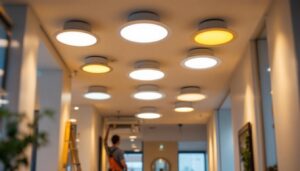
Troffer lighting fixtures are a staple in commercial and institutional lighting design. They are recessed light fixtures typically installed in a modular dropped ceiling grid system, commonly found in offices, schools, hospitals, and retail spaces. The term “troffer” originates from a combination of “trough” and “coffer,” referring to the recessed, box-like shape of the fixture.
These fixtures are usually rectangular or square and designed to house fluorescent or LED lamps. Their primary function is to provide uniform, diffuse lighting over large areas, making them ideal for environments requiring consistent illumination without harsh shadows or glare. For lighting contractors, understanding the nuances of troffer fixtures is essential for delivering efficient, compliant, and aesthetically pleasing lighting solutions.
In addition to their functional benefits, troffer lights are increasingly being designed with energy efficiency in mind. The shift from traditional fluorescent bulbs to LED technology not only reduces energy consumption but also extends the lifespan of the fixtures, leading to lower maintenance costs over time. Many modern troffer designs also incorporate smart technology, allowing for features such as dimming, daylight harvesting, and occupancy sensing, which further enhance their efficiency and adaptability to various environments. This makes them a popular choice for organizations aiming to reduce their carbon footprint while maintaining optimal lighting conditions.
Moreover, the versatility of troffer lighting extends beyond mere functionality; they can also be customized to complement the aesthetic of a space. With options for different finishes, colors, and even decorative elements, troffers can seamlessly blend into the architectural design of a room. This adaptability allows designers to create visually appealing environments that enhance productivity and well-being, particularly in settings like educational institutions where lighting can significantly impact learning outcomes. As the demand for both efficiency and aesthetics continues to grow, troffer lighting remains a key component in the evolution of modern lighting design.
Types of Troffer Fixtures and Their Features
Fluorescent Troffers
Traditionally, fluorescent troffers have dominated the commercial lighting market. They typically use T8 or T5 fluorescent tubes, which offer a balance between energy efficiency and brightness. Fluorescent troffers are known for their diffuse light output and relatively low initial cost. However, they require ballasts, which can add complexity to installation and maintenance.
While fluorescent technology has been reliable for decades, it is gradually being supplanted by LED alternatives due to energy savings, longer lifespan, and reduced maintenance. Despite this shift, fluorescent troffers still hold a place in applications where initial cost is a primary concern, such as in budget-conscious renovations or temporary installations. Furthermore, their light quality can be advantageous in settings like schools or hospitals, where a soft, even illumination is essential for comfort and productivity.
LED Troffers
LED troffers represent the modern evolution of recessed lighting. These fixtures integrate LED arrays directly into the troffer housing, eliminating the need for separate lamps or ballasts. LED troffers provide superior energy efficiency, often consuming 40-60% less energy than fluorescent counterparts.
Additionally, LED fixtures offer enhanced control options, including dimming and color temperature adjustment, which can be tailored to specific environments or occupant needs. Their longer lifespan—often exceeding 50,000 hours—reduces replacement frequency and maintenance costs, a significant advantage in commercial settings. The ability to customize lighting not only improves the aesthetic appeal of a space but also contributes to the well-being of occupants, as studies have shown that appropriate lighting can enhance mood and productivity. Moreover, many LED troffers are designed with sleek, modern aesthetics, making them a popular choice for contemporary office spaces and retail environments.
Smart Troffer Fixtures
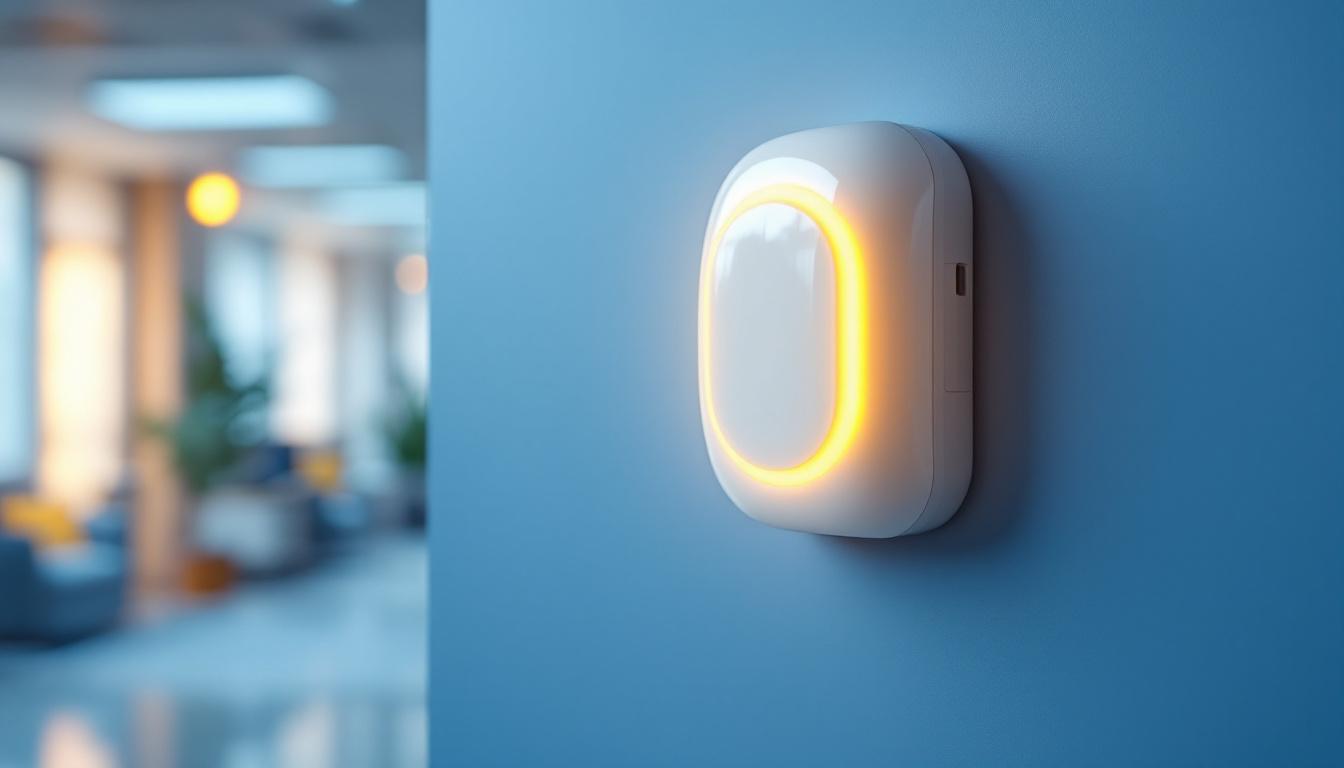
Emerging trends in lighting technology have introduced smart troffer fixtures equipped with sensors and connectivity features. These fixtures can automatically adjust brightness based on occupancy or ambient light levels, contributing to further energy savings and occupant comfort.
For lighting contractors, incorporating smart troffers into projects requires familiarity with integration protocols and controls, ensuring seamless operation within building management systems. The potential for data collection through these smart systems also opens up new avenues for energy management and operational efficiency. By analyzing usage patterns, facility managers can make informed decisions about energy consumption, further optimizing the lighting strategy to align with sustainability goals. Additionally, the integration of smart technology can enhance user experience by allowing occupants to control their individual lighting preferences through mobile apps or voice commands, making the workplace more adaptable and user-friendly.
Key Considerations for Lighting Contractors When Specifying Troffers
Energy Efficiency and Compliance
Energy codes and standards such as ASHRAE 90.1 and the International Energy Conservation Code (IECC) have increasingly stringent requirements for commercial lighting. Troffer fixtures must comply with these regulations, which often mandate high-efficiency lighting solutions and controls.
Lighting contractors should prioritize LED troffers that meet ENERGY STAR® or DesignLights Consortium (DLC) certifications. These certifications not only ensure compliance but may also qualify projects for utility rebates, reducing overall costs.
Light Quality and Color Rendering
Light quality is critical in commercial environments where visual tasks demand clarity and comfort. Troffers should provide a high Color Rendering Index (CRI) of 80 or above to accurately render colors and reduce eye strain. Additionally, selecting appropriate correlated color temperature (CCT) values—typically between 3500K and 5000K—can influence occupant productivity and mood.
Contractors must balance these factors with client preferences and the specific use case of the space, whether it’s a hospital requiring cooler, more clinical lighting or a retail environment benefiting from warmer tones.
Installation and Maintenance Practicalities
Ease of installation is a significant factor for contractors. Troffers designed for quick mounting in standard ceiling grids reduce labor time and costs. Features such as quick-connect wiring and modular components simplify the process.
Maintenance considerations include accessibility for lamp or driver replacement and fixture cleaning. LED troffers typically require less maintenance, but contractors should still evaluate fixture design for serviceability, especially in large-scale projects.
Best Practices for Installation and Retrofit Projects
Pre-Installation Assessment
Before installation, a thorough site assessment is essential. Contractors should verify ceiling grid dimensions, electrical infrastructure, and any existing lighting controls. This evaluation helps determine whether existing troffers can be retrofitted or if full replacement is necessary.
In retrofit scenarios, LED troffer kits that fit into existing fluorescent housings can offer a cost-effective upgrade, improving energy efficiency without extensive ceiling modifications.
Ensuring Proper Wiring and Electrical Compatibility
Troffer fixtures must be compatible with the building’s electrical system. Contractors should confirm voltage requirements, ballast compatibility (for fluorescent fixtures), and driver specifications (for LED fixtures). Adhering to National Electrical Code (NEC) guidelines is mandatory to ensure safety and reliability.
Incorporating surge protection and grounding measures can enhance fixture longevity, particularly in commercial environments with sensitive electronics.
Optimizing Lighting Layout and Controls
Effective lighting design involves strategic placement of troffers to achieve uniform illumination and minimize glare. Contractors should collaborate with lighting designers or use lighting simulation software to optimize fixture spacing and orientation.
Integrating controls such as occupancy sensors, daylight harvesting, and dimming capabilities can significantly reduce energy consumption. Proper commissioning of these systems ensures they operate as intended, maximizing benefits.
Common Challenges and Solutions in Troffer Lighting Projects
Addressing Glare and Light Pollution
Glare can be a common issue with troffer installations, especially in workspaces where computer screens are prevalent. Selecting fixtures with appropriate diffusers or louvers can mitigate glare and improve visual comfort.
Contractors should also consider indirect lighting strategies or supplemental task lighting to balance overall illumination and reduce harsh contrasts.
Managing Thermal Performance
LED troffers generate less heat than fluorescent fixtures but still require adequate thermal management to maintain performance and lifespan. Ensuring proper fixture ventilation and avoiding installation in enclosed or poorly ventilated ceiling spaces is crucial.
Contractors should verify manufacturer guidelines regarding ambient temperature ratings and installation environments to prevent premature fixture failure.
Dealing with Compatibility Issues in Retrofit Projects
Retrofitting older fluorescent troffers with LED technology can sometimes present compatibility challenges, such as mismatched wiring or ballast incompatibility. Selecting retrofit kits designed for specific fixture models or opting for full fixture replacement can alleviate these issues.
Proper labeling and documentation during installation help future maintenance and troubleshooting efforts.
Future Trends in Troffer Lighting and What Contractors Should Know
Advancements in LED Technology
Continuous improvements in LED efficacy, color tuning, and integration with smart building systems are shaping the future of troffer lighting. Contractors should stay informed about emerging products that offer enhanced performance, such as tunable white lighting that adjusts color temperature throughout the day to support circadian rhythms.
Integration with Building Automation Systems
Smart troffer fixtures that communicate with centralized building management systems enable advanced control strategies, including predictive maintenance and energy analytics. Lighting contractors expanding their expertise in these technologies can provide added value to clients seeking intelligent building solutions.
Sustainability and Circular Economy Considerations
Environmental considerations are increasingly influencing lighting specifications. Troffer fixtures designed for easy disassembly and recyclability support circular economy principles. Contractors should advocate for products with low environmental impact and encourage clients to participate in recycling programs.
Conclusion
Troffer lighting remains a fundamental component of commercial and institutional illumination, offering versatility, efficiency, and aesthetic appeal. For lighting contractors, mastering the selection, installation, and maintenance of troffer fixtures is critical to delivering successful projects that meet regulatory requirements and client expectations.
By embracing best practices—such as prioritizing energy-efficient LED technology, ensuring compliance with lighting standards, and integrating smart controls—contractors can enhance their service offerings and contribute to sustainable building environments. Staying abreast of technological advancements and evolving industry trends will position contractors as trusted experts in the competitive lighting market.
Illuminate Your Projects with LumenWholesale
Ready to elevate your lighting projects with the best in troffer lighting solutions? Look no further than LumenWholesale, where we provide lighting contractors with the highest quality, spec-grade lighting products at unbeatable wholesale prices. Say goodbye to local distributor markups and hello to superior lighting products that meet the strictest industry standards. With our hassle-free bulk buying and free shipping, you can trust that you’re getting premium lighting at the best value — without any hidden fees. Make your next project shine with the perfect blend of quality, affordability, and convenience at LumenWholesale.