Sconce lights are an essential element in the world of interior and exterior lighting design. They serve not just as functional fixtures but also as decorative pieces that can enhance the aesthetic appeal of a space. For lighting contractors, understanding the nuances of sconce lights is crucial for delivering quality installations and meeting client expectations. This article delves into what sconce lights are, their various types, installation best practices, and design considerations that lighting contractors should keep in mind.
Understanding Sconce Lights
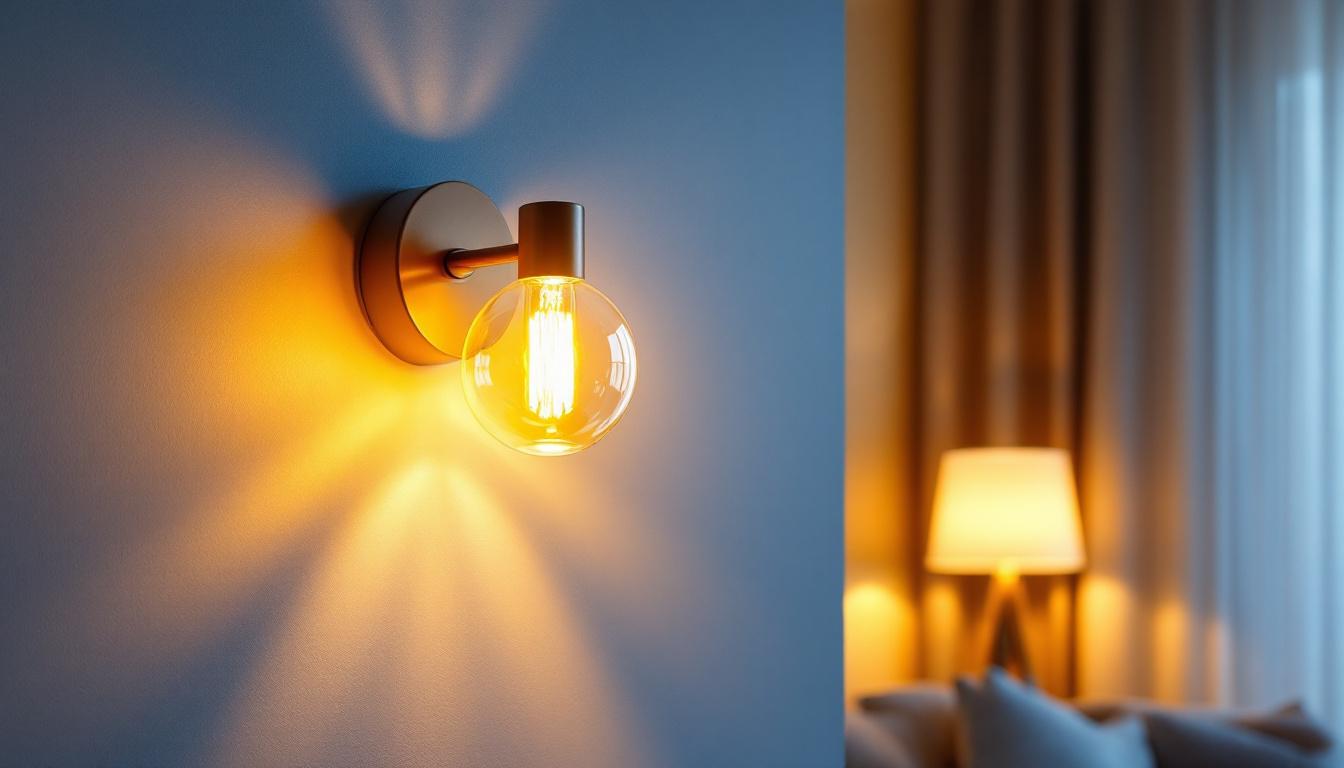
Sconce lights are wall-mounted fixtures that provide ambient, task, or accent lighting. Unlike traditional ceiling-mounted lights, sconces are designed to be installed at eye level, making them versatile for various applications. They can be used in hallways, living rooms, bathrooms, and even outdoor spaces, offering both functionality and style.
Types of Sconce Lights
There are several types of sconce lights available, each suited for different purposes and styles. Understanding these types can help contractors recommend the best options to their clients.
- Wall Sconces: These are the most common type, designed to provide general lighting or accentuate specific areas.
- Flush Mount Sconces: Ideal for low ceilings, these fixtures sit close to the wall and provide unobtrusive lighting.
- Swing Arm Sconces: These versatile fixtures can be adjusted to direct light where it is needed most, making them perfect for reading nooks or bedside applications.
Materials and Styles
Sconces come in a variety of materials and styles, allowing for a wide range of design possibilities. Common materials include metal, glass, and wood, each offering unique aesthetics and durability. From modern minimalist designs to ornate vintage styles, the choice of material and style can significantly impact the overall look of a space.
When selecting sconces, contractors should consider the existing decor and the atmosphere that the client wishes to create. For instance, a sleek metal sconce may complement a contemporary setting, while a wrought iron fixture could enhance a rustic or traditional space.
In addition to the materials, the finish of the sconce can also play a crucial role in the overall design. Options such as brushed nickel, antique brass, or matte black can add distinct character to the fixture. Moreover, the choice of bulb can further influence the ambiance; warm white bulbs create a cozy atmosphere, while cooler tones can provide a more energizing effect. Pairing the right sconce with the appropriate lighting can transform a mundane space into a warm and inviting environment.
Furthermore, the placement of sconces is just as important as their style and material. Strategically positioning sconces at varying heights can create layers of light, enhancing the visual interest of a room. For example, placing sconces on either side of a mirror in a bathroom not only provides functional lighting for grooming tasks but also adds a touch of elegance. Similarly, in a hallway, staggered sconces can guide the eye and create a welcoming pathway, making them an essential element in both residential and commercial design.
Best Practices for Installation
Proper installation of sconce lights is critical for both functionality and safety. Lighting contractors must adhere to best practices to ensure that sconces not only look great but also perform effectively.
Location and Height
The placement of sconce lights can drastically affect the ambiance of a room. Generally, sconces should be installed at a height of 60 to 72 inches from the floor, depending on the specific use and the height of the wall. In hallways, for example, sconces should be spaced evenly to provide consistent lighting without creating harsh shadows. This strategic placement not only enhances the aesthetic appeal but also improves visibility, making spaces feel more inviting and accessible.
When installing sconces in areas like bathrooms or above mirrors, it is essential to consider the direction of light. Fixtures should be positioned to minimize glare and ensure even illumination across the desired surface. In living areas, sconces can be used to highlight artwork or architectural features, creating focal points that draw the eye and add depth to the design. Moreover, the color temperature of the bulbs chosen for these fixtures can significantly influence the mood of the space; warmer tones can create a cozy atmosphere, while cooler tones can lend a more modern and crisp feel.
Wiring and Electrical Considerations
Wiring sconces requires careful attention to electrical codes and safety standards. Contractors should ensure that all wiring is done correctly and that the fixtures are connected to appropriate circuits. It is advisable to use a junction box for secure connections and to ensure that the sconce can support the weight of the fixture. Proper grounding and the use of appropriate gauge wire are also crucial to prevent electrical hazards and ensure longevity of the installation.
Additionally, contractors should consider using dimmable options or smart lighting systems for sconces. This allows clients to adjust the ambiance according to their preferences, enhancing the versatility of the lighting design. Smart systems can also integrate with home automation setups, allowing users to control their lighting remotely or set schedules for when lights should turn on or off. This not only adds convenience but can also contribute to energy savings, as users can optimize their lighting usage based on their daily routines. Furthermore, incorporating LED bulbs can provide a longer lifespan and lower energy consumption, making sconces an even more appealing choice for modern homes.
Design Considerations
When working with sconce lights, design considerations play a pivotal role in achieving a cohesive look. Lighting contractors should take into account the overall design scheme of the space, including color palettes, furniture styles, and architectural elements.
Color Temperature and Bulb Selection
The choice of bulb and its color temperature can significantly influence the mood of a room. Warmer color temperatures (2700K to 3000K) create a cozy atmosphere, making them ideal for living areas and bedrooms. In contrast, cooler temperatures (3500K to 4000K) are better suited for task-oriented spaces like kitchens and bathrooms.
Contractors should also educate clients about the benefits of LED bulbs, which offer energy efficiency and longer lifespans compared to traditional incandescent bulbs. This not only helps in reducing energy costs but also minimizes the frequency of bulb replacements.
Layering Light with Sconces
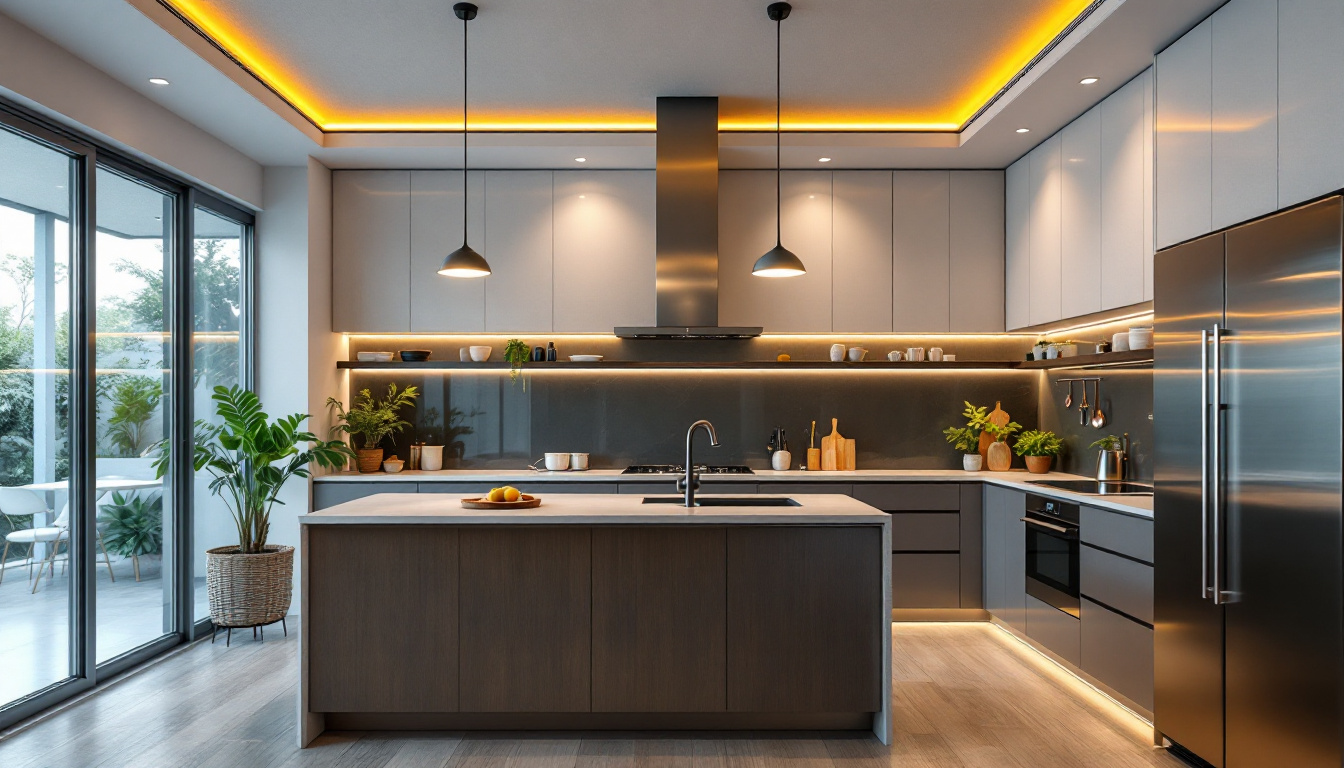
Layering light is a fundamental principle in effective lighting design. Sconces can be used in conjunction with other light sources, such as overhead fixtures and floor lamps, to create a well-balanced lighting scheme. By strategically placing sconces, contractors can highlight architectural features, artwork, or specific areas of interest within a room.
For example, in a living room, sconces can be positioned to flank a fireplace or artwork, drawing attention to these focal points while providing ambient light. In hallways, sconces can illuminate the path while adding a decorative touch.
Common Mistakes to Avoid
Even experienced contractors can make mistakes when it comes to sconce installation and design. Being aware of common pitfalls can help ensure a successful project.
Ignoring Scale and Proportion
One of the most significant mistakes is selecting sconces that are either too large or too small for the space. Oversized sconces can overwhelm a small room, while tiny fixtures may get lost in a larger space. It is essential to consider the scale of the room and the other elements within it when choosing sconces.
Contractors should also take into account the height of the ceilings and the overall design of the room. A well-proportioned sconce can enhance the space, while a poorly chosen one can detract from it.
Neglecting Functionality
While aesthetics are important, functionality should never be overlooked. Sconces should be positioned to provide adequate lighting for their intended purpose. For example, sconces in a reading nook should be placed to minimize shadows on the reading material, while those in a hallway should ensure safe passage without creating dark spots.
Contractors should also consider the ease of access for changing bulbs and performing maintenance. Fixtures that are difficult to reach can lead to frustration for clients and may result in neglected lighting.
Maintenance and Care
Proper maintenance of sconce lights is crucial for their longevity and performance. Contractors should provide clients with guidelines on how to care for their sconces to ensure they remain in optimal condition.
Cleaning Techniques
Regular cleaning is essential to keep sconces looking their best. Dust and grime can accumulate on fixtures, diminishing their brightness and overall appeal. Contractors should recommend using a soft, damp cloth to wipe down sconces, avoiding harsh chemicals that could damage the finish.
For glass sconces, a gentle glass cleaner can be used, but care should be taken to avoid getting moisture into electrical components. It is also advisable to turn off the power before cleaning to ensure safety.
Periodic Inspections
Encouraging clients to conduct periodic inspections of their sconces can help identify any issues before they become significant problems. Checking for loose bulbs, damaged wiring, or signs of wear can prevent safety hazards and ensure the fixtures continue to function effectively.
Contractors can offer to perform annual maintenance checks as part of their services, providing clients with peace of mind and ensuring that their lighting remains both beautiful and functional.
Conclusion
Sconce lights are a versatile and stylish lighting solution that can enhance any space. For lighting contractors, understanding the various types, installation best practices, and design considerations is essential for delivering exceptional results. By avoiding common mistakes and emphasizing maintenance, contractors can ensure that their clients enjoy the full benefits of sconce lighting for years to come.
Ultimately, the successful integration of sconce lights into a design scheme requires a balance of aesthetics, functionality, and attention to detail. By following best practices and staying informed about the latest trends and technologies, lighting contractors can elevate their projects and exceed client expectations.
Illuminate Your Projects with LumenWholesale
Ready to bring the elegance and versatility of sconce lighting to your next project? At LumenWholesale, we provide lighting contractors with the highest quality, specification-grade lighting solutions at unbeatable wholesale prices. Our extensive collection ensures you have access to the best products that meet rigorous industry standards, all while enjoying the convenience of free shipping and bulk buying options. Elevate your lighting installations with the perfect blend of quality, affordability, and convenience. Discover our premium selection and experience the LumenWholesale difference today by visiting Wholesale Lighting at the Best Value.