Understanding the Purpose of Red Outlets in Hospitals
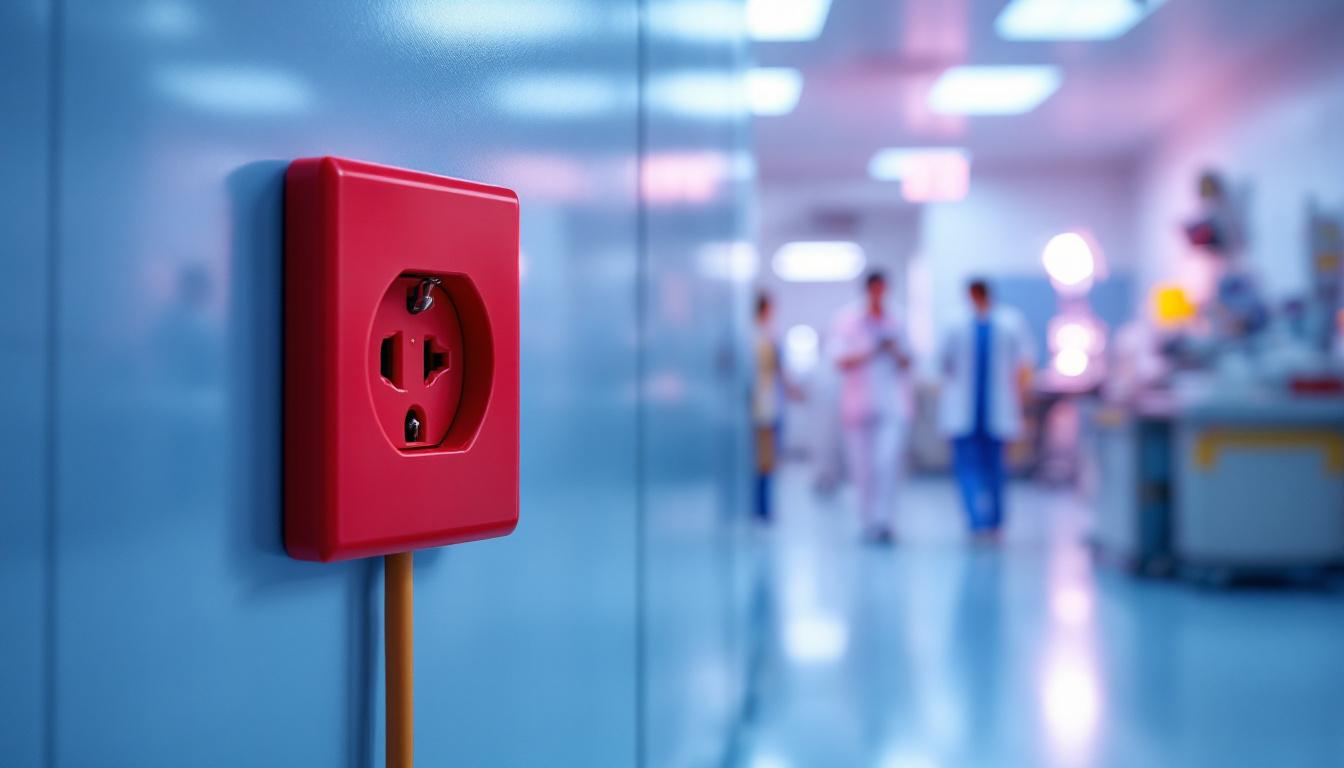
Walking through a hospital corridor, one might notice electrical outlets with red faceplates or covers. These aren’t just a design choice—they serve a critical function. Red outlets are dedicated to emergency power systems, ensuring that vital medical equipment remains operational during power outages or electrical failures.
Unlike standard outlets connected to the general electrical grid, red outlets are linked to backup power sources, such as generators or uninterruptible power supplies (UPS). This distinction is crucial in healthcare settings where even a brief loss of power can jeopardize patient safety.
For lighting contractors, recognizing and respecting these outlets is essential. They are part of a carefully designed infrastructure that supports life-saving devices like ventilators, infusion pumps, and critical monitoring systems. Any work involving these outlets requires precision, adherence to codes, and a thorough understanding of hospital electrical systems.
Moreover, the placement of red outlets is strategically planned throughout the hospital to ensure accessibility in critical areas such as operating rooms, intensive care units, and emergency departments. This thoughtful arrangement allows healthcare professionals to quickly plug in essential equipment without wasting precious time during emergencies. In addition, the red color serves as a visual cue, alerting staff to the importance of these outlets and their specific function within the hospital’s electrical system.
Furthermore, the maintenance of these emergency power systems is an ongoing responsibility. Regular testing and inspections are mandated to ensure that backup generators and UPS systems are fully operational when needed. Hospitals often conduct drills to simulate power outages, allowing staff to practice their response protocols and familiarize themselves with the locations of red outlets. This proactive approach not only enhances patient safety but also reinforces the hospital’s commitment to providing uninterrupted care, even in the face of unforeseen electrical challenges.
Technical Specifications and Code Requirements
National Electrical Code (NEC) Compliance
The NEC provides clear guidelines for emergency systems in healthcare facilities. Article 517 specifically addresses healthcare facilities, including requirements for emergency power systems. Red outlets fall under this category as they must be connected to an emergency power source that activates automatically during a power failure.
Lighting contractors must ensure that red outlets are installed in compliance with these codes. This includes proper labeling, wiring methods, and connection to the emergency power distribution system. Failure to comply can lead to dangerous situations and costly violations during inspections. Furthermore, it is crucial for contractors to stay updated on any amendments to the NEC, as regulations can evolve to enhance safety measures in healthcare environments. Regular training sessions and workshops can help ensure that all personnel are well-informed about the latest compliance requirements and best practices.
Voltage and Load Considerations
Red outlets typically provide the same voltage as standard outlets (usually 120V or 240V), but their load capacity and wiring must accommodate critical medical equipment. It’s important to verify the circuit’s capacity and ensure that no non-essential loads are connected to these outlets.
Overloading emergency circuits can cause tripping or failure during a power outage, defeating their purpose. Lighting contractors should coordinate with hospital facility managers to understand load requirements and avoid unintended consequences. Additionally, it is advisable to conduct regular load assessments and maintenance checks on these circuits to ensure they remain in optimal condition. By implementing a proactive approach to monitoring and managing the electrical systems, healthcare facilities can significantly reduce the risk of power-related incidents that could jeopardize patient care and safety.
Common Pitfalls Lighting Contractors Should Avoid
Misidentifying Red Outlets
One of the most frequent mistakes is confusing red outlets with standard ones or other color-coded outlets. Red outlets are specifically for emergency power, while other colors might indicate isolated power systems or critical branch circuits. Misidentification can lead to improper connections and jeopardize patient safety.
Always verify outlet purpose through documentation and, if necessary, consult with hospital electrical engineers before proceeding with any work. Additionally, it is essential to familiarize yourself with the specific color-coding system used in the facility, as variations may exist between different hospitals or even departments within the same institution. Understanding these nuances can prevent costly errors and ensure that the integrity of the hospital’s electrical system remains intact. Regular training sessions on electrical safety and outlet identification can also be beneficial for contractors and hospital staff alike, fostering a culture of safety and awareness.
Improper Wiring and Connections
Incorrect wiring is a significant risk. Emergency circuits often have different grounding and bonding requirements. Mixing neutral and ground conductors or connecting red outlets to non-emergency circuits can cause equipment malfunction or electrical hazards.
Lighting contractors must follow wiring diagrams meticulously and use appropriate materials rated for emergency power systems. Testing after installation is critical to confirm correct operation. Furthermore, contractors should be aware of the specific codes and standards that apply to healthcare facilities, such as the National Electrical Code (NEC) and the National Fire Protection Association (NFPA) guidelines. These regulations are designed to ensure safety and reliability in medical environments. Regular inspections and maintenance of wiring systems can also help identify potential issues before they escalate, ensuring that the hospital remains a safe haven for patients and staff alike.
Neglecting Coordination with Hospital Staff
Hospitals operate around the clock, and any electrical work can impact patient care. Failing to coordinate with hospital maintenance and clinical staff can lead to unexpected outages or interruptions in critical services.
Scheduling work during low-traffic hours, informing relevant personnel, and having contingency plans in place are essential steps to minimize risks and maintain trust. Moreover, establishing a clear line of communication with hospital administration can facilitate smoother operations. Regular updates on the progress of electrical work and any potential disruptions can help staff prepare and adapt, ensuring that patient care remains uninterrupted. Involving key stakeholders in the planning process can also lead to more efficient workflows and better overall outcomes, as their insights can provide valuable context regarding the unique needs of different departments within the hospital.
Best Practices for Installation and Maintenance
Use of Proper Identification and Labeling
Clear labeling of red outlets is not just a regulatory requirement but a practical necessity. Labels should indicate that the outlet is connected to emergency power and specify any usage restrictions.
Color coding alone isn’t enough; labels help new staff, contractors, and emergency responders quickly identify critical circuits, reducing the risk of accidental disconnection or misuse. Additionally, using standardized symbols and terminology can further enhance understanding across various teams. For instance, incorporating universally recognized icons alongside text can bridge language barriers and ensure that all personnel, regardless of their background, can quickly grasp the importance of these outlets. This practice not only supports safety but also fosters a culture of awareness and preparedness within the facility.
Regular Testing and Inspection
Emergency power systems require routine testing to ensure reliability. Lighting contractors involved in maintenance should verify that red outlets remain energized during simulated power failures and that connected equipment functions correctly.
Documentation of these tests is vital for compliance and ongoing safety assurance. Any anomalies should be addressed promptly to prevent failures during actual emergencies. Furthermore, it is beneficial to establish a testing schedule that aligns with industry standards and regulatory requirements. This proactive approach not only ensures that systems are functional but also allows for the identification of potential issues before they escalate. Engaging staff in these testing procedures can also serve as a valuable training opportunity, reinforcing the importance of emergency preparedness and familiarizing them with the systems in place.
Coordination with Other Trades
Electrical systems in hospitals are complex, involving HVAC, fire alarms, medical gas systems, and more. Lighting contractors must collaborate with other trades to avoid conflicts and ensure that emergency power circuits remain isolated and functional.
Integrated planning and communication prevent costly rework and enhance the overall safety of the facility. Regular coordination meetings can be instrumental in aligning the objectives of different trades, ensuring that everyone is aware of their roles and responsibilities. Utilizing project management tools can further streamline this communication, allowing for real-time updates and adjustments as needed. Additionally, conducting joint training sessions can help all trades understand the critical nature of emergency systems, fostering a sense of teamwork and shared responsibility in maintaining the safety and functionality of the facility’s electrical infrastructure.
Emerging Technologies and Their Impact on Emergency Power Outlets
Smart Monitoring Systems
Advancements in building automation have introduced smart monitoring for emergency power outlets. These systems provide real-time status updates, alerting maintenance teams to power failures or circuit issues immediately.
For lighting contractors, understanding how to integrate and maintain these systems is becoming increasingly important. They add a layer of proactive maintenance that can prevent outages before they affect patient care.
LED Lighting and Emergency Power Integration
LED lighting is now standard in many hospitals due to its energy efficiency and long lifespan. Integrating LED fixtures with emergency power circuits requires careful planning to ensure consistent illumination during outages.
Lighting contractors must select compatible fixtures and verify that emergency circuits can handle the load without flickering or dimming, which could impair visibility in critical areas.
Conclusion: The Lighting Contractor’s Role in Hospital Safety
Red outlets in hospitals are more than just a color choice-they are a lifeline for critical medical equipment. Lighting contractors play a vital role in ensuring these outlets are correctly installed, maintained, and integrated within the hospital’s emergency power system.
Avoiding common pitfalls like misidentification, improper wiring, and poor coordination can prevent dangerous situations and costly delays. Staying informed about code requirements, leveraging new technologies, and fostering collaboration with hospital staff and other trades will enhance safety and reliability.
Ultimately, understanding the unique demands of hospital electrical systems empowers lighting contractors to contribute meaningfully to patient care environments, making every outlet count when it matters most.
Get Your Hospital-Grade Lighting Supplies from LumenWholesale
As a lighting contractor dedicated to hospital safety, you understand the importance of reliable emergency power systems. At LumenWholesale, we support your commitment to excellence by providing top-quality, spec-grade lighting products at the best wholesale value. Our extensive selection is designed to meet the highest industry standards, ensuring that your installations are not only code-compliant but also contribute to the seamless operation of critical healthcare environments. With free shipping on bulk orders, you can equip your projects with premium lighting solutions that combine quality, affordability, and convenience. Make every outlet count with the right supplies—Wholesale Lighting at the Best Value is just a click away.