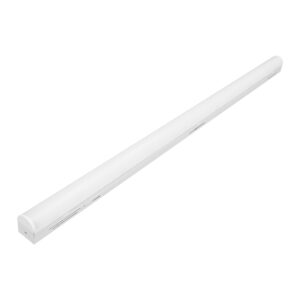
Understanding Long Lights: What Are They Called?
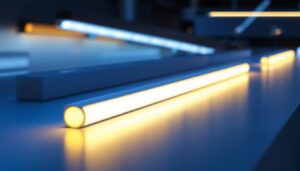
When working on commercial or industrial lighting projects, lighting contractors often encounter long, tubular light fixtures. These are commonly known as linear fluorescent tubes or simply fluorescent tubes. However, the terminology can vary depending on the technology and application. For instance, with the rise of LED technology, many contractors now refer to their LED counterparts as LED linear tubes or LED tube lights.
Linear lights are characterized by their elongated shape, typically ranging from 2 feet to 8 feet in length. They are designed to provide broad, even illumination over large areas, making them ideal for warehouses, offices, retail spaces, and factories. While fluorescent tubes dominated the market for decades, LED linear lights have quickly become the preferred choice due to their energy efficiency and longer lifespan.
Understanding the different types of long lights is crucial for contractors aiming to optimize both installation and operational costs. Here’s a quick breakdown:
- Fluorescent Tubes: Traditional long lights that use mercury vapor and phosphor coatings to produce light. They require ballasts to regulate current.
- LED Linear Tubes: Modern replacements for fluorescent tubes that use light-emitting diodes. They often work with or without existing ballasts, depending on the type.
- High-Intensity Discharge (HID) Linear Fixtures: Less common but sometimes used in industrial settings for high lumen output.
In addition to these primary types, there are also variations within each category that can cater to specific needs. For example, some LED linear tubes come with adjustable color temperatures, allowing users to switch between warm and cool light depending on the time of day or the desired ambiance. This feature is particularly beneficial in environments like retail stores, where lighting can significantly influence customer mood and purchasing decisions. Furthermore, advancements in smart lighting technology have led to the development of linear lights that can be controlled via mobile apps or integrated into building management systems, enhancing energy savings and convenience.
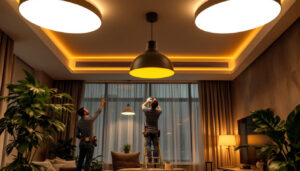
Moreover, the installation of linear lighting fixtures can also vary based on the intended use. For instance, in spaces that require high ceilings, such as warehouses, contractors may opt for fixtures that are designed to be suspended from the ceiling, ensuring optimal light distribution. Conversely, in office settings, surface-mounted or recessed options may be preferred for a more streamlined look. The choice of fixture not only impacts the aesthetic of the space but also plays a crucial role in achieving the necessary illumination levels for safety and productivity.
Why Choosing the Right Long Lights Matters for Cost Savings
Lighting costs can be a significant portion of operational expenses for commercial and industrial clients. For lighting contractors, recommending the right type of long light can make a substantial difference in both upfront costs and long-term savings.
Fluorescent tubes, while initially cheaper, come with hidden costs. They consume more electricity, have shorter lifespans, and require periodic replacement and ballast maintenance. Additionally, they contain mercury, which poses disposal challenges and environmental concerns. The environmental impact of disposing of these tubes is increasingly coming under scrutiny, as improper disposal can lead to mercury contamination in landfills and water supplies, which is detrimental to both human health and the ecosystem.
LED linear tubes, on the other hand, offer significant energy savings—often reducing electricity consumption by 40-60% compared to fluorescents. They also last 2-3 times longer, reducing maintenance frequency and labor costs. These factors contribute to a lower total cost of ownership, which is a compelling selling point when discussing options with clients. Furthermore, many utility companies offer rebates for switching to energy-efficient lighting, enhancing the financial benefits of choosing LEDs. This not only makes the initial investment more palatable but also aligns with sustainability goals that many businesses are striving to achieve.
Energy Efficiency and Operational Savings
Energy efficiency is the cornerstone of cost-saving strategies in lighting. LEDs convert a higher percentage of electrical energy into light, wasting less as heat. This efficiency translates into lower utility bills for clients, a benefit that lighting contractors can highlight to justify initial investments. Moreover, the reduced heat output of LEDs can also lead to lower cooling costs in facilities, as less energy is required to maintain comfortable temperatures, especially in large commercial spaces.
For example, a standard 4-foot fluorescent tube consumes about 32 watts, whereas an equivalent LED tube may use only 15-18 watts. Over thousands of fixtures and thousands of operating hours, the savings multiply rapidly. In addition, the longer lifespan of LEDs means that businesses can allocate their budgets more effectively, directing funds that would have gone to lighting maintenance towards other critical areas of operation, such as employee training or equipment upgrades.
Maintenance and Replacement Costs
Maintenance is often overlooked in cost calculations. Fluorescent tubes require frequent replacement—typically every 7,000 to 15,000 hours—whereas LED tubes can last 50,000 hours or more. This longevity reduces labor costs and downtime, especially critical in commercial and industrial environments where lighting outages can disrupt operations. The hassle of scheduling replacements and dealing with the logistics of disposal can also be a significant burden for facilities management teams.
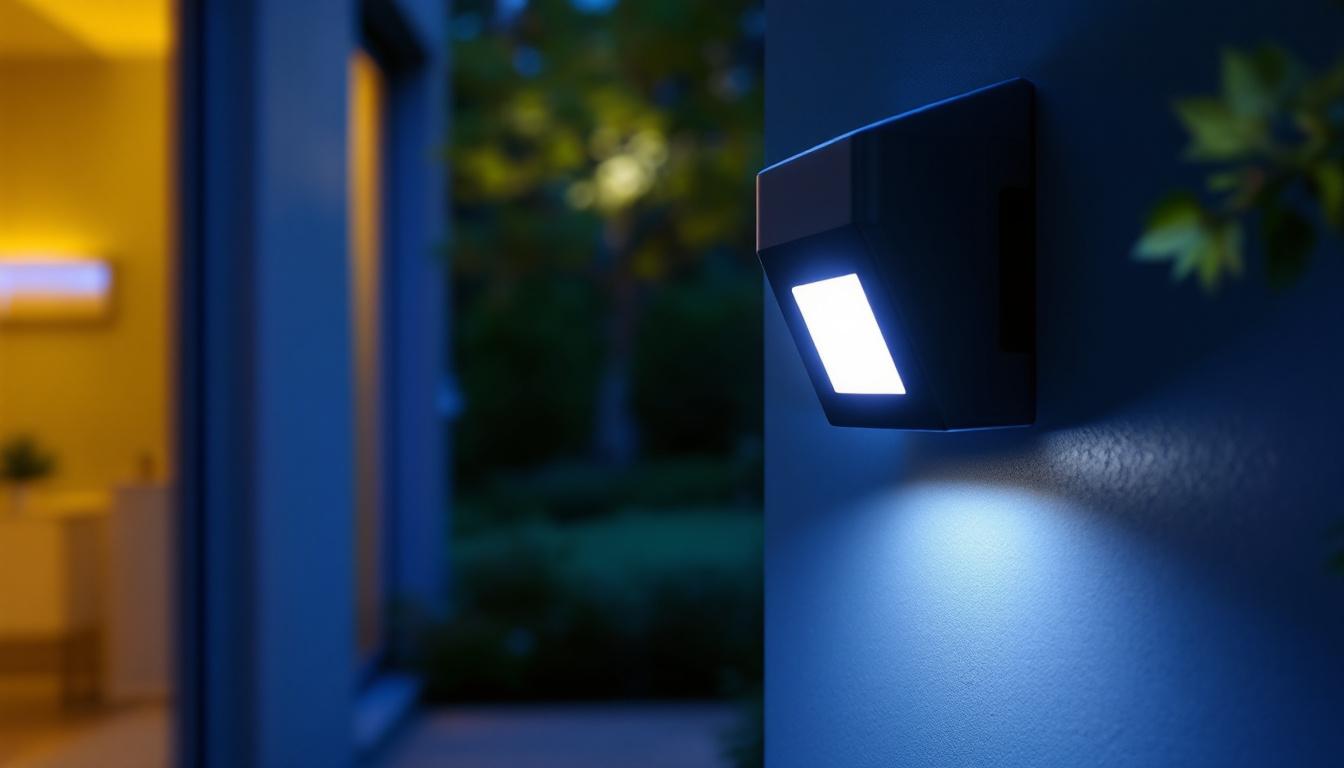
Additionally, the advancements in LED technology have led to the development of smart lighting solutions that offer even greater control and efficiency. Features such as motion sensors, dimming capabilities, and programmable schedules allow businesses to optimize their lighting usage based on occupancy and natural light levels. This not only enhances the working environment but also further drives down energy costs, making a compelling case for the transition to LED lighting systems. As more businesses recognize the importance of sustainable practices, the role of efficient lighting solutions will continue to grow in significance.
Cost-Saving Strategies for Lighting Contractors
Implementing cost-saving strategies requires a blend of technical knowledge, smart product selection, and effective communication with clients. Here are several approaches lighting contractors can adopt to maximize value for their customers while maintaining profitability.
1. Retrofit Instead of Replace
One of the most effective ways to save costs is to retrofit existing fluorescent fixtures with LED tubes rather than replacing entire fixtures. Retrofitting minimizes labor and material costs while leveraging existing infrastructure.
There are two main retrofit options:
- Plug-and-Play LED Tubes: These are designed to work with existing fluorescent ballasts, simplifying installation. However, compatibility must be verified to avoid flickering or reduced lifespan.
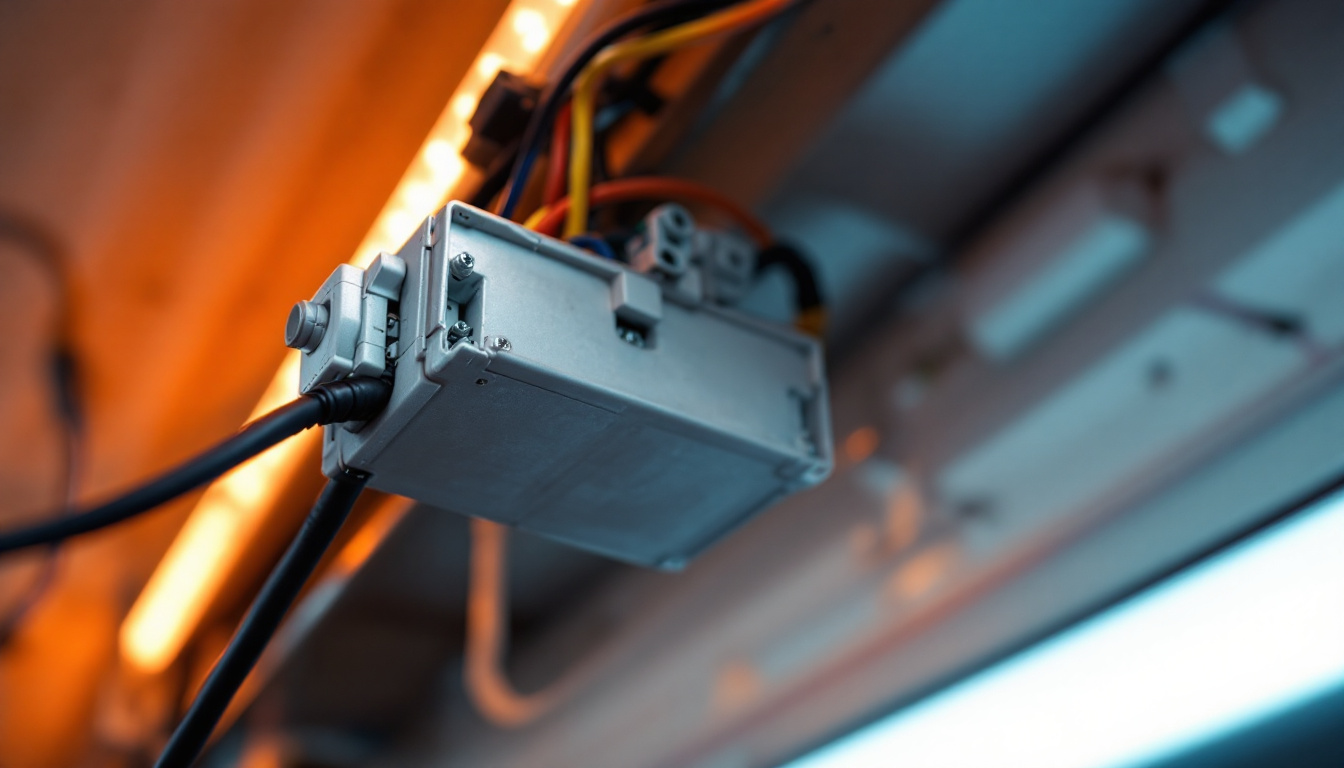
- Ballast-Bypass LED Tubes: These require rewiring to bypass or remove the ballast but offer better efficiency and eliminate ballast maintenance costs.
Contractors should assess the condition and type of existing ballasts before recommending retrofit solutions. This assessment helps avoid unexpected failures and ensures client satisfaction.
2. Bulk Purchasing and Supplier Negotiations
Lighting contractors can significantly reduce material costs by negotiating bulk purchase agreements with suppliers. Buying LED tubes in large quantities often unlocks discounts that improve project margins.
Establishing strong relationships with reputable manufacturers and distributors can also provide access to exclusive deals, extended warranties, and technical support. These benefits enhance the contractor’s service offering and reputation.
3. Incorporate Lighting Controls
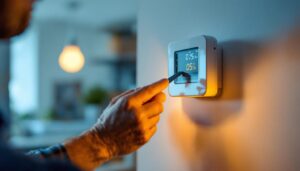
Integrating lighting controls such as occupancy sensors, daylight harvesting, and dimmers can amplify energy savings. These systems ensure lights operate only when needed, reducing wasted electricity.
While the upfront cost of controls adds to the project budget, the long-term savings often justify the investment. Contractors should present clear return-on-investment (ROI) analyses to clients to demonstrate the value of smart lighting solutions.
4. Educate Clients on Lifecycle Costs
Clients often focus on initial purchase price, overlooking the total cost of ownership. Lighting contractors who educate clients about energy consumption, maintenance, and disposal costs position themselves as trusted advisors.
Providing detailed comparisons and case studies can help clients understand why investing in higher-quality LED linear lights is financially prudent over time.
5. Optimize Lighting Design
Proper lighting design reduces the number of fixtures needed without compromising illumination quality. Using lighting simulation software or consulting with lighting designers can identify opportunities to minimize fixture count and wattage.
Optimized designs lower material and installation costs and reduce energy consumption, creating a win-win scenario for contractors and clients.
Common Challenges and How to Overcome Them
Despite the clear advantages of LED linear lights and cost-saving strategies, contractors may face obstacles during implementation. Awareness and preparation can help navigate these issues smoothly.
Compatibility Issues
Not all LED tubes are compatible with existing ballasts or fixtures. Incorrect combinations can lead to flickering, reduced lifespan, or safety hazards. Contractors should perform thorough compatibility checks and, when in doubt, opt for ballast-bypass solutions.
Client Budget Constraints
Upfront costs for LED upgrades can be a sticking point for some clients. Offering phased installation plans or financing options can ease budget pressures. Highlighting long-term savings and potential utility rebates can also support the case for investment.
Disposal and Environmental Concerns
Fluorescent tubes contain mercury and require careful disposal. Contractors should ensure proper handling and recycling of old tubes to comply with regulations and protect the environment. Promoting LED upgrades as an environmentally responsible choice resonates well with many clients.
Final Thoughts: Positioning Yourself as a Value-Driven Lighting Contractor
Knowing what the long lights are called and understanding their characteristics is just the beginning. Lighting contractors who combine technical expertise with strategic cost-saving approaches deliver superior value to their clients.
By recommending LED linear tubes, leveraging retrofit opportunities, negotiating smart purchasing deals, integrating lighting controls, and educating clients on lifecycle costs, contractors can differentiate themselves in a competitive market. This approach not only enhances profitability but also builds lasting client relationships based on trust and performance.
Ultimately, the goal is to light spaces efficiently, economically, and sustainably-helping clients save money while creating better environments. Mastering the nuances of long lights and cost-saving strategies is a powerful step toward that goal.
Illuminate Your Projects with LumenWholesale
Ready to take your lighting projects to the next level? At LumenWholesale, we provide lighting contractors with the superior, spec-grade lighting solutions you need to outshine the competition. Our extensive selection of LED linear tubes and advanced lighting controls are available at unbeatable wholesale prices, ensuring you get the most value for your investment. Say goodbye to middleman markups and hello to hassle-free bulk purchases with free shipping. Elevate your lighting game with the quality, affordability, and convenience that LumenWholesale offers. Start browsing our top-notch lighting products now and discover how we can help you achieve efficient, economical, and sustainable lighting solutions for your clients. Wholesale Lighting at the Best Value.