Understanding the Importance of Proper Lighting in Makeup Application
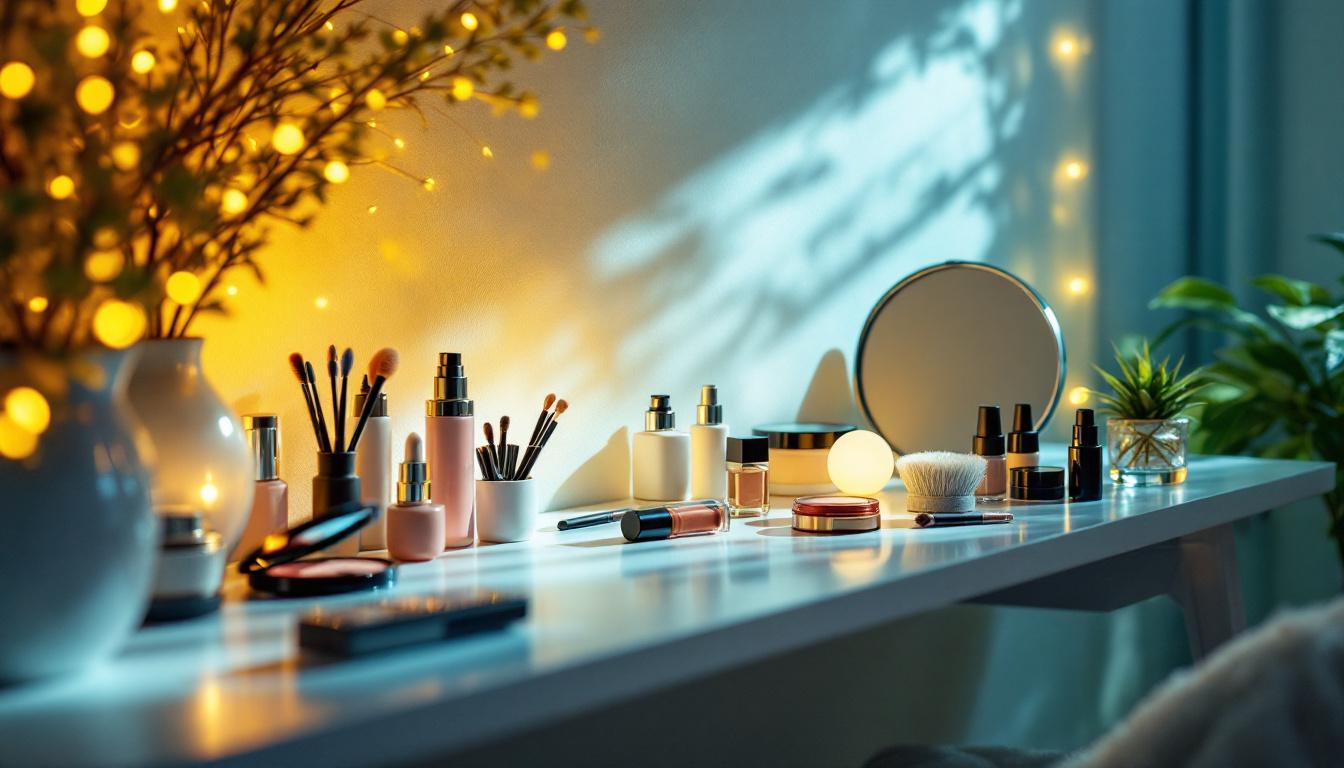
Lighting plays a critical role in makeup application, influencing how colors appear and how flawlessly the makeup blends with the skin. For lighting contractors, selecting the right fixtures for makeup spaces is not just about aesthetics but also about functionality and energy efficiency. Proper lighting ensures that makeup artists and users can see true color representation, avoid shadows, and achieve precision.
Inadequate or poorly chosen lighting can lead to makeup that looks perfect under artificial light but appears mismatched or uneven in natural daylight. This discrepancy can be frustrating for clients and professionals alike. Therefore, understanding the characteristics of lighting that best support makeup application is essential in designing or upgrading makeup areas.
One of the most effective lighting solutions for makeup application is the use of daylight-balanced bulbs, which mimic natural sunlight. These bulbs provide a full spectrum of light, allowing makeup artists to see the true colors of their products and how they interact with the skin tone. Additionally, incorporating adjustable lighting options can enhance flexibility, enabling users to switch between bright, focused light for detailed work and softer, ambient light for a more relaxed atmosphere. This versatility is particularly beneficial in professional settings where different makeup styles, from dramatic evening looks to subtle daytime applications, require varying lighting conditions.
Moreover, the placement of lighting fixtures is equally important. Overhead lights can cast unflattering shadows, while side lighting can help illuminate the face more evenly. Many makeup artists recommend using a combination of both to create a well-lit environment that enhances the application process. Furthermore, integrating mirrors with built-in lighting can provide an added layer of convenience, allowing users to see their makeup from multiple angles without the need for additional fixtures. By prioritizing thoughtful lighting design, makeup spaces can transform into functional, inspiring environments that elevate the artistry of makeup application.
Key Lighting Characteristics for Makeup Spaces
Color Rendering Index (CRI)
The Color Rendering Index (CRI) is a measure of a light source’s ability to reveal the colors of objects faithfully in comparison with natural light. For makeup application, a high CRI is vital because it ensures that skin tones and makeup hues appear true to life.
Lighting with a CRI of 90 or above is generally recommended for makeup environments. Lights with lower CRI values can distort colors, making it challenging to apply foundation, blush, and eyeshadow accurately. For lighting contractors, specifying fixtures with high CRI ratings can significantly improve client satisfaction and professional outcomes. Additionally, it is essential to consider the type of light source used; LED lights with high CRI ratings are becoming increasingly popular due to their energy efficiency and longevity, making them a smart investment for both residential and commercial makeup spaces.
Color Temperature
Color temperature, measured in Kelvins (K), affects the warmth or coolness of light. For makeup lighting, a balanced color temperature that mimics natural daylight is ideal. Typically, a range between 5000K and 6500K is preferred, as it provides a neutral white light that does not cast warm or cool tones onto the skin.
Warmer lights (below 3000K) can make skin appear more yellow or orange, while cooler lights (above 6500K) may create a bluish tint. Both extremes can mislead makeup application. Contractors should consider adjustable color temperature fixtures or tunable white LED solutions to offer flexibility in different settings. This adaptability can be particularly beneficial in professional environments where makeup artists need to cater to diverse skin tones and styles, ensuring that the lighting can be tailored to achieve the most flattering results for every client.
Brightness and Uniformity
Brightness, measured in lumens, should be sufficient to illuminate the face evenly without causing glare or harsh shadows. Uniform lighting is crucial to avoid uneven application and to highlight facial contours accurately.
Lighting contractors should aim for fixtures that provide diffuse, shadow-free illumination. This can be achieved through the use of multiple light sources arranged strategically around mirrors or makeup stations, such as vertical LED light bars on either side of the mirror combined with overhead lighting. Furthermore, incorporating dimmable options allows users to adjust the brightness according to their preferences or specific makeup techniques, enhancing the overall experience. By creating a well-lit environment that mimics the conditions of various settings—such as outdoor daylight or evening ambiance—makeup artists can ensure their work looks flawless under any circumstance, ultimately leading to greater client satisfaction and repeat business.
Energy-Efficient Lighting Technologies Suitable for Makeup
LED Lighting
LED (Light Emitting Diode) technology has revolutionized lighting design, offering exceptional energy efficiency, long lifespan, and excellent color rendering capabilities. For makeup lighting, LEDs are the most practical choice due to their versatility and performance.
Modern LED fixtures can achieve CRI values above 90 and offer tunable color temperatures, making them ideal for makeup environments. Additionally, LEDs consume significantly less power compared to incandescent or halogen bulbs, reducing operational costs and environmental impact. The ability to adjust color temperature allows makeup artists to simulate different lighting conditions, from daylight to evening settings, ensuring that makeup looks flawless under various circumstances.
Moreover, the compact size of LED bulbs makes them easy to integrate into various lighting designs, from sleek vanity mirrors to portable makeup kits. As technology advances, features such as smart controls are becoming more common, enabling users to adjust brightness and color settings via mobile apps or voice commands, further enhancing the convenience and functionality of LED lighting in makeup applications.
OLED Lighting
Organic Light Emitting Diodes (OLEDs) are an emerging technology that provides soft, diffuse light with excellent color rendering. Although not yet as widespread or cost-effective as LEDs, OLED panels offer unique benefits for makeup lighting, such as uniform surface illumination without hotspots.
Energy efficiency is comparable to LEDs, but the technology is still evolving. Lighting contractors may consider OLEDs for high-end or specialized makeup installations where aesthetic quality and light uniformity are paramount. The thin and flexible nature of OLED panels allows for innovative designs, such as backlit mirrors or wall-mounted fixtures that blend seamlessly into the decor. This not only enhances the visual appeal of a makeup space but also provides an immersive experience for users, making the application process more enjoyable and effective.
Furthermore, OLEDs emit less heat than traditional lighting options, which can be a significant advantage in makeup applications where prolonged exposure to heat can affect product performance and skin comfort. As the market for OLED technology expands, we may see an increase in affordable options that make this elegant lighting solution accessible to a wider audience.
Fluorescent Lighting: Pros and Cons
Fluorescent lights have historically been used in makeup areas due to their energy efficiency. However, they often suffer from lower CRI values and color temperature inconsistencies, which can distort makeup colors.
While some high-quality fluorescent tubes offer improved CRI ratings, they generally cannot compete with modern LED solutions in terms of color accuracy or longevity. For energy-conscious projects focused on makeup applications, LEDs are typically the superior choice. Additionally, the flickering often associated with fluorescent lights can lead to eye strain and fatigue, making them less ideal for extended makeup sessions.
Despite these drawbacks, fluorescent lighting does have its merits, particularly in terms of cost-effectiveness for larger installations. They can provide adequate general illumination in spaces where precise color rendering is less critical. Some makeup artists may still opt for fluorescent lights in backroom setups or storage areas, where the focus is more on functionality than aesthetics. However, as the demand for high-quality lighting continues to grow, the trend is shifting towards more advanced technologies that prioritize both energy efficiency and the artistry of makeup application.
Design Considerations for Makeup Lighting Installations
Placement and Fixture Types
Strategic placement of light fixtures is essential to minimize shadows and provide even illumination. Lighting contractors should consider installing vertical light bars or sconces on either side of the mirror at eye level to reduce shadows cast by overhead lighting.
Overhead lighting should be diffused and not overly bright to avoid glare. Combining multiple light sources with different angles helps create a balanced lighting environment that enhances makeup application accuracy.
Control Systems and Dimming
Incorporating dimmable lighting controls allows users to adjust brightness according to ambient light conditions and personal preferences. This flexibility is especially useful in professional makeup studios where lighting needs may vary depending on the time of day or the type of makeup being applied.
Advanced control systems can also enable color temperature tuning, allowing seamless transitions between warmer and cooler light settings. Lighting contractors should specify compatible dimmers and control interfaces to maximize the functionality of LED fixtures.
Energy Codes and Sustainability
Energy efficiency is increasingly important in lighting design, not only for cost savings but also for regulatory compliance and sustainability goals. Many jurisdictions have specific energy codes that lighting contractors must adhere to when installing new fixtures.
Choosing ENERGY STAR®-rated LED fixtures or those compliant with local energy codes ensures that makeup lighting installations are both efficient and future-proof. Additionally, sustainable lighting design contributes to reduced carbon footprints and aligns with growing environmental awareness in the beauty industry.
Case Studies: Successful Energy-Efficient Makeup Lighting Projects
High-End Makeup Studio Retrofit
A leading makeup studio upgraded its lighting system by replacing halogen bulbs with high-CRI, tunable white LED fixtures. The retrofit resulted in a 60% reduction in energy consumption and improved client satisfaction due to more accurate color rendering.
The contractor strategically installed vertical LED light bars flanking the mirrors and integrated dimmable controls, allowing makeup artists to customize lighting conditions. This project exemplifies how energy-efficient lighting can enhance both performance and sustainability.
Retail Cosmetic Counter Installation
A major cosmetics retailer implemented LED lighting solutions with a CRI above 95 and color temperatures adjustable between 5000K and 6000K. The lighting design emphasized even illumination to showcase products and assist customers in makeup application.
The energy-efficient system reduced operational costs and maintenance frequency, as LED fixtures have longer lifespans compared to traditional bulbs. This installation highlights the benefits of combining energy efficiency with superior lighting quality in commercial makeup environments.
Conclusion: Best Practices for Lighting Contractors in Makeup Applications
For lighting contractors, selecting the best lights for makeup involves balancing color accuracy, brightness, energy efficiency, and user comfort. LED technology currently offers the most advantageous combination of these factors, with high CRI values, tunable color temperatures, and low power consumption.
Designing makeup lighting installations requires careful consideration of fixture placement, control systems, and compliance with energy codes. By prioritizing these elements, contractors can deliver lighting solutions that enhance makeup application precision while supporting sustainability goals.
Ultimately, investing in quality, energy-efficient lighting not only improves the user experience but also contributes to long-term operational savings and environmental responsibility—key factors for success in today’s lighting industry.
Illuminate Your Makeup Applications with LumenWholesale
Ready to elevate your makeup lighting projects with the best in energy-efficient solutions? Look no further than LumenWholesale, where we offer contractors an unbeatable selection of top-quality, spec-grade lighting at wholesale prices. Our products meet the highest industry standards, ensuring that your installations are not only precise and flattering but also sustainable and cost-effective. Take advantage of our hassle-free bulk buying with free shipping and no hidden fees. Discover the perfect blend of quality, affordability, and convenience. Visit LumenWholesale now for Wholesale Lighting at the Best Value and transform your makeup lighting installations today.