Understanding Long Strip Lights: An Overview for Lighting Contractors
Long strip lights have become a staple in modern lighting design, offering versatility, efficiency, and aesthetic appeal. For lighting contractors, grasping the technical and practical aspects of these fixtures is essential to delivering optimal results for clients. These linear light sources are typically composed of LED modules mounted on a flexible or rigid substrate, designed to provide continuous illumination over extended lengths.
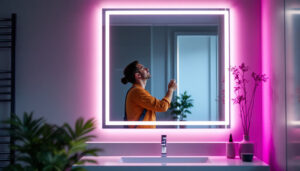
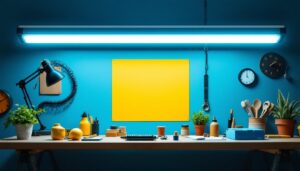
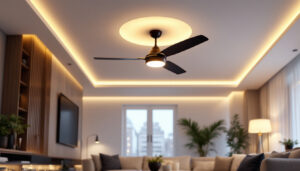
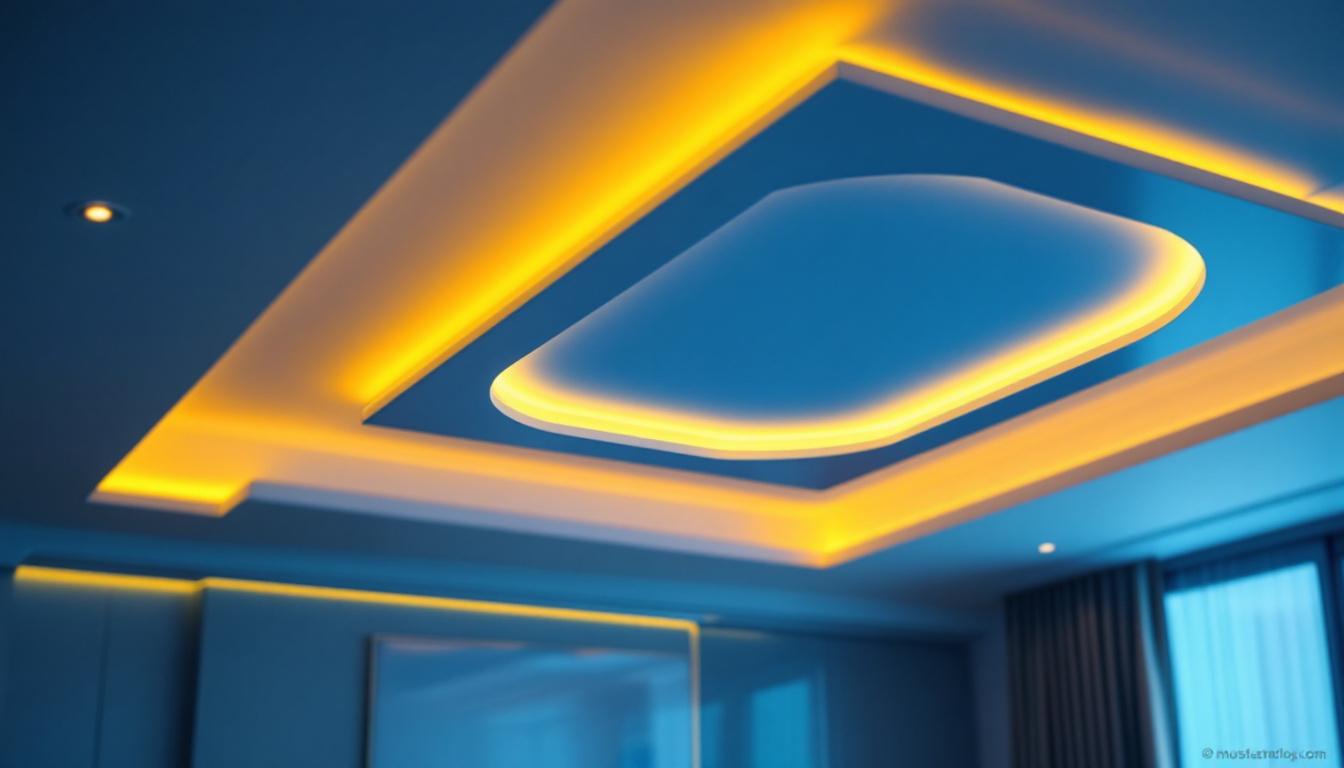
One of the primary advantages of long strip lights is their ability to create uniform, shadow-free lighting across large surfaces, making them ideal for commercial, industrial, and architectural applications. Their adaptability allows for installation in coves, under cabinets, along ceilings, or embedded within walls, enhancing both functional and decorative lighting schemes. Furthermore, the ability to choose different color temperatures—ranging from warm to cool white—enables contractors to tailor the ambiance of a space to meet the specific needs and preferences of their clients. This flexibility not only enhances the aesthetic appeal but also contributes to the overall mood and functionality of the environment.
Given the growing demand for energy-efficient and customizable lighting solutions, understanding the nuances of long strip lights—from technical specifications to installation challenges—is crucial for contractors aiming to stay competitive and deliver high-quality projects. Additionally, the integration of smart technology into long strip lights has opened up new avenues for innovation. Many modern fixtures now come equipped with features such as dimming capabilities, color changing options, and compatibility with smart home systems, allowing users to control their lighting remotely or set schedules for automated adjustments. This trend towards smart lighting not only enhances user convenience but also promotes energy savings, making it an attractive selling point for contractors looking to appeal to environmentally conscious clients.
Key Technical Specifications and Their Impact on Installation
LED Type and Color Temperature
The choice of LED type directly influences the light quality and energy consumption of strip lights. Commonly used LEDs include SMD (Surface-Mounted Device) variants such as 3528, 5050, and 2835, each differing in brightness and power usage. For instance, 5050 LEDs tend to be brighter and consume more power than 3528 types, which may affect power supply requirements and heat dissipation considerations. Additionally, the physical size of the LED chip can also impact the overall design and flexibility of the strip light, making it crucial for contractors to consider the application before making a selection.
Color temperature, measured in Kelvins (K), is another critical factor. Lighting contractors often encounter requests for warm white (2700K–3000K) for cozy, inviting atmospheres, or cool white (4000K–6500K) for task-oriented and commercial environments. Selecting the appropriate color temperature ensures that the lighting complements the space’s purpose and design. Furthermore, the use of RGB (Red, Green, Blue) LED strips allows for dynamic color changing, providing versatility in mood setting and enhancing the aesthetic appeal of various environments, from residential to commercial spaces.
Voltage and Power Considerations
Long strip lights typically operate on low voltage DC power, commonly 12V or 24V. The choice between these voltages affects the maximum run length without voltage drop, a phenomenon where the light intensity diminishes toward the strip’s end due to resistance in the wiring. This is particularly important in larger installations, where maintaining uniform brightness is essential for visual coherence.
For example, 24V strips can generally run longer distances without noticeable voltage drop compared to 12V strips, reducing the need for multiple power injection points. Contractors must calculate the total wattage of the strip and select a power supply with an adequate safety margin—usually 20% above the calculated load—to ensure reliable operation and longevity. Additionally, understanding the wattage per meter of the strip light can aid in planning the layout and ensuring that the power supply can handle the total load without overheating or failing prematurely.
IP Rating and Environmental Suitability
Ingress Protection (IP) ratings indicate the strip light’s resistance to dust and moisture, a vital consideration depending on the installation environment. For indoor, dry locations, an IP20 rating may suffice, whereas outdoor or damp environments require higher ratings such as IP65 or IP67 to prevent damage and ensure safety. This distinction is particularly crucial for installations in areas exposed to the elements, such as patios, gardens, or even commercial exteriors where weather resistance is paramount.
Understanding these ratings helps contractors recommend the right product for kitchens, bathrooms, outdoor facades, or industrial settings, where exposure to water or dust is a concern. Moreover, choosing the right IP-rated strip lights can also enhance the longevity of the installation, reducing maintenance costs and ensuring that the lighting remains functional and aesthetically pleasing over time. In addition, some manufacturers offer specialized coatings or treatments that further enhance the durability of the strips, making them suitable for even the most challenging environments, such as marine applications or areas prone to heavy dust accumulation.
Installation Best Practices and Common Challenges
Surface Preparation and Mounting Techniques
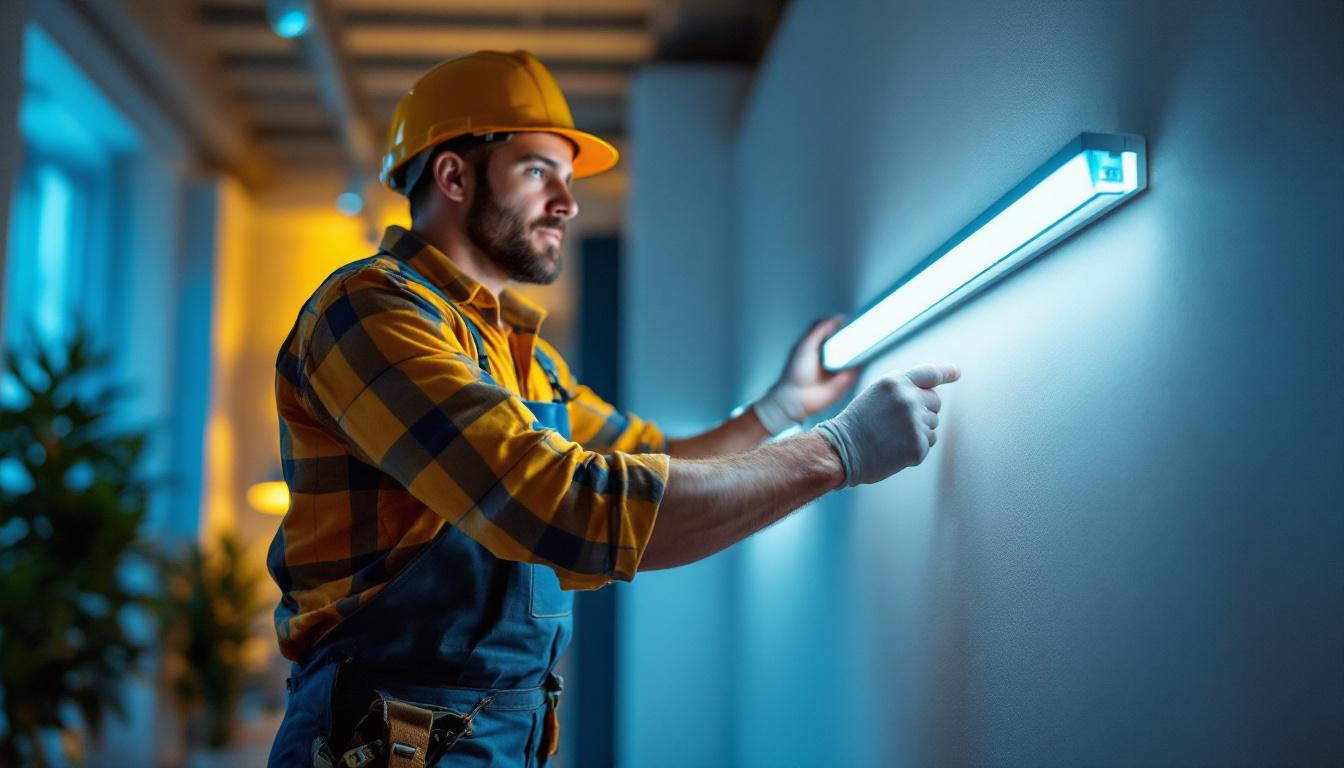
Proper surface preparation is fundamental to achieving a secure and lasting installation. The mounting surface should be clean, dry, and smooth to ensure the adhesive backing on flexible strips adheres effectively. In some cases, mechanical fasteners or mounting channels may be necessary, especially for heavier or rigid strip lights. It is also advisable to check for any irregularities or imperfections on the surface that could compromise adhesion, as these can lead to peeling or misalignment over time.
Lighting contractors often use aluminum profiles or channels not only to facilitate installation but also to act as heat sinks, enhancing thermal management and prolonging LED lifespan. These profiles can also diffuse light, reducing glare and creating a more polished appearance. Additionally, incorporating these channels can provide a sleek, integrated look that enhances the overall aesthetic of the installation. By selecting profiles that complement the design of the space, contractors can elevate the visual appeal while ensuring functionality.
Managing Voltage Drop and Power Injection
Voltage drop is a frequent challenge in long strip light installations. When the strip length exceeds recommended limits, the LEDs at the far end may appear dimmer or change color. To mitigate this, contractors can implement power injection points at intervals along the strip, feeding power from multiple locations to maintain consistent brightness. This technique not only enhances the uniformity of light output but also helps in managing the overall energy efficiency of the installation.
Another strategy involves using thicker gauge wiring to reduce resistance or opting for higher voltage strips when longer runs are necessary. Careful planning and calculation during the design phase can prevent costly rework and ensure client satisfaction. Additionally, utilizing voltage drop calculators can aid in determining the optimal layout and power supply requirements, allowing contractors to make informed decisions that enhance performance and reliability.
Heat Dissipation and Longevity
LEDs generate heat during operation, and inadequate heat dissipation can lead to premature failure or color shifting. Lighting contractors should prioritize installing strip lights on materials that conduct heat away effectively, such as aluminum channels, and avoid placing strips in enclosed spaces without ventilation. Furthermore, it is essential to consider the ambient conditions of the installation site, as high temperatures can exacerbate heat issues and impact performance. Proper airflow around the installation can significantly improve heat management.
Monitoring ambient temperature and adhering to manufacturer guidelines regarding maximum operating temperatures helps maintain performance and extends the fixture’s lifespan. Regular maintenance checks can also be beneficial, allowing contractors to identify any potential overheating issues before they escalate. By ensuring that the installation is both aesthetically pleasing and thermally efficient, contractors can enhance the longevity and reliability of the lighting system, ultimately leading to greater customer satisfaction and reduced warranty claims.
Customization and Control Options
Dimming and Smart Controls
Modern long strip lights often support dimming capabilities, which enhance energy savings and allow for mood setting. Contractors should be familiar with compatible dimming technologies, including TRIAC, 0-10V, DALI, and PWM (Pulse Width Modulation), to match client requirements and existing control systems.
Integration with smart lighting controls, such as wireless or app-based systems, is increasingly common. These systems offer features like color tuning, scheduling, and remote operation, adding value to installations and meeting the growing demand for intelligent lighting solutions.
Color Changing and RGB Options
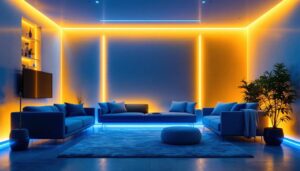
RGB and RGBW strip lights provide dynamic color options, enabling designers and clients to create vibrant environments. Lighting contractors should understand the wiring and control requirements for these systems, which often involve dedicated controllers and power supplies capable of handling multi-channel outputs.
Ensuring proper signal transmission and avoiding interference are key to seamless color transitions and reliable operation. Additionally, contractors must consider the impact of color mixing on overall brightness and power consumption.
Maintenance and Troubleshooting Tips
Common Issues and Their Solutions
Lighting contractors frequently encounter issues such as flickering, dimming, or complete failure of strip lights. Flickering often results from incompatible dimmers or unstable power supplies, while dimming can indicate voltage drop or aging LEDs.
Systematic troubleshooting involves checking power supply ratings, verifying wiring connections, and testing dimmer compatibility. Replacing faulty components with manufacturer-approved parts ensures system integrity and client confidence.
Routine Maintenance Practices
Although LED strip lights require minimal maintenance compared to traditional lighting, periodic inspection is advisable. Contractors should recommend cleaning the strips and profiles to remove dust and debris, which can impede heat dissipation and light output.
Inspecting connections and power supplies during routine building maintenance can prevent unexpected failures. Providing clients with clear guidelines on care and operation helps prolong the lifespan of the installation.
Conclusion: Equipping Lighting Contractors for Success with Long Strip Lights
Long strip lights offer lighting contractors a versatile and efficient tool to meet diverse client needs. Mastery of technical specifications, installation best practices, and control options enables contractors to deliver high-quality, reliable lighting solutions.
By addressing common challenges such as voltage drop, heat management, and compatibility with control systems, contractors can enhance project outcomes and client satisfaction. Staying informed about product advancements and maintaining a proactive approach to maintenance further solidifies a contractor’s reputation in the competitive lighting industry.
Ultimately, a thorough understanding of long strip lights empowers lighting contractors to innovate and excel in their craft, illuminating spaces with precision and style.
Illuminate Your Projects with LumenWholesale
Ready to elevate your lighting projects with the best in long strip lights? LumenWholesale is here to support your success. Our extensive selection of spec-grade lighting products is designed to meet the highest industry standards, ensuring you deliver reliable and high-performance lighting solutions. With unbeatable wholesale prices and the convenience of free shipping on bulk orders, you can trust us to provide premium lighting without the hidden fees or compromises. Take advantage of quality, affordability, and hassle-free service today. Wholesale Lighting at the Best Value is just a click away.