Understanding Wall Pack Fixtures and Their Importance
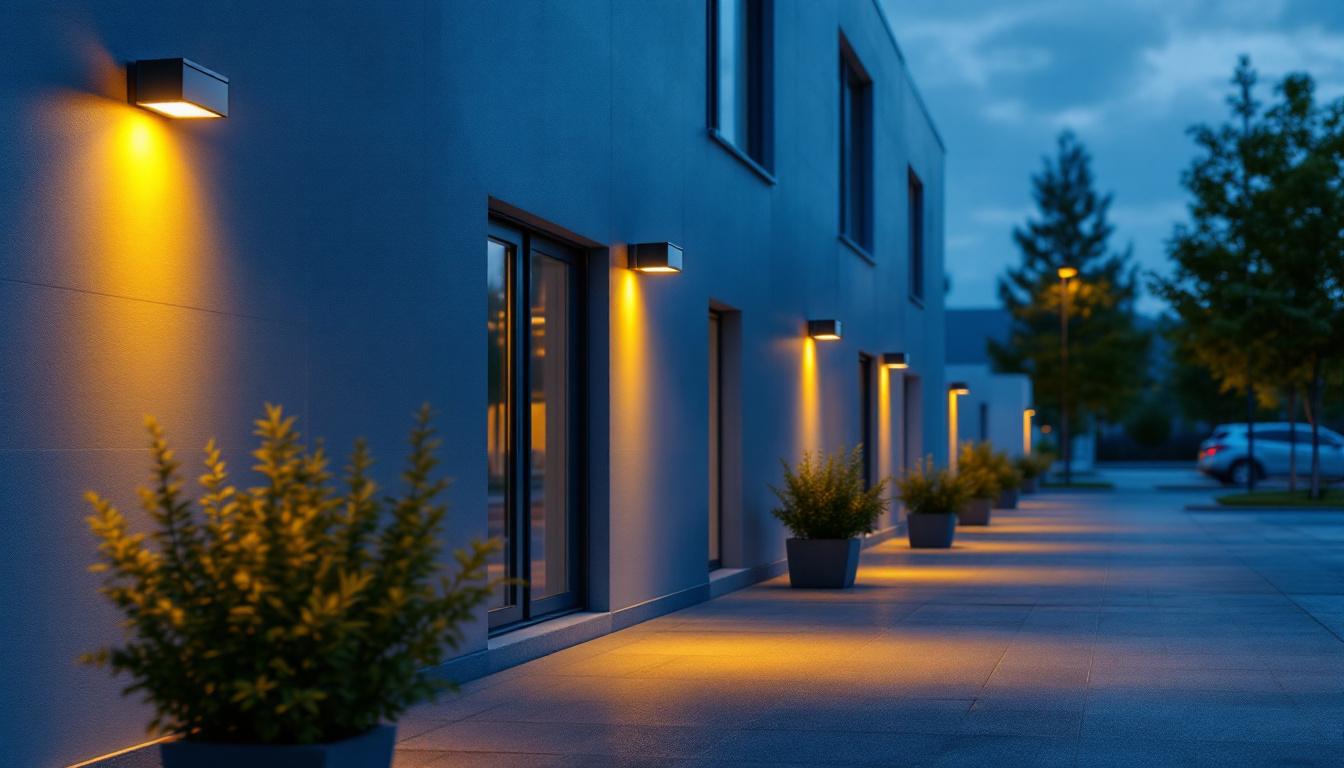
Wall pack fixtures are a staple in commercial and industrial lighting projects, providing essential illumination for building exteriors, walkways, parking areas, and security zones. These fixtures are mounted on walls, typically at a height ranging from 8 to 14 feet, and are designed to deliver broad, consistent light coverage. For lighting contractors, selecting the right wall pack fixture is crucial not only for meeting client expectations but also for ensuring energy efficiency, safety, and long-term cost savings.
Despite their straightforward appearance, wall pack fixtures come with a variety of design options and technical specifications. Missteps in choosing or installing these fixtures can lead to poor lighting quality, increased energy consumption, or premature equipment failure. Understanding the nuances of fixture types, lumen output, color temperature, and installation requirements is essential to avoid costly mistakes.
One of the key factors to consider when selecting wall pack fixtures is the type of lighting technology used. Traditional options such as high-intensity discharge (HID) lamps have been popular for years, but advancements in LED technology have transformed the landscape of outdoor lighting. LED wall packs not only offer superior energy efficiency—often consuming up to 75% less energy than their HID counterparts—but also boast longer lifespans, reducing the frequency of replacements and maintenance. This shift towards LED fixtures is not only beneficial for the environment but also aligns with the growing emphasis on sustainable building practices.
Moreover, wall pack fixtures can also be equipped with various features to enhance their functionality. For instance, some models come with motion sensors or photocells that automatically adjust lighting based on occupancy or ambient light levels. This smart technology not only improves safety by ensuring well-lit areas when needed but also contributes to energy savings by reducing unnecessary illumination during off-peak hours. Additionally, the choice of color temperature can significantly impact the ambiance and safety of a space; warmer tones may create a welcoming atmosphere, while cooler tones can enhance visibility and alertness in security-sensitive areas.
Common Mistakes in Wall Pack Lighting Projects and How to Avoid Them
1. Overlooking the Importance of Proper Lumen Output
One of the most frequent errors in wall pack lighting projects is selecting fixtures with inappropriate lumen output. Too low a lumen count results in dimly lit areas, which can compromise safety and security. Conversely, excessive brightness can cause glare, light pollution, and wasted energy.
Lighting contractors should conduct a thorough lighting analysis based on the specific application. For example, a loading dock area may require higher lumen output compared to a pedestrian walkway. Utilizing lighting design software or consulting photometric data from manufacturers can help ensure the chosen fixture delivers optimal illumination levels.
2. Ignoring Color Temperature and Its Impact on Visibility
Color temperature, measured in Kelvins (K), significantly influences the quality and perception of light. Wall pack fixtures are available in a range of color temperatures, from warm white (around 3000K) to cool white (up to 6000K). Selecting the wrong color temperature can affect visibility and the overall ambiance of the space.
For security and safety applications, cooler temperatures (4000K to 5000K) are generally preferred because they enhance contrast and detail recognition. However, for aesthetic purposes or in residential settings, warmer tones might be more appropriate. Lighting contractors should discuss color temperature preferences with clients and consider the environment to make informed decisions.
3. Neglecting Energy Efficiency and Long-Term Operating Costs
Energy consumption is a critical factor in lighting projects, especially when fixtures operate for extended periods. Choosing wall pack fixtures without considering their efficacy (lumens per watt) can lead to unnecessarily high utility bills and maintenance costs.
LED wall pack fixtures have become the industry standard due to their superior energy efficiency and longevity compared to traditional metal halide or high-pressure sodium lamps. Contractors should prioritize LED options with high efficacy ratings and features such as dimming capabilities or motion sensors to further reduce energy use.
4. Failing to Account for Environmental and Durability Requirements
Wall pack fixtures are exposed to harsh outdoor conditions, including rain, snow, dust, and temperature fluctuations. Selecting fixtures without appropriate ingress protection (IP) ratings or durable housing materials can result in premature failure and increased maintenance expenses.
Contractors must verify that the chosen fixtures meet or exceed the environmental demands of the installation site. For example, an IP65 rating ensures protection against dust and water jets, suitable for most outdoor applications. Additionally, fixtures with corrosion-resistant finishes and robust construction materials will withstand challenging environments better.
5. Improper Installation and Mounting Height
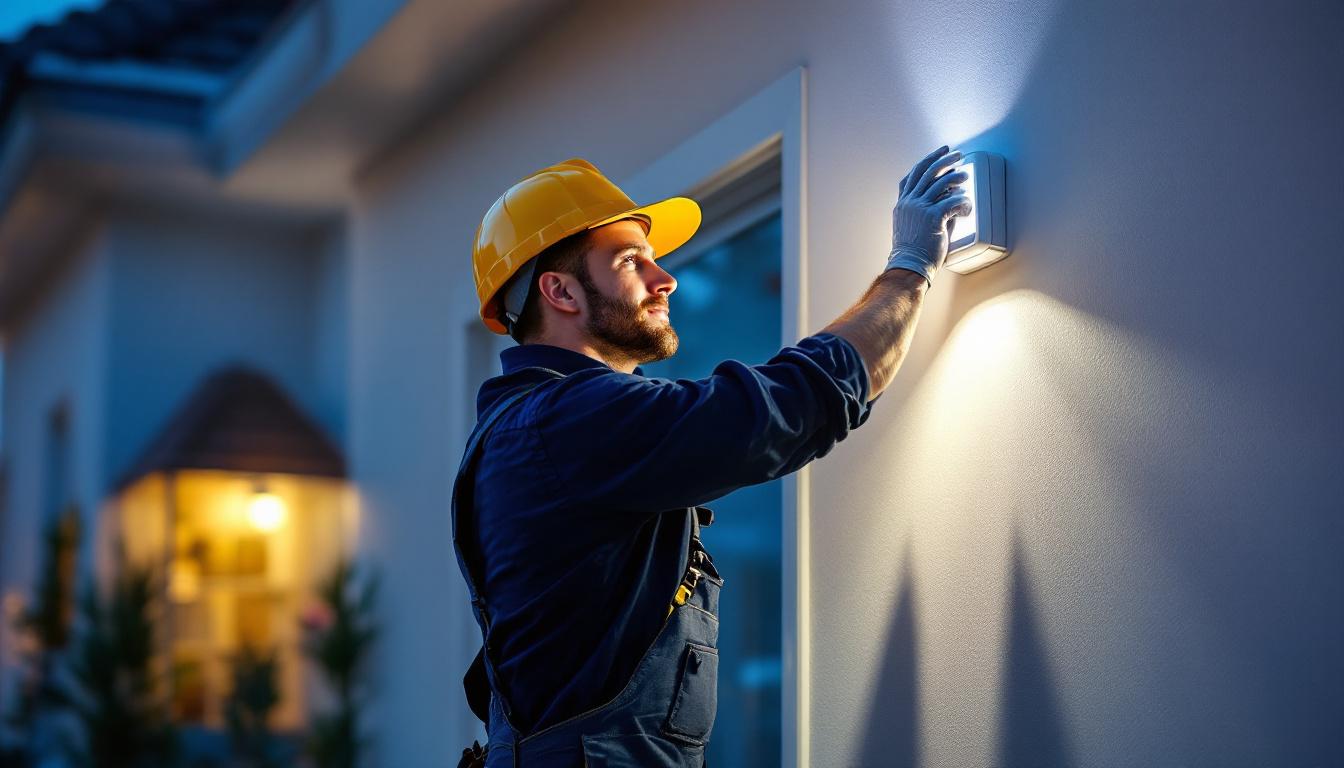
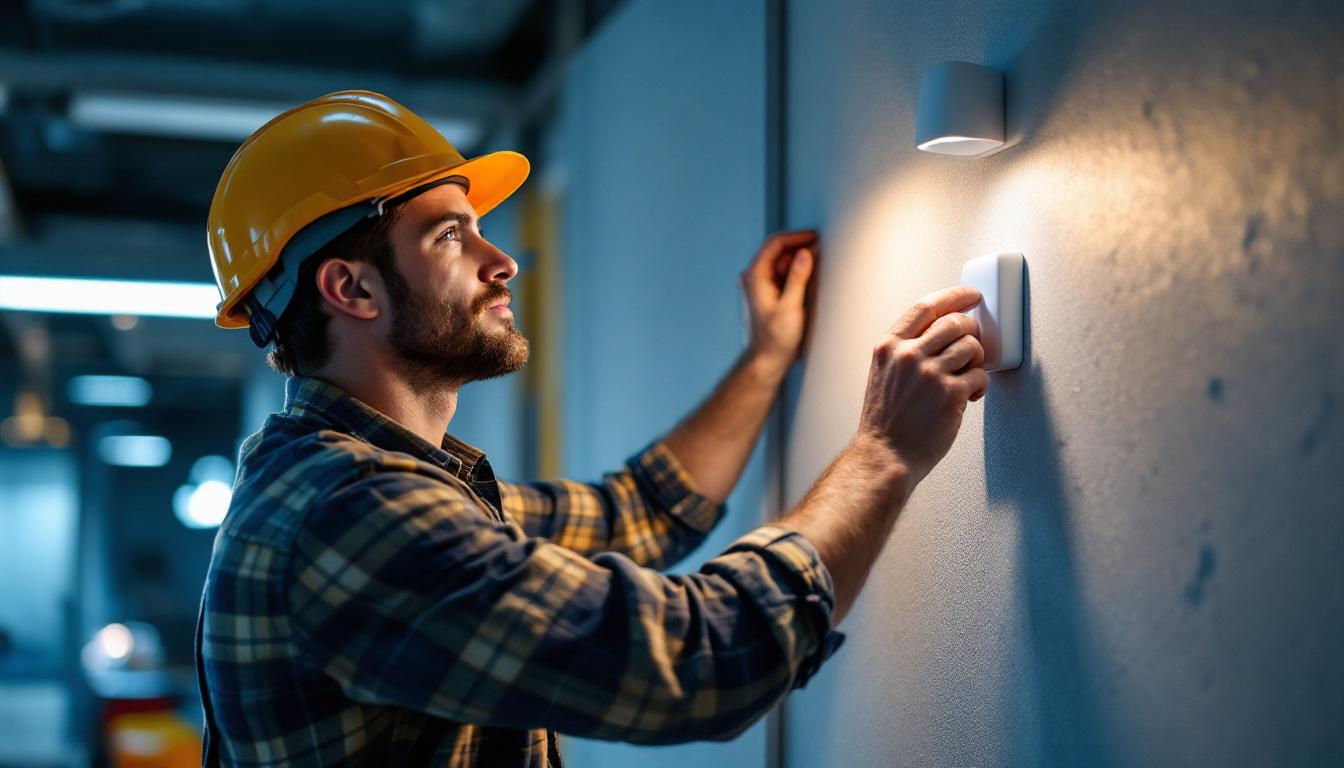
Incorrect installation is another common pitfall that can undermine the performance of wall pack fixtures. Mounting height, angle, and orientation all influence light distribution and effectiveness. Installing fixtures too low or at the wrong angle can create shadows, glare, or uneven lighting.
Contractors should follow manufacturer guidelines and industry standards for mounting heights and aiming angles. Utilizing adjustable brackets or aiming mechanisms can help fine-tune light distribution post-installation. Additionally, ensuring secure mounting to prevent fixture movement or damage is vital for safety and longevity.
Best Practices for Successful Wall Pack Lighting Projects
Conduct Comprehensive Site Assessments
Before specifying wall pack fixtures, a detailed site assessment is essential. This includes evaluating the area’s lighting needs, existing infrastructure, and environmental conditions. Understanding the purpose of the lighting—whether for security, safety, or aesthetics—will guide fixture selection and placement.
Contractors should also consider potential obstructions, reflectivity of surrounding surfaces, and local lighting ordinances or dark-sky compliance requirements. These factors influence fixture type, lumen output, and aiming strategies.
Leverage Photometric Data and Lighting Design Tools
Modern lighting design software and photometric reports provide valuable insights into how a fixture will perform in a given space. By simulating light distribution patterns, contractors can optimize fixture placement and quantity to achieve uniform illumination and minimize waste.
Using these tools reduces guesswork and helps avoid costly rework or over-ordering of fixtures. It also facilitates communication with clients by providing visual representations of the proposed lighting design.
Prioritize Quality and Compliance
Investing in high-quality wall pack fixtures from reputable manufacturers ensures reliability and compliance with safety and performance standards. Look for fixtures that have certifications such as UL listing, DLC qualification, and Energy Star ratings.
These certifications indicate that the products have undergone rigorous testing and meet industry benchmarks for safety, efficiency, and durability. Avoiding low-cost, uncertified fixtures can prevent failures and liability issues down the line.
Incorporate Smart Controls and Sensors
Integrating smart lighting controls, such as motion sensors, photocells, or programmable timers, enhances energy savings and operational flexibility. For instance, motion-activated wall packs can reduce energy consumption by illuminating areas only when activity is detected.
Photocells automatically turn fixtures on at dusk and off at dawn, ensuring consistent lighting schedules without manual intervention. These controls not only reduce costs but also extend fixture lifespan by limiting unnecessary operation.
Plan for Maintenance and Accessibility
Designing the lighting system with maintenance in mind can save time and money over the project’s lifecycle. Choose fixtures with easily replaceable components, such as LED modules or drivers, and ensure mounting locations allow safe access for servicing.
Documenting fixture specifications, installation details, and control settings facilitates future troubleshooting and upgrades. Establishing a maintenance schedule based on manufacturer recommendations helps maintain optimal performance and safety.
Case Studies: Lessons Learned from Wall Pack Lighting Projects
Case Study 1: Over-Illumination in a Parking Garage
A commercial parking garage project initially specified wall pack fixtures with lumen outputs far exceeding the actual lighting requirements. The result was excessive glare and light trespass into neighboring residential areas, leading to complaints and the need for costly retrofit solutions.
By reassessing the lighting design and switching to fixtures with lower lumen outputs and better shielding, the contractor was able to reduce energy consumption by 35% and improve community relations. This case underscores the importance of accurate lighting calculations and consideration of surrounding environments.
Case Study 2: Fixture Failure Due to Environmental Exposure
In an industrial facility near a coastal area, wall pack fixtures without adequate corrosion protection were installed. Within a short period, many fixtures exhibited rust and electrical failures, necessitating premature replacements.
Following this experience, the contractor adopted fixtures with marine-grade finishes and higher IP ratings for future projects in similar environments. This adjustment improved fixture longevity and reduced maintenance costs significantly.
Case Study 3: Energy Savings Through Smart Controls
A retail complex incorporated LED wall pack fixtures equipped with motion sensors and photocells. This intelligent control system reduced lighting operation during low-traffic hours without compromising safety.
The project achieved a 40% reduction in energy costs compared to traditional lighting setups, demonstrating the value of integrating smart technologies in outdoor lighting applications.
Conclusion: Strategic Planning Prevents Costly Wall Pack Lighting Mistakes
Wall pack fixtures are critical components in outdoor lighting projects, offering security, safety, and aesthetic benefits. However, the potential for costly mistakes is high if contractors overlook key factors such as lumen output, color temperature, energy efficiency, environmental durability, and installation practices.
By conducting thorough site assessments, leveraging photometric data, prioritizing quality products, incorporating smart controls, and planning for maintenance, lighting contractors can deliver successful projects that meet client needs and stand the test of time. Learning from past project challenges and adopting best practices ensures that wall pack lighting installations are both effective and economical.
Get Your Premium Wall Pack Fixtures at LumenWholesale
Ready to elevate your lighting projects with the best wall pack fixtures on the market? Look no further than LumenWholesale for spec-grade lighting solutions that promise quality, affordability, and convenience. Say goodbye to inflated markups and hello to our unbeatable wholesale prices, perfect for contractors looking to optimize their lighting projects without compromising on performance. With our hassle-free bulk buying and free shipping, you can trust that you’re getting the most value for your investment. Don’t let costly mistakes derail your project—choose LumenWholesale for reliable, high-performance lighting that stands the test of time. Wholesale Lighting at the Best Value is just a click away.