Understanding the Importance of Wall Mounted Emergency Lights
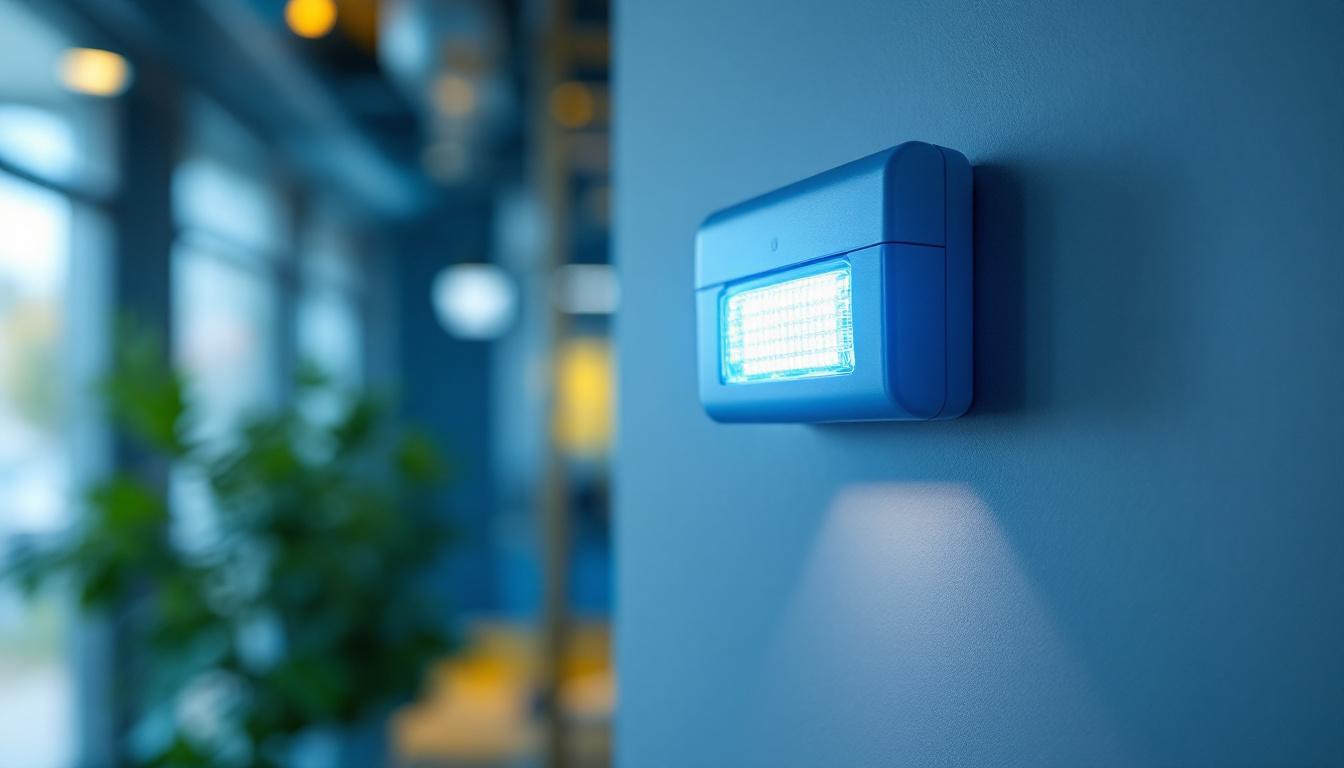
Emergency lighting is more than just a regulatory requirement-it’s a critical safety feature that can save lives during power outages, fires, or other emergencies. Wall mounted emergency lights are among the most common solutions used in commercial and industrial buildings. These units provide reliable illumination along escape routes, stairwells, and exit doors, guiding occupants safely to safety when standard lighting fails. The strategic placement of these lights is essential; they must be visible and accessible, ensuring that individuals can quickly locate them even in the most chaotic situations. In addition to their primary function, many modern emergency lights are equipped with advanced features such as LED technology, which not only enhances visibility but also extends the lifespan of the units, reducing the need for frequent replacements.
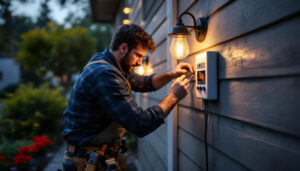
For lighting contractors, installing and maintaining these systems is a responsibility that demands precision and attention to detail. A poorly installed or maintained emergency light can lead to legal liabilities, failed inspections, and, most importantly, compromised safety. Understanding the nuances of wall mounted emergency lights ensures that contractors deliver installations that meet both code requirements and client expectations. Furthermore, contractors must stay informed about the latest industry standards and technological advancements, as regulations can change and new products emerge. This ongoing education helps them provide clients with the most effective solutions tailored to their specific needs, whether it’s a small office building or a large industrial facility. Regular maintenance checks are also crucial; they not only ensure that the lights are operational but also provide an opportunity to educate building occupants about the importance of emergency preparedness, fostering a culture of safety within the organization.
Key Features to Evaluate Before Installation
Battery Type and Backup Duration
Emergency lights rely on battery power when the main supply is interrupted. The most common battery types are sealed lead-acid (SLA) and nickel-cadmium (NiCd). Each has pros and cons: SLA batteries are cost-effective but have a shorter lifespan, while NiCd batteries are more durable and perform better in extreme temperatures. Additionally, lithium-ion batteries are emerging as a viable option, offering longer life cycles and faster charging times, which can be particularly advantageous in facilities that experience frequent power interruptions.
Contractors should verify that the battery backup duration complies with local codes, typically requiring at least 90 minutes of illumination. This ensures occupants have enough time to evacuate safely. Selecting a unit with a longer battery life can add peace of mind, especially in facilities where power outages may last longer. Furthermore, it is prudent to consider the ease of battery replacement and maintenance; some models come with user-friendly designs that allow for quick battery swaps without the need for specialized tools, thereby minimizing downtime and ensuring continuous readiness in case of an emergency.
Light Source and Brightness
LED technology has become the industry standard for emergency lighting due to its energy efficiency and long lifespan. LEDs provide bright, consistent light without generating excessive heat, which is crucial for safety equipment. When choosing a wall-mounted emergency light, contractors should assess the lumen output and beam spread to ensure adequate coverage of the designated area. It is also important to consider the color temperature of the LEDs; warmer tones can create a more inviting atmosphere, while cooler tones tend to enhance visibility, making it easier for occupants to navigate during an emergency.
Brightness must be balanced with energy consumption and heat dissipation. Overly bright units can cause glare and discomfort, while insufficient illumination defeats the purpose of emergency lighting. Consulting photometric data and manufacturer specifications helps in selecting the right fixture for the space. Additionally, some emergency lighting systems now incorporate smart technology that allows for real-time monitoring of light levels and battery status, providing an added layer of security and ensuring that the lights are always functioning optimally.
Durability and Environmental Considerations
Emergency lights are often installed in challenging environments—corridors, stairwells, warehouses, or outdoor areas exposed to moisture and dust. Selecting fixtures with appropriate ingress protection (IP) ratings is essential. For instance, an IP65 rating indicates resistance to dust and water jets, suitable for harsher environments. Moreover, understanding the temperature range in which the lights will operate is vital; some models are designed to function in extreme cold or heat, ensuring reliability regardless of the conditions.
Materials also matter. Polycarbonate housings offer impact resistance, while metal enclosures provide robustness in industrial settings. Contractors should evaluate the installation environment carefully to choose fixtures that withstand wear and tear, minimizing maintenance and replacement costs. Furthermore, sustainability considerations are becoming increasingly important; opting for emergency lights made from recyclable materials or those that have energy-efficient designs can contribute to a facility’s overall environmental goals, aligning safety with eco-conscious practices. This dual focus not only enhances safety but also promotes a responsible approach to facility management.
Installation Best Practices for Wall Mounted Emergency Lights
Location and Mounting Height
Proper placement is crucial for emergency lights to perform effectively. Codes often specify mounting heights—typically between 7 and 10 feet above the floor—to maximize visibility. Lights should be installed near exits, along corridors, and in stairwells where natural light is minimal or absent. Additionally, the orientation of the lights should be considered; they should be angled to direct light toward the floor to illuminate pathways clearly.
Contractors must ensure that the light’s beam covers the entire escape route without creating shadows or dark spots. Avoid mounting near obstructions or behind doors that could block illumination. Planning the layout with floor plans and lighting simulations can prevent costly mistakes. Furthermore, it is essential to consider the potential for future changes in the building layout. For instance, if walls or partitions are added, the emergency lighting may need to be adjusted to maintain compliance and safety. Regular reviews of the installation in conjunction with any renovations can help keep the emergency lighting system effective.
Wiring and Power Supply Considerations
Emergency lights require a dedicated power circuit connected to the building’s emergency power system or an uninterruptible power supply (UPS). Wiring must comply with the National Electrical Code (NEC) or local standards, including the use of fire-resistant cables in some jurisdictions. It is also advisable to use labeled conduits to ensure easy identification during maintenance or emergencies. This practice can significantly reduce response time in critical situations.
Contractors should verify that the circuit includes a test switch and indicator light to facilitate routine inspections. Proper grounding and surge protection are also critical to prevent damage during electrical faults or lightning strikes. Additionally, considering the installation of a monitoring system that can alert facility managers to any malfunctions or failures in the emergency lighting can enhance safety measures. Such systems can provide real-time data and help ensure that the lights are always operational when needed.
Testing and Commissioning
After installation, testing the emergency lighting system is non-negotiable. Initial commissioning involves simulating a power failure to confirm that lights switch on automatically and batteries provide the required backup duration. Many modern units include self-diagnostic features that simplify this process, allowing for automated testing and reporting. This technology not only saves time but also ensures that the system is functioning correctly without requiring extensive manual checks.
Documenting test results and providing clients with maintenance schedules ensures ongoing compliance and reliability. Lighting contractors should train facility managers on how to perform monthly and annual tests, as required by code. Furthermore, establishing a clear communication channel for reporting any issues or concerns regarding the emergency lighting can foster a proactive approach to maintenance. Regular training sessions can also keep staff informed about the latest advancements in emergency lighting technology, ensuring that they are prepared to handle any situation that may arise.
Maintenance and Troubleshooting Tips
Routine Inspection Checklist
Regular maintenance extends the lifespan of emergency lights and ensures they function when needed. Contractors should advise clients to check for the following during inspections:
- Indicator lights showing battery status
- Physical damage or discoloration of the fixture
- Battery replacement dates and signs of corrosion
- Proper illumination levels during test runs
Replacing batteries every 3 to 5 years is standard practice, but environmental factors can accelerate degradation. Keeping detailed maintenance logs helps track performance and anticipate replacements.
Common Issues and Solutions
Some problems frequently arise with wall mounted emergency lights. Flickering or dim lights often indicate battery failure or poor wiring connections. If a unit fails to switch on during a power outage, the issue may lie with the test switch or internal circuitry.
Moisture ingress can cause corrosion and short circuits, especially in outdoor installations. Using weatherproof enclosures and sealing entry points can mitigate this risk. When troubleshooting, always prioritize safety by disconnecting power before inspecting electrical components.
Compliance and Documentation
Meeting Code Requirements
Emergency lighting regulations vary by jurisdiction but generally align with standards set by the National Fire Protection Association (NFPA) and the International Building Code (IBC). Contractors must stay updated on local amendments and ensure installations meet or exceed these standards.
Non-compliance can lead to failed inspections, fines, or increased liability in emergencies. Proper documentation of installation, testing, and maintenance is essential for demonstrating compliance and protecting both contractors and clients.
Providing Clients with Clear Documentation
Detailed records benefit building owners and facility managers. Contractors should supply manuals, wiring diagrams, and maintenance schedules alongside test reports. Clear instructions on how to operate and test the emergency lighting system empower clients to maintain safety standards independently.
Offering ongoing service contracts or training sessions can also enhance client satisfaction and build long-term relationships.
Choosing the Right Wall Mounted Emergency Light: Final Considerations
Selecting and installing wall mounted emergency lights is a nuanced task that blends technical knowledge with practical experience. Contractors must balance regulatory compliance, environmental conditions, and client needs to deliver effective solutions.
Prioritizing quality components, meticulous installation, and thorough testing ensures emergency lighting systems perform flawlessly when lives depend on them. Staying informed about technological advances, such as smart self-testing units and energy-efficient LEDs, can also provide a competitive edge.
Ultimately, a lighting contractor’s expertise in emergency lighting safeguards not only buildings but the people within them-making every detail, from battery type to mounting height, a critical piece of the safety puzzle.
Get Your Premium Emergency Lighting at LumenWholesale
Ready to equip your projects with the highest quality wall mounted emergency lights? Look no further than LumenWholesale, where we specialize in providing contractors with spec-grade lighting solutions at unbeatable wholesale prices. Our selection is designed to meet rigorous industry standards, ensuring you have access to reliable and high-performance lighting for all your needs. With the convenience of free shipping on bulk orders, you can trust that you’re getting the best value without any hidden costs. Elevate your emergency lighting installations with the perfect blend of quality, affordability, and convenience. Explore our wholesale lighting options now and secure the best for your clients.