Understanding Wall Light Switch Timers: What Lighting Contractors Need to Know
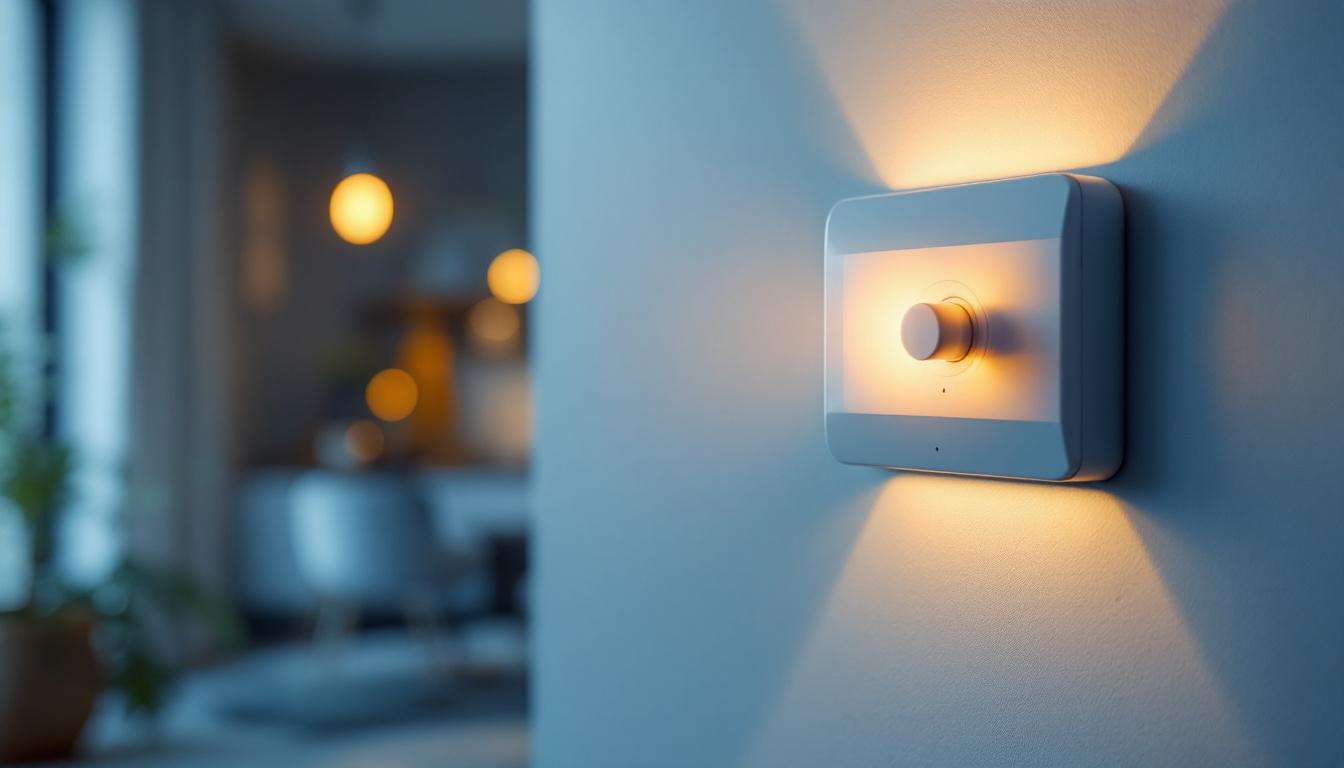
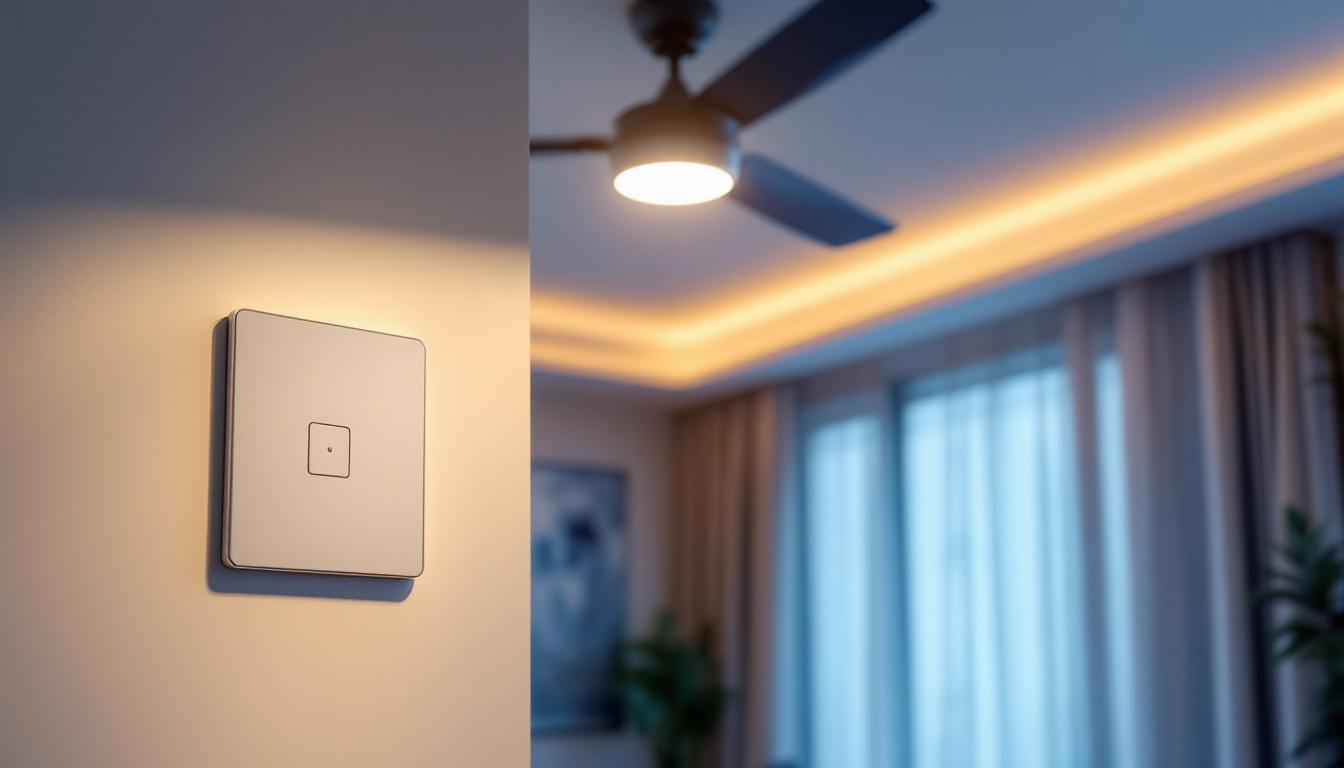
Wall light switch timers are more than just convenient gadgets; they’re essential tools for energy management, security, and automation in residential and commercial lighting systems. For lighting contractors, mastering the nuances of these devices can elevate service offerings and improve client satisfaction.
At its core, a wall light switch timer allows a light fixture to turn on or off automatically at preset times, eliminating the need for manual operation. This simple function can lead to significant energy savings and enhance the overall user experience, especially in environments where lighting patterns must be consistent or controlled remotely.
But not all wall light switch timers are created equal. The variety of types, features, and installation requirements means contractors must be well-versed to recommend and implement the best solution for each project. For instance, some timers offer programmable settings that can adapt to seasonal changes, while others may include features like randomization to simulate occupancy for enhanced security. Understanding these options can help contractors tailor solutions to meet specific client needs, whether it’s for a cozy home environment or a bustling commercial space.
Additionally, the integration of smart technology into wall light switch timers has revolutionized the way these devices operate. Many modern timers can now connect to home automation systems, allowing users to control their lighting remotely via smartphone apps or voice commands. This level of convenience not only appeals to tech-savvy clients but also opens up opportunities for contractors to upsell smart home integrations, providing a comprehensive service package that includes lighting, security, and energy efficiency. Moreover, as energy regulations become stricter, offering solutions that comply with energy-saving standards can position contractors as knowledgeable and responsible professionals in the industry, further enhancing their reputation and client trust.
Types of Wall Light Switch Timers and Their Applications
Mechanical Timers: The Classic Choice
Mechanical timers are the oldest type of wall switch timers and operate using a dial and pins to set on/off intervals. They are straightforward and cost-effective, making them popular in budget-conscious projects. Their reliability is proven, but they lack the flexibility and precision of modern digital models.
These timers are ideal for simple applications such as outdoor porch lighting or garden lights where basic scheduling is sufficient. However, their limitations become apparent in complex lighting setups requiring multiple on/off cycles or integration with other smart devices.
Digital Timers: Precision and Flexibility
Digital wall light switch timers offer programmable schedules with greater accuracy and multiple timing options. They often include LCD screens for easy programming and memory backup to retain settings during power outages.
For contractors, digital timers allow customization to meet client needs, such as staggered lighting schedules in commercial buildings or adaptive lighting in residential settings. Many models support weekly programming, enabling different schedules for weekdays and weekends.
Smart Timers: The Future of Lighting Control
Smart wall light switch timers connect to Wi-Fi or other wireless networks, allowing control via smartphone apps or voice assistants. These devices often integrate with home automation systems, providing features like geofencing, remote access, and adaptive lighting based on occupancy or daylight.
From a contractor’s perspective, smart timers open opportunities to offer advanced lighting solutions that enhance convenience and energy efficiency. They also require knowledge of networking and compatibility considerations to ensure seamless installation and operation.
Key Features Lighting Contractors Should Evaluate
Load Capacity and Compatibility
One of the first considerations when selecting a wall light switch timer is the load it can handle. Timers must be compatible with the type of lighting load-incandescent, LED, CFL, or fluorescent-to avoid premature failure or operational issues.
LED and CFL lighting, for example, have lower wattage and different electrical characteristics compared to incandescent bulbs. Some mechanical timers may not support these loads effectively, causing flickering or failure to switch properly. Digital and smart timers typically specify compatible load types and minimum wattage requirements.
Power Source and Wiring Requirements
Understanding the wiring environment is crucial. Many older homes lack a neutral wire in the switch box, which some digital and smart timers require for operation. Contractors must assess the existing wiring and determine if rewiring is necessary or if a timer model that doesn’t require a neutral wire is more appropriate.
Additionally, the power source voltage and frequency must match the timer specifications to ensure safe and reliable operation. Some timers are designed for specific regions or voltage standards, so verifying compatibility is essential.
Programming Flexibility and User Interface
The ease with which end-users can program and adjust the timer settings impacts customer satisfaction. Mechanical timers typically have limited programming options and can be less intuitive, while digital and smart timers often feature user-friendly interfaces.
For commercial installations, the ability to set multiple on/off cycles per day or different schedules for weekdays and weekends can be a selling point. Smart timers that allow remote programming via apps add another layer of convenience and control.
Safety and Compliance
Lighting contractors must ensure that wall light switch timers comply with local electrical codes and safety standards. Timers should carry certifications such as UL (Underwriters Laboratories) or ETL (Electrical Testing Laboratories) to guarantee they meet safety requirements.
Proper installation practices, including grounding and secure connections, are critical to prevent electrical hazards. Contractors should also educate clients on the importance of using certified devices and professional installation to avoid risks.
Installation Best Practices for Wall Light Switch Timers
Pre-Installation Assessment
Before installation, a thorough assessment of the existing electrical system is vital. This includes verifying the presence of neutral wires, confirming load types, and checking the switch box size to accommodate the timer device.
Contractors should also discuss client needs and preferences to select the most suitable timer model. Understanding the lighting schedule, desired features, and potential future upgrades can guide the choice.
Wiring and Mounting
Accurate wiring is essential for timer functionality and safety. Following manufacturer instructions and local electrical codes ensures the timer operates correctly and avoids damage or hazards.
In some cases, the switch box may need to be enlarged to fit the timer, especially for models with larger components or additional features. Proper mounting ensures the device is secure and accessible for programming and maintenance.
Testing and Client Education
After installation, comprehensive testing confirms that the timer operates according to the programmed schedule and responds correctly to manual overrides if available. Testing under different scenarios, including power interruptions, helps identify potential issues.
Contractors should provide clients with clear instructions on programming, manual operation, and troubleshooting. Offering follow-up support or maintenance services can enhance client trust and satisfaction.
Common Challenges and How to Overcome Them
Compatibility Issues with LED and CFL Lighting
Many lighting contractors encounter flickering or failure when pairing timers with LED or CFL bulbs. This often results from the timer’s inability to handle low wattage or electronic ballast loads.
Choosing timers specifically rated for LED/CFL loads or using compatible bulbs can resolve these problems. In some cases, adding a load resistor or bypass device may be necessary, but this should be approached carefully to avoid voiding warranties or creating safety risks.
Dealing with Absence of Neutral Wire
Older homes frequently lack a neutral wire in the switch box, limiting the choice of timers. Contractors can either install timers designed to work without a neutral or run a neutral wire if feasible.
Smart timers often require a neutral wire, so verifying wiring before purchase is critical. When rewiring is not an option, mechanical or specialized digital timers without neutral requirements are the best alternatives.
Client Resistance to Programming Complexity
Some clients find programming timers intimidating, leading to dissatisfaction or underutilization of the device. Offering models with simple interfaces or smart timers with app control can mitigate this issue.
Providing hands-on demonstrations and easy-to-follow guides empowers clients to use their timers effectively. For commercial clients, customized programming services can also add value.
Emerging Trends and Opportunities for Lighting Contractors
Integration with Smart Home and Building Automation Systems
As smart technology becomes more prevalent, wall light switch timers are increasingly integrated into broader automation ecosystems. Lighting contractors who understand these systems can offer comprehensive solutions that combine lighting control with HVAC, security, and energy management.
Knowledge of protocols like Zigbee, Z-Wave, and Wi-Fi, as well as platforms such as Google Home and Amazon Alexa, positions contractors to meet growing demand for connected lighting solutions.
Energy Efficiency and Sustainability Focus
Energy codes and sustainability goals drive demand for lighting controls that reduce consumption. Timers play a key role in achieving these objectives by ensuring lights operate only when needed.
Contractors can leverage this trend by recommending timers that support occupancy sensing, daylight harvesting, and adaptive scheduling. These features not only save energy but also enhance occupant comfort and safety.
Customization and Client-Specific Solutions
Clients increasingly seek tailored lighting control solutions that fit their unique lifestyles or business operations. Offering a range of timer options-from simple mechanical to advanced smart models-allows contractors to address diverse needs.
Providing consulting services to design lighting schedules and control strategies can differentiate contractors in a competitive market, fostering long-term client relationships.
Conclusion: Mastering Wall Light Switch Timers for Success
Wall light switch timers are indispensable tools in the lighting contractor’s arsenal. Understanding their types, features, installation requirements, and challenges enables contractors to deliver effective, reliable lighting control solutions.
Staying informed about emerging technologies and client preferences ensures that contractors can adapt and thrive in a dynamic industry. By combining technical expertise with clear communication and client education, lighting contractors can maximize the benefits of wall light switch timers for every project.
Get Your Premium Lighting Timers at LumenWholesale
Ready to enhance your lighting projects with the most reliable and efficient wall light switch timers? Look no further than LumenWholesale, where we provide contractors with the highest quality, spec-grade lighting products at unbeatable wholesale prices. Say goodbye to inflated markups and hello to superior lighting solutions that meet the highest industry standards. With our hassle-free bulk buying and free shipping, you can trust that you’re getting the best value without any hidden fees. Elevate your lighting installations with the perfect blend of quality, affordability, and convenience. Wholesale Lighting at the Best Value is just a click away!