Understanding Wall Accent Lighting: Fundamentals for Lighting Contractors
Wall accent lighting is a powerful design tool that lighting contractors can leverage to transform spaces by highlighting architectural features, artwork, or textured surfaces. Unlike general illumination, accent lighting focuses on creating visual interest and depth, adding layers to the overall lighting scheme. Mastering wall accent lighting requires a firm grasp of both technical and aesthetic principles, ensuring that installations are both functional and visually compelling.
For lighting contractors, understanding the nuances of wall accent lighting is critical. This type of lighting can dramatically alter the perception of space, making rooms appear larger, warmer, or more inviting. It also plays a key role in commercial environments such as hotels, galleries, and retail stores where ambiance and product visibility are paramount. Therefore, contractors must be adept at selecting appropriate fixtures, positioning them precisely, and integrating controls that enhance user experience.
Key Characteristics of Wall Accent Lighting
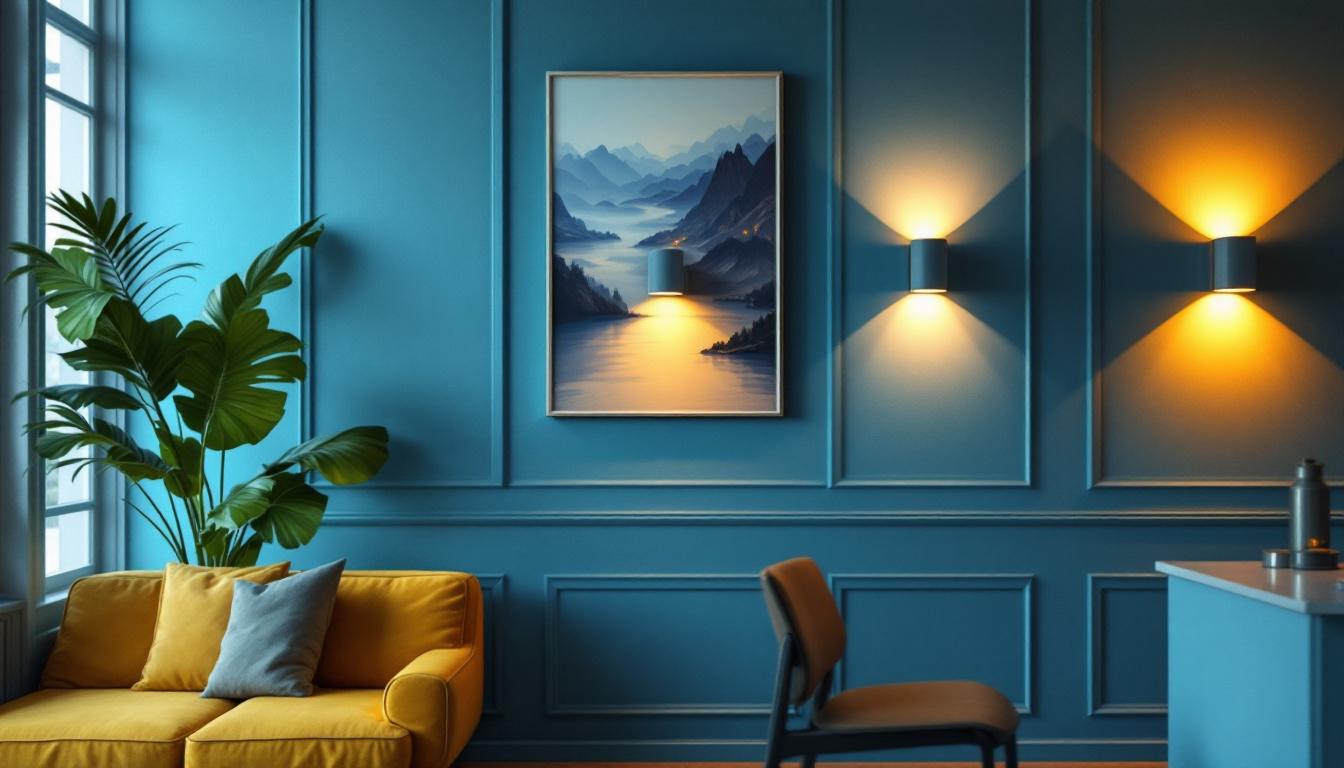
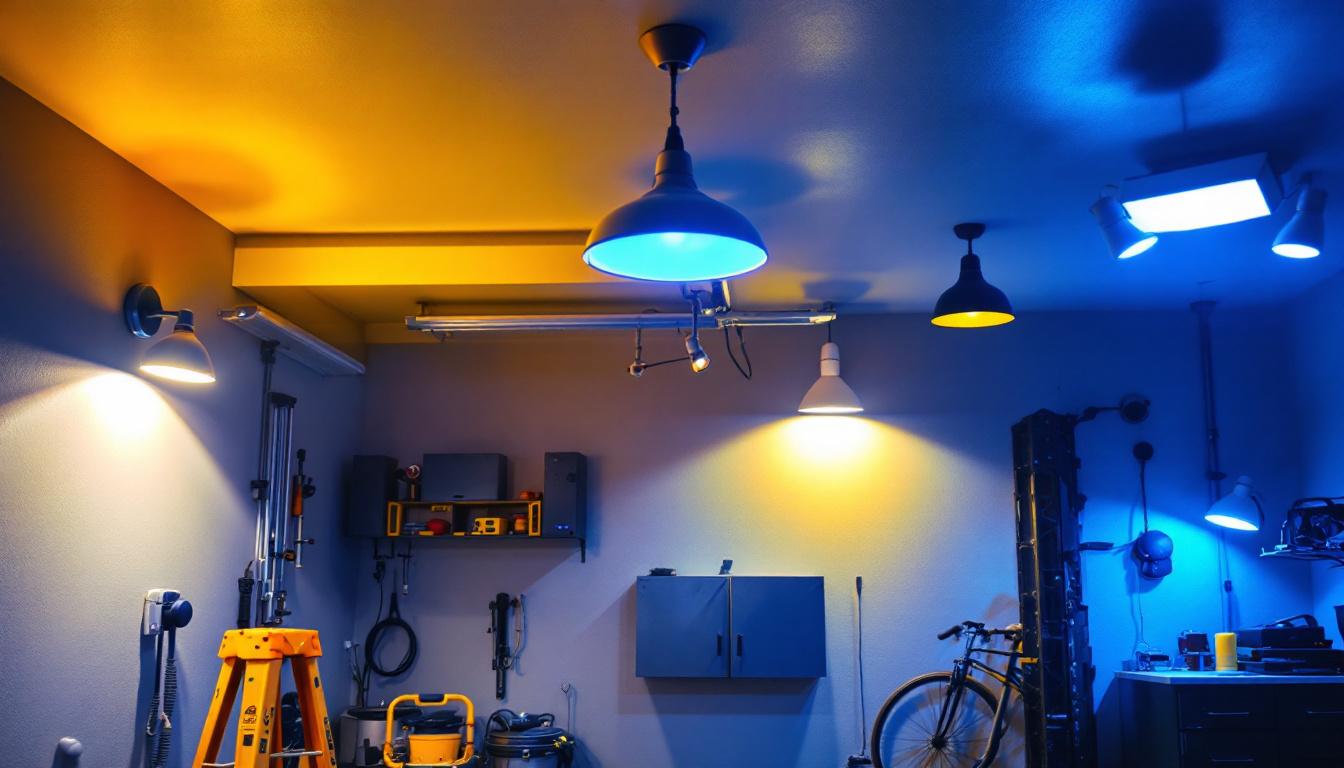
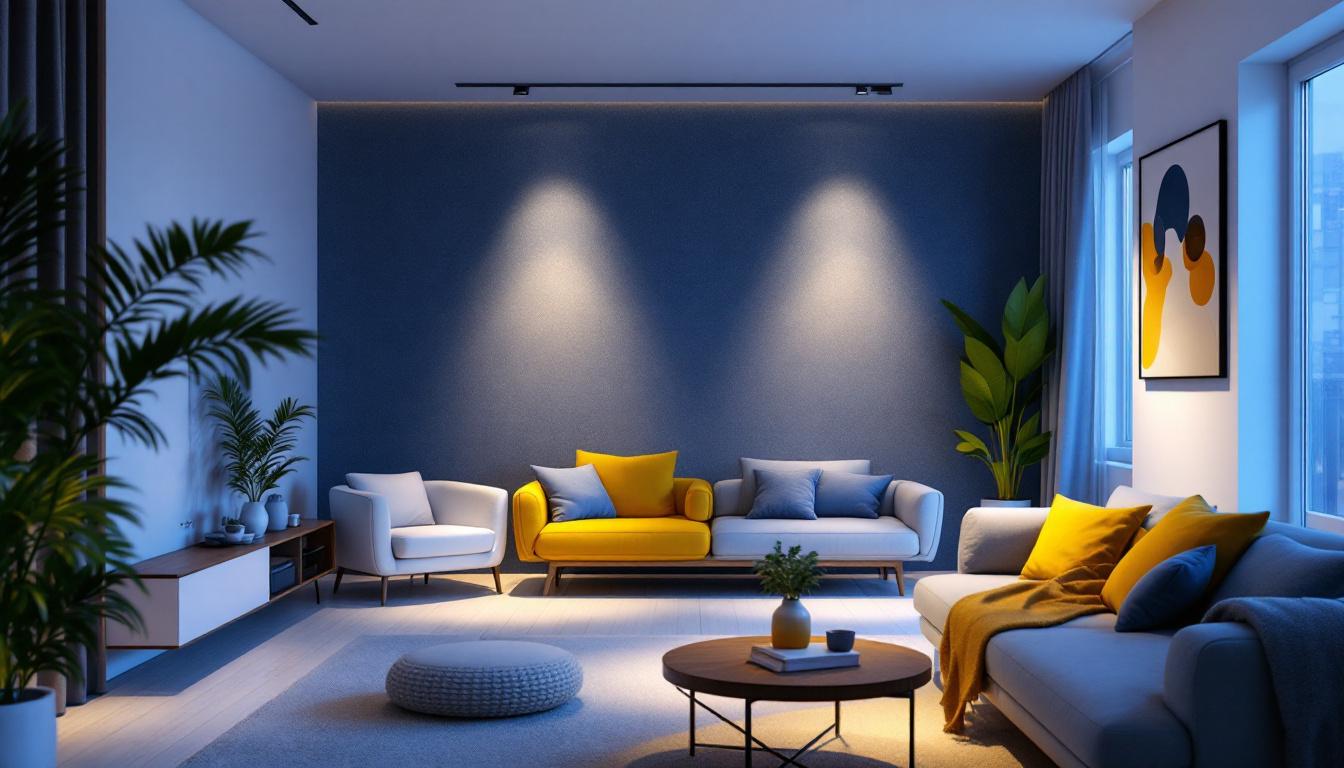
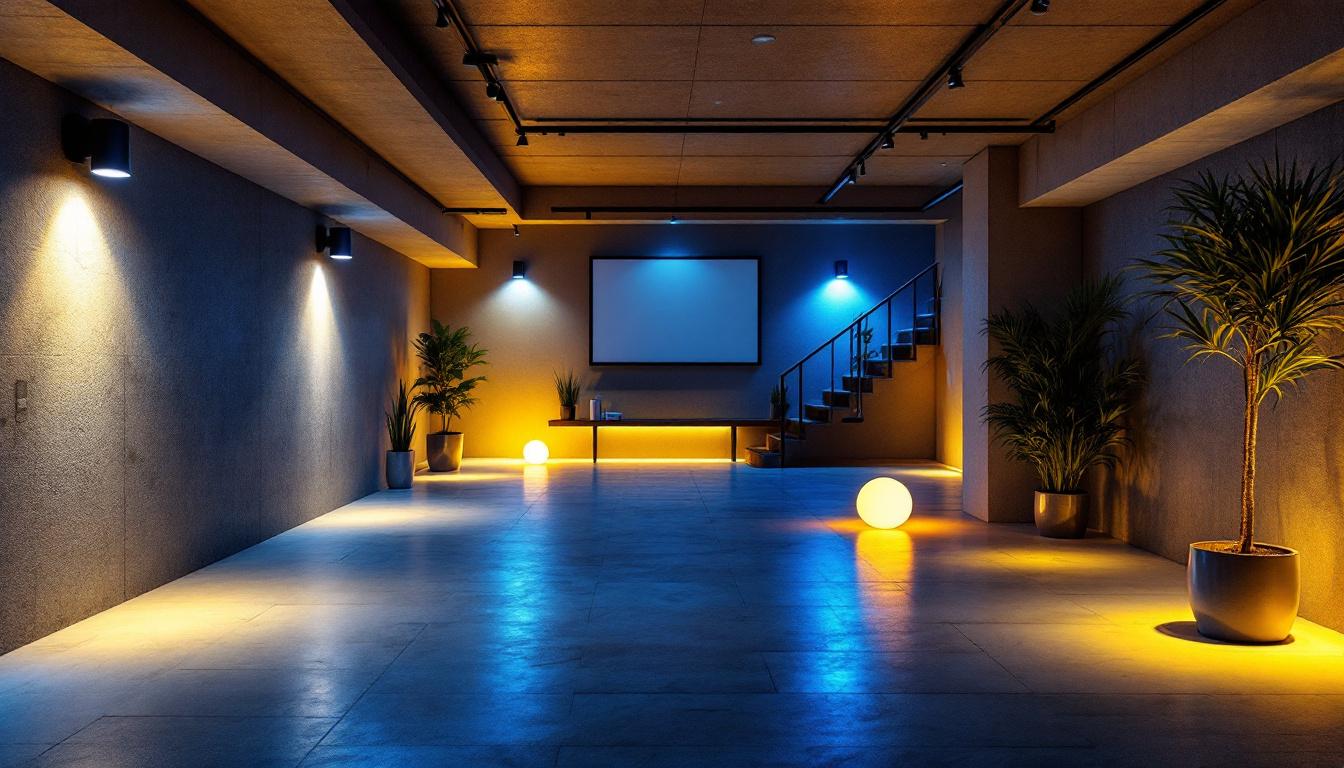
Wall accent lights typically emit focused beams that create contrast and shadow, emphasizing textures and shapes. The intensity and color temperature of the light are crucial factors; warmer tones often evoke coziness, while cooler tones can highlight modern or minimalist designs. The directionality of the light also matters—uplighting, downlighting, or grazing techniques can produce distinct visual effects.
Moreover, energy efficiency and compliance with local lighting codes are essential considerations. LED technology has revolutionized wall accent lighting by offering longevity, low heat emission, and customizable color options, making it a preferred choice among contractors aiming to balance performance with sustainability. The versatility of LED fixtures allows for dynamic lighting solutions that can be adjusted to suit different moods and occasions, enhancing the overall functionality of a space.
In addition to the technical aspects, the aesthetic integration of wall accent lighting into the overall design scheme cannot be overlooked. Lighting contractors should consider the architectural style of the space and the specific features they wish to highlight. For instance, a rustic setting may benefit from warm, soft accent lights that complement wooden textures, while a contemporary space might call for sleek, minimalist fixtures that provide a stark contrast against smooth surfaces. Understanding the interplay between light and material can elevate a design from ordinary to extraordinary, creating a cohesive and inviting atmosphere.
Selecting the Right Fixtures and Technologies
The choice of fixtures and lighting technology directly influences the success of a wall accent lighting project. Lighting contractors must evaluate factors such as beam angle, lumen output, fixture size, and mounting options to ensure optimal results. Understanding the interplay between these elements is crucial, as they can dramatically alter the ambiance of a space. For instance, a well-placed fixture can create a warm, inviting atmosphere, while poor placement may lead to harsh shadows or uneven lighting.
Types of Wall Accent Fixtures
Common fixtures for wall accent lighting include wall washers, spotlights, sconces, and linear LED strips. Wall washers distribute light evenly across a surface, ideal for highlighting large textured walls or murals. Spotlights offer precision, perfect for accentuating artwork or architectural details. Sconces combine functionality with decorative appeal, often serving as both accent and ambient light sources. Linear LED strips are versatile for creating continuous lines of light, enhancing shelves, niches, or coves.
Contractors should also consider fixture placement—recessed fixtures provide a clean, unobtrusive look, while surface-mounted options can add a design element themselves. The choice depends on the project’s aesthetic goals and structural constraints. For example, recessed lighting can create a sleek, modern feel, while ornate sconces can evoke a sense of classic elegance. Additionally, the height at which fixtures are installed can significantly impact the perceived scale of a room, making it essential to carefully plan their positioning.
Advancements in LED and Smart Lighting
LED technology has become the cornerstone of modern wall accent lighting due to its efficiency and adaptability. LEDs offer a wide range of color temperatures and dimming capabilities, allowing contractors to tailor lighting scenes to client preferences. Additionally, smart lighting systems enable dynamic control via apps or voice commands, facilitating adjustments to brightness and color without physical intervention. This level of customization not only enhances the user experience but also allows for the creation of unique atmospheres that can change with the time of day or occasion.
Integrating smart controls not only enhances user convenience but also contributes to energy savings through automated scheduling and occupancy sensing. Lighting contractors who stay abreast of these technological advancements can provide clients with cutting-edge solutions that elevate both functionality and design. Moreover, the ability to integrate lighting with other smart home systems—such as security and climate control—creates a cohesive living environment that is both stylish and efficient. As the demand for sustainable and intelligent design continues to grow, embracing these innovations will set contractors apart in a competitive market.
Design Principles and Installation Best Practices
Successful wall accent lighting hinges on thoughtful design and meticulous installation. Lighting contractors must balance technical requirements with creative vision to achieve harmonious results.
Assessing the Space and Client Objectives
Before selecting fixtures or determining placement, contractors should conduct a thorough assessment of the space. This includes analyzing wall textures, colors, and architectural elements, as well as understanding the client’s goals—whether to create a cozy atmosphere, highlight specific features, or enhance safety.
Collaborating with interior designers or architects can provide valuable insights, ensuring that lighting complements other design elements. Additionally, considering the room’s natural light patterns helps in planning lighting schedules and fixture specifications.
Optimizing Fixture Placement and Angles
Precision in fixture placement is paramount. For example, grazing light—where fixtures are installed close to the wall and aimed upward or downward—accentuates textures by casting shadows. Wall washers, conversely, should be spaced evenly to avoid hot spots or uneven illumination.
Contractors must also account for fixture height, beam spread, and distance from the wall. Using lighting simulation software can aid in visualizing outcomes and refining placement before installation, saving time and reducing errors.
Electrical Considerations and Safety Compliance
Proper wiring, grounding, and adherence to electrical codes are non-negotiable aspects of installation. Lighting contractors should ensure that circuits are appropriately rated for the load and that fixtures are compatible with dimmers or control systems used.
Safety is especially critical in wet or outdoor environments where wall accent lighting is increasingly popular. Selecting fixtures with appropriate IP ratings and installing them according to manufacturer guidelines protects both the installation and end-users.
Enhancing Client Satisfaction Through Customization and Maintenance
Beyond installation, lighting contractors can distinguish themselves by offering customization options and maintenance services that prolong the life and performance of wall accent lighting systems.
Tailoring Lighting Solutions to Client Needs
Every client has unique preferences and functional requirements. Offering adjustable color temperatures, programmable scenes, and integration with home automation systems allows clients to personalize their lighting experience. Demonstrating these capabilities during the consultation phase can build trust and showcase the contractor’s expertise.
Additionally, recommending fixtures with modular designs or easy access for bulb replacement can simplify future upgrades or repairs, enhancing long-term satisfaction.
Providing Maintenance and Troubleshooting Support
Wall accent lighting installations may require periodic cleaning, firmware updates for smart systems, or troubleshooting of dimming issues. Establishing maintenance contracts or offering follow-up visits can ensure that lighting continues to perform optimally.
Proactive communication about potential issues, such as LED driver lifespan or sensor calibration, positions contractors as reliable partners rather than one-time service providers, fostering lasting client relationships.
Case Studies: Successful Wall Accent Lighting Projects
Examining real-world examples helps illuminate best practices and inspire lighting contractors in their own projects.
Residential Art Gallery Wall
In a high-end residential setting, a lighting contractor installed adjustable LED spotlights with narrow beam angles to highlight a collection of paintings. The fixtures were recessed to maintain a minimalist ceiling line, and smart controls allowed the homeowner to create different lighting scenes for entertaining or quiet evenings. The project enhanced the artwork’s visibility without glare, demonstrating the impact of precise fixture selection and placement.
Hotel Lobby Feature Wall
A hotel lobby featured a textured stone wall that was transformed using wall washers with warm white LEDs. The lighting contractor spaced fixtures evenly and used dimmable drivers to adjust intensity based on time of day and occupancy. Integration with the building’s lighting management system enabled energy savings and consistent ambiance, showcasing how wall accent lighting can elevate commercial spaces while supporting operational efficiency.
Retail Store Display Shelves
For a boutique retail store, linear LED strips were installed under shelves to accentuate merchandise. The contractor selected fixtures with high color rendering indexes (CRI) to ensure product colors appeared vibrant and true to life. The lighting was synchronized with the store’s overall lighting design, creating a cohesive and inviting shopping environment.
Conclusion: Mastering Wall Accent Lighting as a Lighting Contractor
Wall accent lighting offers lighting contractors a unique opportunity to blend technical skill with creative design, enhancing spaces in ways that resonate with clients and end-users. By understanding the fundamentals, selecting appropriate fixtures and technologies, adhering to design and installation best practices, and prioritizing client customization and maintenance, contractors can deliver exceptional results.
Staying informed about emerging trends and technologies, such as smart lighting and energy-efficient solutions, further empowers contractors to provide innovative and sustainable lighting designs. Ultimately, mastering wall accent lighting not only elevates the quality of work but also strengthens professional reputation and client satisfaction in a competitive industry.
Illuminate Your Projects with LumenWholesale
Ready to take your wall accent lighting projects to the next level? At LumenWholesale, we provide lighting contractors with the superior, spec-grade lighting products you need to master any space. Enjoy the benefits of our extensive selection, exceptional quality, and wholesale prices that put you ahead of the competition. With free shipping on bulk orders, we make it easy and cost-effective to stock up on the best lighting solutions. Don’t compromise on quality or value—discover wholesale lighting at the best value today and brighten your clients’ spaces with confidence.