Why Uplighting Transforms Interior Spaces
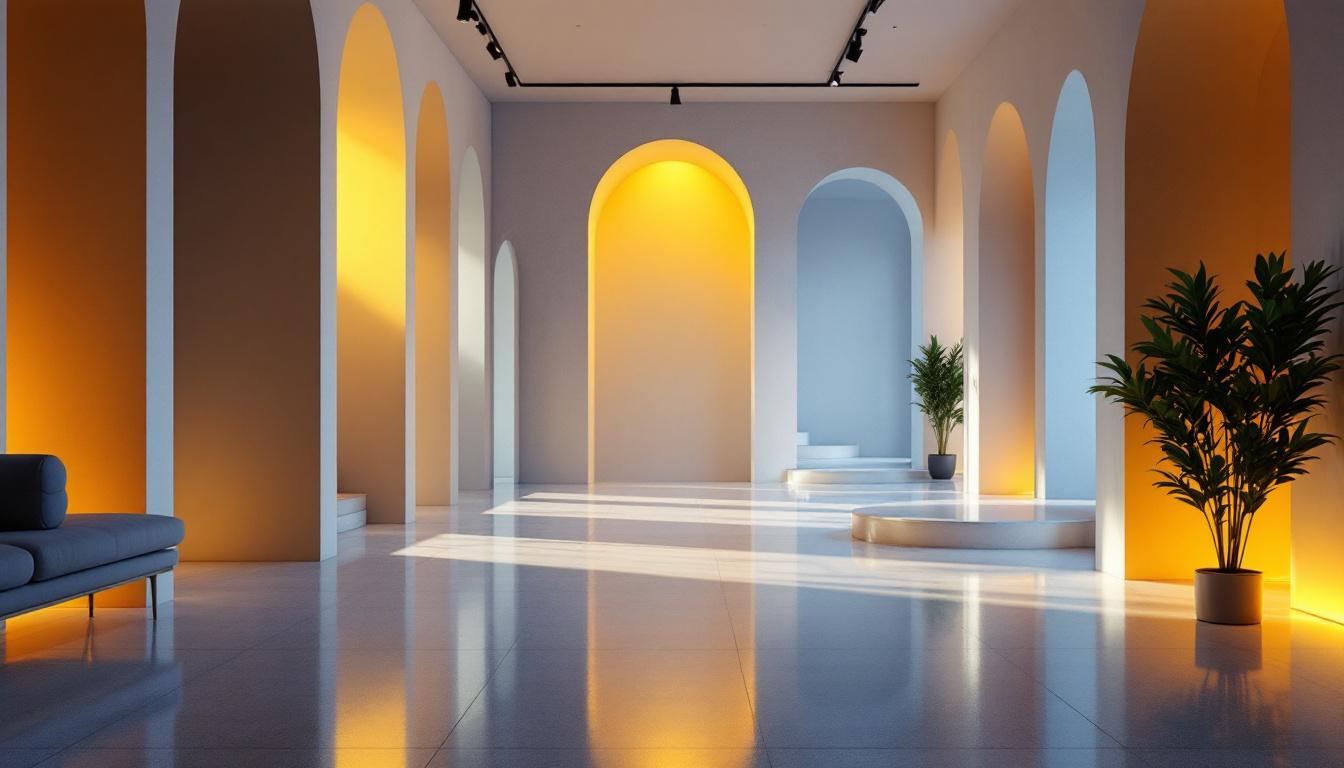
Uplighting is more than just a trendy lighting technique; it’s a powerful design tool that can redefine the ambiance of a home. By casting light upwards, this method accentuates architectural features, adds depth to rooms, and creates a warm, inviting atmosphere. For lighting contractors, understanding the impact of uplighting is essential for delivering sophisticated, client-pleasing results.
Unlike traditional overhead lighting that floods a room from above, uplighting introduces subtle shadows and highlights. This interplay of light and dark brings texture and character to walls, ceilings, and decorative elements. It’s particularly effective in spaces with crown molding, textured walls, or interesting ceiling details. When done right, uplighting can make a room feel larger, cozier, or more dramatic depending on the client’s needs.
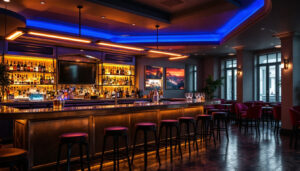
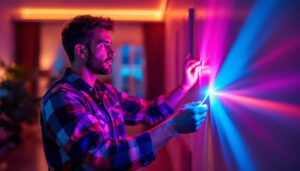
Moreover, uplighting can serve as a focal point in a room, drawing attention to specific features such as artwork or architectural details. By strategically placing uplights near these elements, homeowners can create a gallery-like atmosphere that enhances the visual appeal of their space. This technique is especially popular in living rooms and dining areas, where the goal is often to create a sophisticated and inviting environment for guests. The use of colored uplighting can further enhance this effect, allowing homeowners to experiment with different moods and themes, from serene blues to vibrant reds, depending on the occasion.
In addition to its aesthetic benefits, uplighting is also a practical choice for energy efficiency. Many modern uplighting fixtures utilize LED technology, which not only reduces energy consumption but also has a longer lifespan compared to traditional bulbs. This makes it an eco-friendly option that aligns with the growing trend of sustainable living. Furthermore, the versatility of uplighting allows it to be easily integrated into various design styles, whether it’s a contemporary loft or a classic Victorian home. By incorporating uplighting into their designs, contractors can offer clients a unique solution that enhances both the beauty and functionality of their spaces.
Key Considerations When Installing Uplighting
Choosing the Right Fixtures and Bulbs
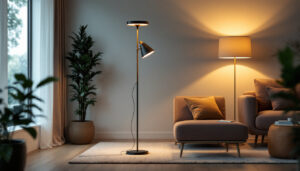
Not all uplighting fixtures are created equal. Selecting the proper fixture depends on the space, ceiling height, and desired effect. For example, slim, recessed uplights work well in modern interiors where minimalism is key, while adjustable floor-mounted uplights can highlight artwork or plants. Additionally, wall-mounted sconces can provide a more traditional touch, creating a warm and inviting atmosphere in spaces like dining rooms or entryways. The versatility of uplighting fixtures allows homeowners to express their unique style while enhancing the overall aesthetic of their spaces.
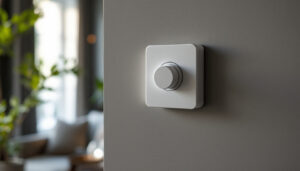
The choice of bulb is equally important. LEDs are the preferred option due to their energy efficiency, long lifespan, and low heat emission. They also offer a range of color temperatures, from warm white to cool white, allowing contractors to tailor the mood precisely. Dimmable LEDs provide even greater control, enabling homeowners to shift from bright task lighting to soft ambiance effortlessly. Furthermore, smart LED options are now available, allowing users to control brightness and color through mobile apps or voice commands, adding a layer of convenience and customization that can elevate any lighting design.
Placement Strategies for Maximum Impact
Placement is critical in uplighting. Fixtures should be positioned close to walls or architectural features to maximize the wash of light. For example, placing uplights near textured walls enhances shadows and depth, while positioning them near columns or niches draws attention to these elements. In larger spaces, such as ballrooms or galleries, strategic placement can create dramatic focal points, guiding the eye and enhancing the overall flow of the room. Using uplighting to illuminate pathways or seating areas can also improve safety and create an inviting atmosphere for guests.
Spacing matters too. Too close, and the light pools may overlap excessively, creating uneven brightness. Too far apart, and the effect becomes patchy. A common rule of thumb is to space uplights at roughly half the height of the ceiling from the wall, but adjustments are often necessary based on the room’s specifics. Experimenting with different angles and heights can yield unique effects, such as creating an upward beam that mimics natural sunlight or a soft glow that envelops the room. This flexibility allows designers to craft an ambiance that is both functional and visually captivating.
Wiring and Installation Challenges
Uplighting often requires careful planning during the wiring phase. Since fixtures are usually installed near the floor or baseboards, contractors must ensure wiring is discreet and safe. Surface-mounted conduits can detract from the aesthetic, so running wires behind walls or under floors is preferable. Additionally, considering the layout of the room and the location of power sources is crucial to avoid unnecessary complications during installation. Planning for future modifications or expansions can save time and resources down the line, making it essential to think ahead.
Additionally, uplights must be installed with consideration for heat dissipation and accessibility for maintenance. LED fixtures generate less heat but still need ventilation. Ensuring easy access for bulb replacement or repairs without damaging walls or flooring is a practical concern that contractors should address upfront. Incorporating features such as removable panels or strategically placed access points can streamline maintenance, ensuring that the lighting remains functional and visually appealing over time. By anticipating these challenges, contractors can deliver a seamless uplighting experience that enhances the beauty and usability of the space.
Design Tips from Lighting Experts
Layering Uplighting with Other Light Sources
Uplighting shines brightest when integrated into a layered lighting plan. Combining it with downlights, sconces, and accent lights creates a dynamic, versatile environment. For instance, uplights can provide ambient background illumination, while pendant lights or chandeliers serve as focal points.
Lighting contractors often recommend using uplighting to complement natural light during the day and to create mood lighting in the evening. This balance ensures that interiors feel inviting and functional around the clock.
Color Temperature and Mood Setting
Color temperature plays a pivotal role in how uplighting influences a room’s mood. Warm white light (2700K to 3000K) tends to create a cozy, relaxing atmosphere, ideal for living rooms and bedrooms. Cooler white light (3500K to 4100K) is better suited for kitchens, bathrooms, or workspaces where clarity and focus are required.
Some advanced LED fixtures offer tunable white options, allowing homeowners to adjust the color temperature throughout the day. Lighting contractors can leverage these technologies to add a layer of customization, enhancing client satisfaction.
Highlighting Architectural Features
Uplighting is perfect for emphasizing architectural details such as arches, columns, and textured walls. Lighting contractors should assess the unique features of each home to determine where uplighting can add the most value. For example, a textured brick wall can become a stunning focal point when illuminated from below, revealing its rugged charm.
Similarly, uplighting can dramatize ceiling details like coffered or tray ceilings, making rooms feel more expansive and luxurious. This technique is especially effective in formal dining rooms, entryways, or living areas where first impressions matter.
Common Mistakes to Avoid in Uplighting Installations
Overdoing the Brightness
One of the most frequent errors is using uplighting that’s too bright. Excessive brightness can create glare, harsh shadows, and an unnatural look. It’s essential to balance the intensity of uplights with other light sources in the room. Dimmers and adjustable fixtures are invaluable tools for achieving this balance.
Poor Fixture Placement
Improper placement can ruin the effect of uplighting. Placing fixtures too far from walls or architectural features results in weak, ineffective illumination. Conversely, positioning them too close can cause hotspots and uneven light distribution. Lighting contractors should always test fixture placement before finalizing installation.
Ignoring Maintenance and Accessibility
Uplighting fixtures installed without consideration for maintenance can lead to costly repairs or replacements down the line. Contractors should ensure that fixtures are accessible for bulb changes and cleaning, especially in areas prone to dust accumulation or moisture.
Emerging Trends in Uplighting Technology
Smart Lighting Integration
Smart home technology has revolutionized uplighting. Modern systems allow homeowners to control uplights remotely via smartphone apps or voice commands. This integration enables dynamic lighting scenes, scheduling, and energy monitoring, all of which appeal to tech-savvy clients.
For lighting contractors, familiarity with smart lighting ecosystems is becoming increasingly important. Offering these solutions can differentiate a service and provide added value.
Miniaturized Fixtures and Flexible Designs
Advances in LED technology have led to smaller, more flexible uplighting fixtures. These compact designs fit into tight spaces and can be concealed more easily, expanding design possibilities. Flexible strip lights and puck lights are popular options for under-cabinet or cove uplighting applications.
Energy Efficiency and Sustainability
Energy-efficient uplighting solutions are a priority for many homeowners. LEDs consume a fraction of the energy used by traditional incandescent or halogen bulbs, reducing utility bills and environmental impact. Lighting contractors should emphasize these benefits when advising clients and selecting products.
Final Thoughts: Delivering Excellence with Uplighting
Uplighting offers a versatile and impactful way to enhance interior spaces. For lighting contractors, mastering the nuances of fixture selection, placement, and integration is key to creating stunning results that satisfy clients and elevate homes.
By avoiding common pitfalls and embracing emerging technologies, contractors can stay ahead in a competitive market. Thoughtful uplighting installations not only highlight architectural beauty but also improve the overall living experience, making them a valuable addition to any interior lighting project.
Illuminate Your Projects with LumenWholesale
Ready to elevate your lighting designs with the transformative power of uplighting? At LumenWholesale, we support your vision by providing an exceptional range of spec-grade lighting products at unbeatable wholesale prices. Say goodbye to local distributor markups and hello to premium, reliable lighting that meets the highest industry standards. With free shipping on bulk orders, LumenWholesale is your go-to source for quality and value. Enhance your next project with the perfect blend of affordability and performance. Discover our extensive selection and experience the LumenWholesale difference today by visiting Wholesale Lighting at the Best Value.