under cabinet tape lighting has become increasingly popular in modern interior design, particularly in kitchens and workspaces. This versatile lighting solution not only enhances the aesthetic appeal of a room but also provides practical illumination for specific tasks. For lighting contractors, understanding the nuances of under cabinet tape lighting is essential for delivering quality installations that meet client expectations. This article delves into various aspects of under cabinet tape lighting, offering valuable advice for lighting professionals.
Understanding Under Cabinet Tape Lighting
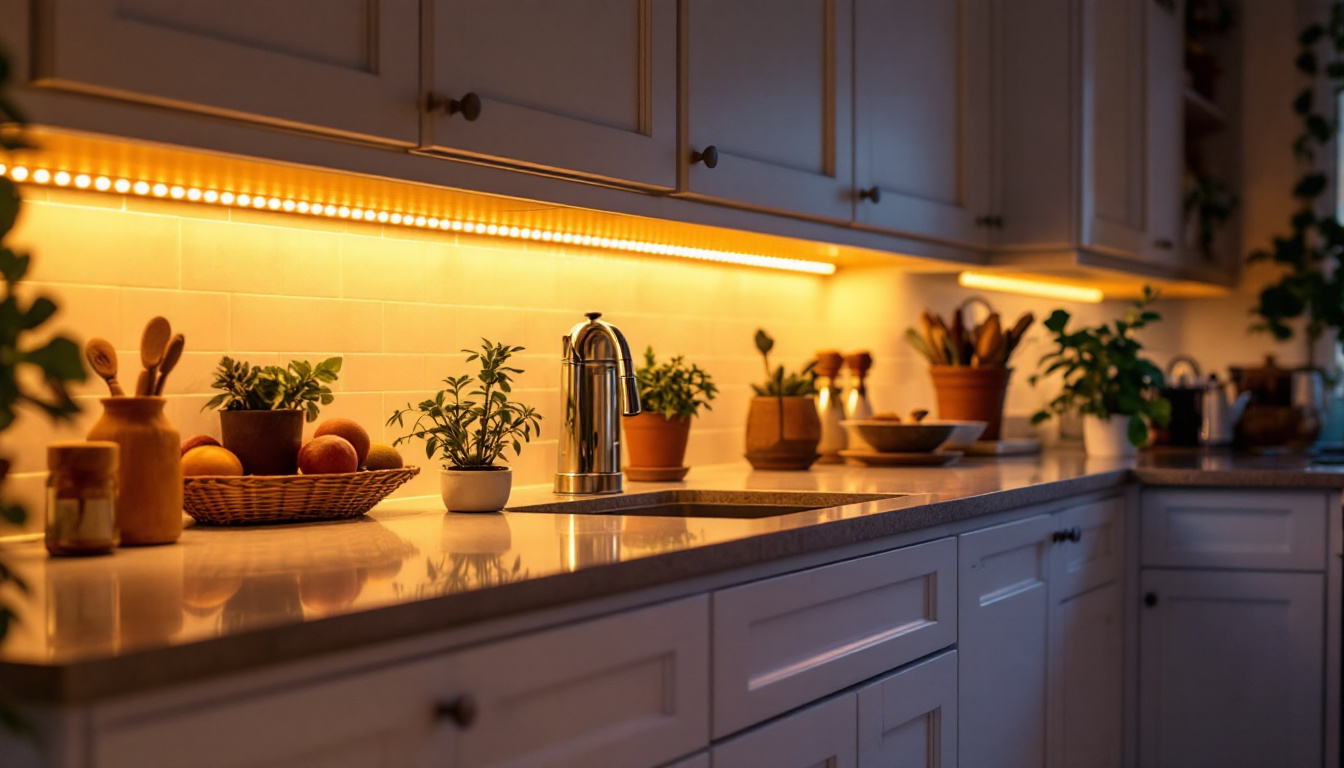
Under cabinet tape lighting consists of flexible LED strips that can be installed beneath cabinets, shelves, or other surfaces. This type of lighting is designed to provide ambient or task lighting, illuminating countertops, workspaces, and other areas without the need for bulky fixtures. The slim profile of tape lighting allows it to blend seamlessly into any design, making it an attractive option for both residential and commercial projects. Furthermore, the versatility of tape lighting means it can be used in a variety of settings, from modern kitchens to cozy home offices, enhancing the overall aesthetic while providing practical illumination.
Types of Tape Lighting
There are several types of tape lighting available on the market, each with its own unique features and benefits. Understanding these options can help contractors select the right product for their projects. In addition to the basic types, many manufacturers offer customizable solutions that can cater to specific lighting needs, such as waterproof options for outdoor use or dimmable features for adjustable ambiance.
- Standard LED tape lights: These are the most common type, offering a range of color temperatures and brightness levels. They are suitable for general lighting and can be cut to fit specific lengths. Their adaptability makes them a favorite among DIY enthusiasts and professionals alike.
- RGB Tape Lights: RGB (Red, Green, Blue) tape lights allow for color-changing capabilities, enabling users to create dynamic lighting effects. This option is popular in entertainment areas and can enhance the ambiance of a space. Additionally, many RGB systems can be controlled via smartphone apps, providing users with the ability to change colors and settings with ease.
- High-Output Tape Lights: For areas requiring more intense illumination, high-output tape lights provide increased brightness. These are ideal for task-oriented spaces, such as kitchens or workshops. Their powerful output ensures that every detail is visible, making them indispensable for precision work.
Benefits of Under Cabinet Tape Lighting
Incorporating under cabinet tape lighting into design projects offers numerous advantages. For contractors, highlighting these benefits can help persuade clients of the value of this lighting solution. Beyond aesthetics, tape lighting also plays a crucial role in enhancing safety and functionality in various environments.
- Energy Efficiency: LED tape lights consume significantly less energy than traditional incandescent or fluorescent lights, making them an eco-friendly choice. This energy efficiency not only reduces utility bills but also contributes to a lower carbon footprint, appealing to environmentally conscious clients.
- Flexibility: The flexibility of tape lighting allows it to be installed in various configurations, accommodating different cabinet styles and layouts. This adaptability means that even the most challenging spaces can be effectively illuminated, ensuring that every nook and cranny is well-lit.
- Easy Installation: Many tape lighting products come with adhesive backing, simplifying the installation process and reducing labor costs. Additionally, some systems offer plug-and-play features, allowing for quick setup without the need for extensive electrical work.
- Durability: LED tape lights are designed to last longer than traditional lighting options, often boasting lifespans of up to 50,000 hours. This durability means less frequent replacements, saving both time and money in the long run.
Installation Considerations
Proper installation is crucial for achieving the desired lighting effects and ensuring the longevity of the tape lighting. Lighting contractors should consider several factors during the installation process.
Surface Preparation
Before installing tape lighting, it is essential to prepare the surface adequately. The surface should be clean, dry, and free from dust or grease. This ensures that the adhesive backing adheres properly, preventing the tape from peeling off over time. In some cases, using a primer or adhesive promoter may be beneficial for particularly challenging surfaces. Additionally, it is advisable to inspect the surface for any imperfections or irregularities that could affect the adhesion. For instance, textured surfaces may require sanding or smoothing to create a more suitable area for the tape lighting. Taking these extra steps can significantly enhance the durability and effectiveness of the installation.
Choosing the Right Power Supply
Under cabinet tape lighting typically requires a power supply to convert standard voltage to the appropriate level for the LEDs. Selecting the right power supply is vital for ensuring the lights operate efficiently. Contractors should consider factors such as wattage, voltage, and the number of strips being powered when choosing a power supply. It is also important to account for any potential future expansions or modifications to the lighting setup. By opting for a power supply that exceeds the current wattage needs, contractors can provide flexibility for adding more strips or upgrading to higher output LEDs later on. Furthermore, ensuring that the power supply has built-in safety features, such as over-voltage protection and thermal shutdown, can help prevent damage to the lighting system and enhance overall safety.
Placement and Spacing
Determining the optimal placement and spacing of tape lighting is essential for achieving even illumination. Contractors should consider the height of the cabinets, the intended use of the space, and the desired lighting effect. Generally, tape lights should be installed along the back edge of the cabinet, facing downward to minimize glare and maximize light distribution. It’s also beneficial to experiment with different angles and distances from the surface to achieve the best lighting effect. For instance, installing the tape lights slightly further away from the surface can create a softer, more diffused glow, while a closer installation may produce a more concentrated beam of light. Additionally, incorporating dimmers or smart controls can provide users with the flexibility to adjust the brightness according to their needs, enhancing both functionality and ambiance in the space.
Designing with Under Cabinet Tape Lighting
Incorporating under cabinet tape lighting into a design requires a thoughtful approach to achieve the best results. Lighting contractors should consider the overall aesthetic and functionality of the space.
Color Temperature Selection
The color temperature of the tape lighting can significantly impact the ambiance of a room. Warmer color temperatures (2700K to 3000K) create a cozy and inviting atmosphere, making them ideal for residential kitchens and living areas. Cooler temperatures (4000K to 5000K) provide a more modern and clinical feel, suitable for commercial spaces or work areas. Contractors should discuss color temperature options with clients to ensure the chosen lighting complements the overall design.
Layering Light
Effective lighting design often involves layering different types of light to create depth and dimension. Under cabinet tape lighting can serve as one layer of illumination, complemented by overhead fixtures and accent lighting. This approach not only enhances the functionality of the space but also adds visual interest. Contractors should encourage clients to consider how under cabinet lighting fits into their broader lighting scheme.
Utilizing Dimmers and Controls
Incorporating dimmers and smart controls into under cabinet tape lighting can enhance the user experience. Dimmers allow users to adjust the brightness according to their needs, while smart controls enable remote operation and customization of lighting scenes. Contractors should educate clients on the benefits of these features, as they can significantly enhance the versatility of under cabinet lighting.
Common Challenges and Solutions
Adhesive Failures
One of the most common issues with tape lighting is adhesive failure, which can lead to the tape peeling away from the surface. To mitigate this risk, contractors should ensure surfaces are properly prepared and consider using additional adhesive methods, such as mounting clips or silicone adhesive, especially in high-humidity areas like kitchens.
Uneven Lighting
Uneven lighting can occur if the tape is not installed correctly or if the power supply is inadequate. To ensure even illumination, contractors should carefully measure and cut the tape to fit the designated area and ensure that the power supply can adequately support the total wattage of the installed strips. Testing the lights before finalizing the installation can help identify any issues early on.
Heat Management
LEDs generate heat, and while they are more efficient than traditional bulbs, excessive heat can shorten their lifespan. Ensuring proper ventilation and avoiding installation in enclosed spaces can help manage heat levels. Contractors should advise clients on the importance of not covering the tape lighting with materials that can trap heat, such as decorative covers or cabinetry.
Maintenance and Care
Cleaning Procedures
Periodic Checks
Conclusion
Under cabinet tape lighting offers a versatile and attractive solution for enhancing both functionality and aesthetics in various spaces. For lighting contractors, understanding the intricacies of this lighting option is crucial for delivering successful installations that meet client needs. By considering factors such as installation techniques, design principles, and maintenance, contractors can ensure that under cabinet tape lighting becomes a valuable addition to any project.
As the demand for innovative lighting solutions continues to grow, staying informed about the latest trends and technologies in under cabinet tape lighting will position contractors for success in a competitive market. By providing clients with high-quality installations and expert advice, lighting professionals can elevate their services and create spaces that are both beautiful and functional.
Illuminate Your Projects with LumenWholesale
Ready to take your under cabinet tape lighting installations to the next level? Choose LumenWholesale for your lighting needs and benefit from our commitment to quality and affordability. Our spec-grade lighting products are designed to meet the highest industry standards, ensuring that your projects shine with reliability and performance. Say goodbye to inflated markups and enjoy the convenience of free shipping on bulk orders. Make the smart choice for your business and visit Wholesale Lighting at the Best Value to explore our extensive selection and start saving today.