Why Combining Under Cabinet Lighting with Outlets Makes Sense
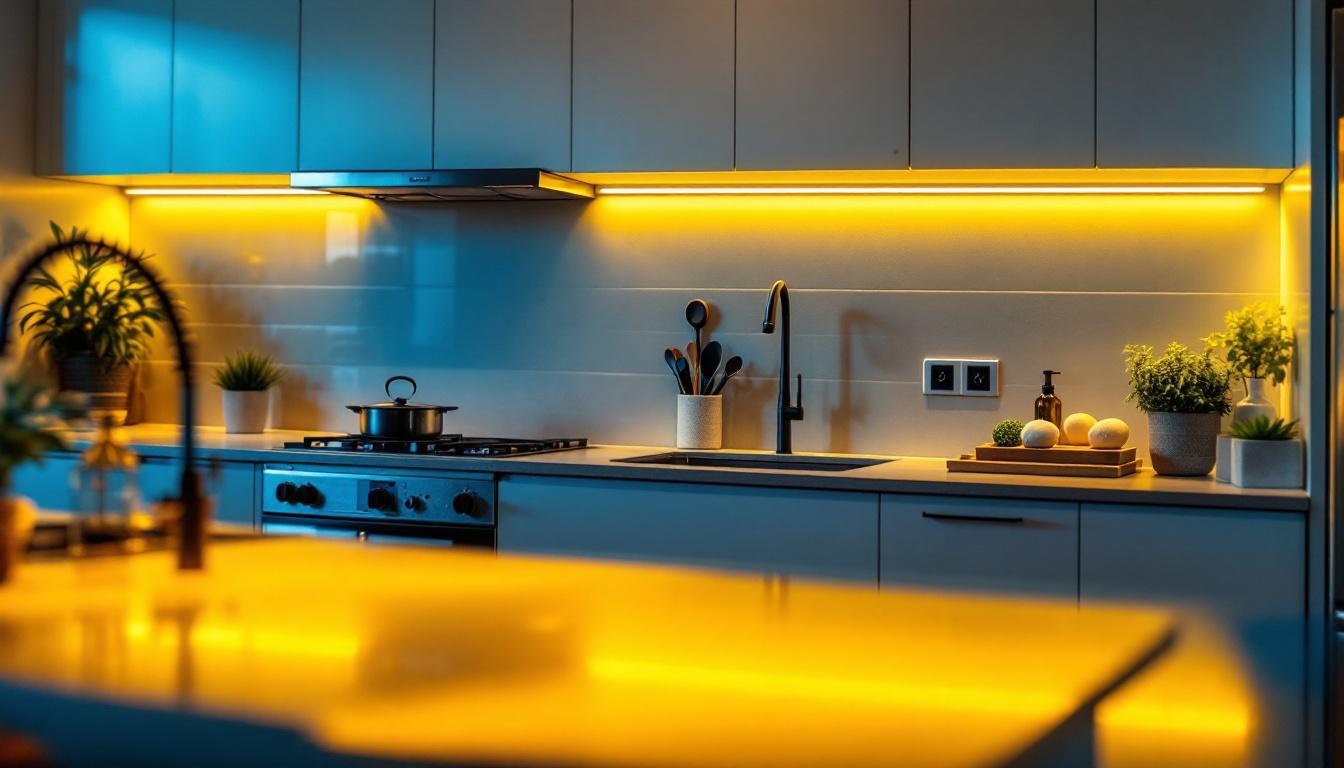
Under cabinet lighting is a staple in kitchens, workshops, and commercial spaces, offering focused illumination exactly where it’s needed. Adding electrical outlets alongside these lights is more than a convenience-it’s a smart design choice that maximizes functionality without cluttering the workspace.
For lighting contractors, integrating outlets with under cabinet lighting can differentiate your service and add value for clients. It streamlines installation, reduces the need for additional wiring, and creates a cleaner, more efficient setup. However, the complexity increases, and mistakes can quickly drive up costs or lead to code violations.
Understanding the Benefits and Challenges
Clients often request outlets near their countertops for small appliances, charging stations, or smart devices. When these outlets are combined with under cabinet lighting, it eliminates the need for separate power sources and visible cords. This integration also helps maintain aesthetic appeal and improves safety by reducing extension cords and power strips.
Moreover, the ability to control both lighting and outlets from a single switch or smart device enhances user convenience, allowing homeowners to create the perfect ambiance while ensuring their devices are powered. This is especially beneficial in modern kitchens where multitasking is common; for instance, one can prepare meals under bright, focused lighting while simultaneously charging a tablet or laptop. The dual functionality not only optimizes space but also encourages a more organized and efficient workflow.
On the flip side, combining lighting and outlets requires careful planning to ensure proper circuit loading, adherence to electrical codes, and seamless installation. Failing to address these can lead to costly callbacks, rework, or even safety hazards. Additionally, selecting the right type of outlets—such as GFCI outlets for areas prone to moisture—adds another layer of consideration. This ensures that the installation is not only functional but also safe, reducing the risk of electrical shocks and fire hazards in busy kitchen environments.
Planning Your Project: Avoiding Common Pitfalls
Successful integration starts long before the first wire is pulled. A detailed plan that considers electrical load, placement, and client needs will save time and money. This initial phase is crucial, as it sets the foundation for a seamless installation process. Taking the time to gather all necessary information and anticipate potential challenges can lead to a smoother workflow and ultimately a more satisfying end result for both the contractor and the client.
Assessing Electrical Load and Circuit Capacity
One of the most overlooked mistakes is underestimating the electrical load. Under cabinet lights, especially LED strips or puck lights, typically consume low wattage, but outlets may power multiple devices simultaneously. Overloading a circuit can trip breakers or cause wiring damage. It’s essential to consider not just the current load but also any future expansions or additional devices that may be introduced later.
Calculate the total wattage expected on the circuit, including lighting and all anticipated devices plugged into the outlets. Ensure the circuit can handle the load with a safe margin, typically 80% of the circuit’s rated capacity. If the existing circuit is insufficient, plan for a dedicated circuit or upgrade the panel accordingly. Additionally, consider the peak usage times for appliances and devices, as this can further inform your load calculations and help avoid unexpected outages.
Strategic Placement of Lights and Outlets
Positioning matters. Outlets should be easily accessible but not interfere with the lighting fixtures or cabinetry. Under cabinet lights should be evenly spaced to avoid shadows and glare, while outlets must be placed where appliances will be used most. Think about the overall design and functionality of the space; a well-planned layout can enhance both aesthetics and usability.
Consider the height and depth of cabinets, countertop appliances, and workflow patterns. Avoid placing outlets directly under lights that generate heat, as this can reduce outlet lifespan or pose safety risks. Also, keep outlets away from water sources to comply with electrical codes. Incorporating dimmer switches for lighting can also add versatility to the space, allowing for adjustments based on the time of day or specific activities, such as cooking or entertaining.
Compliance with Electrical Codes and Safety Standards
National and local electrical codes dictate specific requirements for outlet placement, circuit protection, and wiring methods. For example, in kitchens, countertop outlets must be GFCI-protected to prevent electric shock. Under cabinet lighting wiring often requires low-voltage transformers or specific insulation standards. Understanding these codes is not just about compliance; it’s about ensuring the safety and longevity of the installation.
Ignoring these regulations can lead to failed inspections, fines, or dangerous installations. Always consult the latest codes and, when in doubt, collaborate with a licensed electrician or inspector. Additionally, staying informed about any updates to local codes or best practices can enhance your credibility as a contractor and provide peace of mind to your clients, knowing that their project is being handled with the utmost professionalism and care.
Choosing the Right Components for Integrated Installations
Not all lighting and outlet products are created equal. Selecting compatible, high-quality components is crucial to ensure longevity and performance.
Lighting Fixtures Designed for Under Cabinet Use
LED lighting has become the go-to choice for under cabinet installations due to its energy efficiency, low heat output, and long lifespan. Look for fixtures specifically rated for under cabinet use, with features like dimming capability, color temperature options, and easy mounting systems.
Consider the wiring requirements as well. Some LED systems operate on low voltage and require transformers, while others run on line voltage. Matching the lighting system to the electrical setup simplifies installation and reduces the risk of failure.
Outlets Built for Kitchen and Workspace Environments
Outlets in these areas must withstand moisture, heat, and frequent use. Choose tamper-resistant, weather-resistant, or splash-proof outlets as appropriate. USB-integrated outlets are increasingly popular, offering direct charging without adapters.
For integrated setups, consider combination units that include both lighting controls and outlets. These streamline wiring and reduce the number of visible components, enhancing the overall aesthetic.
Wiring and Accessories That Support Safety and Efficiency
Use wiring rated for the environment and load, such as THHN or UF cables where applicable. Employ conduit or raceways to protect wires and maintain a neat appearance. Proper connectors and junction boxes are essential to prevent loose connections and electrical faults.
Don’t overlook switches and dimmers compatible with your lighting choice. Dimmers for LED lights must be rated for LED loads to avoid flickering or damage.
Installation Best Practices to Minimize Errors and Rework
Even the best plan can falter without careful execution. Follow these practices to ensure a smooth installation process.
Pre-Installation Testing and Mockups
Before mounting fixtures or cutting into cabinetry, test all components together. Connect lights, outlets, switches, and transformers to verify compatibility and function. Create a mockup if possible to confirm spacing, brightness, and outlet accessibility.
This step helps catch design flaws early and allows clients to visualize the final result, reducing change orders after installation.
Secure and Conceal Wiring Properly
Run wiring along the back of cabinets or inside raceways to keep it hidden and protected. Use cable clips or ties to prevent sagging or movement that could damage connections. Avoid running wires near heat sources or sharp edges.
Label circuits clearly at the breaker panel and on wiring to simplify future maintenance or troubleshooting.
Follow Manufacturer Instructions and Local Codes Rigorously
Each product comes with specific installation guidelines. Follow these precisely to maintain warranties and ensure safety. Adhere strictly to local electrical codes, which may have unique requirements beyond national standards.
When uncertain, consult with inspectors or experienced electricians rather than guessing. This approach prevents costly mistakes and liability issues.
Common Mistakes and How to Avoid Them
Even seasoned contractors can fall into traps that increase project costs and client dissatisfaction. Recognizing these pitfalls helps maintain professionalism and profitability.
Ignoring Future Needs and Scalability
Clients often underestimate their future power and lighting needs. Installing only the minimum number of outlets or low-capacity lighting can lead to expensive upgrades later.
Advise clients to consider additional outlets, smart lighting controls, or modular systems that can be expanded. Planning for scalability avoids costly retrofits and enhances client satisfaction.
Overlooking Heat Management
Some lighting fixtures, especially older halogen or incandescent types, generate significant heat. Installing outlets too close to these can cause premature failure or fire hazards.
Use LED fixtures with low heat output and maintain proper spacing between outlets and lights. Ventilation and heat-resistant materials can further mitigate risks.
Neglecting Proper Grounding and GFCI Protection
Grounding is critical for safety, especially in kitchens and wet areas. Failing to install GFCI outlets where required can lead to electrical shock hazards and code violations.
Double-check grounding continuity and ensure all countertop outlets are GFCI-protected. Test GFCI devices after installation to confirm functionality.
Using Incompatible Dimmers or Controls
LED lighting requires specific dimmers designed for low wattage loads. Using standard dimmers can cause flickering, buzzing, or damage to the lights.
Match dimmers and controls to the lighting system. When in doubt, consult product datasheets or manufacturer support.
Final Thoughts: Delivering Quality and Value
Under cabinet lighting combined with outlets elevates the functionality and aesthetics of any workspace. For contractors, mastering this integration means fewer callbacks, happier clients, and stronger reputations.
Invest time in planning, selecting the right components, and executing with precision. Staying updated on codes and technology ensures every project meets safety and performance standards. Avoiding common mistakes saves money and builds trust, the foundation of lasting client relationships.
Get Your Premium Lighting Supplies at LumenWholesale
Ready to take your under cabinet lighting projects to the next level? LumenWholesale is here to support your success with our extensive range of high-quality, spec-grade lighting products. Enjoy unbeatable wholesale prices and the convenience of cutting out the middleman, ensuring you get the most value for your investment. With our commitment to reliability and performance, you can trust that your installations will shine brightly and impress your clients. Plus, with free shipping on bulk orders, you can stock up on all the essentials without worrying about extra costs. Elevate your lighting projects by visiting Wholesale Lighting at the Best Value and discover the difference quality and affordability can make.