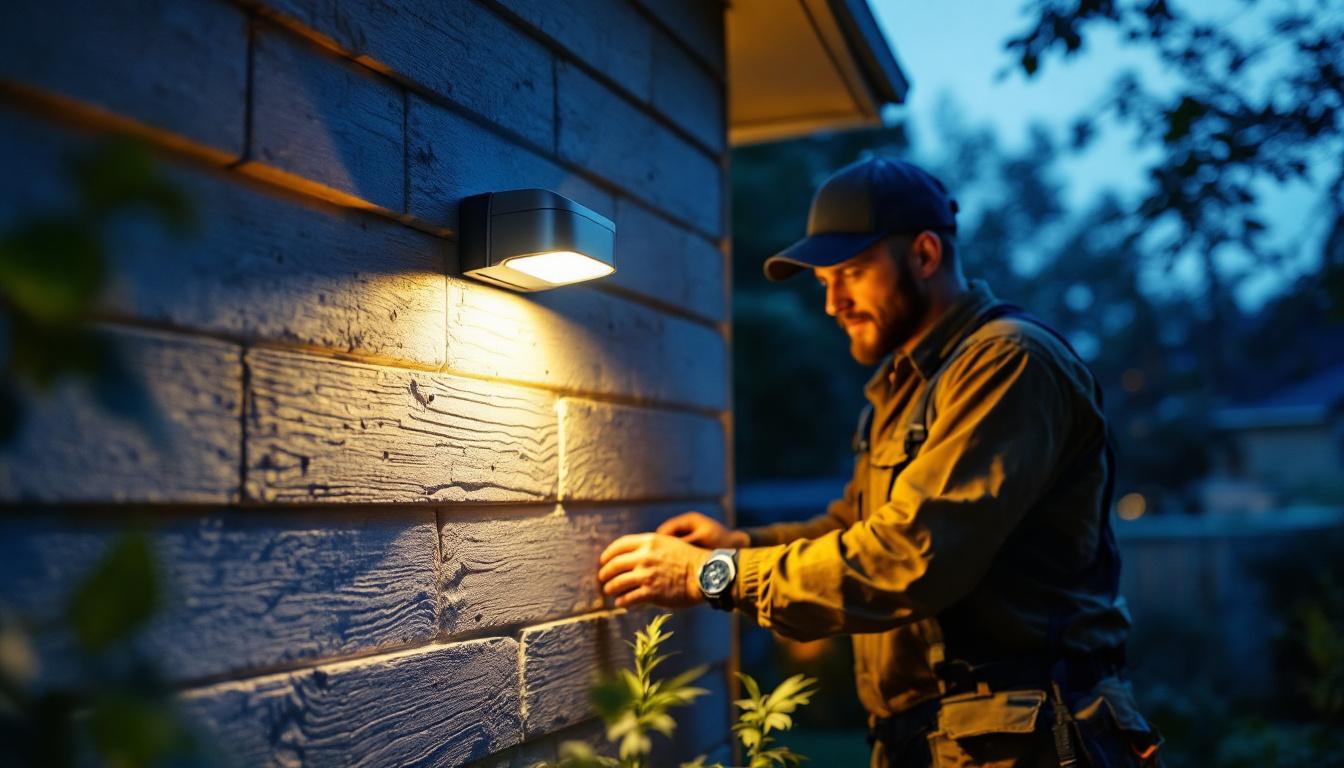
Why Big Garden Solar Lights Are Gaining Traction
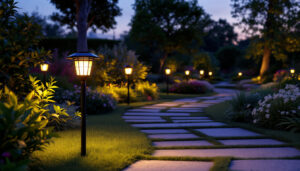
Lighting contractors are seeing a steady rise in demand for large solar garden lights. These aren’t the tiny, decorative stakes that pepper residential flowerbeds; we’re talking about substantial fixtures designed to illuminate expansive outdoor spaces—parks, commercial landscapes, and upscale residential gardens. The appeal is straightforward: they combine eco-friendly technology with practical lighting solutions, reducing wiring complexity and ongoing energy costs.
Big garden solar lights offer a unique value proposition. They tap into solar energy, eliminating the need for trenching and electrical hookups, which can be both time-consuming and costly. For contractors, this means faster installations and fewer logistical headaches. Plus, the growing emphasis on sustainability by property owners means solar lighting is no longer just a niche option—it’s becoming a standard expectation.
Moreover, advancements in solar technology have significantly improved the efficiency and longevity of these lights. Modern solar garden lights are equipped with high-capacity batteries and energy-efficient LED bulbs, allowing them to provide bright illumination for extended periods, even on cloudy days. This reliability is a game-changer for public spaces and commercial properties that require consistent lighting for safety and aesthetic appeal. Additionally, many of these fixtures come with smart features, such as motion sensors and programmable timers, which enhance their functionality and energy savings even further.
The design of large solar garden lights has also evolved, with manufacturers offering a variety of styles that can complement any landscape. From sleek, contemporary designs to more traditional lantern styles, these lights can enhance the visual appeal of outdoor spaces while serving a practical purpose. As urban areas continue to prioritize green spaces and community engagement, the integration of aesthetically pleasing solar lighting becomes essential in creating inviting environments for residents and visitors alike. This trend not only beautifies public areas but also fosters a sense of safety and security, encouraging more people to enjoy the outdoors after dark.
Core Components and How They Work
Solar Panels: The Power Source
At the heart of every big garden solar light is the solar panel. These panels are typically larger and more efficient than those found on smaller garden lights, often made from monocrystalline silicon to maximize energy absorption. The size and quality of the panel directly influence how much sunlight is converted into electricity, which in turn affects the light’s brightness and operating duration.
Positioning is critical. Panels must face direct sunlight for most of the day to charge batteries adequately. Lighting contractors should advise clients on optimal placement, avoiding shade from trees, buildings, or other obstructions. Panels with adjustable mounts can help fine-tune orientation for maximum exposure. Additionally, the angle of the solar panel can be adjusted seasonally to account for the sun’s changing position in the sky, ensuring that the panels capture the most sunlight throughout the year. This adaptability can significantly enhance the overall efficiency of the solar lighting system.
Battery Storage: Power When the Sun Goes Down
Energy harvested during daylight hours is stored in rechargeable batteries, usually lithium-ion or lithium iron phosphate (LiFePO4) types for their longevity and efficiency. These batteries power the light after sunset, often lasting 8 to 12 hours depending on capacity and usage.
Contractors should note the importance of battery quality. Cheaper batteries degrade faster, reducing overall system lifespan and increasing maintenance costs. High-quality batteries also handle temperature fluctuations better, a crucial factor for outdoor installations. Furthermore, some advanced systems now incorporate smart battery management technologies that monitor charge levels and optimize energy distribution, prolonging battery life and ensuring reliable performance even during extended cloudy periods. This innovation is particularly beneficial for regions with inconsistent sunlight, allowing for more dependable lighting solutions.
LED Fixtures: Brightness Meets Efficiency
LED technology is the preferred choice for big garden solar lights due to its energy efficiency and long life. LEDs provide bright, consistent illumination with minimal power draw. Many fixtures offer adjustable color temperatures, from warm whites to cooler daylight hues, catering to different aesthetic and functional needs.
For contractors, understanding lumen output and beam angles is essential. Larger gardens often require fixtures with higher lumens and wider beam spreads to cover more ground evenly. Some models include dimming options or motion sensors to optimize energy use and enhance security. Moreover, the integration of smart technology in LED fixtures allows for remote control and scheduling through smartphone applications, providing users with the ability to customize their lighting preferences easily. This feature not only enhances convenience but also promotes energy conservation by allowing users to set timers or adjust brightness according to their specific needs, further maximizing the efficiency of the solar lighting system.
Installation Considerations for Lighting Contractors
Site Assessment and Planning
Before installation, a thorough site assessment is crucial. Identify solar access points, potential shading issues, and the layout of the garden or landscape. Mapping out the lighting zones helps determine the number and placement of fixtures needed to achieve uniform illumination.
Contractors should also assess ground conditions. Solar lights often come with stakes or bases designed for soil, concrete, or decking. Selecting the right mounting method ensures stability and durability, especially in areas with high winds or foot traffic.
Wiring and Connectivity
One of the biggest advantages of big garden solar lights is the minimal wiring involved. However, some larger systems incorporate remote controls, timers, or smart connectivity features that require low-voltage wiring or wireless setup. Contractors must be comfortable integrating these technologies to offer clients modern, convenient control options.
For projects needing synchronized lighting effects or integration with existing landscape lighting, hybrid systems combining solar and wired power might be necessary. Understanding these configurations expands a contractor’s capability to deliver tailored solutions.
Maintenance and Longevity
Solar garden lights require less maintenance than traditional wired fixtures, but they’re not maintenance-free. Panels must be cleaned periodically to remove dust, leaves, or bird droppings that can reduce efficiency. Batteries will eventually need replacement, typically every 3 to 5 years depending on usage and quality.
Contractors should educate clients on simple upkeep routines and offer maintenance contracts. This not only extends the life of the installation but also creates ongoing business opportunities.
Common Challenges and How to Overcome Them
Dealing with Shading and Weather
Shading is the primary enemy of solar lighting. Even partial shade can drastically reduce charging efficiency. In dense urban or heavily wooded areas, finding suitable locations for solar panels can be tricky. Contractors might need to recommend trimming vegetation or repositioning fixtures to maximize sunlight exposure.
Weather extremes also impact performance. Heavy rain, snow, or dust storms can temporarily reduce charging or damage components. Selecting fixtures with robust IP ratings (IP65 or higher) ensures resistance to water and dust ingress. Additionally, batteries designed for wide temperature ranges help maintain reliability.
Balancing Brightness and Battery Life
Clients often want the brightest possible lighting, but brighter LEDs consume more power, shortening battery life. Striking the right balance is key. Using LEDs with adjustable brightness or motion-activated sensors can conserve energy while meeting illumination needs.
Contractors should discuss these trade-offs upfront, setting realistic expectations and recommending fixtures that align with the client’s priorities-whether that’s ambiance, security, or energy savings.
Integration with Existing Systems
Many clients already have wired lighting systems and want to add solar fixtures without a complete overhaul. Integrating solar lights with existing infrastructure can be complex, especially if control systems differ. Lighting contractors should be familiar with hybrid solutions and smart lighting platforms that enable seamless operation.
Offering expertise in system integration can differentiate contractors and open doors to larger, more sophisticated projects.
Trends and Innovations in Big Garden Solar Lighting
Smart Controls and IoT Connectivity
The rise of smart home and smart landscape technologies has reached solar lighting. Many big garden solar lights now come with Bluetooth or Wi-Fi connectivity, allowing remote control via smartphone apps. Features include scheduling, dimming, color changes, and integration with voice assistants.
For contractors, this means learning new installation protocols and troubleshooting wireless systems. However, it also provides a compelling selling point for tech-savvy clients who want convenience and customization.
Improved Battery Technologies
Battery technology continues to advance, with newer chemistries offering higher capacities, faster charging, and longer lifespans. Some solar lights now incorporate solid-state batteries or supercapacitors, reducing environmental impact and enhancing performance.
Staying informed about these developments allows contractors to recommend cutting-edge products that deliver better value and reliability.
Modular and Scalable Systems
Modularity is becoming a popular design principle. Contractors can install a base system and add more lights or panels as the client’s needs evolve. This flexibility is especially attractive for commercial properties or large estates where lighting requirements may change over time.
Understanding modular systems helps contractors propose phased installations, spreading costs and minimizing disruption.
Final Thoughts for Lighting Contractors
Big garden solar lights represent a significant opportunity for lighting contractors to expand their service offerings while aligning with sustainability goals. Their ease of installation, reduced operational costs, and growing popularity among clients make them a smart addition to any contractor’s portfolio.
Success lies in mastering the technical aspects-solar panel positioning, battery management, and LED specifications-while also navigating installation challenges and client expectations. Keeping abreast of innovations and integrating smart technologies will position contractors as trusted experts in this evolving field.
Ultimately, big garden solar lights are more than just fixtures; they’re solutions that combine technology, design, and environmental responsibility. Contractors who embrace this approach will find themselves well-equipped to meet the demands of modern outdoor lighting projects.
Illuminate Your Projects with LumenWholesale
Ready to harness the power of big garden solar lights and elevate your lighting projects? LumenWholesale is here to support your journey towards brighter, more sustainable outdoor spaces. Our spec-grade lighting products promise unmatched quality and value, ensuring you can deliver exceptional results to your clients. Say goodbye to middleman markups and hello to wholesale pricing, free shipping, and the convenience you deserve. Take the first step towards a superior lighting experience at Wholesale Lighting at the Best Value and make your next project shine with LumenWholesale.