Understanding Pendant Lights: A Contractor’s Essential Guide
Pendant lights have become a staple in both residential and commercial lighting design, offering versatility, style, and functional illumination. For lighting contractors, understanding the nuances of pendant lighting is crucial—not only to meet client expectations but also to ensure optimal installation and performance. Pendant lights, characterized by their suspension from the ceiling by cords, chains, or rods, come in a wide variety of styles, sizes, and materials. This diversity makes them adaptable for kitchens, dining areas, offices, and retail spaces alike.
From a contractor’s perspective, pendant lighting installation requires more than just mounting a fixture. It involves assessing ceiling height, electrical wiring, weight support, and the intended lighting effect. An expert grasp of these factors enables contractors to recommend the best solutions to clients and avoid costly mistakes or rework. Moreover, pendant lights often serve as focal points in interior design, so precision in placement and alignment is paramount. The right pendant light can enhance the aesthetic of a room while providing necessary illumination, making it essential for contractors to stay updated on current trends and technologies in lighting design.
Key Types of Pendant Lights
There are several types of pendant lights that contractors commonly encounter, each suited to different environments and purposes:
- Mini Pendants: Small, often used in multiples over kitchen islands or bars to provide task lighting.
- Multi-Light Pendants: Fixtures that incorporate multiple pendants on a single canopy, ideal for larger spaces requiring balanced illumination.
- Drum Pendants: Featuring a cylindrical shade, these provide diffused ambient lighting, suitable for dining rooms or living areas.
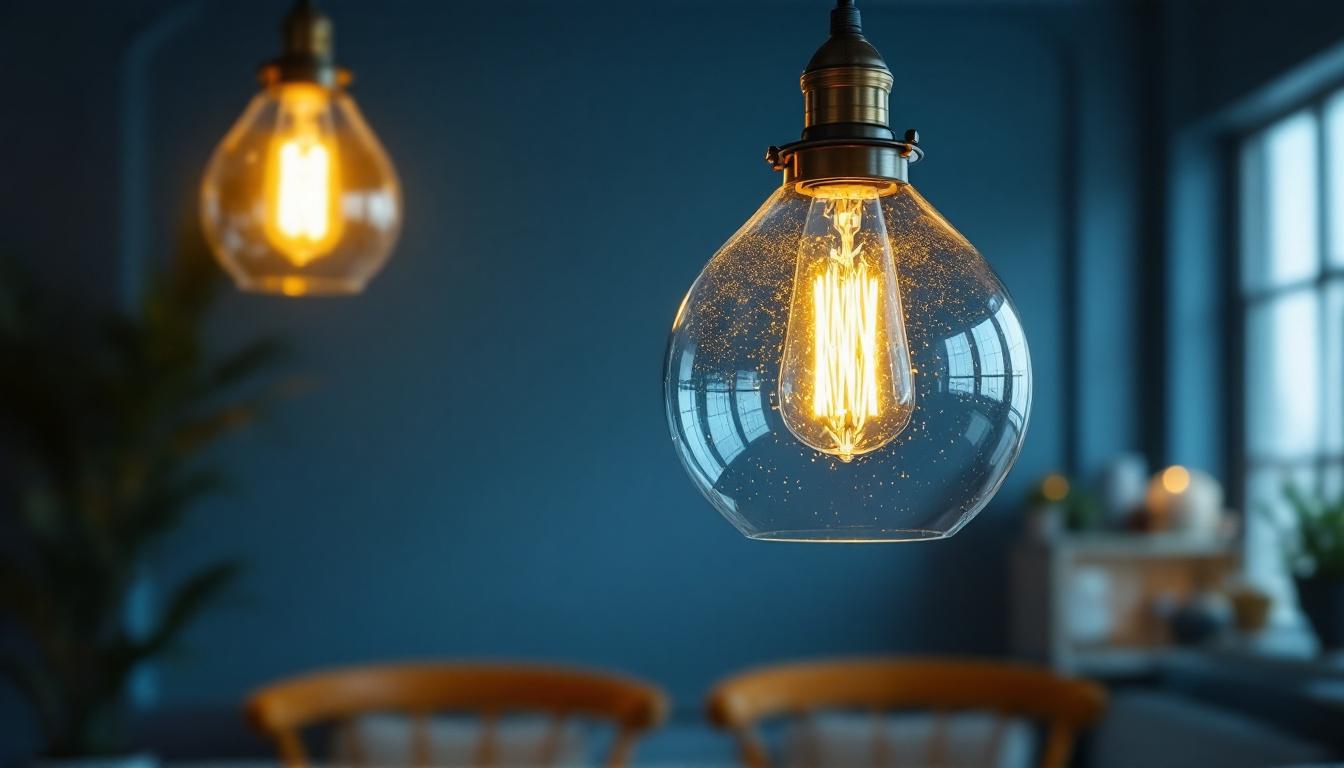
- Globe Pendants: Rounded glass shades that offer a modern aesthetic and even light distribution.
- Linear Pendants: Long fixtures perfect for office desks or conference tables, providing uniform light across a surface.
Knowing these types helps contractors guide clients in selecting fixtures that align with their functional needs and design preferences. Additionally, understanding the materials used in pendant light construction—such as metal, glass, or fabric—can influence both the durability and the aesthetic appeal of the fixture. For instance, glass pendants can create a stunning visual effect when illuminated, while metal fixtures may offer a more industrial or contemporary look. Furthermore, energy efficiency is another important consideration; many modern pendant lights now come equipped with LED technology, which not only reduces energy consumption but also extends the lifespan of the fixture. By being well-versed in these aspects, contractors can provide comprehensive advice that enhances the overall lighting strategy for any project.
Installation Best Practices for Pendant Lights
Proper installation is critical to the safety, durability, and aesthetic appeal of pendant lighting. Contractors must adhere to electrical codes, manufacturer guidelines, and ergonomic considerations to deliver superior results. A well-executed installation not only enhances the functionality of the space but also elevates the overall design, making pendant lights a focal point in any room.
Assessing Ceiling Height and Fixture Length
One of the first steps in pendant light installation is determining the appropriate hanging height. For standard 8-foot ceilings, pendants should hang approximately 30 to 34 inches above countertops or tables. In spaces with higher ceilings, the length can be adjusted proportionally to maintain visual balance and effective illumination. This consideration is especially important in open-concept areas where the pendant light can serve as a visual anchor, guiding the eye through the space.
Adjustable cords or rods are advantageous, allowing contractors to customize the fixture height on-site. It’s important to avoid pendants hanging too low, which can obstruct views or movement, or too high, which diminishes their lighting effectiveness. Additionally, considering the style and scale of the pendant in relation to the surrounding decor can further enhance the room’s ambiance. For instance, a large, statement pendant might be better suited for a high ceiling, while smaller fixtures can create a cozy atmosphere in more intimate settings.
Supporting Weight and Securing Fixtures
Pendant lights vary significantly in weight depending on materials and size. Heavy fixtures require robust ceiling anchors or mounting brackets to prevent sagging or falling. Contractors should verify the ceiling’s structural integrity and use appropriate hardware such as toggle bolts, molly bolts, or ceiling joist mounts. It is also advisable to consult the manufacturer’s specifications regarding weight limits and installation requirements to ensure compliance and safety.
When installing multiple pendants in a cluster or linear array, evenly distributing weight and ensuring secure attachment points is vital to maintain alignment and safety. This not only enhances the visual appeal of the installation but also prevents undue stress on the electrical connections, which can lead to premature wear or failure. To achieve a cohesive look, consider the spacing between fixtures, as well as their heights, to create a harmonious design that complements the overall decor.
Electrical Wiring and Safety Compliance
Ensuring safe and code-compliant wiring is a fundamental responsibility for lighting contractors. Pendant lights typically connect to existing ceiling junction boxes, but contractors must inspect wiring conditions, verify circuit capacity, and install dimmer switches or transformers if required. Properly planning the electrical layout can also facilitate future modifications or upgrades, making it easier to adapt the lighting scheme as design preferences evolve.
Grounding the fixture properly and using wire connectors rated for the specific application reduces the risk of electrical hazards. Additionally, contractors should test the installation thoroughly before finalizing to confirm functionality and safety. This includes checking for flickering lights, ensuring that dimmers operate smoothly, and verifying that all connections are secure. By taking these precautions, contractors can provide peace of mind to homeowners, knowing that their pendant lighting is not only beautiful but also safe and reliable.
Choosing the Right Pendant Lights for Different Projects
Lighting contractors often face diverse project requirements, from residential kitchens to commercial showrooms. Selecting the right pendant light involves balancing aesthetics, functionality, and client budget.
Residential Applications
In homes, pendant lights often serve dual purposes: task lighting and decorative accents. Kitchens benefit from mini or multi-light pendants over islands, providing focused illumination for cooking and dining. Living rooms and bedrooms may use drum or globe pendants to create ambient lighting that complements other fixtures.
Contractors should consider the client’s interior style—whether modern, traditional, or industrial—and recommend finishes and shapes that harmonize with the space. Energy-efficient LED bulbs are preferred for their longevity and reduced heat output, enhancing user comfort and lowering utility costs.
Commercial and Retail Spaces
In commercial environments, pendant lighting can define zones, highlight merchandise, or enhance branding. Linear pendants are popular in offices for their clean lines and consistent illumination, improving productivity and reducing eye strain. Retail spaces often use adjustable pendants to spotlight products and create inviting atmospheres.
Contractors must also consider maintenance accessibility, as commercial fixtures may require more frequent bulb replacements or cleaning. Durable materials and finishes that resist wear and dirt accumulation are advantageous in high-traffic areas.
Hospitality and Restaurant Settings
Pendant lights in restaurants and hotels contribute significantly to ambiance and customer experience. Warm color temperatures and dimmable options allow for mood customization throughout the day. Unique designs, such as vintage Edison bulbs or handcrafted shades, can reinforce a venue’s theme and attract clientele.
Lighting contractors working in hospitality should collaborate closely with interior designers and architects to integrate pendant lighting seamlessly with other elements, ensuring both aesthetic appeal and regulatory compliance, especially regarding emergency lighting and energy codes.
Energy Efficiency and Sustainability Considerations
With increasing emphasis on sustainable building practices, lighting contractors must prioritize energy-efficient solutions when specifying and installing pendant lights. LED technology has revolutionized the lighting industry, offering significant energy savings compared to incandescent or halogen bulbs.
Benefits of LED Pendant Lighting
LED pendant lights consume up to 80% less energy and last 25 times longer than traditional bulbs. This translates into lower operational costs and reduced environmental impact over the fixture’s lifespan. Additionally, LEDs generate less heat, which can reduce cooling loads in interior spaces.
Many LED pendants come with dimming capabilities and color temperature adjustments, allowing for tailored lighting scenes that enhance comfort and functionality. Contractors should ensure compatibility between LED drivers and dimmer switches to prevent flickering or premature failure.
Incorporating Smart Lighting Controls
Smart lighting systems enable remote control, scheduling, and occupancy sensing, further optimizing energy use. Pendant lights integrated with these technologies can automatically adjust brightness based on natural light levels or room occupancy, enhancing convenience and efficiency.
Lighting contractors can add value by advising clients on smart lighting options and ensuring proper installation and programming. This approach aligns with green building certifications such as LEED and WELL, increasingly sought after in commercial projects.
Common Challenges and Solutions in Pendant Light Installation
Despite their popularity, pendant light installations can present challenges that require contractor expertise to resolve effectively.
Uneven Pendant Heights and Alignment
One frequent issue is inconsistent pendant heights, which can detract from the overall aesthetic. To prevent this, contractors should use laser levels or measuring tapes to mark exact hanging points before installation. Adjustable cords or rods should be fine-tuned after mounting to achieve uniformity.
Insufficient Lighting or Glare
Incorrect pendant placement or bulb selection can lead to dim lighting or uncomfortable glare. Contractors should assess the lighting needs of the space, considering fixture lumen output, shade material, and bulb type. Frosted or diffused shades can reduce glare, while higher lumen bulbs improve task visibility.
Weight and Support Issues
Heavy pendant fixtures may cause ceiling damage or pose safety risks if not properly supported. Contractors must evaluate ceiling structure and use appropriate mounting hardware. When in doubt, consulting a structural engineer or using additional reinforcement can prevent future problems.
Enhancing Client Satisfaction Through Expert Consultation
Lighting contractors who provide comprehensive guidance on pendant light selection, installation, and maintenance build trust and foster long-term client relationships. Offering insights into design trends, energy savings, and technical details empowers clients to make informed decisions.
Providing post-installation support, such as troubleshooting or upgrades to smart controls, further enhances the contractor’s reputation. Staying updated with industry standards, product innovations, and regulatory changes ensures that contractors deliver cutting-edge solutions tailored to client needs.
Conclusion
Pendant lights represent a dynamic and essential element of modern lighting design. For lighting contractors, mastering the technical and aesthetic aspects of pendant lighting is key to successful project execution and client satisfaction. From understanding fixture types and installation best practices to prioritizing energy efficiency and addressing common challenges, expert knowledge enables contractors to deliver exceptional results.
By combining technical skill with design awareness and sustainable practices, lighting contractors can elevate their services and contribute meaningfully to the evolving landscape of interior lighting.
Illuminate Your Projects with LumenWholesale
Ready to take your lighting projects to the next level? At LumenWholesale, we provide lighting contractors with the finest selection of pendant lights and other spec-grade lighting products at unbeatable wholesale prices. Say goodbye to local distributor markups and hello to high-performance lighting that meets the highest industry standards. With our hassle-free bulk buying and free shipping, you can trust that you’re getting premium lighting at the best value — all without hidden fees or compromises. Elevate your service offerings and delight your clients with the quality, affordability, and convenience of Wholesale Lighting at the Best Value from LumenWholesale.