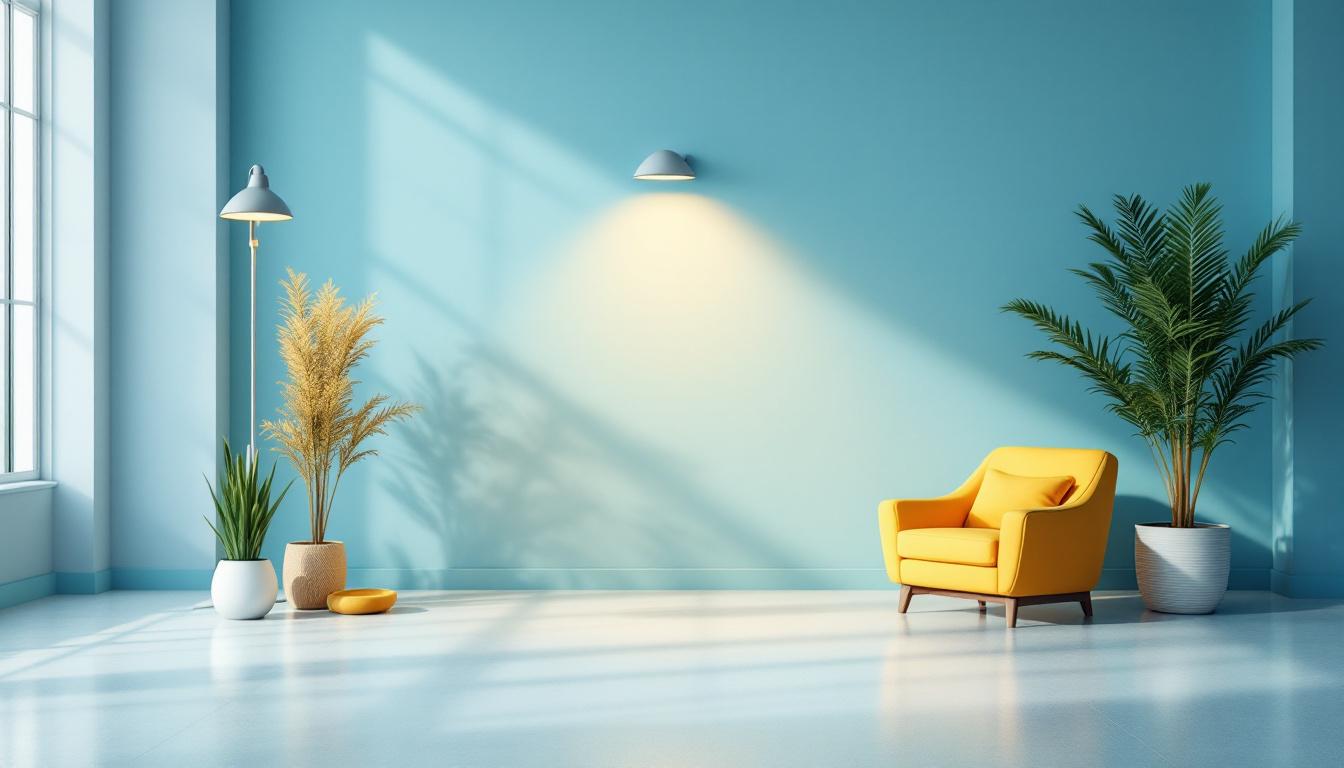
Lighting is an essential element in any indoor space, influencing not only the aesthetic appeal but also the functionality and atmosphere of the environment. For lighting contractors, understanding the various aspects of indoor lighting is crucial to delivering optimal results for clients. This article explores the key components of indoor lighting, from types of fixtures to installation tips, ensuring that contractors are well-equipped to handle any project.
Understanding Indoor Lighting Basics
Before diving into specific types of lighting fixtures, it is important to grasp the fundamental concepts of indoor lighting. This includes understanding the different layers of lighting, the color temperature, and how these elements interact to create a cohesive lighting design.
The Three Layers of Lighting
Effective indoor lighting typically involves three layers: ambient, task, and accent lighting. Ambient lighting serves as the primary source of illumination, providing a general glow that fills the room. This can be achieved through ceiling-mounted fixtures, chandeliers, or wall-mounted sconces.
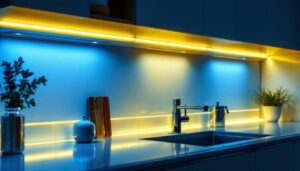
Task lighting, on the other hand, is designed to illuminate specific areas where activities take place, such as reading, cooking, or working. Desk lamps, under-cabinet lights, and pendant lights are common examples of task lighting. Finally, accent lighting adds depth and character to a space, highlighting artwork, architectural features, or decorative elements. Spotlights and track lighting are often used for this purpose. By thoughtfully combining these three layers, you can create a well-balanced and functional lighting scheme that enhances the usability and aesthetic appeal of any room.
Moreover, the strategic placement of these lighting types can significantly affect the mood and functionality of a space. For instance, layering lighting in a living room can transform it from a bright, energetic space during the day to a warm, inviting retreat in the evening. Utilizing dimmers can also provide flexibility, allowing you to adjust the intensity of each layer according to the time of day or the occasion, thereby enhancing the overall atmosphere.
Color Temperature and Its Impact
Color temperature, measured in Kelvin (K), plays a significant role in the ambiance of a room. Warm white light (2700K-3000K) creates a cozy and inviting atmosphere, making it ideal for living rooms and bedrooms. Cool white light (3500K-4100K) is often preferred in kitchens and workspaces, as it promotes alertness and focus. Daylight (5000K-6500K) mimics natural sunlight and is beneficial in areas where color accuracy is essential, such as art studios or retail spaces.
Understanding the psychological effects of color temperature can also aid in making informed decisions about your lighting choices. For example, warmer tones can evoke feelings of comfort and relaxation, making them suitable for spaces where you unwind, while cooler tones can enhance concentration and productivity, making them ideal for work environments. Additionally, incorporating adjustable lighting solutions, such as smart bulbs that allow you to change the color temperature based on the time of day or activity, can further enhance the versatility and functionality of your indoor lighting design.
Types of Indoor Lighting Fixtures
With a solid understanding of the basics, contractors can explore the various types of indoor lighting fixtures available. Each type serves a specific purpose and can significantly influence the overall design and functionality of a space.
Ceiling Fixtures
Ceiling fixtures are among the most common types of lighting used in indoor spaces. They can range from flush mounts to elaborate chandeliers. Flush mount fixtures are ideal for rooms with low ceilings, providing a sleek and unobtrusive look. Chandeliers, on the other hand, serve as a focal point in larger rooms, offering both illumination and a touch of elegance.
When selecting ceiling fixtures, consider the size of the room and the height of the ceiling. A well-proportioned fixture can enhance the room’s aesthetic, while an ill-suited one may overpower or underwhelm the space.
Wall Lighting
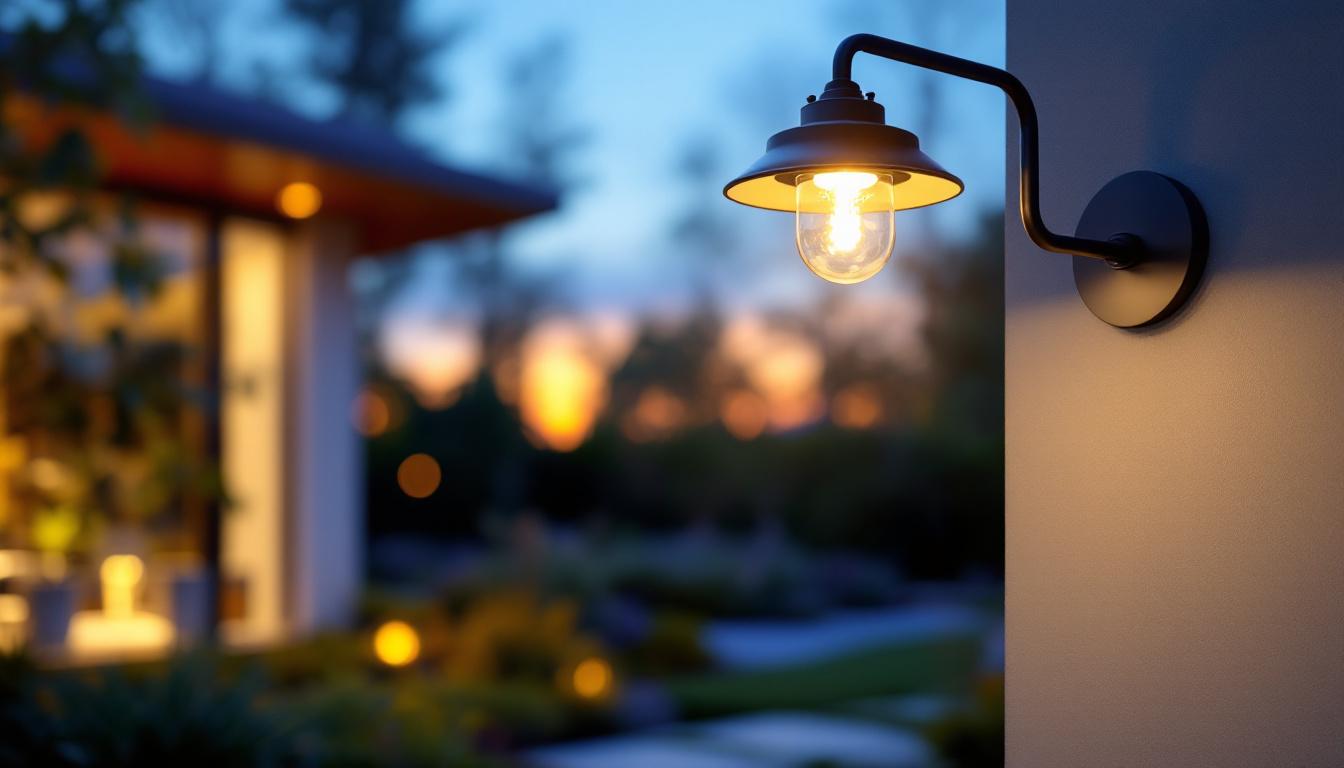
Wall lighting is versatile and can be used to complement other light sources or serve as standalone fixtures. Sconces, for instance, can provide both ambient and accent lighting, depending on their placement and design. They are particularly effective in hallways, staircases, and beside mirrors in bathrooms.
Adjustable wall lights offer flexibility, allowing users to direct light where it is needed most. This adaptability makes them a popular choice for reading nooks or workspaces, where focused illumination is essential.
Table and Floor Lamps
Table and floor lamps are excellent options for adding layers of light and enhancing the decor of a room. They can be easily moved and repositioned, making them ideal for creating a cozy atmosphere in living rooms or bedrooms. When selecting lamps, consider the height, shade material, and bulb type to ensure they provide the desired level of illumination.
Moreover, lamps with dimmable features can further enhance their versatility, allowing users to adjust the brightness according to the time of day or activity.
Energy Efficiency in Indoor Lighting
In today’s environmentally conscious world, energy efficiency is a critical consideration for lighting contractors. Not only does it reduce energy costs for clients, but it also contributes to sustainable building practices.
LED Lighting Technology
Light Emitting Diodes (LEDs) have revolutionized the lighting industry due to their energy efficiency and longevity. Unlike traditional incandescent bulbs, LEDs consume significantly less energy and have a much longer lifespan, making them a cost-effective choice in the long run. Additionally, they are available in various color temperatures, allowing for versatile design options.
Contractors should educate clients on the benefits of transitioning to LED lighting, including potential rebates and incentives offered by utility companies for energy-efficient upgrades.
Smart Lighting Solutions
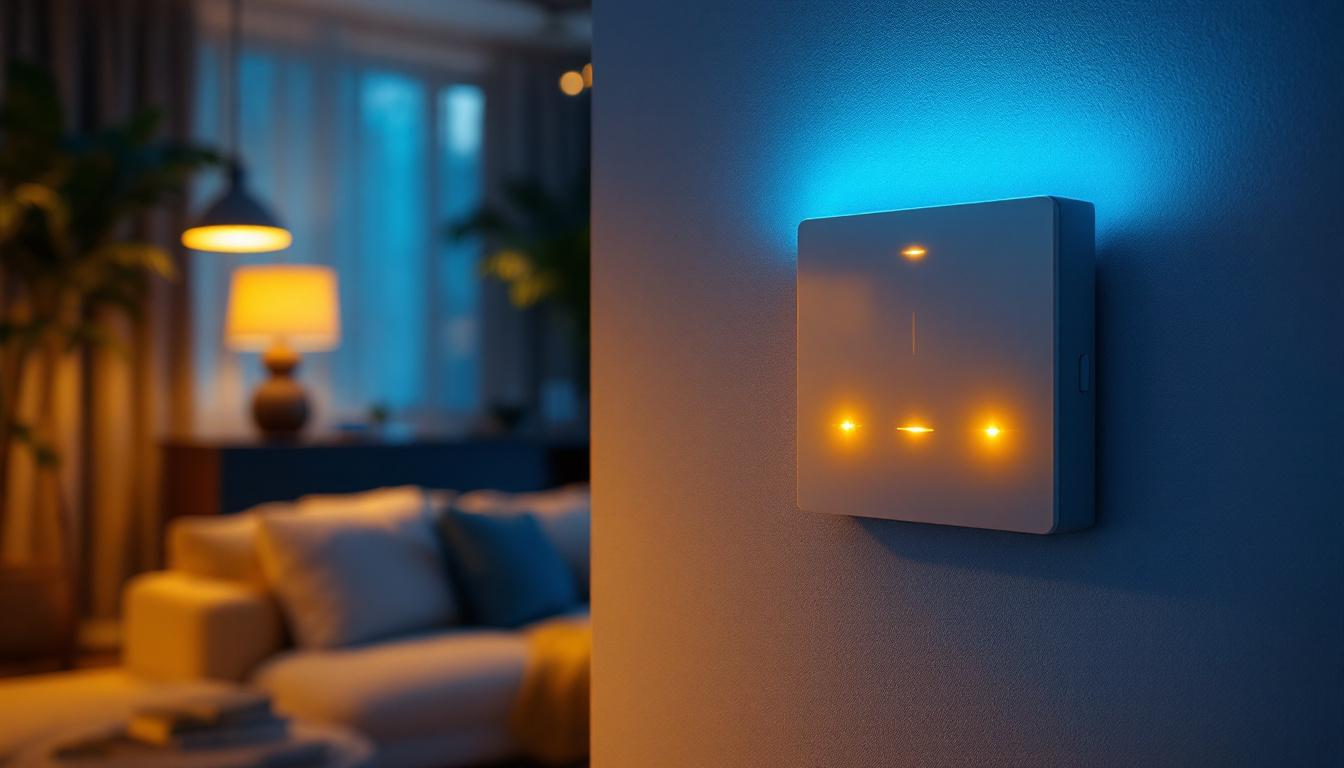
Smart lighting systems are gaining popularity for their convenience and efficiency. These systems allow users to control their lighting remotely through smartphones or voice-activated devices. Features such as scheduling, dimming, and color changing can enhance the user experience while optimizing energy consumption.
When recommending smart lighting solutions, contractors should consider compatibility with existing systems and the specific needs of the client. Providing guidance on setup and usage can also enhance customer satisfaction.
Installation Best Practices
Proper installation is crucial for ensuring that indoor lighting systems function effectively and safely. Below are some best practices that lighting contractors should adhere to during installation.
Planning the Layout
Before installation begins, it is essential to plan the layout of the lighting fixtures. This involves identifying the purpose of each room and determining the best locations for ambient, task, and accent lighting. A well-thought-out layout can enhance the overall functionality and aesthetic appeal of the space.
Contractors should also take into account the natural light sources in the room and how they interact with artificial lighting. This can help in creating a balanced lighting scheme that adjusts well throughout the day.
Electrical Considerations
Safety should always be a priority when working with electrical systems. Contractors must ensure that all wiring complies with local building codes and regulations. Proper grounding, circuit protection, and the use of appropriate fixtures for the intended environment are essential steps in ensuring safety.
Additionally, it is advisable to use a circuit tester to verify that all connections are secure before powering on the system. This precaution can prevent potential electrical hazards and ensure a smooth installation process.
Testing and Adjustments
After installation, testing the lighting system is crucial. This involves checking the functionality of each fixture, ensuring that dimmers and smart controls work correctly, and making any necessary adjustments to the positioning or brightness of the lights.
Contractors should encourage clients to provide feedback on the lighting once it is operational. This feedback can be invaluable in making minor tweaks that enhance the overall experience and satisfaction with the lighting design.
Trends in Indoor Lighting Design
The world of indoor lighting is constantly evolving, with new trends emerging that reflect changing tastes and technological advancements. Staying informed about these trends can help lighting contractors offer innovative solutions to their clients.
Minimalist Designs
Minimalism continues to be a dominant trend in interior design, and lighting is no exception. Simple, clean lines and unobtrusive fixtures are favored for their ability to create a sense of space and tranquility. Contractors should consider recommending fixtures that align with this aesthetic, such as sleek pendant lights or understated wall sconces.
Additionally, integrating lighting into architectural elements, such as recessed lighting or cove lighting, can enhance the minimalist look while providing effective illumination.
Industrial and Vintage Styles
Industrial and vintage lighting styles have gained popularity for their unique character and charm. Exposed bulbs, metal finishes, and vintage-inspired designs add a touch of nostalgia and warmth to modern spaces. Contractors can source fixtures that reflect these styles to cater to clients seeking a more eclectic or retro aesthetic.
Combining these styles with modern technology, such as LED bulbs, can create a perfect balance between aesthetics and functionality.
Biophilic Design
Biophilic design emphasizes the connection between indoor spaces and nature. Incorporating natural materials, organic shapes, and ample natural light can create a calming and rejuvenating environment. Lighting contractors can play a vital role in this trend by recommending fixtures that enhance natural light or mimic natural elements.
For instance, using fixtures made from wood or incorporating green plants into the lighting design can foster a sense of tranquility and well-being in indoor spaces.
Conclusion
Indoor lighting is a multifaceted aspect of interior design that requires careful consideration and expertise. For lighting contractors, understanding the various types of fixtures, energy-efficient solutions, installation best practices, and current design trends is essential in delivering exceptional results to clients.
By staying informed and adapting to the evolving landscape of indoor lighting, contractors can ensure that they meet the diverse needs of their clients while enhancing the functionality and aesthetics of indoor spaces. Whether it’s a cozy living room, a functional workspace, or an elegant dining area, the right lighting can transform a space, making it both beautiful and practical.
Illuminate Your Projects with LumenWholesale
Ready to elevate your lighting projects with the finest selection of spec-grade fixtures? Look no further than LumenWholesale, where we offer an extensive range of top-quality lighting products at unbeatable wholesale prices. Say goodbye to middleman markups and hello to superior lighting solutions that meet the highest industry standards. With free shipping on bulk orders, LumenWholesale is your go-to source for premium lighting at the best value. Don’t compromise on quality or affordability. Discover wholesale lighting at the best value today and bring your indoor lighting designs to life with ease and excellence.