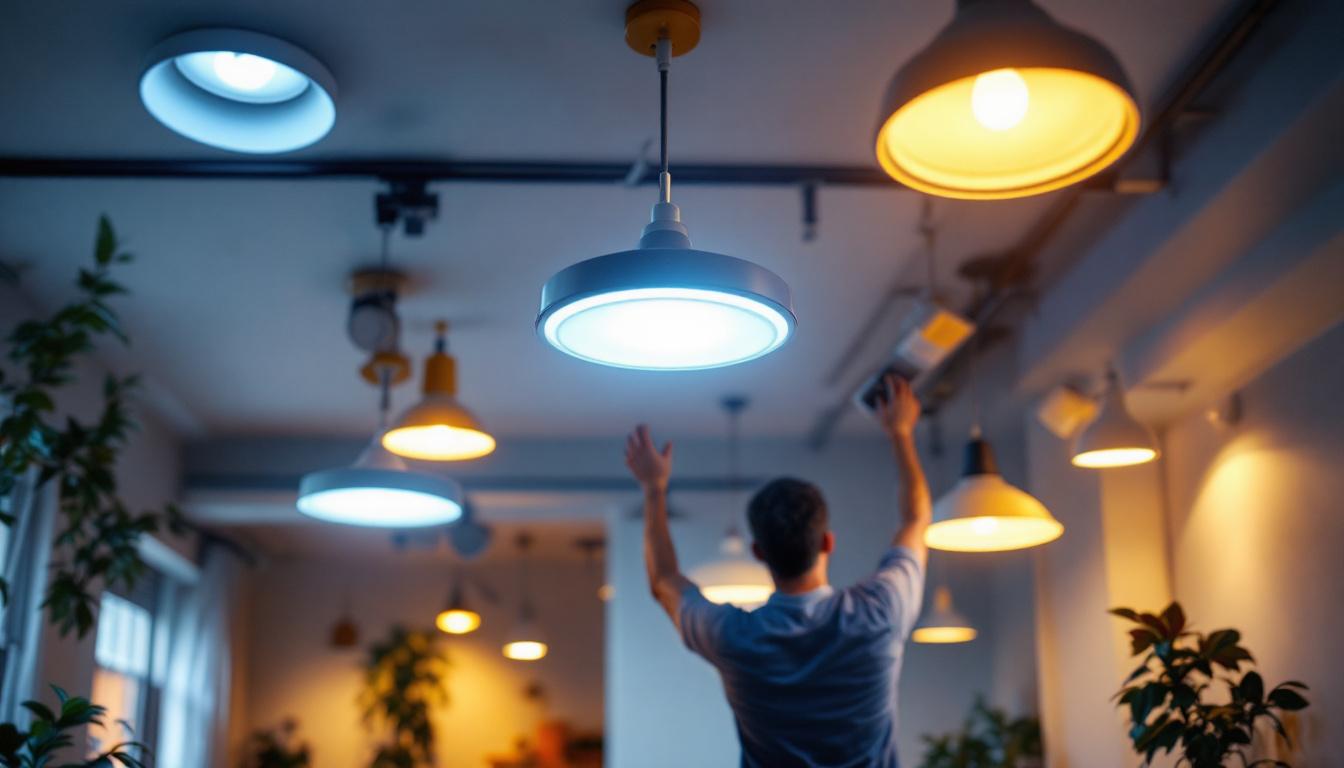
Ceiling canned lights, often referred to as recessed lighting, have become a staple in modern interior design and lighting solutions. For lighting contractors, understanding the nuances of these fixtures is essential for both installation and client satisfaction. This article will provide a concise yet comprehensive overview of ceiling canned lights, covering their types, installation considerations, and best practices.
Understanding Ceiling Canned Lights
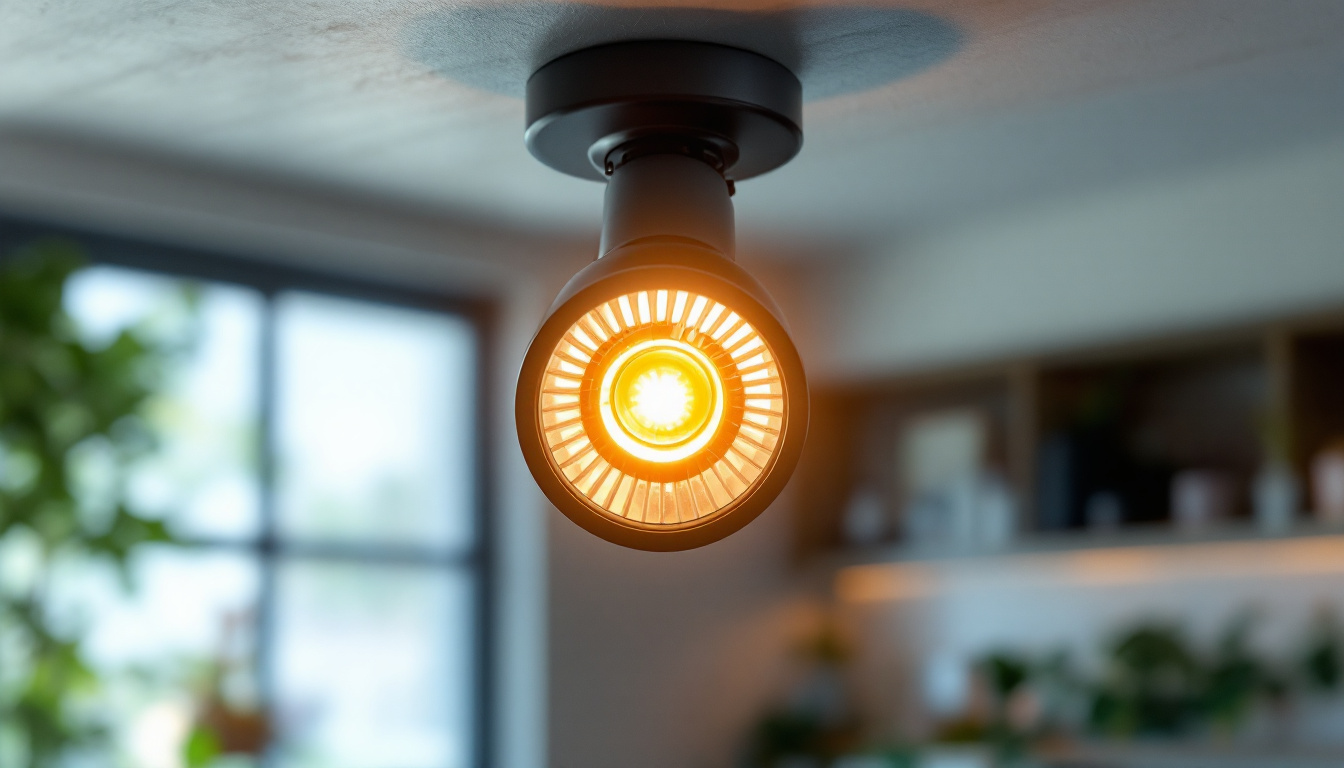
Ceiling canned lights are fixtures that are installed into a hollow opening in the ceiling. They are designed to provide a clean, streamlined look while delivering effective illumination. These lights are available in various styles, sizes, and configurations, making them suitable for diverse applications. Their unobtrusive design allows them to blend seamlessly into any decor, enhancing the overall aesthetic without overwhelming the space.
In addition to their visual appeal, ceiling canned lights are often equipped with energy-efficient LED options, which not only reduce electricity consumption but also have a longer lifespan compared to traditional bulbs. This makes them an environmentally friendly choice, appealing to those who are conscious of their carbon footprint. Moreover, the ability to dim many of these fixtures adds to their functionality, allowing for customizable ambiance in any room.
Types of Ceiling Canned Lights
There are several types of ceiling canned lights, each serving different purposes and aesthetic preferences. The most common types include:
- New Construction Cans: These are installed during the initial construction phase, allowing for easy integration into the ceiling structure. They often feature a more robust design to accommodate the weight of the fixture and provide optimal lighting performance.
- Remodel Cans: Designed for retrofitting into existing ceilings, these fixtures often come with adjustable brackets for a secure fit. They are perfect for homeowners looking to upgrade their lighting without undergoing extensive renovations.
- IC Rated Cans: Insulation Contact (IC) rated cans can be placed in direct contact with insulation, making them ideal for energy-efficient homes. These fixtures help maintain temperature control, preventing heat loss during winter months and keeping spaces cooler in the summer.
Benefits of Using Ceiling Canned Lights
Ceiling canned lights offer numerous advantages that make them appealing to both contractors and homeowners. Some key benefits include:
- Space Saving: Their recessed design saves ceiling space and provides a clean look. This is particularly beneficial in rooms with low ceilings, where traditional light fixtures might feel bulky and intrusive.
- Versatility: They can be used in various settings, including residential, commercial, and retail spaces. From highlighting artwork in a gallery to providing ambient lighting in a cozy living room, their adaptability is unmatched.
- Adjustable Lighting: Many models allow for adjustable angles, enabling focused lighting on specific areas or objects. This feature is especially useful in kitchens or workspaces, where task lighting is essential for functionality.
Furthermore, the installation of ceiling canned lights can significantly enhance the perceived size of a room. By directing light upward and across the ceiling, these fixtures create an illusion of height and spaciousness, making them an excellent choice for smaller areas. Additionally, the ability to choose different trim styles and finishes allows homeowners to customize their lighting to perfectly match their interior design theme, whether it be modern, rustic, or traditional.
Installation Considerations
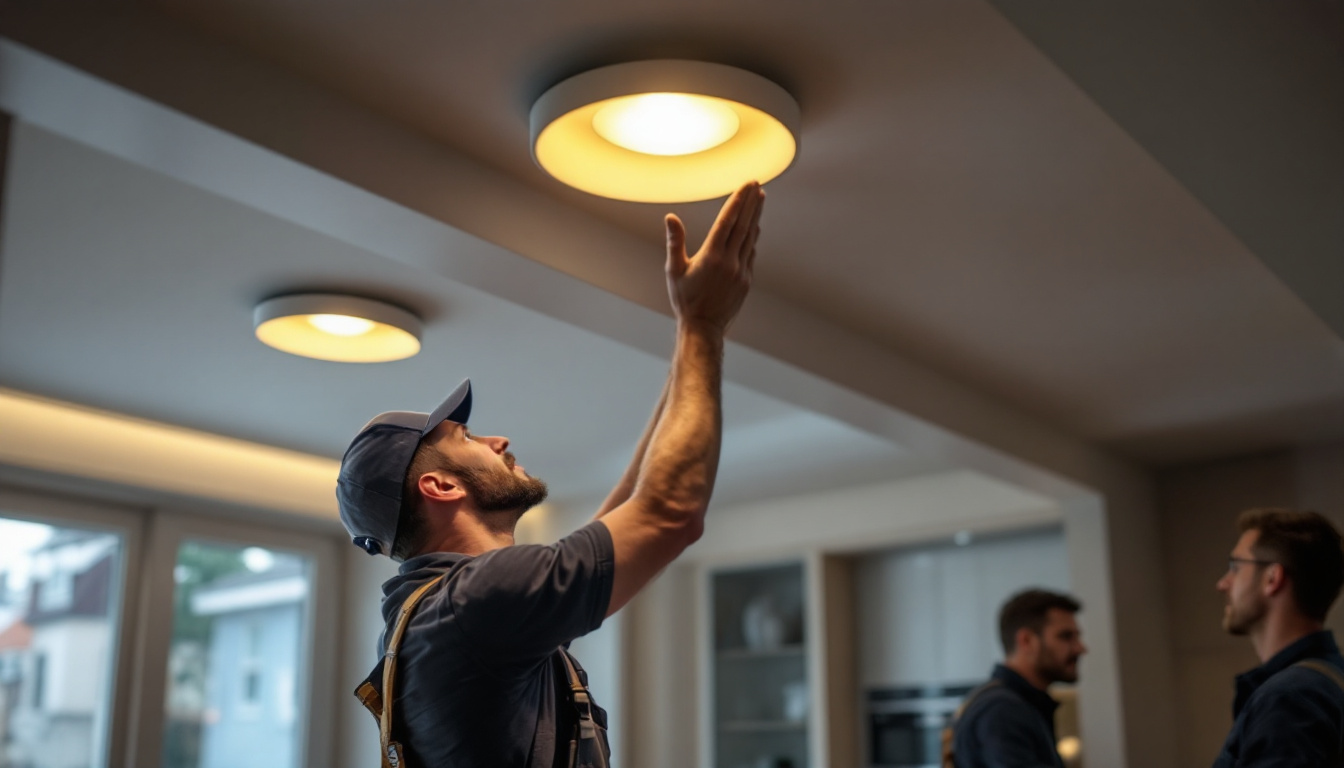
Proper installation of ceiling canned lights is crucial for optimal performance and safety. Contractors should be aware of several key factors during the installation process.
Electrical Wiring
Before installation, it is essential to ensure that the electrical wiring is up to code and capable of supporting the additional load of the new fixtures. This includes checking the circuit for capacity and ensuring that the wiring is appropriately rated for the type of bulbs being used. Additionally, it’s wise to consider the use of dimmer switches, which can enhance the versatility of the lighting setup. Properly rated dimmers not only allow for mood adjustments but can also prolong the lifespan of the bulbs by reducing the amount of heat generated during operation.
Placement and Spacing
The placement of ceiling canned lights can significantly affect the overall lighting quality. A general rule of thumb is to space the fixtures approximately 4 to 6 feet apart, depending on the height of the ceiling and the desired intensity of light. Additionally, it’s important to consider the purpose of the lighting—whether it’s for general illumination, task lighting, or accent lighting—and position the fixtures accordingly. For instance, in a kitchen, placing lights directly over workspaces can enhance visibility while creating a warm and inviting atmosphere. In contrast, in a living room, strategically positioning lights to highlight artwork or architectural features can add depth and character to the space.
Cutting the Ceiling
When cutting holes for the fixtures, precision is key. Using a template or a hole saw can help ensure that the openings are uniform and properly sized. It’s also crucial to check for any obstructions, such as plumbing or ductwork, before making cuts to avoid potential complications. Furthermore, it’s advisable to wear protective eyewear and a dust mask during this process to safeguard against debris and dust inhalation. After cutting, it’s beneficial to clean the edges of the holes to ensure a snug fit for the fixtures, which can help prevent any air leaks that might affect energy efficiency. Proper sealing around the fixtures can also contribute to improved insulation and reduce the risk of moisture intrusion, which is particularly important in areas like bathrooms and kitchens.
Choosing the Right Bulbs
The choice of bulbs for ceiling canned lights can greatly influence the ambiance and functionality of the space. Various options are available, including LED, halogen, and incandescent bulbs, each with its own set of advantages and considerations.
LED Bulbs
LED bulbs are increasingly popular due to their energy efficiency and longevity. They consume significantly less energy than traditional incandescent bulbs and can last for up to 25,000 hours, making them a cost-effective choice in the long run. Additionally, many LED options are available in various color temperatures, allowing for customization of the lighting atmosphere. For instance, a cooler color temperature can create a more vibrant and energetic environment, perfect for workspaces, while warmer tones can foster a cozy and inviting atmosphere in living areas. Furthermore, advancements in LED technology have led to the development of dimmable options, which can enhance versatility and mood-setting capabilities.
Halogen Bulbs
Halogen bulbs provide bright, white light and are often used in applications where color rendering is essential. Their ability to produce a high-quality light makes them ideal for art galleries, retail spaces, and kitchens where true color representation is crucial. However, they generate more heat than LED bulbs and have a shorter lifespan, which can be a consideration for energy-conscious clients. It’s also worth noting that halogen bulbs are often compatible with dimmer switches, allowing for greater control over lighting intensity, which can be particularly beneficial in settings that require adjustable lighting for different tasks or moods.
Incandescent Bulbs
While less common in new installations due to their energy inefficiency, incandescent bulbs still offer a warm light that some homeowners prefer. They can be a suitable choice for specific applications, particularly where dimming capabilities are needed. The soft glow of incandescent lighting can create a welcoming ambiance in dining rooms or bedrooms, making them a timeless choice for those who prioritize comfort over energy savings. Additionally, incandescent bulbs are available in a variety of shapes and sizes, providing flexibility in design. However, it is essential for homeowners to consider the ongoing energy costs associated with these bulbs, as they consume more electricity and have a shorter lifespan compared to their LED counterparts.
Best Practices for Ceiling Canned Lights
To ensure the best performance and longevity of ceiling canned lights, contractors should adhere to several best practices during installation and maintenance.
Use Dimmers
Incorporating dimmer switches can enhance the versatility of ceiling canned lights. Dimming allows for control over the light intensity, making it easier to create the desired ambiance for different activities or times of day. When selecting dimmers, ensure they are compatible with the type of bulbs being used, particularly with LED fixtures.
Regular Maintenance
Regular maintenance is essential for keeping ceiling canned lights in optimal condition. This includes checking for any signs of wear or damage, ensuring the bulbs are functioning correctly, and cleaning the fixtures to prevent dust buildup, which can affect light output. Contractors should advise clients on the importance of maintenance to prolong the life of their lighting systems.
Consider Smart Lighting Options
With the rise of smart home technology, integrating smart lighting solutions into ceiling canned lights can offer added convenience and energy efficiency. Smart bulbs and systems allow for remote control, scheduling, and even voice activation, making it easier for homeowners to manage their lighting preferences.
Common Mistakes to Avoid
Even experienced contractors can make mistakes during the installation of ceiling canned lights. Being aware of common pitfalls can help ensure a smoother process and a more satisfactory outcome.
Improper Spacing
One of the most frequent errors is improper spacing of the fixtures. Too close together can lead to harsh lighting and shadows, while too far apart can result in dark spots. Taking the time to plan the layout carefully can prevent these issues.
Neglecting Insulation Requirements
Failing to consider insulation requirements can lead to safety hazards and inefficiencies. If using IC-rated cans, ensure they are placed in accordance with local building codes and that insulation is not obstructing airflow.
Ignoring Local Codes
Every region has specific electrical codes and regulations that must be followed. Ignoring these codes can lead to safety hazards and costly rework. Always stay updated on local regulations and ensure that all installations comply with them.
Conclusion
Ceiling canned lights are a versatile and stylish lighting solution that can enhance any space when installed correctly. For lighting contractors, understanding the various types, installation considerations, and best practices is crucial for delivering quality results. By avoiding common mistakes and staying informed about the latest trends and technologies, contractors can ensure that their clients are satisfied with their lighting choices. With the right knowledge and skills, ceiling canned lights can be a valuable addition to any lighting project.
Get Your Premium Ceiling Canned Lights at LumenWholesale
Ready to elevate your lighting projects with the best in ceiling canned lights? Look no further than LumenWholesale, where we provide contractors with exceptional, spec-grade lighting products at unbeatable wholesale prices. Say goodbye to local distributor markups and hello to our extensive selection that meets the highest industry standards. With LumenWholesale, you get the reliability and performance you need, plus the convenience of free shipping on bulk orders. Don’t compromise on quality or value. Wholesale Lighting at the Best Value is just a click away. Upgrade your lighting solutions with LumenWholesale today.