Understanding Suspended Ceiling Track Lighting
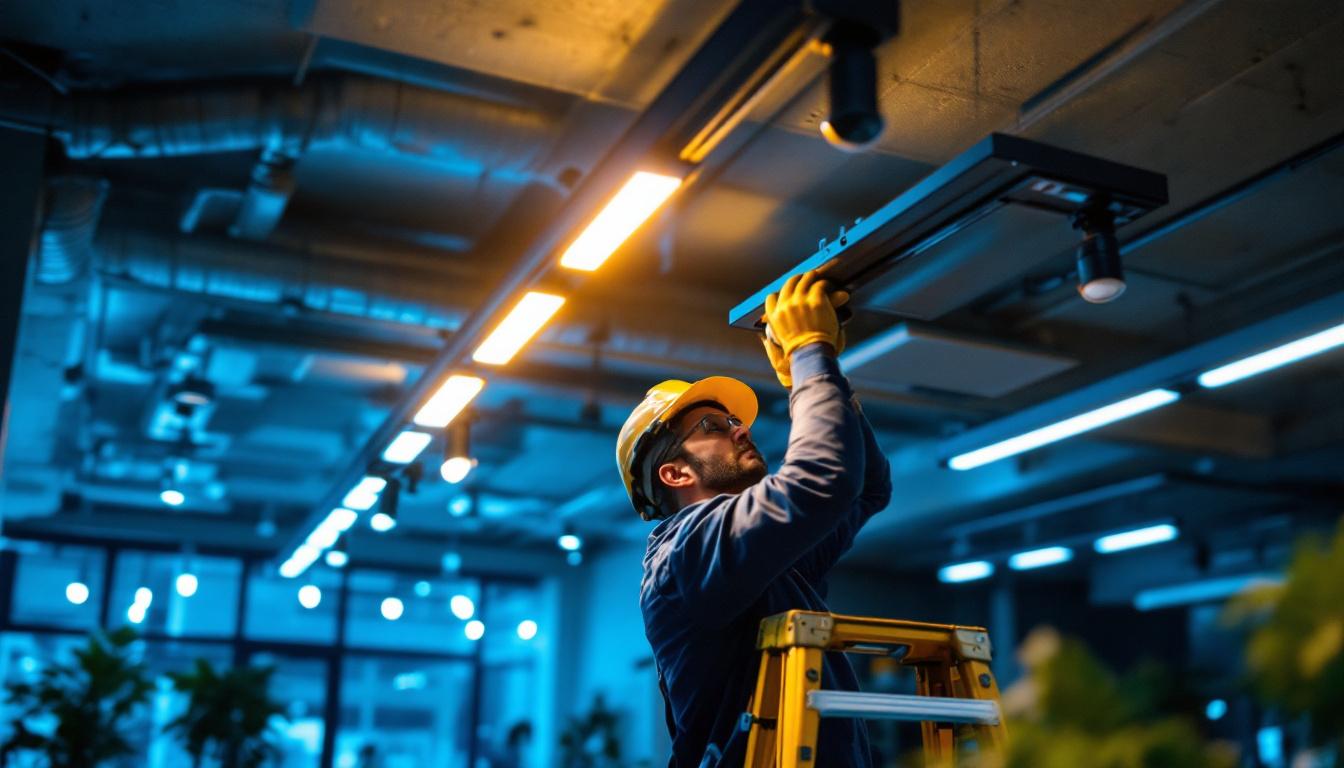
Suspended ceiling track lighting is a versatile and increasingly popular lighting solution that integrates track lighting systems directly into suspended or drop ceilings. This method allows lighting contractors to install adjustable, focused lighting fixtures without compromising the ceiling’s aesthetic or structural integrity. The suspended ceiling grid supports the track, enabling easy access for maintenance and modifications.
For lighting contractors, this approach presents both unique opportunities and challenges. Track lighting offers flexibility in directing light, which is ideal for commercial spaces, galleries, retail environments, and offices where lighting needs can frequently change. Suspended ceilings, common in many modern buildings, provide a convenient platform for embedding these systems without extensive structural alterations.
One of the significant advantages of suspended ceiling track lighting is its ability to create a dynamic lighting environment. By utilizing adjustable fixtures, contractors can highlight specific areas, such as artwork in galleries or merchandise in retail stores, enhancing the overall ambiance and drawing attention to key features. Moreover, the modular nature of track lighting allows for easy reconfiguration; as the needs of a space evolve, the lighting can be adapted without the need for major renovations, making it a cost-effective solution in the long run.
Additionally, the integration of energy-efficient LED technology into suspended ceiling track lighting systems has revolutionized the way spaces are illuminated. LEDs not only consume less power but also have a longer lifespan compared to traditional incandescent bulbs, reducing maintenance costs and energy consumption. This shift towards sustainability aligns with modern design principles and the growing emphasis on eco-friendly building practices. As more businesses prioritize energy efficiency, the demand for such innovative lighting solutions continues to rise, further solidifying the role of suspended ceiling track lighting in contemporary architecture.
Benefits of Suspended Ceiling Track Lighting for Contractors
Flexibility and Customization
One of the primary advantages of suspended ceiling track lighting is its adaptability. Lighting contractors can customize layouts to suit client needs, whether emphasizing artwork, creating ambient lighting, or spotlighting merchandise. The modular nature of track lighting means fixtures can be added, removed, or repositioned with minimal effort, allowing for dynamic lighting designs that evolve over time.
This flexibility is particularly beneficial in commercial projects where tenant requirements or branding strategies may change. Contractors who master suspended ceiling track lighting can offer clients long-term value through easily adjustable lighting systems. Furthermore, this adaptability extends to the aesthetic appeal of the space. By selecting different styles of fixtures, contractors can ensure that the lighting complements the overall design theme, whether it be modern, industrial, or classic. This attention to detail not only enhances the visual impact of the environment but also contributes to the overall satisfaction of the client.
Streamlined Installation and Maintenance
Installing track lighting within a suspended ceiling grid simplifies the process compared to traditional recessed or surface-mounted lighting. The ceiling tiles can be temporarily removed to access wiring and track mounts, reducing the need for invasive ceiling work. This accessibility also facilitates routine maintenance and upgrades, minimizing downtime for building occupants.
For contractors, this means faster project completion times and reduced labor costs. Additionally, the ability to retrofit existing suspended ceilings with track lighting can open new business opportunities in renovation projects. The ease of installation also allows contractors to take on more projects simultaneously, increasing their potential revenue. Moreover, the low-profile design of track lighting can lead to improved energy efficiency, as it allows for the integration of LED technology, which not only reduces energy consumption but also lowers long-term operational costs for clients. This combination of efficiency and ease of use positions contractors as forward-thinking professionals who can deliver both aesthetic and functional solutions.
Technical Considerations and Challenges
Load Capacity and Structural Integrity
While suspended ceilings provide a convenient mounting surface, lighting contractors must carefully assess the ceiling grid’s load capacity. Track lighting systems, especially those with multiple fixtures, can add significant weight. Overloading the grid can lead to sagging or failure, posing safety risks and potential liability issues.
Contractors should collaborate with structural engineers or ceiling manufacturers to ensure the grid can support the intended lighting setup. Reinforcements or specialized mounting hardware may be necessary to maintain safety and compliance with building codes. Additionally, understanding the materials used in the ceiling construction is vital; for instance, different types of tiles or grids may have varying load capacities. This knowledge can influence the choice of fixtures and their arrangement, ensuring that the aesthetic appeal does not compromise safety.
Electrical Integration and Code Compliance
Integrating track lighting into suspended ceilings requires meticulous attention to electrical wiring and code compliance. Contractors must ensure that power feeds are safely routed through ceiling cavities and that all components meet local electrical standards. Proper grounding, circuit protection, and accessibility for inspection are critical factors.
Moreover, contractors should be aware of the specific requirements for different environments. For example, in healthcare or educational facilities, lighting systems may need to comply with stricter regulations regarding emergency lighting or energy efficiency. Understanding the nuances of these regulations can prevent costly rework and ensure that the installation is not only functional but also compliant with all necessary guidelines. Furthermore, the choice of energy-efficient LED fixtures can contribute to long-term savings and sustainability goals, making it essential for contractors to stay updated on the latest technologies and best practices in energy management.
Impact on Project Planning and Client Communication
Design Coordination with Architects and Interior Designers
Successful suspended ceiling track lighting installations depend on close collaboration with architects and interior designers. Contractors must understand the overall design vision, ceiling layout, and functional lighting goals to propose effective solutions. Early involvement in the design phase helps avoid conflicts with other ceiling-mounted systems such as HVAC diffusers, fire sprinklers, and speakers.
This coordination ensures that lighting tracks are optimally placed for both aesthetic appeal and operational efficiency. It also helps contractors anticipate potential challenges related to ceiling tile sizes, grid patterns, and ceiling heights. Additionally, the integration of lighting into the overall design can enhance the ambiance of a space, allowing for creative expressions that align with the client’s brand identity. For instance, in commercial settings, lighting can be tailored to highlight specific areas, such as product displays or collaborative workspaces, thereby improving functionality and user experience. The collaborative process often leads to innovative solutions that not only meet the technical requirements but also elevate the overall design narrative.
Managing Client Expectations and Budget Constraints
Lighting contractors must also manage client expectations regarding the capabilities and costs of suspended ceiling track lighting. While the system offers flexibility and ease of maintenance, initial installation expenses can vary depending on the complexity of the layout, fixture quality, and electrical work required.
Providing clients with clear, detailed proposals that outline benefits, limitations, and potential future costs helps build trust and facilitates informed decision-making. Contractors who educate clients on the long-term value of adjustable lighting systems often find greater satisfaction and repeat business. Furthermore, discussing the energy efficiency of modern lighting options can be a persuasive point for clients concerned about operational costs. Many contemporary fixtures are designed to be energy-efficient, which not only reduces electricity bills but also contributes to sustainability goals. By presenting a comprehensive overview that includes potential savings over time, contractors can help clients see the bigger picture, making it easier for them to justify the initial investment. This proactive communication fosters a collaborative environment where clients feel valued and informed throughout the project lifecycle.
Emerging Trends and Technologies in Suspended Ceiling Track Lighting
Integration of Smart Lighting Controls
The rise of smart building technologies has influenced suspended ceiling track lighting systems. Lighting contractors are increasingly incorporating wireless controls, dimming capabilities, and programmable scenes into their installations. These features enhance energy efficiency and user convenience, allowing clients to tailor lighting environments via mobile apps or centralized building management systems.
Smart controls also facilitate compliance with energy codes and sustainability goals, which are becoming priorities in commercial construction. Contractors who stay abreast of these advancements can differentiate their services and deliver cutting-edge solutions.
LED Technology and Energy Efficiency
Advancements in LED lighting have revolutionized suspended ceiling track lighting. LEDs offer superior energy efficiency, longer lifespans, and reduced heat output compared to traditional halogen or incandescent bulbs. This translates into lower operating costs and improved occupant comfort.
Lighting contractors should prioritize LED-compatible track systems and fixtures, advising clients on the benefits of upgrading existing installations. Additionally, LEDs’ compact size and directional light output complement the flexibility of track lighting, enabling more precise illumination strategies.
Case Studies: Real-World Applications and Lessons Learned
Retail Environment Transformation
A major retail chain recently revamped several stores using suspended ceiling track lighting to enhance product displays and create inviting atmospheres. Lighting contractors collaborated closely with the retailer’s design team to develop modular track layouts that could be easily adjusted for seasonal promotions and merchandising changes.
The project demonstrated how suspended ceiling track lighting supports dynamic retail environments, improving customer engagement and sales. Contractors noted that upfront planning and coordination were key to meeting tight deadlines and minimizing disruption during store hours.
Office Space Renovation
In a large corporate office renovation, suspended ceiling track lighting was chosen to replace outdated fluorescent fixtures. The lighting contractor integrated LED track lights with smart controls, enabling employees to adjust lighting levels based on task needs and natural daylight availability.
This installation improved energy efficiency and employee satisfaction. The contractor emphasized the importance of thorough site assessments and client training to maximize the system’s benefits.
Conclusion: Maximizing Success with Suspended Ceiling Track Lighting
For lighting contractors, suspended ceiling track lighting represents a compelling opportunity to deliver flexible, efficient, and aesthetically pleasing lighting solutions. By understanding the technical requirements, collaborating closely with design professionals, and embracing emerging technologies, contractors can enhance project outcomes and client satisfaction.
As building designs evolve and lighting demands become more complex, mastery of suspended ceiling track lighting will be an essential skill for contractors aiming to stay competitive and responsive to market needs.
Get the Best in Suspended Ceiling Track Lighting with LumenWholesale
Ready to elevate your lighting projects with the flexibility and efficiency of suspended ceiling track lighting? Look no further than LumenWholesale for all your lighting needs. Our spec-grade products not only meet the highest industry standards but are also available at unbeatable wholesale prices. Say goodbye to local distributor markups and hello to superior lighting solutions that fit your budget. With LumenWholesale, bulk buying is a breeze, and with free shipping, you can rest assured that you’re getting premium lighting at the best value — without any hidden fees. Enhance your next project with the quality, affordability, and convenience of Wholesale Lighting at the Best Value from LumenWholesale.