Understanding the Unique Challenges of Study Lighting
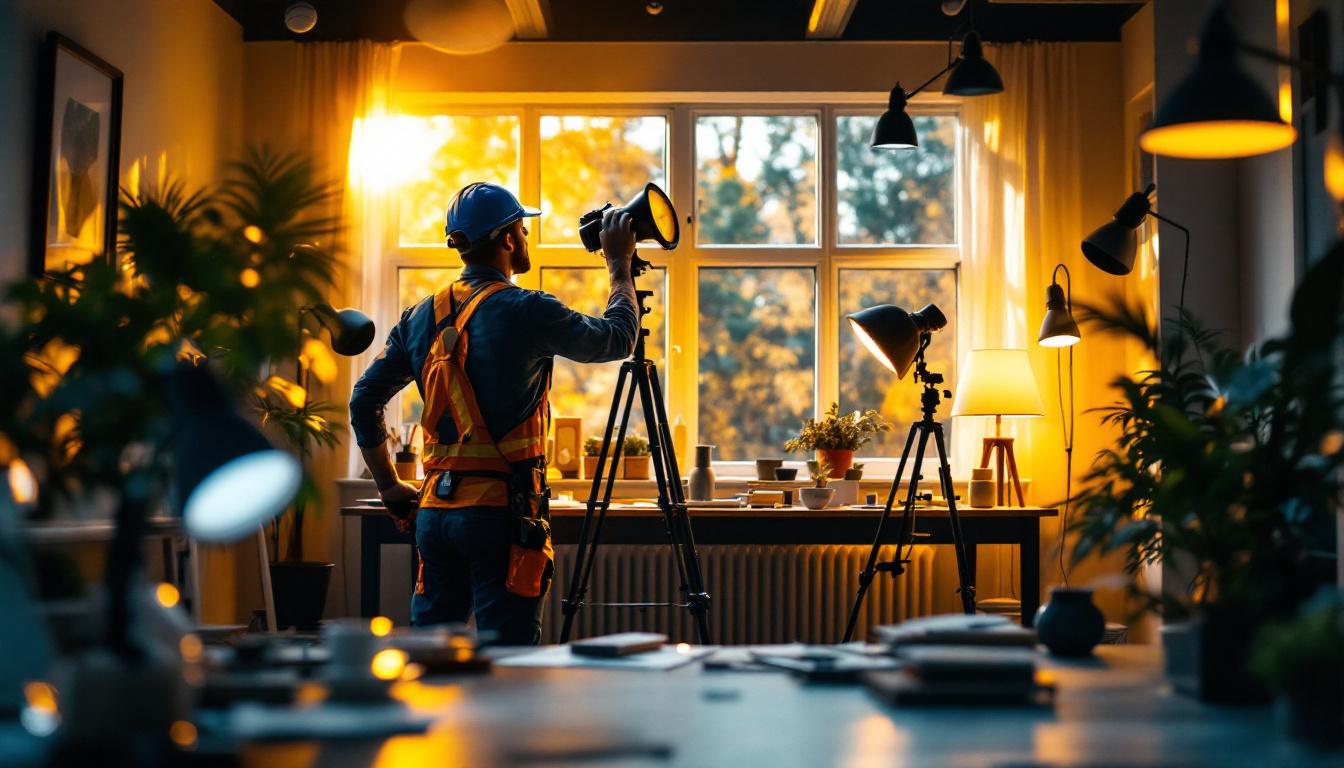
Lighting a study space is more complex than simply installing a few overhead fixtures. The environment demands a balance between functionality and comfort, ensuring that users can focus for extended periods without strain. Poor lighting choices can lead to eye fatigue, headaches, and reduced productivity, which ultimately reflects poorly on the contractor’s work.
Lighting contractors must recognize that study areas—whether in homes, libraries, or educational institutions—have specific requirements. These spaces often combine ambient, task, and accent lighting to create an environment conducive to concentration and learning. Overlooking any of these aspects can result in a space that feels either too harsh or too dim, both of which are detrimental. The ideal study lighting should not only illuminate the area but also enhance the overall aesthetic, making the space inviting and stimulating for intellectual pursuits.
Additionally, the placement of lighting fixtures is crucial. For instance, task lighting should be positioned to eliminate shadows cast by the user’s body, which can be particularly distracting when reading or writing. Furthermore, the use of natural light should be maximized where possible, as it has been shown to improve mood and cognitive function. Strategically placing desks near windows or using light-filtering window treatments can help to harness daylight effectively, reducing reliance on artificial lighting during the day.
Common Mistakes Lighting Contractors Make
One frequent error is relying solely on overhead lighting. While ceiling fixtures provide general illumination, they often cast shadows on work surfaces or create glare on screens and paper. Another issue is using bulbs with inappropriate color temperatures. Lighting that is too warm can make a study area feel cozy but sleepy, while overly cool lighting can feel sterile and uncomfortable. The color rendering index (CRI) of bulbs should also be considered, as higher CRI values ensure that colors appear more vibrant and true to life, which can be particularly beneficial for tasks that require color accuracy.
Contractors sometimes neglect the importance of adjustable lighting controls. Without dimmers or multiple lighting zones, users cannot tailor the light intensity to their needs, which vary throughout the day and depending on the task. For example, a student may require bright, focused light during study sessions but prefer softer, ambient lighting during breaks or casual reading. Incorporating smart lighting solutions that can be controlled via mobile apps or voice commands can further enhance the user experience, allowing for seamless transitions between different lighting scenarios. Such flexibility not only caters to individual preferences but also promotes a healthier and more productive study environment.
Choosing the Right Lighting Types for Study Spaces
Effective study lighting requires layering different types of light. Ambient lighting sets the overall tone, task lighting focuses on the work area, and accent lighting adds depth and reduces eye strain by softening shadows.
Ambient Lighting: The Foundation
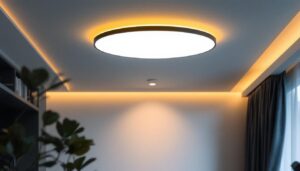
Ambient light should be evenly distributed to avoid harsh contrasts. Recessed LED downlights or flush-mount fixtures work well for this purpose. LEDs are energy-efficient and offer a range of color temperatures, making them ideal for study spaces. The goal is to create a base level of illumination that supports visibility without overwhelming the eyes. Additionally, consider the use of dimmer switches, which can allow for greater control over the brightness levels depending on the time of day or the specific tasks at hand. This flexibility can enhance the overall comfort of the study environment, making it easier to transition from daytime reading to evening study sessions.
Task Lighting: Focused and Adjustable
Task lighting is critical for reading, writing, or using a computer. Desk lamps with adjustable arms and heads allow users to direct light precisely where it’s needed. Lighting contractors should recommend fixtures with high Color Rendering Index (CRI) values—ideally above 80—to ensure colors appear natural and reduce eye fatigue. Furthermore, consider the placement of task lighting; positioning a lamp to the side rather than directly in front can minimize glare on screens and books, enhancing focus and productivity. For those who often work late into the night, warm white bulbs can create a cozy atmosphere while still providing adequate illumination for detailed tasks.
Accent Lighting: Reducing Contrast and Adding Comfort
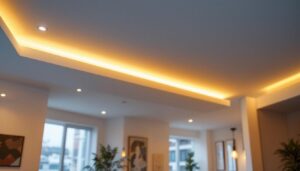
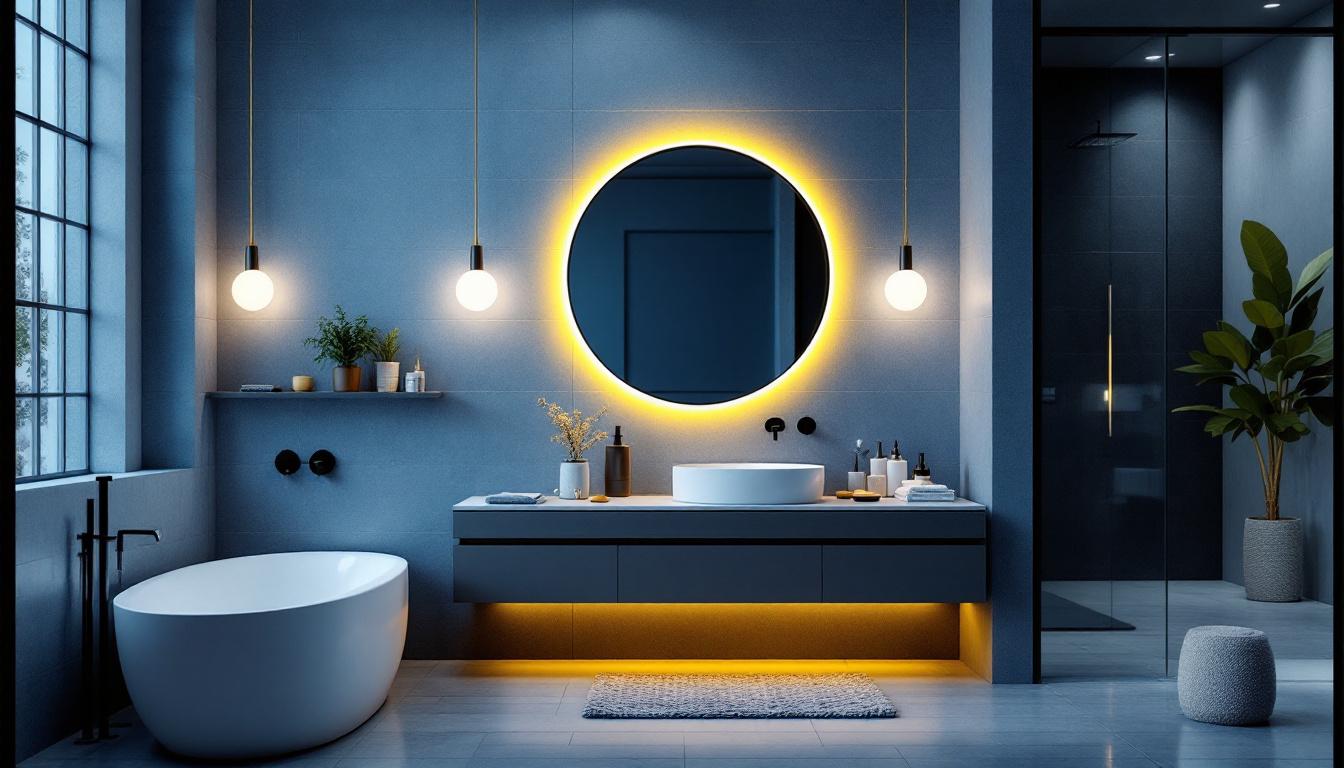
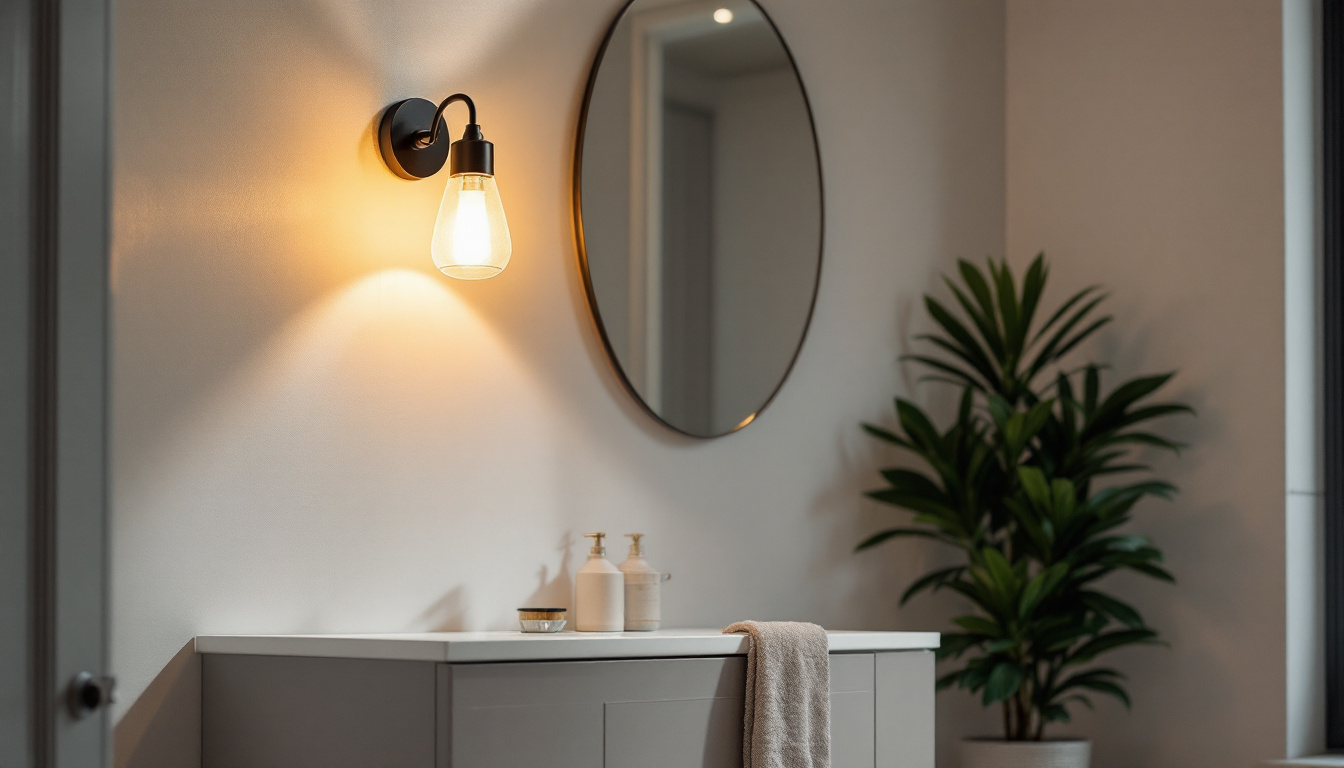
Accent lighting can be subtle but effective. Wall sconces or LED strip lights behind bookshelves or under cabinets help reduce the contrast between a bright work surface and darker surroundings. This balance helps prevent eye strain and creates a more inviting atmosphere. Incorporating decorative elements, such as art pieces or plants, illuminated by accent lights can also enhance the aesthetic appeal of a study space, making it feel more personalized and inspiring. Additionally, consider using smart lighting solutions that allow for color changes and dimming options, enabling users to create different moods and environments that can stimulate creativity or relaxation as needed.
Color Temperature and Its Impact on Concentration
Color temperature, measured in Kelvins (K), profoundly affects mood and alertness. For study environments, selecting the right temperature is crucial.
Why Color Temperature Matters
Warmer light (2700K–3000K) tends to be relaxing and is better suited for living rooms or bedrooms. Cooler light (4000K–5000K) mimics daylight and promotes alertness and focus, making it ideal for study areas. However, extremely cool light (above 5000K) can feel clinical and uncomfortable over long periods. This discomfort can lead to eye strain and fatigue, ultimately hindering productivity. Understanding the psychological effects of different color temperatures can help individuals create environments that enhance their cognitive functions and overall well-being.
Recommendations for Study Lighting
Lighting contractors should aim for a neutral to cool white light, typically between 3500K and 4500K, to strike a balance between comfort and productivity. Using tunable white LEDs that allow users to adjust the color temperature throughout the day can further enhance the space’s flexibility. This adaptability is particularly beneficial for students who may study at various times, as natural light changes throughout the day. By mimicking these shifts in daylight, individuals can maintain their circadian rhythms, which are essential for optimal concentration and alertness. Additionally, incorporating task lighting, such as desk lamps with adjustable brightness, can provide focused illumination for reading and writing, reducing shadows and enhancing clarity on materials.
Addressing Glare and Shadows Effectively
Glare and shadows are two of the most common complaints in study lighting. Both can cause discomfort and reduce the effectiveness of the lighting setup.
Strategies to Minimize Glare
Positioning fixtures to avoid direct light hitting screens or reflective surfaces is essential. Matte finishes on desks and walls help reduce reflections. Additionally, using diffusers on light fixtures softens the light source, reducing harshness.
Controlling Shadows
Multiple light sources placed strategically can eliminate deep shadows. For example, pairing overhead ambient lighting with task lamps ensures that the user’s hands or objects don’t block the light. Lighting contractors should also consider the user’s dominant hand when positioning task lighting to avoid casting shadows on the work area.
Incorporating Smart Lighting Controls
Smart lighting systems offer significant advantages in study environments. They allow users to adjust brightness and color temperature with ease, adapting the lighting to different times of day and tasks.
Benefits of Smart Controls
Dimmers, motion sensors, and programmable schedules enhance convenience and energy efficiency. For example, lighting can gradually brighten in the morning to simulate natural sunrise, helping users wake up and prepare for focused work. At night, the system can shift to warmer tones to promote relaxation.
Installation Considerations
Lighting contractors should ensure that smart systems are compatible with existing wiring and fixtures. Providing thorough training or documentation for end-users helps maximize the benefits of these advanced controls.
Ensuring Compliance and Safety
Study lighting installations must comply with local building codes and safety standards. Failure to adhere to regulations can lead to costly rework and liability issues.
Key Compliance Areas
Contractors should verify that all fixtures are rated for the intended environment, especially in educational or commercial settings where regulations may be stricter. Proper grounding, circuit protection, and emergency lighting provisions are essential. Additionally, ensuring that lighting does not interfere with fire alarm systems or emergency exits is critical.
Energy Efficiency Standards
Many jurisdictions require lighting installations to meet energy efficiency benchmarks. Using LED fixtures and smart controls not only complies with these standards but also reduces operating costs for clients, making it a selling point for contractors.
Maintenance and Longevity: Planning Ahead
Lighting contractors should consider the long-term maintenance of study lighting installations. Easy access to fixtures for bulb replacement or cleaning can save time and money down the road.
Choosing Durable Fixtures
Opt for high-quality fixtures designed for longevity and minimal maintenance. Sealed LED units, for example, often last tens of thousands of hours without requiring bulb changes. This reduces disruption in study environments.
Providing Clients with Maintenance Guidance
Educating clients on proper cleaning and usage helps preserve the lighting system’s performance. Simple advice, like avoiding harsh chemicals on fixtures or regularly dusting lampshades, can extend the life of the installation.
Final Thoughts: Delivering Study Lighting That Works
Lighting contractors who approach study lighting with attention to detail and an understanding of user needs will avoid common pitfalls. The right combination of ambient, task, and accent lighting, paired with appropriate color temperature and smart controls, creates a comfortable, productive environment.
Addressing glare, shadows, compliance, and maintenance from the outset ensures that installations stand the test of time. Ultimately, well-executed study lighting enhances the client’s experience and builds the contractor’s reputation for quality and professionalism.
Illuminate Your Projects with LumenWholesale
Ready to elevate your study lighting installations with the best products on the market? At LumenWholesale, we provide lighting contractors like you with the highest quality, spec-grade lighting solutions at unbeatable wholesale prices. Say goodbye to local distributor markups and hello to a vast selection of reliable, high-performance lighting that meets rigorous industry standards. Plus, with free shipping on bulk orders, you can stock up on premium lighting without worrying about hidden fees or compromises. Don’t settle for less—ensure your projects shine with excellence. Wholesale Lighting at the Best Value is just a click away.