Understanding Strip Wall Lighting: Fundamentals and Applications
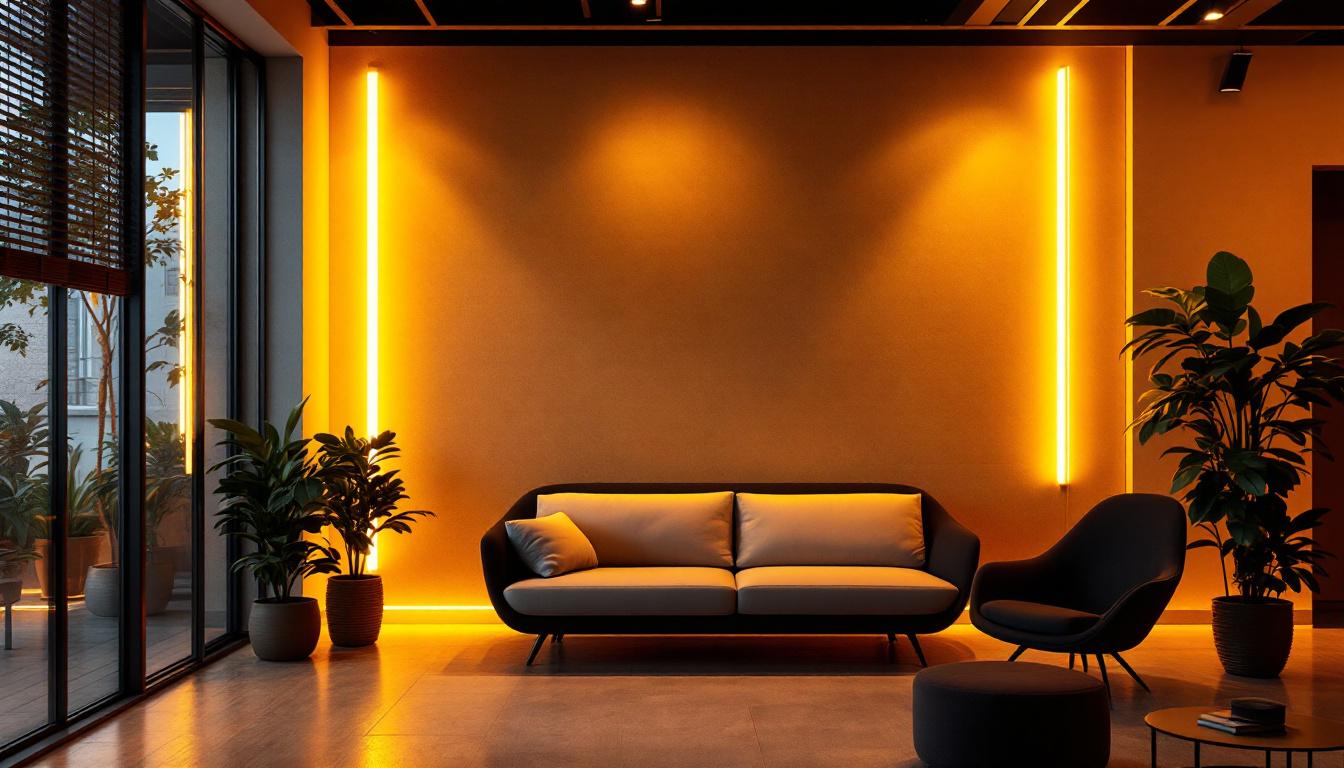
Strip wall lighting has become an essential component in modern architectural and interior lighting design. For lighting contractors, mastering the nuances of strip wall lighting can significantly enhance project outcomes, client satisfaction, and operational efficiency. At its core, strip wall lighting involves the installation of linear LED fixtures along walls, creating a continuous or segmented illumination effect that accentuates architectural features, improves ambient lighting, and adds aesthetic appeal.
These lighting systems are versatile, suitable for commercial spaces, residential interiors, retail environments, and hospitality venues. Their slim profiles and energy efficiency make them a preferred choice for projects requiring subtle yet impactful lighting solutions. Understanding the technical specifications, installation techniques, and design principles behind strip wall lighting is critical for contractors aiming to deliver high-quality results.
Key Benefits of Strip Wall Lighting
One of the primary advantages of strip wall lighting is its ability to provide uniform illumination along vertical surfaces, which can highlight textures, artwork, or structural elements. Additionally, LED strip lights consume significantly less energy compared to traditional lighting, reducing operational costs and environmental impact.
Moreover, the flexibility in length and color temperature options allows contractors to tailor lighting schemes to specific client needs, whether aiming for warm, inviting atmospheres or crisp, modern aesthetics. The integration of dimmable controls and smart lighting systems further enhances functionality, enabling dynamic lighting scenarios that adapt to different times of day or usage requirements.
Beyond aesthetics and energy efficiency, strip wall lighting also plays a crucial role in enhancing safety and security within various environments. In commercial spaces, well-placed strip lighting can illuminate pathways, emergency exits, and staircases, ensuring that occupants can navigate safely, especially in low-light conditions. In residential settings, homeowners can use strip lighting to create ambient light in hallways or entryways, providing both a welcoming atmosphere and a practical safety measure.
Furthermore, the adaptability of strip wall lighting extends to outdoor applications as well. Many designs are now weather-resistant, allowing for their use in exterior walls, patios, and garden spaces. This versatility means that contractors can create cohesive lighting designs that flow seamlessly from indoor to outdoor areas, enhancing the overall ambiance and usability of a property. As outdoor living spaces become increasingly popular, the demand for stylish and functional outdoor strip lighting solutions is likely to continue growing, presenting exciting opportunities for contractors in the field.
Technical Considerations for Installation
Successful installation of strip wall lighting requires meticulous attention to technical details. Lighting contractors must be well-versed in electrical requirements, mounting methods, and compatibility with control systems to ensure safety, durability, and optimal performance.
Electrical Load and Power Supply Management
Calculating the electrical load is a fundamental step before installation. LED strip lights, while efficient, require appropriate power supplies that match their voltage and current specifications. Overloading circuits or using incompatible drivers can lead to premature failure or safety hazards.
Contractors should select power supplies with a margin above the calculated load to accommodate potential expansion or unforeseen power fluctuations. Additionally, understanding the difference between constant voltage and constant current LED strips is crucial for selecting the correct driver and wiring configuration. It’s also beneficial to consider the total wattage of all strips being installed, as this will inform decisions on power supply placement and the potential need for multiple units to distribute the load evenly across the installation.
Mounting Techniques and Surface Preparation
The longevity and aesthetic quality of strip wall lighting depend heavily on proper mounting. Surfaces must be clean, dry, and smooth to ensure strong adhesion if using self-adhesive strips. For heavier or exposed installations, mechanical fasteners or aluminum channels provide added security and heat dissipation.
Aluminum profiles not only protect the LED strips from physical damage but also act as heat sinks, extending the lifespan of the LEDs. Lighting contractors should consider the environment—such as humidity levels or exposure to dust—when choosing mounting methods and protective housings. In areas where moisture is a concern, opting for waterproof LED strips and sealed mounting options can prevent corrosion and ensure long-term reliability. Furthermore, aesthetics can be enhanced by selecting aluminum channels that complement the overall design of the space, allowing the lighting to blend seamlessly with the decor.
Wiring and Connectivity Best Practices
Maintaining clean and organized wiring is essential for troubleshooting and future maintenance. Using connectors designed for LED strips reduces the risk of loose connections and electrical shorts. Where long runs are necessary, voltage drop calculations must be performed to prevent dimming or color shifts at the far end of the strip.
Incorporating junction boxes and accessible connection points allows for easier upgrades or repairs. Lighting contractors should also adhere strictly to local electrical codes and standards to ensure compliance and safety. Additionally, utilizing color-coded wiring can simplify the installation process and assist in future maintenance by clearly indicating the purpose of each wire. Implementing a systematic labeling method for all connections will further facilitate troubleshooting, ensuring that any issues can be resolved quickly and efficiently without extensive disassembly of the installation. This proactive approach not only enhances safety but also contributes to a more professional finish in the overall project.
Design Strategies to Maximize Impact
Beyond technical proficiency, lighting contractors must understand design principles to maximize the visual and functional impact of strip wall lighting. Thoughtful design enhances the user experience and elevates the overall space.
Choosing the Right Color Temperature and CRI
Color temperature plays a pivotal role in setting the mood and complementing interior finishes. Warm white (2700K–3000K) is ideal for cozy, intimate settings, while neutral white (3500K–4100K) suits workspaces and retail areas. Cool white (5000K and above) is often used in galleries or modern commercial environments.
Color Rendering Index (CRI) is equally important; a CRI of 80 or higher is recommended to ensure colors appear natural and vibrant under the lighting. High CRI LEDs are especially critical in retail and hospitality settings where accurate color perception influences customer experience.
Layering and Zoning Techniques
Strip wall lighting works best when integrated into a layered lighting scheme. Combining it with ambient, task, and accent lighting creates depth and flexibility. For example, using strip lights to highlight wall textures or architectural niches complements overhead lighting and reduces harsh shadows.
Zoning allows different areas to be controlled independently, enabling customized lighting scenes. This is particularly useful in commercial environments where lighting needs may vary throughout the day or between different functional zones.
Incorporating Smart Controls and Automation
Advances in smart lighting technology offer contractors the opportunity to provide clients with sophisticated control over their strip wall lighting. Integration with systems like DALI, DMX, or wireless protocols enables dimming, color tuning, and scheduling.
Automation can enhance energy efficiency by adjusting lighting based on occupancy or natural light levels. For contractors, offering smart solutions adds value and positions them as forward-thinking professionals in a competitive market.
Common Challenges and How to Overcome Them
Despite the advantages, strip wall lighting installations can present challenges that require proactive solutions to maintain quality and client satisfaction.
Managing Heat Dissipation
LEDs generate heat that, if not properly managed, can reduce lifespan and performance. Contractors should prioritize the use of aluminum channels or heat sinks, especially in enclosed or high-density installations.
Ensuring adequate ventilation and avoiding installation on heat-sensitive surfaces further mitigates risks. Regular inspection and maintenance schedules can help identify and address heat-related issues early.
Addressing Voltage Drop and Brightness Uniformity
Voltage drop is a common issue in long LED strip runs, leading to uneven brightness and color inconsistencies. To counter this, contractors can use thicker gauge wiring, inject power at multiple points, or segment the strips with separate power feeds.
Planning the layout carefully and consulting manufacturer guidelines ensures consistent illumination and reduces the need for costly rework.
Ensuring Durability in High-Traffic or Harsh Environments
In commercial or industrial settings, strip wall lighting may be exposed to physical impact, moisture, or dust. Selecting IP-rated fixtures and protective housings is essential for durability.
Contractors should also consider vandal-resistant options or recessed installations to minimize damage risks. Proper sealing and regular cleaning protocols help maintain performance and appearance over time.
Enhancing Client Communication and Project Management
Effective communication and project management are vital for successful strip wall lighting installations. Contractors who engage clients throughout the process and manage expectations tend to achieve better outcomes.
Providing Clear Visualizations and Proposals
Using 3D renderings or mock-ups helps clients visualize the impact of strip wall lighting in their space. Detailed proposals that outline technical specifications, timelines, and costs build trust and reduce misunderstandings.
Highlighting energy savings, maintenance requirements, and potential upgrades can also position the contractor as a knowledgeable advisor rather than just a service provider.
Coordinating with Other Trades
Strip wall lighting installations often intersect with other construction or renovation activities. Coordinating schedules and sharing plans with electricians, carpenters, and interior designers ensures smooth integration and avoids delays.
Early involvement in the design phase allows contractors to address potential conflicts and optimize installation strategies, ultimately saving time and resources.
Offering Post-Installation Support and Maintenance
Providing clients with maintenance guidelines and support services enhances satisfaction and fosters long-term relationships. Regular inspections, cleaning, and timely repairs keep strip wall lighting performing at its best.
Contractors who offer maintenance contracts or training for client staff differentiate themselves and create additional revenue streams.
Conclusion: Elevating Expertise in Strip Wall Lighting
For lighting contractors, mastering strip wall lighting is a strategic investment that combines technical skill, design sensibility, and client engagement. By understanding the fundamentals, addressing common challenges, and embracing innovative technologies, contractors can deliver exceptional lighting solutions that transform spaces and delight clients.
Continuous learning, adherence to best practices, and proactive communication are the cornerstones of success in this evolving field. With these mastering tips, lighting contractors are well-equipped to lead the way in strip wall lighting installations and set new standards of excellence.
Get Your Premium Strip Wall Lighting Supplies at LumenWholesale
Ready to elevate your strip wall lighting projects with the best products on the market? Look no further than LumenWholesale, where we offer an exceptional range of spec-grade lighting solutions tailored to your needs. Our commitment to quality and affordability ensures that you can create stunning, efficient lighting designs without the burden of inflated costs. With free shipping on bulk orders, you can stock up on the highest industry standard lighting while enjoying unbeatable wholesale prices. Make your next lighting project a shining success with Wholesale Lighting at the Best Value from LumenWholesale.