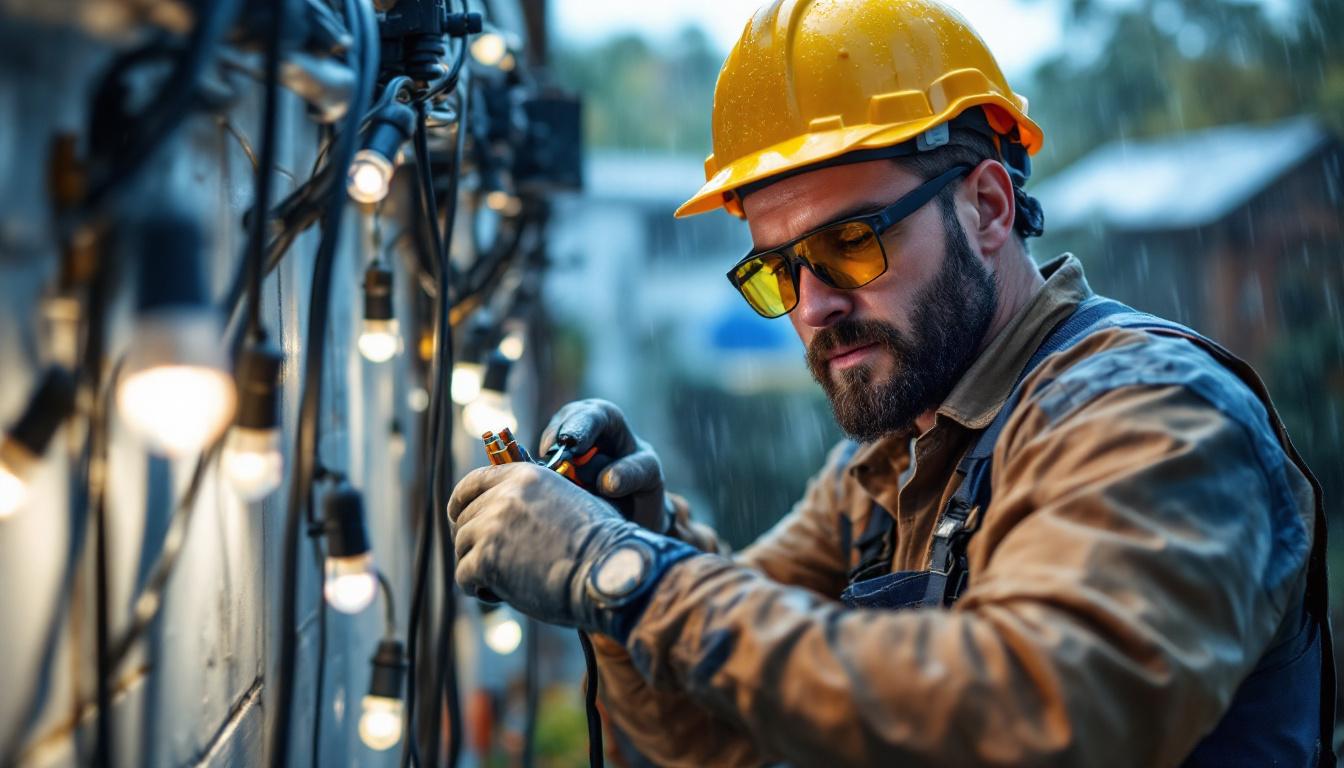
For lighting contractors, ensuring the longevity and reliability of electrical connections is paramount. One of the most critical aspects of this task is splicing wires in a waterproof manner. This not only protects the integrity of the electrical system but also ensures safety and compliance with industry standards. However, achieving effective waterproof splices presents numerous challenges that contractors must navigate. This article delves into the top challenges faced by lighting contractors when splicing wires waterproof, along with practical solutions and best practices.
Understanding the Importance of Waterproof Splices
Waterproof splices are essential in outdoor lighting applications, where exposure to moisture can lead to corrosion, short circuits, and ultimately, system failure. These splices ensure that electrical connections remain intact and functional, even in adverse weather conditions. The significance of waterproofing cannot be overstated, as it not only prolongs the lifespan of the lighting installation but also enhances safety for users. By preventing water ingress, waterproof splices help maintain the integrity of electrical systems, reducing the risk of electrical fires and ensuring that lights operate reliably when needed most, such as during storms or heavy rainfall.
Moreover, many jurisdictions have stringent regulations regarding electrical installations, particularly in outdoor environments. Adhering to these standards is crucial for contractors to avoid penalties and ensure the safety of their projects. Understanding the importance of waterproof splices is the first step in overcoming the challenges associated with them. In addition to compliance with local codes, using waterproof splices can also improve the overall performance of electrical systems. For instance, these splices can minimize voltage drops and maintain consistent power delivery, which is particularly important for energy-efficient LED lighting systems that are increasingly popular in modern installations.
Furthermore, the technology behind waterproof splices has evolved significantly, with advancements in materials and design that enhance their effectiveness. Many modern splices utilize heat-shrink tubing and gel-filled connectors that provide superior sealing against moisture and contaminants. This innovation not only simplifies installation but also ensures a more durable and reliable connection. As outdoor lighting continues to grow in popularity, understanding the various types of waterproof splices available on the market can empower electricians and contractors to make informed decisions that will benefit their projects in the long run.
Common Challenges in Waterproof Splicing
1. Selecting the Right Materials
One of the foremost challenges in achieving waterproof splices is the selection of appropriate materials. Contractors must choose wires, connectors, and sealing compounds that can withstand moisture and environmental factors. Not all materials are created equal; some may degrade faster than others when exposed to water, UV light, or extreme temperatures.
For instance, using connectors that are not rated for outdoor use can lead to premature failure. Similarly, the insulation material of the wires must be compatible with the sealing methods employed. Contractors should consider using materials specifically designed for outdoor applications, such as heat-shrink tubing with adhesive lining or gel-filled connectors, to enhance the reliability of their splices. Additionally, it is crucial to evaluate the specific environmental conditions where the splices will be installed. For example, coastal areas may require materials that resist saltwater corrosion, while regions with heavy snowfall might need insulation that can withstand freezing temperatures without becoming brittle.
2. Proper Installation Techniques
Even with the right materials, improper installation can compromise the waterproof integrity of splices. Lighting contractors must be well-versed in best practices for splicing wires, including stripping the insulation correctly, aligning the wires properly, and ensuring a secure connection. Each step in the installation process is crucial to achieving a reliable waterproof splice.
For example, failing to strip the wire insulation adequately can lead to exposed conductors, which increases the risk of moisture ingress. Additionally, contractors should be mindful of the environmental conditions during installation. Performing splices in wet or humid conditions can hinder the effectiveness of sealing compounds and lead to subpar results. It is also beneficial to utilize tools like crimping devices that ensure a tight fit, as loose connections can create gaps that allow water to seep in. Furthermore, implementing a systematic approach to installation, such as following a checklist, can help ensure that no critical steps are overlooked, ultimately enhancing the durability of the splices.
3. Testing and Verification
After completing the waterproof splicing, testing and verification are essential to ensure that the connections are secure and functioning as intended. Many contractors overlook this step, assuming that if the splice looks good, it will perform well. However, visual inspections can be misleading, and electrical testing is necessary to confirm the integrity of the splices.
Using tools such as multimeters can help contractors verify continuity and check for any potential faults. Additionally, conducting pressure tests on sealed connections can provide further assurance that the splices are waterproof. Implementing a thorough testing protocol can help identify issues before they escalate, saving contractors time and resources in the long run. Beyond basic electrical testing, it may also be advantageous to conduct long-term monitoring of the splices, especially in critical applications. This could involve periodic inspections or the use of moisture sensors that alert contractors to potential leaks before they cause significant damage. By prioritizing rigorous testing and ongoing maintenance, contractors can ensure that their waterproof splices remain reliable over time, even in challenging conditions.
Best Practices for Waterproof Splicing
1. Invest in Quality Materials
Quality should never be compromised when it comes to waterproof splicing. Investing in high-quality materials will pay off in the long run by reducing the likelihood of failures and costly repairs. Seek out reputable suppliers that offer products specifically designed for waterproof applications. Look for certifications and ratings that indicate the materials’ durability and resistance to environmental factors.
Moreover, consider the compatibility of materials. For instance, if using heat-shrink tubing, ensure that it is compatible with the type of wire insulation being used. This attention to detail will contribute to the overall effectiveness of the waterproof splice.
2. Follow Manufacturer Guidelines
Each product comes with its own set of manufacturer guidelines and recommendations for installation. Adhering to these instructions is crucial for achieving optimal performance. Whether it’s the recommended temperature for applying sealants or the specific technique for using connectors, following these guidelines can help avoid common pitfalls.
Additionally, manufacturers often provide valuable resources, such as installation videos or technical support, that can assist contractors in achieving the best results. Taking advantage of these resources can enhance the quality of work and improve overall project outcomes.
3. Continuous Training and Education
The field of electrical contracting is constantly evolving, with new materials and techniques emerging regularly. To remain competitive and ensure the highest quality of work, contractors should prioritize continuous training and education. This can include attending workshops, participating in webinars, or obtaining certifications related to waterproof splicing.
Staying informed about the latest advancements in materials and technologies can empower contractors to make informed decisions and improve their splicing techniques. Furthermore, fostering a culture of learning within a contracting team can lead to better collaboration and enhanced project outcomes.
Addressing Environmental Factors
1. Moisture and Humidity
Moisture is one of the most significant threats to the integrity of electrical splices. In regions with high humidity or frequent rainfall, contractors must take extra precautions to ensure that splices remain waterproof. This may involve using additional sealing methods, such as silicone sealants or waterproof enclosures, to provide an extra layer of protection.
In addition, contractors should be mindful of the placement of splices. Elevating splices above potential water accumulation points, such as low-lying areas or puddles, can help mitigate the risk of moisture ingress. Planning the layout of electrical systems with environmental factors in mind is essential for achieving long-lasting results.
2. Temperature Fluctuations
Temperature fluctuations can also impact the effectiveness of waterproof splices. Extreme heat can cause materials to expand, while cold temperatures can lead to contraction. These changes can create gaps in splices, allowing moisture to penetrate. Selecting materials that can withstand a range of temperatures is crucial for maintaining splice integrity.
Contractors should also consider the thermal properties of the materials they use. For instance, certain adhesives may lose their effectiveness at high temperatures, while others may become brittle in cold conditions. Understanding the thermal characteristics of materials can help contractors make informed choices that enhance the durability of their splices.
3. UV Exposure
Ultraviolet (UV) exposure is another environmental factor that can degrade materials over time. Many outdoor lighting installations are subjected to direct sunlight, which can cause connectors and insulation to break down. Choosing UV-resistant materials is essential for ensuring the longevity of waterproof splices.
In addition to selecting UV-resistant materials, contractors should also consider protective measures, such as using covers or enclosures that shield splices from direct sunlight. Implementing these strategies can help prolong the life of electrical connections and reduce the likelihood of failures.
Conclusion
Splicing wires waterproof is a critical aspect of lighting installations, particularly in outdoor settings. While the challenges associated with achieving effective waterproof splices can be daunting, they are not insurmountable. By understanding the importance of waterproofing, selecting quality materials, following best practices, and addressing environmental factors, lighting contractors can enhance the reliability and longevity of their electrical systems.
Continuous education and training are essential for staying ahead in the industry and ensuring that contractors are equipped with the knowledge and skills necessary to tackle these challenges. Ultimately, the commitment to quality and safety will lead to successful projects and satisfied clients, solidifying a contractor’s reputation in the competitive lighting market.
Get Your Waterproof Splicing Supplies at LumenWholesale
Ready to tackle the challenges of waterproof splicing with confidence? LumenWholesale is here to support you with a vast array of spec-grade lighting products designed to meet the rigorous demands of outdoor installations. Our commitment to quality and affordability means you can access the best materials for your waterproof splicing needs without the burden of inflated markups. Plus, with free shipping on bulk orders, you can stock up on everything you need while keeping costs low. Don’t let environmental factors compromise your lighting projects. Choose LumenWholesale for Wholesale Lighting at the Best Value and make every splice count.