Understanding Solar Powered Wire Lights: What Lighting Contractors Need to Know
Solar powered wire lights have become a popular choice for both residential and commercial lighting projects. These lights offer a unique blend of energy efficiency, ease of installation, and aesthetic appeal. For lighting contractors, understanding the technical and practical aspects of these systems is crucial to delivering reliable, high-quality installations that satisfy client demands.
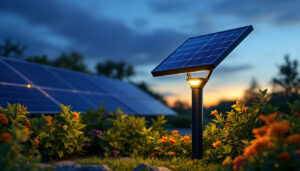
Unlike traditional wired lighting systems, solar powered wire lights operate independently of the electrical grid. They harness sunlight through photovoltaic panels, converting it into electrical energy stored in batteries. This stored energy powers the LED lights after dark, creating an eco-friendly illumination solution that reduces energy costs and simplifies wiring logistics.
Contractors should note that solar wire lights come in various configurations, including string lights, fairy lights, and festoon styles. Each has distinct applications, from accentuating garden pathways to illuminating outdoor event spaces. Choosing the right type depends on the project’s scale, desired lighting effect, and environmental conditions.
Moreover, the efficiency of solar powered wire lights can vary significantly based on factors such as geographical location, seasonal weather patterns, and the orientation of the solar panels. Contractors should consider conducting a site assessment to determine the optimal placement for solar panels to maximize sunlight exposure. This proactive approach not only enhances the performance of the lighting system but also ensures that clients receive the best possible value for their investment.
Additionally, advancements in solar technology have led to the development of smart solar powered wire lights that can be controlled via mobile apps. These innovative systems allow users to adjust brightness levels, set timers, and even change colors, providing a customizable lighting experience. As clients increasingly seek smart home integrations, lighting contractors should familiarize themselves with these cutting-edge options to stay competitive in the market and meet evolving consumer preferences.
Key Advantages of Solar Powered Wire Lights for Contractors
Energy Efficiency and Cost Savings
One of the most compelling reasons to recommend solar wire lights is their energy efficiency. Since they rely on solar energy, these lights drastically reduce electricity consumption. This translates into significant savings on utility bills for clients, a strong selling point when pitching sustainable lighting solutions.
Additionally, because solar lights operate independently of the electrical grid, they eliminate the need for trenching, conduit installation, or complex wiring. This reduces labor costs and shortens installation time, allowing contractors to complete projects faster and more profitably. Furthermore, many solar lights come equipped with advanced features such as motion sensors and timers, which optimize energy use even further. By only activating when needed, these lights not only enhance security but also contribute to even greater energy savings, making them an attractive option for budget-conscious clients.
Flexibility in Installation
Solar powered wire lights are highly versatile. They can be installed in locations where running electrical wiring would be impractical or expensive, such as remote gardens, pergolas, or temporary event setups. Their lightweight design and wireless operation enable contractors to create dynamic lighting arrangements without the constraints of power outlets or cable management.
Moreover, many solar wire lights come with adjustable mounting options, including hooks, clips, and stakes, allowing for easy customization on-site. This flexibility is particularly valuable for contractors managing diverse projects with varying aesthetic and functional requirements. In addition, the ability to reposition lights easily means that contractors can adapt to changes in client preferences or site conditions, ensuring that the final installation meets all expectations. The ease of installation and adaptability can also enhance client satisfaction, leading to positive referrals and repeat business.
Environmental Impact and Client Appeal
Environmental consciousness is increasingly influencing consumer choices. Solar powered lighting aligns perfectly with this trend, offering a renewable energy solution that reduces carbon footprints. Contractors who promote solar lighting options position themselves as forward-thinking professionals committed to sustainability.
Clients often appreciate the low maintenance and long lifespan of LED solar lights, which further enhances the appeal. These factors can differentiate a contractor’s service offerings in a competitive market. Additionally, many solar lights are designed with aesthetically pleasing features, such as decorative lanterns or modern fixtures, which can enhance the visual appeal of outdoor spaces. This combination of functionality and style not only meets practical needs but also resonates with clients looking to create inviting environments. By showcasing these benefits, contractors can effectively tap into the growing demand for eco-friendly and visually appealing lighting solutions.
Technical Considerations for Successful Solar Wire Light Installations
Assessing Site Conditions and Solar Exposure
Before installation, a thorough site assessment is essential. Solar panels require direct sunlight to charge efficiently, so identifying areas with adequate sun exposure is critical. Shaded locations, dense foliage, or structures that block sunlight can severely impact performance.
Contractors should use tools like solar pathfinders or smartphone apps to evaluate sun exposure throughout the day. This data helps determine optimal panel placement and anticipate potential charging issues, ensuring clients receive consistent lighting performance.
Battery Capacity and Runtime Expectations
Battery size and quality directly affect how long the lights will operate after sunset. Lighting contractors need to select systems with batteries that match the project’s lighting duration requirements. For instance, a garden pathway lighting project may require a battery capable of powering lights for 8-10 hours, while decorative event lighting might only need 4-6 hours.
Understanding the difference between lithium-ion and lead-acid batteries is also important. Lithium-ion batteries generally offer longer lifespans, faster charging, and better performance in varying temperatures, albeit at a higher initial cost. Lead-acid batteries may be more budget-friendly but can degrade faster and require more maintenance.
LED Quality and Light Output
Not all LED solar wire lights are created equal. Contractors should prioritize products with high-quality LEDs that provide consistent brightness and color temperature. Look for lights with a high lumen output relative to their power consumption to maximize efficiency.
Color temperature choices can influence the ambiance. Warm white LEDs (around 2700K to 3000K) create a cozy, inviting atmosphere, while cooler whites (4000K to 5000K) offer a brighter, more modern look. Matching the light color to the client’s vision is key to satisfaction.
Installation Best Practices for Lighting Contractors
Planning and Layout Design
Successful solar wire light installations begin with a detailed plan. Contractors should work closely with clients to understand their lighting goals, preferred aesthetics, and functional needs. Mapping out the layout on paper or using design software can prevent costly mistakes and ensure even light distribution.
Consider spacing between lights carefully. Too close, and the effect may be overwhelming; too far apart, and the illumination may be insufficient. Typical spacing ranges from 12 to 24 inches for fairy lights and 2 to 3 feet for festoon lights, depending on brightness and intended use.
Securing and Protecting Components
Properly securing solar panels is vital to prevent damage or theft. Panels should be mounted on sturdy surfaces with appropriate hardware, angled to maximize sun exposure. Wiring and batteries must be protected from moisture and physical impact, often requiring weatherproof enclosures or covers.
When running wire lights, avoid sharp bends or tension that could damage the wiring. Use clips or hooks designed for outdoor use to maintain neat, secure installations. This attention to detail not only improves durability but also enhances the overall appearance.
Testing and Client Education
After installation, thorough testing is non-negotiable. Verify that panels charge correctly, batteries hold a charge, and lights operate as expected throughout the night. Address any issues before handing the project over to the client.
Educate clients on basic maintenance, such as cleaning solar panels regularly and checking for obstructions. Providing this information helps ensure long-term satisfaction and reduces service calls for the contractor.
Common Challenges and How to Overcome Them
Dealing with Inconsistent Sunlight
Cloudy weather, seasonal changes, and shaded environments can reduce solar charging efficiency. To mitigate this, contractors can recommend larger panels or higher-capacity batteries to compensate for lower sunlight availability. In some cases, hybrid systems that combine solar with low-voltage power sources may be appropriate.
Battery Degradation and Replacement
Batteries inevitably degrade over time, leading to reduced runtime. Contractors should inform clients about expected battery lifespans and offer maintenance or replacement services. Using high-quality batteries and protecting them from extreme temperatures can extend their useful life.
Vandalism and Theft Prevention
Outdoor lighting installations are vulnerable to vandalism or theft, especially in public or accessible areas. Secure mounting, tamper-resistant hardware, and discreet placement of batteries and controllers can reduce risks. In some cases, surveillance or lighting with integrated motion sensors may deter unwanted interference.
Expanding Business Opportunities with Solar Powered Wire Lights
Lighting contractors who master solar powered wire light installations can tap into a growing market segment focused on sustainability and outdoor aesthetics. Offering solar solutions can differentiate a business, attract eco-conscious clients, and open doors to new project types like outdoor events, landscape lighting, and holiday decorations.
Training staff on solar technology and staying updated with product innovations will position contractors as trusted experts. Collaborating with suppliers to access the latest, most reliable solar lighting products ensures that installations meet high standards and client expectations.
Incorporating solar powered wire lights into a contractor’s portfolio not only aligns with environmental trends but also enhances profitability through reduced labor and material costs. It’s a strategic move that combines technical skill with market insight.
Illuminate Your Projects with LumenWholesale
Ready to elevate your lighting installations with the efficiency and elegance of solar powered wire lights? At LumenWholesale, we provide lighting contractors with the highest quality, spec-grade solar lighting solutions at unbeatable wholesale prices. Say goodbye to inflated markups and hello to a vast selection of reliable, high-performance products that meet the strictest industry standards. Plus, with free shipping on bulk orders, you can stock up on premium lighting without worrying about hidden fees or compromises. Don’t miss out on the perfect combination of quality, affordability, and convenience. Make the smart choice for your business and explore our collection at the best value today.