Introduction to Solar Powered Flickering Lanterns
In the ever-evolving landscape of outdoor lighting, solar-powered flickering lanterns are gaining traction among lighting contractors. These innovative fixtures not only provide aesthetic appeal but also contribute to energy efficiency and sustainability. However, many contractors overlook the potential benefits and applications of these lanterns, missing out on opportunities to enhance their projects.
This article delves into the features, benefits, and common misconceptions surrounding solar-powered flickering lanterns. By understanding these aspects, lighting contractors can better serve their clients and elevate their project offerings.
Solar-powered flickering lanterns are designed to mimic the warm glow of traditional candlelight, creating an inviting atmosphere for outdoor spaces such as gardens, patios, and walkways. These lanterns often come equipped with advanced LED technology that not only enhances their flickering effect but also ensures a longer lifespan compared to conventional lighting options. The integration of solar panels allows these lanterns to harness sunlight during the day, converting it into energy that powers the lights at night, making them a practical choice for eco-conscious consumers.
Moreover, the versatility of solar-powered flickering lanterns makes them suitable for various applications, from residential settings to commercial events. They can be strategically placed to illuminate pathways, accentuate landscaping features, or even serve as decorative elements during outdoor gatherings. With a range of designs available—from classic styles to modern aesthetics—contractors can cater to diverse client preferences, ensuring that each installation not only meets functional needs but also complements the overall design of the space.
Understanding Solar Technology
How Solar Panels Work
At the heart of solar-powered lighting is the photovoltaic (PV) technology that converts sunlight into electricity. Solar panels are made up of numerous solar cells that absorb sunlight and generate direct current (DC) electricity. This electricity can then be stored in batteries for later use, ensuring that the lanterns remain illuminated even after the sun sets.
Lighting contractors should familiarize themselves with the efficiency ratings of various solar panels. Higher efficiency panels can capture more sunlight, leading to better performance in low-light conditions. This knowledge can significantly impact the quality of lighting solutions provided to clients. Additionally, the angle and orientation of solar panels play a crucial role in their efficiency. Proper installation, taking into account local weather patterns and seasonal changes, can maximize exposure to sunlight, thereby enhancing the overall performance of the solar lighting system.
Battery Storage and Longevity
The longevity of solar-powered lanterns is heavily influenced by the quality of the battery used for storage. Many contractors overlook the importance of selecting the right battery type, which can affect the lantern’s performance and lifespan. Lithium-ion batteries, for example, offer longer life cycles and better performance compared to traditional lead-acid batteries.
Moreover, understanding the charging cycles and discharge rates of batteries can help contractors recommend lanterns that meet their clients’ specific needs. This attention to detail can enhance customer satisfaction and lead to repeat business. In addition, it is essential to educate clients on how to maintain their solar lighting systems. Regular cleaning of the solar panels and ensuring that the batteries are not overcharged can significantly prolong the life of the entire system. By providing clients with this knowledge, contractors can empower them to take better care of their investments, ultimately leading to a more sustainable and efficient lighting solution.
Benefits of Solar Powered Flickering Lanterns
Energy Efficiency
One of the most significant advantages of solar-powered flickering lanterns is their energy efficiency. These fixtures harness renewable energy, reducing reliance on traditional power sources. This not only lowers electricity bills for homeowners but also contributes to a greener environment.
Lighting contractors can leverage this benefit in their marketing strategies, positioning solar lanterns as a cost-effective and eco-friendly lighting solution. By doing so, they can attract environmentally conscious clients who prioritize sustainability in their projects.
Versatility in Design
Solar-powered flickering lanterns come in a variety of designs, making them suitable for diverse applications. From garden pathways to outdoor patios, these lanterns can enhance the aesthetic appeal of any space. Their flickering effect mimics the warm glow of traditional candles, creating a cozy atmosphere without the fire hazards associated with open flames.
Contractors should consider the versatility of these lanterns when designing outdoor spaces. By incorporating different styles and sizes, they can create visually striking environments that cater to their clients’ tastes and preferences.
Low Maintenance Requirements
Another often-overlooked benefit of solar-powered lanterns is their low maintenance requirements. Unlike traditional lighting systems, which may require regular bulb replacements and electrical maintenance, solar lanterns are largely self-sufficient. With no wiring or external power sources needed, installation is straightforward and hassle-free.
Contractors can save time and resources by recommending solar lanterns, allowing them to focus on other aspects of their projects. This can lead to increased efficiency and improved project timelines, ultimately benefiting both the contractor and the client.
Common Misconceptions About Solar Lanterns
Performance in Low Light Conditions
One prevalent misconception is that solar-powered lanterns perform poorly in low light or shaded areas. While it is true that solar panels require sunlight to charge effectively, advancements in technology have led to the development of solar lanterns that can operate efficiently even in partially shaded environments.
Lighting contractors should educate their clients about the importance of proper placement and the selection of high-quality solar lanterns. By understanding the product specifications and performance capabilities, contractors can dispel myths and provide accurate information to clients.
Initial Costs vs. Long-Term Savings
Another common misconception is that the initial investment in solar-powered lanterns is too high compared to traditional lighting solutions. While it is true that solar lanterns may have a higher upfront cost, the long-term savings on electricity bills and maintenance can offset this expense significantly.
Contractors can help clients see the bigger picture by presenting a cost-benefit analysis that highlights the potential savings over time. This approach not only justifies the initial investment but also positions solar lanterns as a smart financial choice.
Integrating Solar Lanterns into Lighting Designs
Complementing Existing Lighting Systems
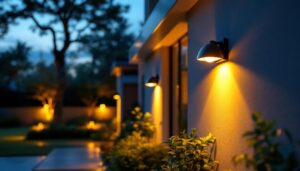
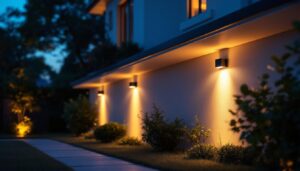
Integrating solar-powered flickering lanterns into existing lighting systems can enhance the overall ambiance of outdoor spaces. By strategically placing these lanterns alongside traditional lighting fixtures, contractors can create layered lighting that adds depth and interest to the environment.
Consideration of color temperature and brightness levels is essential when blending solar lanterns with other lighting sources. This ensures a harmonious aesthetic that meets the client’s vision while maximizing functionality.
Creating a Cohesive Outdoor Experience
When designing outdoor spaces, it is crucial to create a cohesive experience that aligns with the client’s lifestyle and preferences. Solar-powered flickering lanterns can serve as focal points or accents, guiding the eye and enhancing the overall design.
Contractors should take the time to understand the client’s needs, preferences, and how they intend to use the outdoor space. This information can guide the selection and placement of solar lanterns, ensuring they complement the overall design and functionality.
Installation Considerations
Site Assessment
Before installation, a thorough site assessment is essential. Factors such as sunlight exposure, landscape features, and existing structures can influence the performance of solar-powered lanterns. Lighting contractors should evaluate these elements to determine the optimal placement for maximum efficiency.
Additionally, understanding the local climate can help contractors choose lanterns that are durable and weather-resistant. This consideration can prevent potential issues down the line, ensuring that the lanterns perform well throughout their lifespan.
Proper Placement for Maximum Efficiency
Proper placement of solar lanterns is crucial for their effectiveness. Ideally, they should be positioned in areas that receive ample sunlight during the day. This may involve adjusting the landscape or relocating existing elements that obstruct sunlight.
Contractors should also consider the angle of the solar panels, ensuring they face the sun for optimal charging. By taking these factors into account, contractors can maximize the performance of solar-powered lanterns and enhance customer satisfaction.
Marketing Solar Powered Lanterns to Clients
Educating Clients on Benefits
When marketing solar-powered flickering lanterns, education is key. Lighting contractors should take the initiative to inform clients about the numerous benefits these lanterns offer. This includes energy savings, environmental impact, and the aesthetic appeal they bring to outdoor spaces.
Providing clients with brochures, demonstrations, or even virtual presentations can help convey the advantages effectively. The more informed clients are, the more likely they are to embrace solar solutions in their projects.
Showcasing Successful Installations
One effective way to market solar-powered lanterns is by showcasing successful installations. Before-and-after photos, testimonials, and case studies can illustrate the transformative impact of these lanterns in various settings.
Contractors can leverage social media platforms, websites, and local community events to share these success stories. This not only builds credibility but also inspires potential clients to consider solar-powered solutions for their own projects.
Conclusion
Solar-powered flickering lanterns represent a significant opportunity for lighting contractors to enhance their service offerings. By understanding the technology, benefits, and common misconceptions surrounding these fixtures, contractors can provide valuable insights to their clients.
Integrating solar lanterns into lighting designs not only elevates the aesthetic appeal of outdoor spaces but also aligns with the growing demand for sustainable solutions. As the industry continues to evolve, embracing solar technology will position lighting contractors as forward-thinking professionals committed to delivering innovative and environmentally friendly lighting solutions.
Ultimately, the potential of solar-powered flickering lanterns is vast, and those who recognize and harness this potential will undoubtedly stand out in a competitive market.
Illuminate Your Projects with LumenWholesale
Ready to take your lighting projects to the next level with solar-powered flickering lanterns? At LumenWholesale, we offer an exceptional range of spec-grade lighting products that combine quality, affordability, and convenience. Say goodbye to inflated markups and hello to superior lighting solutions that will make your installations shine. With our commitment to hassle-free bulk buying and free shipping, you can trust that you’re getting the best value for your investment. Elevate your outdoor lighting designs today by visiting Wholesale Lighting at the Best Value and discover how we can help you stand out in the competitive market with innovative and sustainable lighting options.