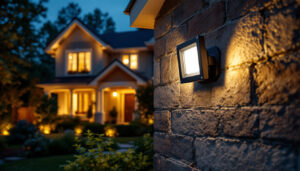
As the demand for sustainable and energy-efficient solutions continues to rise, solar-powered driveway entrance lights have emerged as a popular choice among homeowners and lighting contractors alike. These lights not only enhance the aesthetic appeal of a property but also provide safety and security. This guide aims to equip lighting contractors with the knowledge and insights needed to effectively incorporate solar-powered driveway entrance lights into their projects.
Understanding Solar-Powered Lighting
Solar-powered lights operate by converting sunlight into electricity through photovoltaic cells. This technology allows them to function independently of the electrical grid, making them an environmentally friendly option. For lighting contractors, understanding the mechanics behind solar lighting is crucial for installation and maintenance.
How Solar Lighting Works
At the core of solar lighting systems are solar panels that capture sunlight during the day. This energy is stored in batteries, which power the lights after sunset. Most solar lights come equipped with sensors that automatically turn the lights on at dusk and off at dawn, providing convenience for homeowners.
Additionally, advancements in solar technology have led to improved efficiency and longer-lasting batteries. Many modern solar lights utilize LED bulbs, which consume less energy and provide brighter illumination, making them suitable for driveway entrances. The integration of smart technology has also enhanced solar lighting systems, allowing for remote control and programming via smartphone apps. This feature not only increases user convenience but also enables homeowners to customize lighting schedules based on their specific needs.
Benefits of Solar-Powered Driveway Entrance Lights
There are numerous advantages to installing solar-powered driveway entrance lights. Firstly, they are cost-effective as they eliminate the need for electrical wiring and reduce energy bills. Secondly, they are environmentally friendly, contributing to a reduction in carbon footprint.
Moreover, solar lights are relatively easy to install, requiring minimal tools and expertise. This simplicity allows contractors to complete projects more efficiently, enhancing client satisfaction. Lastly, solar lights provide an added layer of security by illuminating dark areas, deterring potential intruders. In addition to these benefits, solar-powered lights can also enhance the aesthetic appeal of a property. With various designs and styles available, homeowners can choose fixtures that complement their landscape and architecture, creating a welcoming ambiance. Furthermore, the ability to place lights in remote areas without the hassle of wiring opens up new possibilities for creative outdoor lighting designs, allowing for pathways, gardens, and other outdoor features to be beautifully highlighted at night.
Choosing the Right Solar-Powered Lights
When selecting solar-powered driveway entrance lights, several factors should be considered to ensure optimal performance and aesthetic appeal. Lighting contractors must evaluate the specific needs of each project to recommend the best solutions.
Light Output and Brightness
The brightness of solar lights is measured in lumens. For driveway entrances, lights should typically emit at least 100 lumens to ensure adequate visibility. Contractors should consider the surrounding environment and the desired ambiance when selecting the appropriate brightness level.
In addition to lumens, the color temperature of the light is essential. Warmer tones (around 2700K to 3000K) create a welcoming atmosphere, while cooler tones (above 4000K) provide a more modern look. Understanding the client’s preferences will guide the selection process. Furthermore, it is beneficial to take into account how the light will interact with the natural surroundings. For instance, if the driveway is lined with lush greenery, warmer tones can enhance the natural beauty of the landscape, while cooler tones may clash with the organic elements, creating an uninviting contrast.
Battery Capacity and Solar Panel Size
The efficiency of solar lights largely depends on the battery capacity and the size of the solar panel. A larger solar panel can capture more sunlight, leading to longer operating times. Similarly, a battery with a higher capacity will store more energy, allowing the lights to function effectively during cloudy days or in shaded areas.
Contractors should assess the installation location to determine the optimal size of the solar panel and battery. For areas with limited sunlight, selecting lights with larger panels and batteries will ensure reliability. It’s also worth noting that advancements in solar technology have led to more efficient panels that can generate power even in low-light conditions. This means that even in regions with less sun exposure, high-quality solar lights can still perform admirably, offering a sustainable lighting solution without compromising on functionality.
Durability and Weather Resistance
Solar-powered driveway entrance lights must withstand various weather conditions. Therefore, it is essential to choose lights that are made from durable materials and have a high IP (Ingress Protection) rating. A rating of IP65 or higher indicates that the lights are resistant to dust and water, making them suitable for outdoor use.
Additionally, consider the warranty offered by manufacturers. A longer warranty period often reflects the quality and durability of the product, providing peace of mind for both contractors and clients. Beyond the warranty, it’s also prudent to investigate the materials used in the construction of the lights. For instance, aluminum and high-grade plastics are often preferred for their resistance to corrosion and rust, ensuring that the lights remain functional and visually appealing over time. Furthermore, features such as impact resistance can be crucial in areas prone to severe weather or where the lights may be subject to accidental bumps or knocks, enhancing their longevity and reliability in outdoor settings.
Installation Tips for Lighting Contractors
Installing solar-powered driveway entrance lights requires careful planning and execution. By following best practices, lighting contractors can ensure a successful installation that meets client expectations.
Site Assessment
Before installation, conduct a thorough site assessment to identify the best locations for the lights. Factors such as sunlight exposure, landscape features, and the layout of the driveway should be taken into account. Ideally, lights should be placed in areas that receive direct sunlight for most of the day to maximize energy absorption.
Additionally, consider the spacing between lights. A general rule of thumb is to place lights 10 to 15 feet apart, depending on the brightness and desired illumination level. This spacing will ensure even coverage and enhance the overall aesthetic of the entrance.
Proper Mounting Techniques
When mounting solar lights, ensure that they are securely anchored to prevent movement or damage from wind and weather. Many solar lights come with stakes for easy installation in soft ground, while others may require brackets for mounting on walls or fences.
For optimal performance, position the solar panels at an angle that maximizes sun exposure. This may involve adjusting the height and tilt of the panels to capture sunlight effectively throughout the day.
Testing and Adjustments
After installation, it is crucial to test the lights to ensure they function correctly. Check the brightness levels at night and make adjustments as necessary. If certain areas are not adequately illuminated, consider repositioning the lights or adding additional units.
Encourage clients to monitor the performance of their solar lights, especially during the first few weeks after installation. This proactive approach will help identify any issues early on and ensure client satisfaction.
Maintenance of Solar-Powered Driveway Entrance Lights
While solar-powered lights require less maintenance than traditional lighting systems, some care is necessary to ensure longevity and optimal performance. Lighting contractors should educate clients on proper maintenance practices.
Regular Cleaning
Dust, dirt, and debris can accumulate on solar panels, reducing their efficiency. Regular cleaning of the panels is essential to maintain optimal performance. A simple wipe with a damp cloth or sponge will suffice, ensuring that the panels remain clear and capable of capturing sunlight effectively.
Additionally, check the light fixtures for any signs of wear or damage. Replacing bulbs or components as needed will help maintain the aesthetic appeal and functionality of the lights.
Battery Maintenance
Most solar lights come with rechargeable batteries that may need replacement after a few years of use. Educating clients about the signs of battery deterioration, such as dimming lights or shorter operating times, will help them know when to replace the batteries.
Encourage clients to store the lights indoors during extreme weather conditions, such as heavy snow or storms, to prolong the lifespan of the batteries and other components.
Common Challenges and Solutions
Despite the many benefits of solar-powered driveway entrance lights, contractors may encounter challenges during installation and maintenance. Understanding these challenges and their solutions can enhance project success.
Insufficient Sunlight Exposure
One of the most common challenges is insufficient sunlight exposure due to trees, buildings, or other obstructions. In such cases, contractors should assess alternative locations for the lights or consider using solar lights with larger panels and batteries that can operate effectively in lower light conditions.
Another option is to install lights with motion sensors that only activate when movement is detected, conserving battery life while still providing illumination when needed.
Battery Performance Issues
Battery performance can be affected by extreme temperatures and prolonged periods of cloudy weather. In regions with harsh climates, contractors should recommend solar lights designed to withstand temperature fluctuations and have robust battery systems.
Additionally, educating clients on the importance of regular maintenance and battery replacement will help mitigate performance issues over time.
Conclusion
Solar-powered driveway entrance lights represent a sustainable and efficient lighting solution for homeowners. By understanding the technology, selecting the right products, and following best practices for installation and maintenance, lighting contractors can successfully incorporate these lights into their projects.
As the market for solar lighting continues to grow, staying informed about advancements in technology and trends will position contractors as experts in the field. This knowledge will not only enhance client satisfaction but also contribute to a more sustainable future.
Illuminate Your Projects with LumenWholesale
Ready to elevate your lighting projects with solar-powered driveway entrance lights that blend sustainability with performance? Look no further than LumenWholesale. We offer contractors an exceptional range of spec-grade lighting products at unbeatable wholesale prices. Our commitment to quality and affordability means you can access the best in solar lighting technology without the burden of inflated markups. With free shipping on bulk orders, LumenWholesale is your go-to source for premium lighting solutions that meet the highest industry standards. Don’t compromise on quality or value—choose LumenWholesale for Wholesale Lighting at the Best Value and light up your next project with confidence.