Understanding the Importance of Wall Lights in Commercial and Residential Projects
Wall lights are more than just functional fixtures; they define ambiance, enhance architectural features, and improve safety. For lighting contractors, mastering the selection and installation of wall lights can elevate a project’s quality and client satisfaction. Whether working on a residential renovation or a commercial build, the right wall lighting transforms spaces, making them inviting and practical.
Many contractors underestimate how wall lights contribute to a layered lighting design. Unlike overhead lighting, wall fixtures add dimension by creating pools of light and subtle shadows. This interplay can highlight textures, artwork, or structural elements, turning a simple wall into a focal point. Understanding this impact is crucial when advising clients or choosing products.
Moreover, wall lights can be strategically placed to guide movement within a space, enhancing both functionality and aesthetics. In commercial settings, such as restaurants or retail stores, wall lighting can direct customers’ attention to specific areas, like product displays or menu boards, thereby influencing purchasing decisions. In residential projects, well-placed wall sconces can create a warm, inviting atmosphere in hallways or living rooms, making these areas feel more expansive and welcoming. The versatility of wall lights allows for creative expression, enabling contractors to tailor designs that reflect the unique character of each space.
Additionally, the technological advancements in lighting have expanded the possibilities for wall fixtures. With options ranging from energy-efficient LEDs to smart lighting systems that can be controlled via mobile devices, contractors have more tools at their disposal to meet client needs. These modern solutions not only enhance the aesthetic appeal but also promote sustainability by reducing energy consumption. As clients become increasingly eco-conscious, offering innovative wall lighting solutions can set a contractor apart in a competitive market, showcasing a commitment to both style and environmental responsibility.
Choosing the Right Wall Lights: Key Factors to Consider
Assessing the Space and Purpose
Before recommending wall lights, evaluate the space’s function and layout. Is the area primarily for task lighting, accent lighting, or general illumination? For example, in a hallway, wall sconces might provide enough ambient light to guide foot traffic safely. Meanwhile, in a dining room, wall lights can complement chandeliers and pendant lights to create a warm, inviting atmosphere. The interplay of light and shadow can significantly enhance the mood of a space, making it essential to choose fixtures that not only illuminate but also add character.
Consider the height and width of walls, ceiling height, and existing natural light. These factors influence the size, style, and brightness of the wall lights you select. A narrow corridor might benefit from slim, vertical fixtures that don’t protrude, while a large living room could accommodate statement sconces with broader light spread. Additionally, think about the color temperature of the bulbs used in the fixtures; warmer tones can evoke coziness, while cooler tones might be more suitable for modern, clean aesthetics. Experimenting with dimmers can also provide flexibility, allowing the lighting to adapt to different activities and moods throughout the day.
Matching Style and Finish to the Project
Wall lights come in a myriad of styles—from sleek, modern designs to ornate, vintage-inspired pieces. For contractors, aligning the fixture style with the client’s aesthetic and the building’s architecture is essential. A contemporary office space might call for minimalist LED sconces, whereas a historic home could require fixtures with classic detailing and warm finishes like bronze or brass. It’s also worth considering how the wall lights will interact with other elements in the room, such as furniture, artwork, and color schemes, to create a cohesive look.
Finish durability is another consideration. In commercial or outdoor settings, opt for corrosion-resistant materials and finishes that withstand environmental factors. This ensures longevity and reduces maintenance calls, which clients appreciate. Furthermore, the choice of glass shades or diffusers can impact both the quality of light emitted and the overall aesthetic. Frosted or textured glass can soften the light and create a more diffused glow, while clear glass can highlight the bulb itself, adding a decorative touch. Understanding these nuances can help in selecting wall lights that not only serve their functional purpose but also enhance the overall design narrative of the space.
Technical Considerations for Installation and Performance
Electrical Requirements and Safety Codes
Lighting contractors must be vigilant about electrical codes and safety standards when installing wall lights. Confirm the voltage compatibility of fixtures with the building’s wiring system. For instance, low-voltage wall lights require transformers, which must be correctly sized and installed to prevent flickering or failure.
Ground fault circuit interrupters (GFCIs) are mandatory for wall lights in wet or damp locations, such as bathrooms or outdoor porches. Ensuring proper grounding and secure mounting prevents hazards and liability issues. Staying updated on local electrical codes is non-negotiable for professional contractors. Additionally, it is crucial to consider the overall energy efficiency of the lighting system. Utilizing LED fixtures not only reduces energy consumption but also minimizes heat output, which can prolong the lifespan of the fixtures and reduce the risk of overheating. Contractors should also educate clients on the benefits of smart lighting systems that can be integrated into wall lights, allowing for remote control and scheduling, which enhances both convenience and energy savings.
Optimal Placement and Mounting Techniques
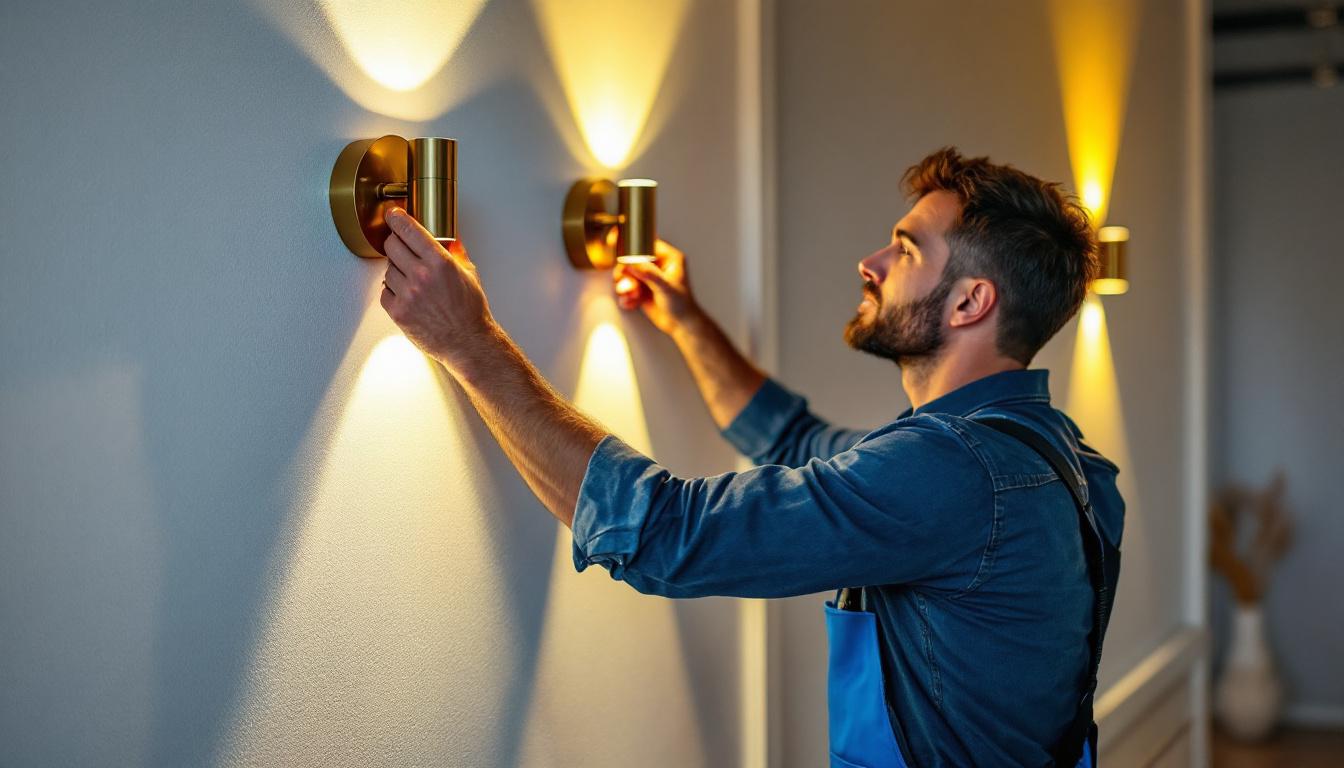
Placement affects both functionality and aesthetics. Generally, wall lights should be mounted at eye level—about 60 to 66 inches from the floor—to provide comfortable illumination without glare. In stairwells or corridors, spacing fixtures evenly ensures consistent light distribution.
Use mounting brackets and hardware specified by the manufacturer to guarantee stability. For heavier or larger fixtures, additional support may be necessary to prevent sagging or detachment over time. Proper wiring concealment behind walls or within junction boxes maintains a clean look and reduces fire risk. Furthermore, considering the surrounding decor and the purpose of the lighting is essential; for example, wall lights in a gallery setting should be positioned to highlight artwork without creating harsh shadows. In residential spaces, layering light sources by combining wall lights with ceiling fixtures can create a warm and inviting atmosphere, enhancing the overall design while ensuring adequate illumination for various activities.
Energy Efficiency and Modern Lighting Technologies
Incorporating LED and Smart Lighting Solutions
LED technology has revolutionized wall lighting. LEDs offer longer lifespans, lower energy consumption, and reduced heat output compared to traditional incandescent or halogen bulbs. For contractors, specifying LED-compatible fixtures or retrofitting existing ones with LED modules can deliver significant energy savings to clients.
Smart lighting integration is gaining traction in both residential and commercial markets. Wall lights with dimming capabilities, color temperature adjustment, and remote control enhance user experience. Lighting contractors should familiarize themselves with popular smart platforms and compatible fixtures to offer cutting-edge solutions.
Balancing Brightness and Color Temperature
Choosing the right brightness (measured in lumens) and color temperature (Kelvin scale) is vital. Warm white light (2700K–3000K) creates cozy environments, ideal for living rooms and bedrooms. Cooler white light (3500K–4100K) suits task-oriented areas like kitchens or offices. For outdoor wall lights, a neutral white (4000K) ensures clear visibility without harshness.
Overly bright or harsh lighting can cause discomfort and reduce the perceived quality of a space. Consulting with clients about their preferences and intended use helps tailor the lighting design effectively.
Maintenance and Longevity: Tips for Contractors
Ensuring Easy Access and Serviceability
Wall lights should be installed with maintenance in mind. Fixtures that are difficult to reach or require specialized tools for bulb replacement can frustrate clients and increase service calls. Where possible, select designs that allow easy access to bulbs or LED modules.
Educate clients on routine cleaning and bulb replacement schedules. Dust and grime can diminish light output and fixture lifespan. Providing maintenance tips as part of your service builds trust and encourages repeat business.
Using Quality Components and Professional Installation Practices
Investing in high-quality fixtures and components pays off in durability and client satisfaction. Cheap or poorly made wall lights often lead to early failures or safety issues. As a contractor, sourcing from reputable manufacturers and verifying product certifications ensures reliability.
Professional installation practices-such as secure wiring, proper sealing in damp areas, and adherence to manufacturer instructions-minimize callbacks and warranty claims. Documenting installation details also supports future troubleshooting and client communication.
Common Challenges and How to Overcome Them
Dealing with Uneven Walls and Limited Space
Older buildings or renovations often present uneven wall surfaces, complicating fixture mounting. Use adjustable mounting plates or shims to achieve a level installation. In tight spaces, consider compact or recessed wall lights to avoid obstruction and maintain aesthetic balance.
Managing Client Expectations and Budget Constraints
Clients sometimes prioritize cost over quality, which can lead to dissatisfaction with lighting performance. Educate them on the long-term benefits of investing in quality wall lights, including energy savings and reduced maintenance. Offering tiered options and explaining trade-offs helps clients make informed decisions.
Final Thoughts: Elevating Your Wall Lighting Expertise
Wall lights are a critical component of any lighting project. For contractors, mastering their selection, installation, and maintenance opens doors to higher-quality work and satisfied clients. Staying informed about the latest technologies, adhering to safety standards, and understanding design principles will set you apart in a competitive market.
Every wall light you install is an opportunity to showcase craftsmanship and enhance a space’s character. Approach each project with attention to detail and a commitment to excellence, and your reputation as a lighting contractor will shine just as brightly as the fixtures you install.
Illuminate Your Projects with LumenWholesale
Ready to elevate your lighting projects with premium wall lights that combine quality, affordability, and convenience? Look no further than LumenWholesale. Our extensive selection of spec-grade lighting products is designed to meet the needs of discerning contractors like you. By cutting out the middleman, we offer unbeatable wholesale prices without sacrificing performance. Plus, with free shipping on bulk orders, you can stock up on superior lighting solutions and keep your projects shining bright. Don’t compromise on quality or value—choose LumenWholesale for Wholesale Lighting at the Best Value and make your next installation a masterpiece.