Understanding Solar Outdoor Up Lights
Outdoor up lighting is a staple in landscape and architectural illumination, enhancing aesthetics and security. Solar outdoor up lights have surged in popularity due to their energy efficiency and ease of installation. These fixtures harness sunlight through photovoltaic panels, converting it into electrical energy stored in rechargeable batteries. This self-sustaining power source eliminates the need for wiring, making them attractive for many outdoor projects.
For lighting contractors, solar up lights offer a unique blend of flexibility and sustainability. They can be positioned almost anywhere without worrying about proximity to electrical outlets or complex trenching. This freedom can reduce labor costs and installation time significantly, especially in large or remote areas. Additionally, the portability of these lights allows for seasonal adjustments; homeowners can easily reposition them to highlight different features of their landscape as the seasons change, ensuring that the outdoor space remains dynamic and inviting throughout the year.
Key Features of Solar Up Lights
Solar up lights typically come with LED bulbs, which are known for their longevity and low power consumption. The integration of smart sensors, such as dusk-to-dawn or motion sensors, enhances their functionality, allowing lights to operate only when necessary. This feature not only conserves energy but also extends the lifespan of the fixtures. Furthermore, many modern solar up lights are designed with adjustable brightness settings, enabling users to customize the intensity of the illumination based on their specific needs or preferences, whether for a cozy evening gathering or a more vibrant outdoor event.
Another advantage is their low maintenance requirements. Since they do not rely on external wiring, there’s less risk of electrical faults or damage from weather conditions. However, their performance depends heavily on the availability of sunlight, which can vary based on geographic location and seasonal changes. To maximize efficiency, many manufacturers now offer models equipped with advanced battery technology that can store more energy, allowing the lights to function effectively even during cloudy days or in regions with less sunlight. Additionally, many solar up lights are constructed with durable materials designed to withstand harsh weather, ensuring longevity and reliable performance in various climates.
Comparing Solar Up Lights to Traditional Wired Lighting
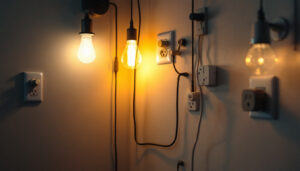
Traditional wired outdoor lighting has been the go-to solution for decades. These systems connect directly to the electrical grid, offering consistent power and brightness levels. However, they come with their own set of challenges, particularly in terms of installation complexity and ongoing operational costs.
Installation and Labor Considerations
Wired lighting requires trenching, conduit installation, and electrical connections, which can be labor-intensive and time-consuming. For contractors, this means higher upfront costs and the need for specialized skills or subcontractors. In contrast, solar up lights are plug-and-play, requiring minimal groundwork. This can be a decisive factor for projects with tight deadlines or limited budgets. Moreover, the ease of installation with solar lights allows for greater flexibility in design and placement, enabling homeowners and businesses to experiment with different lighting configurations without the fear of incurring additional labor costs.
Operational Costs and Energy Consumption
Once installed, wired lighting draws electricity continuously, contributing to higher utility bills. While LED technology has reduced power consumption, the cumulative cost over time can be significant, especially for large-scale installations. Solar up lights, by contrast, operate entirely on free solar energy, eliminating ongoing electricity expenses. Additionally, many solar lights come equipped with energy-efficient features such as motion sensors and dimming capabilities, allowing them to conserve energy further. This not only enhances their sustainability but also extends the lifespan of the lighting units, making them a cost-effective choice in the long run.
Reliability and Performance
Wired systems offer consistent illumination regardless of weather or daylight conditions. Solar lights, however, depend on adequate sunlight to recharge. In areas with frequent cloud cover or short daylight hours, their performance may be compromised. Lighting contractors should evaluate site-specific conditions to determine if solar is a viable option. Furthermore, advancements in solar technology have led to the development of high-efficiency solar panels and improved battery storage solutions, which can mitigate some of the performance issues associated with solar lights. These innovations allow solar up lights to operate effectively even during overcast days or in regions with less sunlight, making them increasingly reliable for a wider range of environments.
Battery Life and Maintenance: What Contractors Need to Know
The heart of any solar lighting system is its battery. Most solar up lights use lithium-ion or nickel-metal hydride batteries, each with distinct advantages and limitations. Understanding these can help contractors advise clients accurately and plan maintenance schedules.
Battery Lifespan and Replacement
Typically, solar light batteries last between two to five years, depending on quality and usage patterns. Batteries degrade over time, leading to reduced run times and brightness. Contractors should inform clients about this lifecycle and factor battery replacement into long-term maintenance plans.
Regular inspection of battery health can prevent unexpected failures. Some advanced solar fixtures come with battery status indicators or smart monitoring systems, which can be valuable for managing large installations.
Environmental Impact and Disposal
Battery disposal is an important consideration. Lithium-ion batteries require proper recycling to avoid environmental harm. Lighting contractors should encourage responsible disposal practices and consider partnering with certified recycling facilities.
Design Flexibility and Aesthetic Impact
Outdoor up lighting is as much about design as it is about function. The choice between solar and wired options can influence the creative possibilities available to contractors.
Placement and Adjustability
Solar up lights offer unparalleled placement freedom since they don’t require wiring. This allows for creative positioning in gardens, pathways, or architectural features that might be inaccessible or cost-prohibitive for wired fixtures. Many solar models come with adjustable heads and mounts, enabling precise light direction and beam shaping.
Light Quality and Color Temperature
While solar LED technology has improved, some wired fixtures still offer superior brightness and a wider range of color temperatures. For projects demanding specific lighting effects or high illumination levels, wired options might be preferable. However, solar lights are closing this gap, with many models now offering adjustable color temperatures and enhanced lumen output.
Cost Analysis: Initial Investment vs. Long-Term Savings
Budget considerations are critical when advising clients on lighting solutions. Solar up lights often have a higher upfront cost per fixture compared to basic wired LEDs. However, this initial expense must be weighed against installation savings and ongoing operational costs.
Installation Costs
Eliminating trenching and electrical work can reduce labor and material expenses significantly. For contractors, this means faster project turnaround and potentially higher profit margins. In contrast, wired systems may require permits, inspections, and skilled electricians, adding to the total cost.
Energy and Maintenance Savings
Solar lighting’s zero electricity consumption translates to immediate savings on utility bills. Over the lifespan of the fixtures, these savings can offset the initial investment multiple times. Maintenance costs for solar lights are generally lower but include periodic battery replacements, which should be budgeted accordingly.
When to Choose Solar Up Lights: Practical Scenarios
Solar outdoor up lights are not a one-size-fits-all solution. Understanding when they make the most sense can help contractors deliver optimal results.
Remote or Hard-to-Wire Locations
Sites without easy access to power grids, such as parks, rural properties, or temporary event spaces, benefit greatly from solar lighting. The ease of installation and independence from electrical infrastructure make solar up lights ideal in these contexts.
Eco-Friendly and Sustainable Projects
Clients increasingly value sustainability. Solar lighting aligns with green building practices and can contribute to certifications like LEED. Contractors can leverage this trend by offering solar options as part of environmentally responsible designs.
Temporary or Seasonal Installations
For installations that are temporary or change seasonally, solar up lights provide flexibility without the hassle of rewiring or dismantling electrical systems. This is particularly useful for holiday lighting, outdoor festivals, or construction site illumination.
Limitations and Challenges of Solar Up Lights
No technology is without drawbacks. Recognizing the limitations of solar up lights ensures contractors set realistic expectations and avoid potential pitfalls.
Dependence on Sunlight
Solar panels require direct sunlight to recharge effectively. Shaded areas, dense foliage, or urban environments with tall buildings can reduce solar exposure, leading to dimmer or shorter lighting periods. Contractors should conduct thorough site assessments to evaluate solar viability.
Battery Degradation and Weather Effects
Extreme temperatures can affect battery performance and lifespan. In very cold or hot climates, solar lights may underperform or require more frequent maintenance. Additionally, heavy snowfall or debris can cover solar panels, hindering energy collection.
Brightness and Coverage Limitations
While solar LEDs have improved, they may not match the intensity or range of wired fixtures powered by the grid. For applications requiring high lumen output or extensive coverage, solar may not be sufficient.
Final Considerations for Lighting Contractors
Choosing between solar outdoor up lights and traditional wired alternatives depends on multiple factors: project scope, budget, site conditions, client priorities, and long-term maintenance plans. Solar lighting offers compelling benefits in flexibility, sustainability, and operational cost savings, but it is not universally superior.
Contractors should approach each project with a tailored strategy, weighing the pros and cons carefully. Combining solar and wired solutions within a single project can sometimes provide the best balance of aesthetics, functionality, and cost-effectiveness.
Ultimately, informed decision-making backed by thorough site analysis and client consultation will ensure successful outdoor lighting installations that meet both performance and budgetary goals.
Illuminate Your Projects with LumenWholesale
Ready to elevate your lighting installations with the best in solar outdoor up lights and traditional options? Look no further than LumenWholesale. We provide contractors with the highest quality, spec-grade lighting products at unbeatable wholesale prices. Say goodbye to local distributor markups and hello to a vast selection of reliable, high-performance lighting that meets the most rigorous industry standards. With free shipping on bulk orders, LumenWholesale is your go-to source for premium lighting at the best value. Don’t compromise on quality or cost. Explore our collection now and bring unparalleled quality, affordability, and convenience to your next project.