Introduction to Solar Lighting
In recent years, solar lighting has gained significant traction in the landscape and architectural lighting sectors. This growing interest stems from the increasing demand for sustainable solutions that not only reduce energy costs but also minimize environmental impact. For lighting contractors, understanding the nuances of solar lighting systems is essential to meet client expectations and stay competitive in the market.
Solar lights harness the power of the sun to illuminate outdoor spaces, making them an attractive option for various applications, including pathways, gardens, and security lighting. However, the technology behind solar lights can be complex, and a thorough understanding is crucial for successful installation and maintenance.
One of the key components of solar lighting systems is the photovoltaic (PV) panel, which converts sunlight into electricity. These panels are typically made from silicon and are designed to be highly efficient, even in low-light conditions. Advances in technology have led to the development of flexible solar panels that can be integrated into various design elements, allowing for more creative applications in lighting. Additionally, the use of LED bulbs in conjunction with solar panels has revolutionized the industry, providing brighter illumination while consuming significantly less energy compared to traditional lighting solutions.
Moreover, the versatility of solar lighting extends beyond mere aesthetics; it also plays a vital role in enhancing safety and security in outdoor environments. For instance, strategically placed solar lights can deter criminal activity by illuminating dark areas, making properties less attractive to intruders. Furthermore, many modern solar lights come equipped with motion sensors, which not only conserve energy by activating only when needed but also provide an added layer of security. As municipalities and homeowners alike continue to prioritize eco-friendly solutions, the integration of solar lighting into urban planning and residential landscaping is expected to grow, paving the way for a brighter, more sustainable future.
Understanding Solar Lighting Components
To effectively work with solar lighting, it is important to grasp the key components that make up these systems. Each component plays a vital role in ensuring optimal performance and longevity.
Solar Panels
Solar panels, or photovoltaic (PV) cells, are the heart of any solar lighting system. They convert sunlight into electrical energy, which is stored in batteries for later use. The efficiency of the solar panel directly impacts the overall performance of the lighting system. When selecting solar lights, contractors should consider the panel’s wattage, size, and material, as these factors influence how much energy can be generated.
Batteries
Batteries store the energy collected by solar panels, allowing lights to function even when sunlight is not available. The type of battery used can affect both the performance and lifespan of the solar lighting system. Lithium-ion batteries are becoming increasingly popular due to their longer life cycles and faster charging capabilities compared to traditional lead-acid batteries. It’s crucial for contractors to understand the battery specifications to ensure they meet the energy demands of the lighting fixtures.
LED Fixtures
LEDs (Light Emitting Diodes) are the preferred choice for solar lighting due to their energy efficiency and longevity. Unlike traditional incandescent bulbs, LEDs consume significantly less power while providing the same level of brightness. When advising clients, contractors should highlight the benefits of LED technology, including lower energy costs and reduced maintenance needs.
Types of Solar Lighting Solutions
Solar lighting solutions come in various forms, each designed to serve specific purposes. Understanding these types can help contractors recommend the best options for their clients’ needs.
Pathway Lights
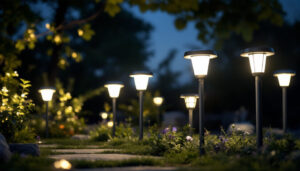
Pathway lights are commonly used to illuminate walkways, driveways, and garden paths. They enhance safety by providing visibility at night while also adding aesthetic appeal to outdoor spaces. When choosing pathway lights, contractors should consider their height, brightness, and design to ensure they fit seamlessly into the landscape.
Security Lights
Security solar lights are designed to deter intruders and enhance safety around residential or commercial properties. These lights often feature motion sensors that activate the light when movement is detected. Contractors should emphasize the importance of proper placement to maximize coverage and effectiveness.
Decorative Lights
Decorative solar lights add a touch of elegance to outdoor spaces, often used in gardens, patios, and outdoor entertainment areas. These lights come in various styles and designs, allowing contractors to cater to diverse aesthetic preferences. When recommending decorative options, it’s essential to balance style with functionality to ensure they provide adequate illumination.
Installation Considerations
Proper installation is crucial for the performance and longevity of solar lighting systems. Lighting contractors must take several factors into account to ensure successful implementation.
Site Assessment
Before installation, conducting a thorough site assessment is vital. This involves evaluating the amount of sunlight the location receives throughout the day, as well as identifying any potential obstructions, such as trees or buildings, that could cast shadows on the solar panels. A well-lit area will enhance the efficiency of the solar lighting system.
Placement and Orientation
The placement and orientation of solar panels are critical for maximizing energy absorption. Panels should ideally be positioned to receive direct sunlight for the longest duration possible. Contractors should also consider the angle of the panels, as this can impact their efficiency. A south-facing orientation is generally recommended in most regions.
Wiring and Connectivity
While many solar lights are designed to be wireless, some systems may require wiring for additional features or connectivity. Contractors should be familiar with the wiring requirements and ensure that all connections are secure and weatherproof to prevent any potential issues.
Maintenance and Troubleshooting
Although solar lighting systems are generally low-maintenance, periodic checks and maintenance are essential to ensure optimal performance. Understanding common issues and their solutions can help contractors provide better service to their clients.
Cleaning Solar Panels
Dust, dirt, and debris can accumulate on solar panels, reducing their efficiency. Regular cleaning is essential to maintain optimal performance. Contractors should advise clients to clean the panels periodically, especially after heavy storms or windy conditions. A soft cloth and mild detergent are typically sufficient for cleaning.
Battery Maintenance
Battery performance can degrade over time, affecting the overall functionality of the solar lighting system. Contractors should educate clients on the signs of battery failure, such as reduced lighting duration or dimming lights. Regularly checking battery connections and replacing batteries as needed can prolong the system’s lifespan.
Identifying Faulty Components
If solar lights are not functioning as expected, it may be due to faulty components. Contractors should be equipped to troubleshoot common issues, such as checking for loose connections, ensuring the solar panel is receiving adequate sunlight, and testing the battery. A systematic approach to diagnosing problems can save time and enhance client satisfaction.
Benefits of Solar Lighting for Clients
For lighting contractors, being able to articulate the benefits of solar lighting to clients is key to driving sales and ensuring customer satisfaction. Solar lighting solutions offer a range of advantages that can appeal to various client needs.
Cost Savings
One of the most compelling reasons clients opt for solar lighting is the potential for cost savings. By utilizing solar energy, clients can significantly reduce their electricity bills. Additionally, the low maintenance requirements associated with solar lights can lead to further savings over time.
Environmental Impact
As sustainability becomes a priority for many homeowners and businesses, solar lighting provides an eco-friendly solution. By harnessing renewable energy, clients can reduce their carbon footprint and contribute to a greener planet. Highlighting these environmental benefits can resonate with clients who prioritize sustainability in their purchasing decisions.
Enhanced Safety and Security
Solar lighting enhances safety and security around properties, making them a popular choice for both residential and commercial applications. Well-lit areas deter criminal activity and provide a sense of security for occupants. Contractors can emphasize these benefits when discussing solar lighting options with clients.
Challenges in Solar Lighting Implementation
Despite the numerous advantages, there are challenges associated with solar lighting that contractors must navigate. Understanding these challenges can help contractors provide realistic expectations to clients.
Initial Costs
While solar lighting can lead to long-term savings, the initial investment can be higher than traditional lighting systems. Clients may be hesitant to make this upfront investment, so contractors should be prepared to explain the long-term benefits and return on investment associated with solar lighting.
Performance Variability
The performance of solar lights can vary based on environmental conditions, such as weather and geographic location. In areas with limited sunlight, solar lights may not perform optimally. Contractors should assess the specific conditions of the installation site and provide clients with realistic expectations regarding performance.
Technological Advancements
The solar lighting industry is continually evolving, with new technologies and products emerging regularly. Contractors must stay informed about the latest advancements to provide clients with the most up-to-date solutions. This may involve ongoing education and training to keep pace with industry changes.
Conclusion
Solar lighting represents a significant opportunity for lighting contractors to expand their offerings and meet the growing demand for sustainable solutions. By understanding the components, types, installation considerations, and benefits of solar lighting, contractors can position themselves as knowledgeable experts in the field.
As the market for solar lighting continues to grow, those who invest the time to demystify this technology will be better equipped to serve their clients and thrive in a competitive landscape. Embracing solar lighting not only enhances business prospects but also contributes to a more sustainable future.
Illuminate Your Projects with LumenWholesale
Ready to harness the power of solar lighting and elevate your lighting projects? At LumenWholesale, we provide lighting contractors with the highest quality, spec-grade solar lighting products at unbeatable wholesale prices. Say goodbye to local distributor markups and hello to our premium selection that meets rigorous industry standards. With free shipping on bulk orders, you can trust that you’re getting the best value without any hidden fees. Make the smart choice for your business and your clients by choosing LumenWholesale for all your solar lighting needs. Wholesale Lighting at the Best Value is just a click away.