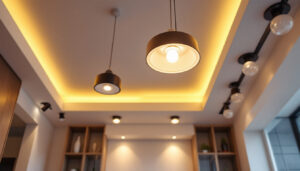
As the demand for industrial floor lamps continues to rise, lighting contractors must navigate a complex landscape of design, functionality, and compliance. Understanding the common pitfalls in selecting and installing these fixtures can significantly impact the success of a project. This guide aims to highlight critical mistakes to avoid when working with industrial floor lamps, ensuring that contractors deliver high-quality, efficient, and visually appealing lighting solutions.
Understanding the Basics of Industrial Floor Lamps
Industrial floor lamps are not merely functional lighting solutions; they are also design elements that contribute to the overall ambiance of a space. These lamps often feature robust materials and designs that reflect an industrial aesthetic, making them suitable for various applications, from warehouses to modern offices. With their unique combination of form and function, these lamps can serve as statement pieces that enhance the character of a room while providing necessary illumination.
Before diving into the common mistakes, it is essential to grasp the fundamental aspects of industrial floor lamps. This includes understanding the types of bulbs used, the importance of lumens and color temperature, and how these factors influence the overall effectiveness of the lighting. Additionally, the design and placement of these lamps can significantly impact both the functionality and aesthetic appeal of a space, making it crucial to consider how they interact with other elements in the room.
Types of Bulbs and Their Applications
When selecting bulbs for industrial floor lamps, contractors should consider the specific needs of the space. LED bulbs are increasingly popular due to their energy efficiency and long lifespan. However, incandescent and fluorescent options may still be relevant in certain contexts. For example, in settings where a warm, inviting glow is desired, incandescent bulbs may be preferable, while fluorescent bulbs can be a cost-effective choice for larger areas that require bright, even lighting.
Each type of bulb has its advantages and disadvantages. For example, while LED bulbs offer lower energy consumption, they may not provide the same warmth as incandescent bulbs. Understanding these nuances can help contractors make informed decisions that align with the client’s expectations. Furthermore, the choice of bulb can affect maintenance schedules and overall operational costs, making it essential to evaluate the long-term implications of each option. The right bulb not only enhances the functionality of the lamp but also complements the overall design scheme of the space.
Lumens and Color Temperature
Lumens measure the brightness of a light source, while color temperature affects the ambiance of a room. Contractors should ensure that the selected industrial floor lamps provide adequate lumens for the intended use. For instance, a workspace may require brighter lighting compared to a lounge area. In environments such as workshops or studios, where precision and attention to detail are paramount, higher lumen output can significantly improve visibility and reduce eye strain.
Color temperature, measured in Kelvin, also plays a crucial role in setting the mood. A cooler temperature (above 5000K) can enhance focus and productivity, while warmer temperatures (below 3000K) can create a cozy atmosphere. Balancing these elements is key to achieving the desired effect. Moreover, the interplay between lumens and color temperature can influence how colors are perceived within a space, which is particularly important in design-oriented environments. By carefully selecting both the brightness and the warmth of the light, contractors can create spaces that not only meet functional requirements but also foster a specific emotional response among occupants.
Common Mistakes to Avoid
Even seasoned lighting contractors can fall prey to common mistakes when working with industrial floor lamps. Identifying these pitfalls can save time, resources, and ultimately, client satisfaction.
Neglecting Space Planning
One of the most significant mistakes contractors make is neglecting space planning. Properly assessing the layout and purpose of a room is crucial in determining the placement and number of industrial floor lamps required. A well-planned lighting scheme enhances functionality and aesthetics.
Before installation, contractors should consider factors such as room dimensions, existing light sources, and the activities that will take place in the space. Failure to do so can result in inadequate lighting or an overly cluttered appearance, diminishing the overall effectiveness of the design. Furthermore, understanding how natural light interacts with artificial lighting can help in creating a balanced environment. For instance, in spaces with large windows, it might be beneficial to use dimmable lamps that can adjust to varying daylight conditions, ensuring that the lighting remains effective throughout the day.
Overlooking Safety Standards and Regulations
Safety should always be a priority when installing industrial floor lamps. Contractors must be aware of local codes and regulations that govern lighting installations. Overlooking these standards can lead to safety hazards and potential legal issues.
For instance, ensuring that lamps are securely anchored and that electrical components are properly installed can prevent accidents. Additionally, using lamps that are rated for the specific environment—such as damp or wet locations—can further enhance safety and compliance. It is also critical to consider the potential for glare and how it might affect workers in the space. Proper shielding and placement can mitigate these issues, creating a safer and more comfortable work environment. Regular inspections and maintenance checks can further ensure that all installations remain compliant and safe over time.
Ignoring Energy Efficiency
In today’s environmentally conscious market, energy efficiency is more important than ever. Contractors should avoid the mistake of selecting industrial floor lamps without considering their energy consumption. Opting for energy-efficient models not only reduces operational costs but also aligns with sustainability goals.
LED lamps, for example, consume significantly less energy than traditional incandescent bulbs. By prioritizing energy efficiency, contractors can provide clients with long-term savings and a reduced carbon footprint. Additionally, it is worth exploring smart lighting solutions that can adapt to the needs of the space, such as occupancy sensors and programmable timers. These technologies can further enhance energy savings by ensuring that lights are only on when needed, thereby maximizing efficiency and minimizing waste. Educating clients about the benefits of energy-efficient lighting can also foster a sense of responsibility and encourage them to make informed choices that benefit both their business and the environment.
Design Considerations
Design plays a pivotal role in the success of any lighting project. Industrial floor lamps should not only be functional but also complement the overall aesthetic of the space. Here are some design considerations to keep in mind.
Choosing the Right Style
The style of the industrial floor lamp should align with the overall design theme of the space. Whether the goal is to achieve a minimalist look or a more eclectic vibe, the lamp’s design should enhance the environment rather than detract from it.
Contractors should consider various styles, such as vintage, modern, or rustic, and select lamps that resonate with the client’s vision. This attention to detail can elevate the project and create a cohesive look throughout the space.
Color and Finish
Color and finish are critical elements that can influence the perception of a room. Industrial floor lamps come in various colors and finishes, from matte black to polished brass. Contractors should consider the existing color palette and materials in the space to ensure harmony.
For example, a matte black lamp may work well in a contemporary setting, while a polished brass finish could add warmth to a more traditional environment. Thoughtful selection of color and finish can significantly enhance the overall aesthetic appeal.
Installation Best Practices
Proper installation is essential for maximizing the performance and longevity of industrial floor lamps. Following best practices not only ensures safety but also enhances the overall effectiveness of the lighting solution.
Proper Wiring and Connections
When installing industrial floor lamps, attention to wiring and connections is paramount. Contractors must ensure that all electrical components are securely connected and comply with local codes. This includes using appropriate wiring methods and ensuring that all connections are insulated and protected from moisture.
Additionally, using high-quality components can prevent future issues, such as flickering lights or electrical failures. Investing time in proper installation will pay off in the long run by reducing maintenance needs and enhancing safety.
Adjustability and Flexibility
Many industrial floor lamps offer adjustable features that allow users to direct light where it is needed most. Contractors should take advantage of these features during installation. Ensuring that lamps can be easily adjusted or repositioned can enhance their functionality and adaptability in the space.
For example, in a workspace, having the ability to direct light towards specific areas can improve productivity and reduce eye strain. Contractors should educate clients on how to utilize these features effectively.
Maintenance and Longevity
Once industrial floor lamps are installed, maintenance becomes a key consideration. Educating clients about proper care can extend the life of the fixtures and maintain their aesthetic appeal.
Regular Cleaning and Care
Dust and grime can accumulate on industrial floor lamps, affecting their performance and appearance. Contractors should advise clients on regular cleaning routines to keep the lamps looking their best. This may include using a soft cloth to wipe down surfaces and checking for any signs of wear or damage.
In addition to cleaning, contractors should recommend periodic inspections to ensure that all components are functioning correctly. This proactive approach can prevent minor issues from escalating into significant problems.
Replacing Bulbs and Components
As bulbs reach the end of their lifespan, it is essential to replace them promptly to maintain optimal lighting levels. Contractors should inform clients about the expected lifespan of the bulbs used and provide guidance on how to replace them safely.
Moreover, if any components—such as switches or cords—show signs of wear, they should be replaced immediately. Keeping a stock of replacement parts can facilitate quick repairs and minimize downtime.
Conclusion
In the world of industrial floor lamps, avoiding common mistakes can lead to successful projects and satisfied clients. By understanding the basics of lighting, recognizing potential pitfalls, and adhering to best practices in design and installation, lighting contractors can elevate their work and deliver exceptional results.
Ultimately, the key to success lies in a combination of knowledge, attention to detail, and a commitment to quality. By prioritizing these elements, contractors can ensure that their lighting solutions not only meet but exceed client expectations.
Illuminate Your Projects with LumenWholesale
Ready to enhance your lighting projects with the best industrial floor lamps on the market? Look no further than LumenWholesale, where we provide contractors with exceptional, spec-grade lighting products at unbeatable wholesale prices. Say goodbye to inflated markups and hello to a vast selection of top-quality lighting that meets the highest industry standards. With free shipping on bulk orders, you can trust that you’re getting premium lighting at the best value — all without hidden fees or compromises. Elevate your lighting solutions today by visiting Wholesale Lighting at the Best Value and experience the LumenWholesale difference.