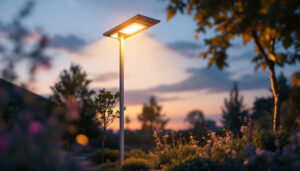
Introduction to Solar Lights with Remote Solar Panels
As the lighting industry increasingly embraces sustainable and energy-efficient solutions, solar lights with remote solar panels have emerged as a game-changer for contractors. These systems offer flexibility, improved performance, and easier installation compared to traditional integrated solar lighting units. For lighting contractors, understanding the nuances of these setups is essential to delivering high-quality, reliable lighting solutions that meet client expectations and regulatory standards.
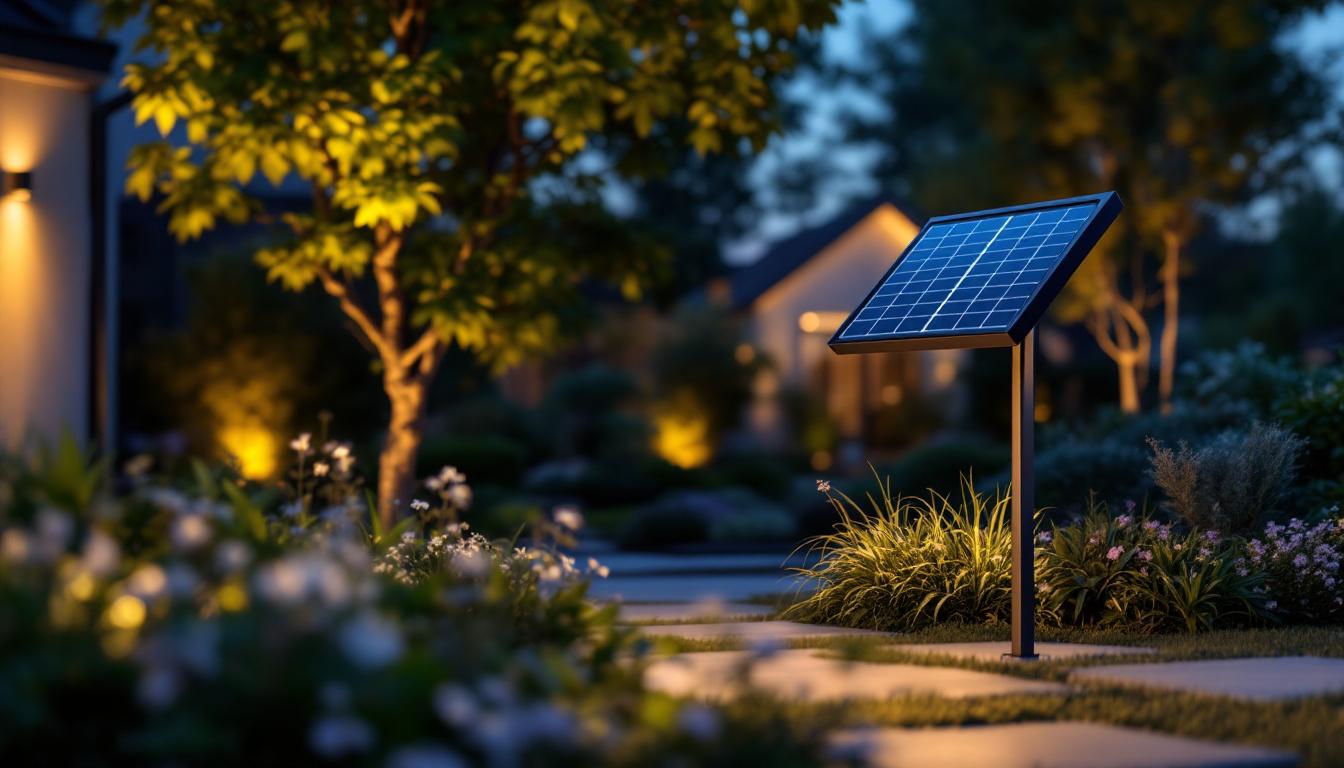
Remote solar panel systems separate the photovoltaic (PV) panel from the light fixture itself, allowing for optimized placement of the solar panel to maximize sun exposure. This separation can significantly enhance energy capture and extend the operational life of the lighting unit. However, it also introduces new considerations in design, installation, and maintenance that contractors must be prepared to address.
One of the primary benefits of remote solar panels is their adaptability to various environments. For instance, in shaded areas where trees or buildings may obstruct sunlight, contractors can position the solar panel in a more favorable location while keeping the light fixture in the desired spot. This flexibility not only ensures optimal performance but also opens up new possibilities for creative lighting designs in landscapes, pathways, and outdoor spaces. Additionally, the ability to adjust the angle and orientation of the solar panel can further enhance energy absorption, making these systems particularly effective in regions with variable weather conditions.
Moreover, advancements in battery technology complement the effectiveness of remote solar lighting systems. Many modern units are equipped with high-capacity lithium-ion batteries that can store more energy and provide longer illumination times, even during cloudy days or in winter months when sunlight is limited. This increased reliability is crucial for contractors who need to assure their clients of consistent performance. Furthermore, many systems now come with smart technology features, such as motion sensors and remote controls, allowing for greater energy efficiency and user convenience. These innovations not only improve the functionality of solar lights but also enhance their appeal to environmentally conscious consumers looking for sustainable lighting solutions.
Key Benefits of Solar Lights with Remote Solar Panels
Optimized Solar Panel Placement
One of the primary advantages of remote solar panels is the ability to position the panel in the most sun-exposed location, independent of the light fixture’s placement. This is particularly beneficial in urban environments or shaded areas where rooftop or pole-mounted solar panels can be placed to avoid shadows from buildings, trees, or other obstructions.
By maximizing solar exposure, these systems improve energy efficiency and ensure consistent power generation, which is critical for maintaining reliable lighting throughout the night. Furthermore, this strategic positioning can lead to significant energy savings, as the panels can capture sunlight more effectively, especially during peak hours. As a result, users can enjoy longer-lasting illumination without the worry of running out of power, even on cloudy days.
Enhanced Aesthetic and Functional Flexibility
Separating the solar panel from the light fixture allows contractors and designers to select lighting fixtures that best suit the aesthetic and functional requirements of the project without compromising on solar panel placement. This flexibility is especially important in historic districts, commercial centers, or residential areas where visual impact and design continuity are priorities.
Additionally, remote solar panels can be mounted on rooftops, walls, or poles, freeing the light fixture to be installed at optimal heights and angles for illumination rather than energy capture. This design freedom not only enhances the overall look of the space but also allows for innovative lighting solutions tailored to specific needs. For example, decorative fixtures can be integrated into landscape designs, while functional lighting can be optimized for safety in public areas, creating a harmonious blend of form and function.
Improved Maintenance and Longevity
Remote solar panel systems often simplify maintenance by allowing easy access to the solar panels without disturbing the light fixtures. Panels can be cleaned, inspected, or replaced independently, reducing downtime and labor costs.
Moreover, because the panels can be installed in less harsh conditions (e.g., away from street-level dust or vandalism), their operational lifespan can be extended, improving the overall return on investment for the lighting system. This longevity is further enhanced by the use of durable materials and advanced technology in solar panel design, which can withstand varying weather conditions. As a result, users can expect not only reduced maintenance frequency but also a more sustainable lighting solution that contributes to lower environmental impact over time.
Essential Pre-Installation Considerations
Site Assessment and Solar Exposure Analysis
Before installation, a thorough site assessment is crucial. Contractors should evaluate solar exposure throughout the year, considering seasonal sun angles and potential shading from nearby structures or vegetation. Tools such as solar pathfinders or digital modeling software can provide accurate shading analysis and help determine optimal solar panel placement.
Understanding the site’s solar potential directly influences system sizing and panel positioning, ensuring the solar light operates efficiently and meets the desired lighting duration and intensity.
Load and Power Requirements
Determining the power requirements of the lighting fixture is fundamental. Contractors must calculate the wattage of the LED or other light sources, factoring in the desired brightness (lumens) and operational hours. This calculation informs the size of the solar panel and battery capacity needed to sustain the light through the night and during periods of low sunlight.
For example, a high-output LED street light will require a larger solar panel and battery bank than a decorative pathway light. Accurate load assessment prevents under-sizing, which can lead to dim lighting or outages, and over-sizing, which increases costs unnecessarily.
Battery Selection and Placement
The battery is the heart of any solar lighting system, storing energy generated during the day for nighttime use. Contractors should select batteries based on capacity, chemistry (lithium-ion, AGM, or gel), lifespan, and environmental tolerance.
Remote solar panel systems often allow batteries to be housed separately from the light fixture and panel, such as in secure enclosures or electrical cabinets. This separation protects batteries from extreme weather, vandalism, or theft, and facilitates easier maintenance or replacement.
Installation Best Practices for Contractors
Mounting Solar Panels Correctly
Proper mounting of the solar panel is critical to system performance. Panels should be installed at an angle that maximizes solar exposure based on geographic location—typically between 15 and 45 degrees tilt—and oriented true south in the northern hemisphere or true north in the southern hemisphere.
Contractors must ensure secure mounting using corrosion-resistant hardware and consider wind load ratings to prevent damage during storms. Wiring from the panel to the battery and light fixture should be weatherproof and protected from physical damage.
Ensuring Quality Electrical Connections
Electrical connections between the solar panel, battery, and light fixture must be made with high-quality, weatherproof connectors to prevent corrosion and electrical faults. Using connectors rated for outdoor use and ensuring proper sealing against moisture ingress is essential for long-term reliability.
Additionally, contractors should verify correct polarity and use appropriate gauge wiring to minimize voltage drop, especially if the solar panel is mounted at a distance from the battery and light fixture.
Integrating Smart Controls and Sensors
Modern solar lighting systems often incorporate smart controls such as motion sensors, dimming capabilities, and remote monitoring. These features optimize energy use and enhance security and user experience.
Contractors should be familiar with integrating these controls during installation, ensuring sensors are positioned to detect movement accurately without false triggers and that control units are accessible for programming and maintenance.
Maintenance and Troubleshooting Tips
Regular Cleaning and Inspection
Solar panels require periodic cleaning to remove dust, bird droppings, and debris that can reduce efficiency. Contractors should advise clients on maintenance schedules, typically recommending cleaning every 3 to 6 months depending on environmental conditions.
Visual inspections should also check for physical damage, loose connections, or corrosion. Early detection of issues can prevent system failures and extend the lifespan of the lighting installation.
Battery Health Monitoring
Battery performance degrades over time, impacting the lighting system’s reliability. Contractors should implement routine checks of battery voltage, charge cycles, and physical condition. Some systems include battery management systems (BMS) that provide real-time data and alerts.
Replacing batteries before complete failure ensures continuous operation and avoids emergency service calls that can be costly and disruptive.
Addressing Common Issues
Common problems in solar light systems with remote panels include insufficient illumination, flickering lights, or complete outages. These issues often stem from shading, dirty panels, battery failure, or wiring faults.
Contractors should systematically troubleshoot by verifying panel orientation and cleanliness, testing battery voltage and connections, and checking for damaged wiring or faulty controllers. A methodical approach reduces downtime and improves customer satisfaction.
Compliance and Safety Considerations
Adhering to Electrical Codes and Standards
Lighting contractors must ensure installations comply with local electrical codes and standards such as the National Electrical Code (NEC) or equivalent regional regulations. Proper grounding, circuit protection, and use of certified components are mandatory to guarantee safety and code compliance.
Failure to adhere to these standards can result in liability issues, failed inspections, and unsafe installations.
Environmental and Site-Specific Regulations
Some jurisdictions have specific regulations concerning solar panel installations, especially in historic districts or environmentally sensitive areas. Contractors should verify zoning laws, permitting requirements, and any restrictions on panel placement or appearance before proceeding.
Engaging with local authorities early in the project planning phase can prevent costly delays and ensure smooth project execution.
Conclusion: Delivering Excellence with Remote Solar Panel Lighting Systems
Solar lights with remote solar panels represent a sophisticated and versatile solution for modern lighting projects. For lighting contractors, mastering the technical and practical aspects of these systems is essential to providing clients with efficient, durable, and aesthetically pleasing lighting solutions.
By conducting thorough site assessments, selecting appropriate components, following best installation practices, and committing to regular maintenance, contractors can maximize system performance and client satisfaction. As sustainability becomes a priority across industries, expertise in solar lighting with remote panels positions contractors at the forefront of innovation and environmental stewardship.
Illuminate Your Projects with LumenWholesale
Ready to elevate your lighting projects with the efficiency and sustainability of remote solar panel systems? At LumenWholesale, we provide lighting contractors with the highest quality, spec-grade solar lighting products at unbeatable wholesale prices. Say goodbye to local distributor markups and hello to superior lighting solutions that meet the strictest industry standards. With our hassle-free bulk buying and free shipping, you can trust that you’re getting premium lighting at the best value — all without hidden fees or compromises. Enhance your lighting projects and lead the way in innovation and environmental stewardship with LumenWholesale. Wholesale Lighting at the Best Value.