Introduction to Solar Lamp Stands in Modern Lighting Projects
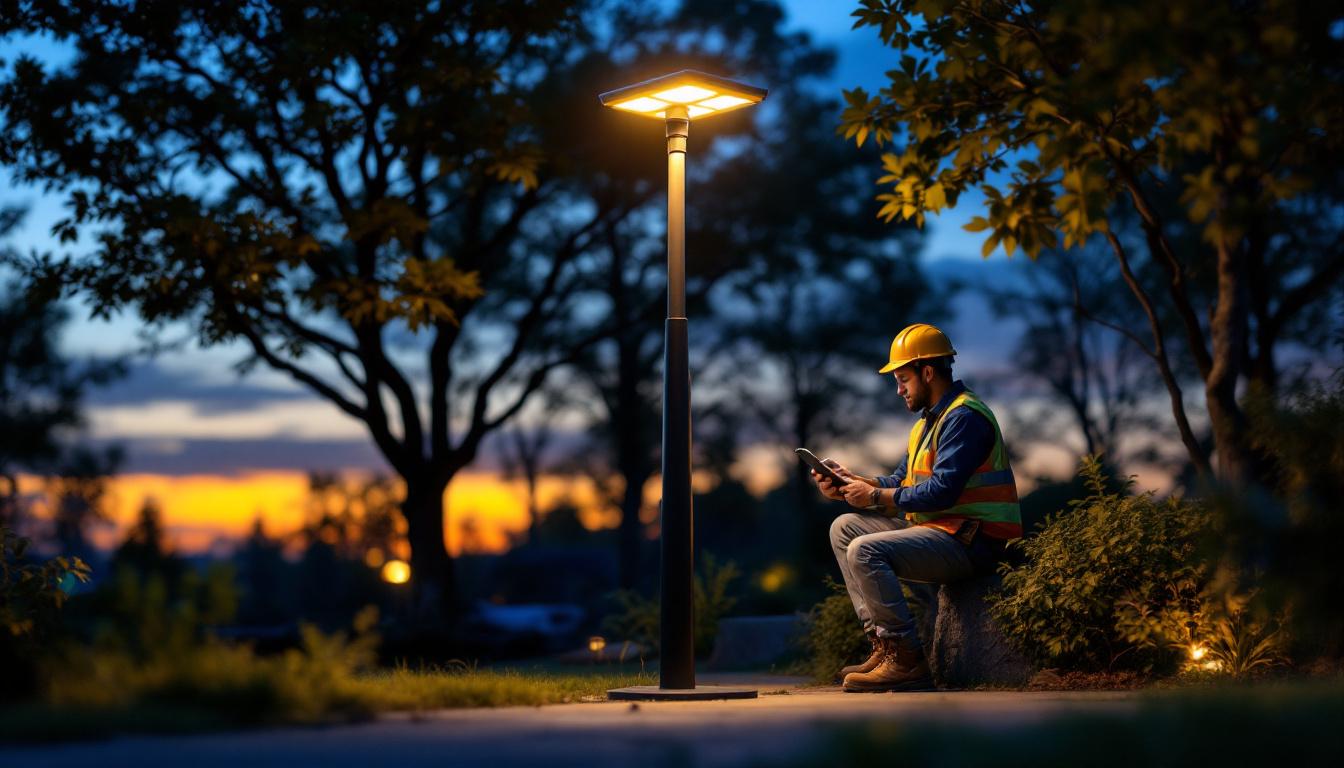
As the lighting industry embraces sustainable solutions, solar lamp stands have emerged as a pivotal component in outdoor lighting design. For lighting contractors, understanding the nuances of solar lamp stands is essential to delivering efficient, cost-effective, and environmentally responsible projects. These stands not only support solar lamps but also influence installation ease, durability, and overall system performance.
Solar lamp stands serve as the backbone for solar-powered outdoor lighting, ranging from streetlights and garden lamps to security and pathway illumination. Their design and material composition can significantly affect the longevity and functionality of the lighting system. This article provides expert insights tailored for lighting contractors, focusing on selection criteria, installation best practices, and maintenance strategies to optimize solar lighting installations.
When selecting solar lamp stands, contractors should consider various factors such as height, stability, and aesthetic appeal. The height of the stand can impact the distribution of light, ensuring that it reaches the intended areas effectively without creating dark spots. Stability is crucial, especially in areas prone to high winds or adverse weather conditions, as a well-anchored stand will prevent tipping and damage to the lamp itself. Additionally, the aesthetic design of the stand should complement the surrounding environment, enhancing the overall visual appeal of the outdoor space.
Moreover, the material used in the construction of solar lamp stands plays a significant role in their performance and maintenance. Stands made from corrosion-resistant materials, like aluminum or stainless steel, can withstand harsh weather conditions and reduce the need for frequent replacements. It is also important to consider the ease of maintenance; stands that allow for easy access to the solar panels and lighting fixtures can simplify cleaning and upkeep, ensuring optimal performance over time. By prioritizing these aspects, lighting contractors can ensure that their solar lamp installations not only meet functional requirements but also contribute positively to the environment and community aesthetics.
Key Considerations When Selecting Solar Lamp Stands
Material Durability and Environmental Resistance
One of the foremost factors in choosing a solar lamp stand is the material. Lighting contractors must prioritize materials that withstand environmental stressors such as UV exposure, moisture, wind, and temperature fluctuations. Common materials include galvanized steel, aluminum, and composite polymers.
Galvanized steel offers excellent strength and corrosion resistance, making it suitable for coastal or humid environments. Aluminum is lightweight and naturally resistant to rust, which simplifies installation and reduces maintenance costs. Composite polymers, while less common, provide flexibility and resistance to chemical degradation but may not offer the same structural strength as metals. Additionally, it is essential to consider the environmental impact of the materials used. Opting for sustainably sourced materials or those with a lower carbon footprint can enhance the project’s eco-friendliness and appeal to environmentally conscious clients.
Height and Load Capacity Requirements
The height of the solar lamp stand directly impacts the lighting coverage and intensity. Contractors should evaluate project-specific lighting requirements to determine the optimal stand height. For example, street lighting typically requires stands between 12 to 20 feet to ensure adequate illumination, whereas garden or pathway lighting may only need 6 to 10 feet.
Load capacity is equally critical, especially when integrating larger solar panels or multiple fixtures on a single stand. The stand must support the combined weight without compromising stability. Consulting manufacturer specifications and local building codes helps ensure compliance and safety. Furthermore, it is advisable to account for potential future upgrades or expansions, such as adding additional fixtures or solar panels, which may necessitate a higher load capacity than initially anticipated.
Design and Aesthetic Compatibility
Beyond functionality, the visual appeal of solar lamp stands can influence client satisfaction and project acceptance. Lighting contractors should consider stands that complement the architectural style and landscape. Options range from sleek, modern designs to traditional ornamental posts.
Customizable finishes, such as powder coating or anodizing, provide additional protection and aesthetic versatility. Selecting a design that harmonizes with the environment enhances the overall impact of the lighting installation. Additionally, incorporating elements such as decorative motifs or integrated planters can further enhance the aesthetic appeal, allowing the lamp stands to serve as both functional lighting solutions and attractive landscape features. This attention to design not only elevates the project’s visual impact but can also increase property values and community satisfaction.
Installation Best Practices for Solar Lamp Stands
Site Assessment and Foundation Preparation
Proper installation begins with a thorough site assessment. Lighting contractors should evaluate soil type, terrain, and exposure to elements to determine the most suitable foundation type. Concrete footings are standard for permanent installations, offering stability and resistance to shifting.
In areas with loose or sandy soil, deeper or wider foundations may be necessary to prevent tilting or sinking. Additionally, contractors should account for drainage to avoid water pooling around the base, which can accelerate corrosion and degrade structural integrity. It is also advisable to conduct a soil compaction test to ensure that the ground can adequately support the weight of the lamp stand and its components. This proactive step can help identify potential issues before installation begins, saving time and resources in the long run.
Electrical and Solar Component Integration
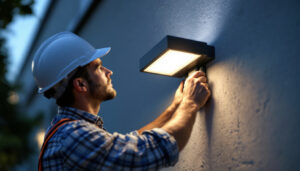
Integrating solar panels, batteries, and lighting fixtures with the lamp stand requires meticulous planning. Wiring must be protected against environmental damage and vandalism. Conduits and weatherproof connectors are essential for maintaining system reliability.
Contractors should also consider the optimal orientation and tilt angle of solar panels mounted on the stand to maximize sunlight exposure. This positioning directly influences energy harvesting efficiency and, consequently, the lighting system’s performance. Additionally, incorporating smart technology can enhance the functionality of solar lamp stands. Features such as motion sensors and timers can optimize energy use, ensuring that lights are only activated when needed, thus extending battery life and reducing maintenance costs.
Compliance with Safety and Regulatory Standards
Adhering to local electrical codes, safety regulations, and zoning laws is non-negotiable. Lighting contractors must ensure that solar lamp stands meet structural load requirements, electrical safety standards, and any municipal ordinances related to outdoor lighting.
Obtaining necessary permits and conducting inspections can prevent costly delays and legal complications. Staying informed about evolving standards in solar lighting technology helps contractors maintain a competitive edge. Furthermore, engaging with local authorities early in the planning process can facilitate smoother project execution. This collaboration can also provide insights into community preferences and requirements, ensuring that the installation not only meets technical specifications but also aligns with the aesthetic and functional needs of the area.
Maintenance and Longevity of Solar Lamp Stands
Routine Inspection and Cleaning
Regular maintenance extends the lifespan of solar lamp stands and ensures consistent lighting performance. Contractors should establish inspection schedules to check for corrosion, loose fittings, and structural damage. Cleaning solar panels and lamp fixtures removes dirt and debris that can reduce light output and energy efficiency.
Preventive maintenance also includes tightening bolts, repainting or recoating surfaces, and replacing worn components before failure occurs. These proactive measures reduce downtime and repair costs.
Addressing Environmental and Vandalism Challenges
Outdoor solar lamp stands are often exposed to harsh environmental conditions and potential vandalism. Selecting vandal-resistant hardware and tamper-proof fasteners can deter damage. Additionally, installing protective barriers or surveillance cameras may be warranted in high-risk areas.
Contractors should educate clients on environmental factors that may affect their installations, such as heavy snow loads or salt spray, and recommend appropriate mitigation strategies.
Upgrading and Retrofitting Opportunities
As solar technology advances, existing lamp stands may be retrofitted with improved panels, batteries, or lighting fixtures to enhance performance. Lighting contractors can offer upgrade services that extend the usefulness of installed systems while reducing environmental impact.
Evaluating the structural capacity of existing stands is crucial before retrofitting to ensure they can support new components. This approach promotes sustainability and client satisfaction by leveraging current infrastructure.
Emerging Trends and Innovations in Solar Lamp Stand Design
Smart Lighting Integration
The integration of smart technology into solar lamp stands is revolutionizing outdoor lighting. Features such as motion sensors, remote dimming, and adaptive lighting schedules optimize energy consumption and enhance user experience. Lighting contractors should familiarize themselves with these technologies to offer cutting-edge solutions.
Smart solar lamp stands can communicate with centralized management systems, enabling real-time monitoring and maintenance alerts. This connectivity reduces operational costs and improves reliability.
Modular and Lightweight Designs
Recent innovations focus on modular solar lamp stands that simplify transportation and installation. Lightweight materials combined with modular components allow for flexible configurations and easier upgrades. This trend benefits contractors by reducing labor time and logistical challenges.
Modular designs also facilitate scalability, enabling clients to expand their lighting networks as needed without complete system overhauls.
Eco-Friendly Materials and Manufacturing Processes
Environmental responsibility extends beyond solar energy generation to the materials and manufacturing of lamp stands. Sustainable sourcing, recyclable materials, and low-impact production methods are gaining traction. Lighting contractors can differentiate themselves by prioritizing eco-friendly products that align with green building certifications and client values.
Incorporating these materials contributes to the overall sustainability of lighting projects and supports industry-wide efforts to reduce carbon footprints.
Conclusion: Maximizing Value with Expert Solar Lamp Stand Solutions
For lighting contractors, mastering the selection, installation, and maintenance of solar lamp stands is critical to delivering high-quality, sustainable lighting solutions. By considering material durability, structural requirements, aesthetic factors, and emerging technologies, contractors can optimize project outcomes and client satisfaction.
Staying informed about industry trends and regulatory changes ensures compliance and competitive advantage. Ultimately, expert handling of solar lamp stands not only enhances the longevity and efficiency of solar lighting systems but also contributes to a greener, more sustainable built environment.
Illuminate Your Projects with LumenWholesale
Ready to elevate your lighting projects with the best solar lamp stands in the market? Look no further than LumenWholesale, where we provide contractors with superior, spec-grade lighting products at unparalleled wholesale prices. By eliminating the middleman, we ensure you receive the most cost-effective solutions for your sustainable lighting needs. Our extensive selection not only meets but exceeds industry standards, guaranteeing you reliable and high-performance lighting for every project. Plus, with the convenience of free shipping on bulk orders, you can enjoy premium lighting without hidden fees or compromises. Don’t miss out on the ideal combination of quality, affordability, and convenience. Choose LumenWholesale for Wholesale Lighting at the Best Value and make your next project shine.